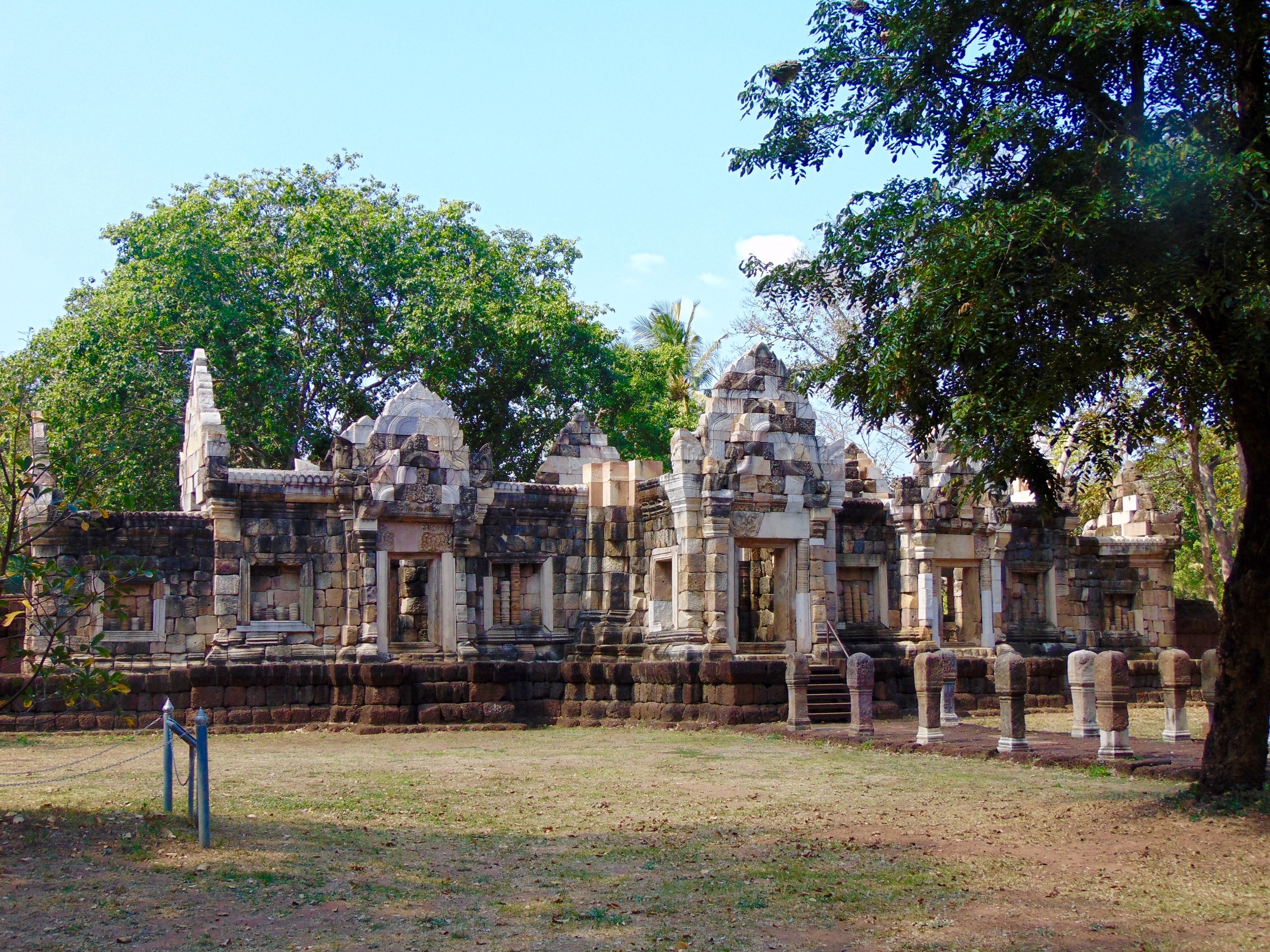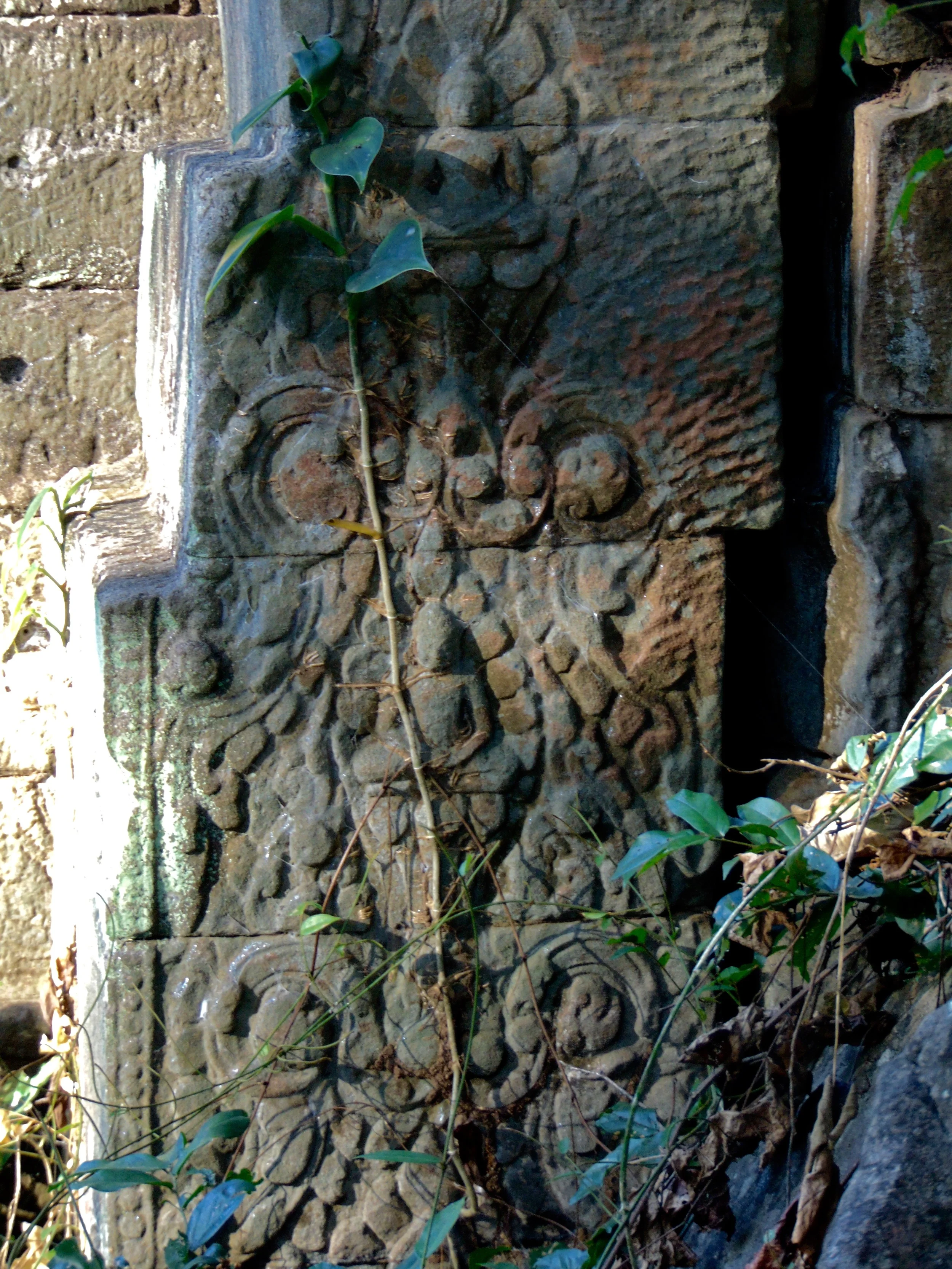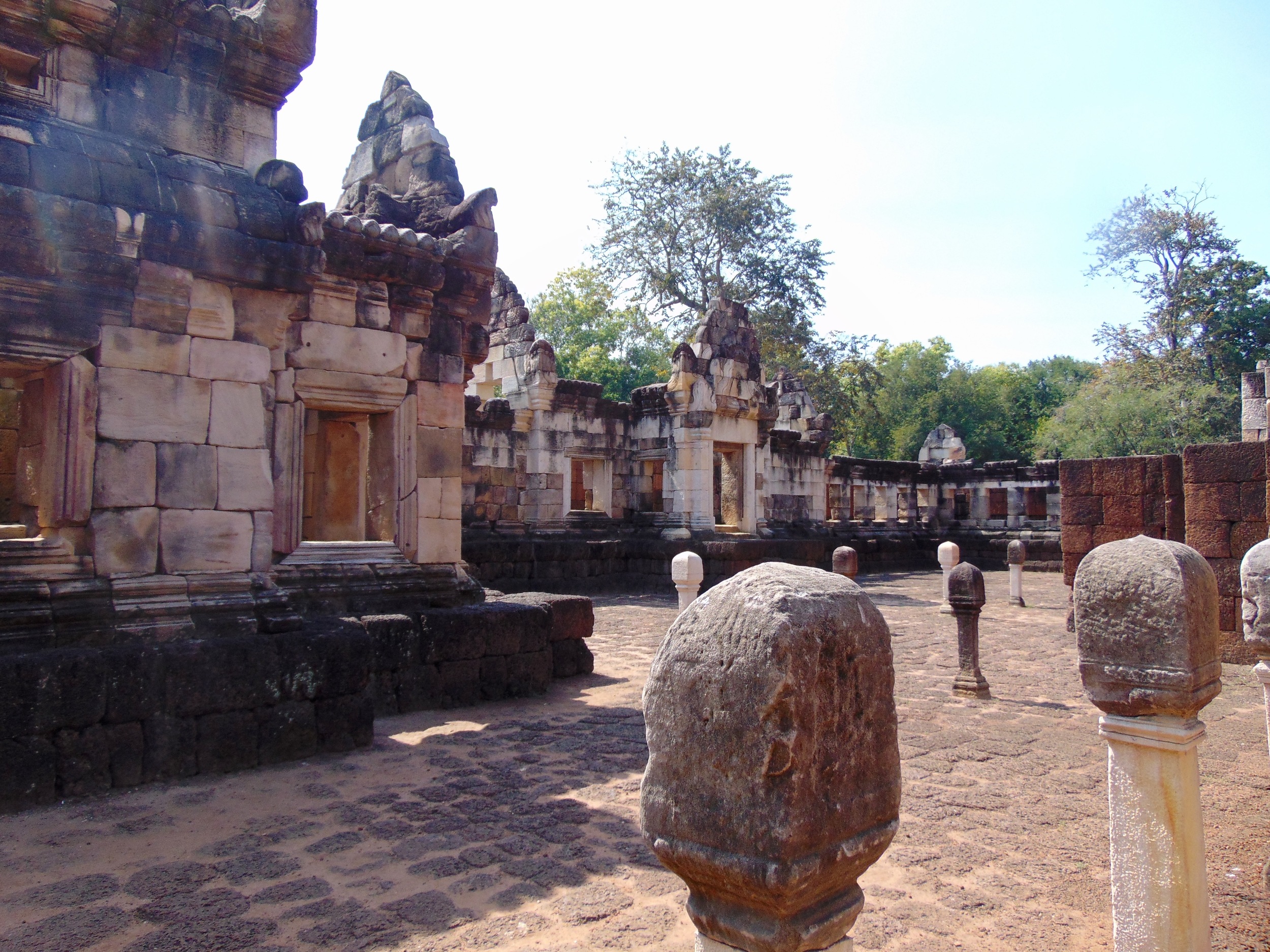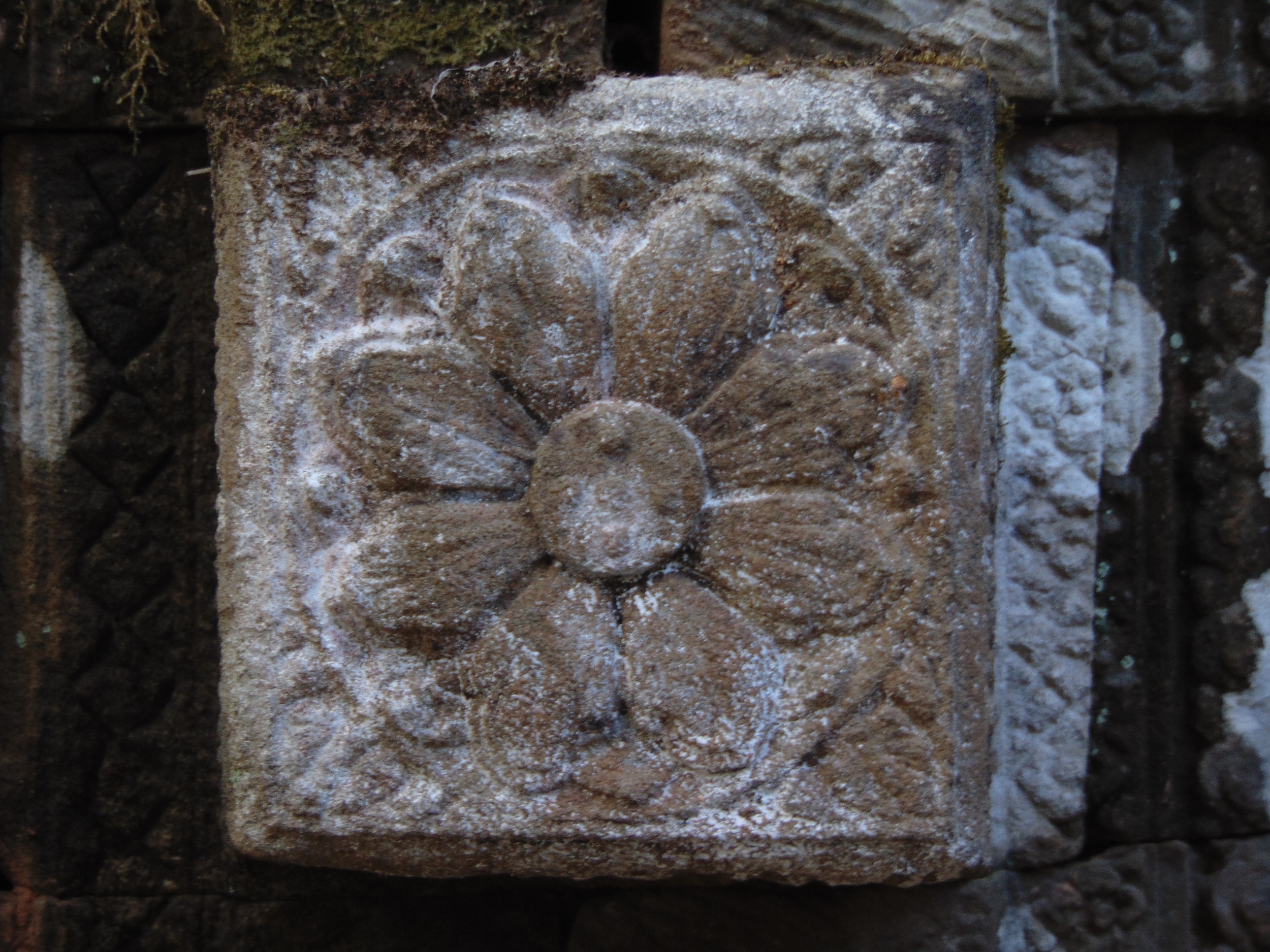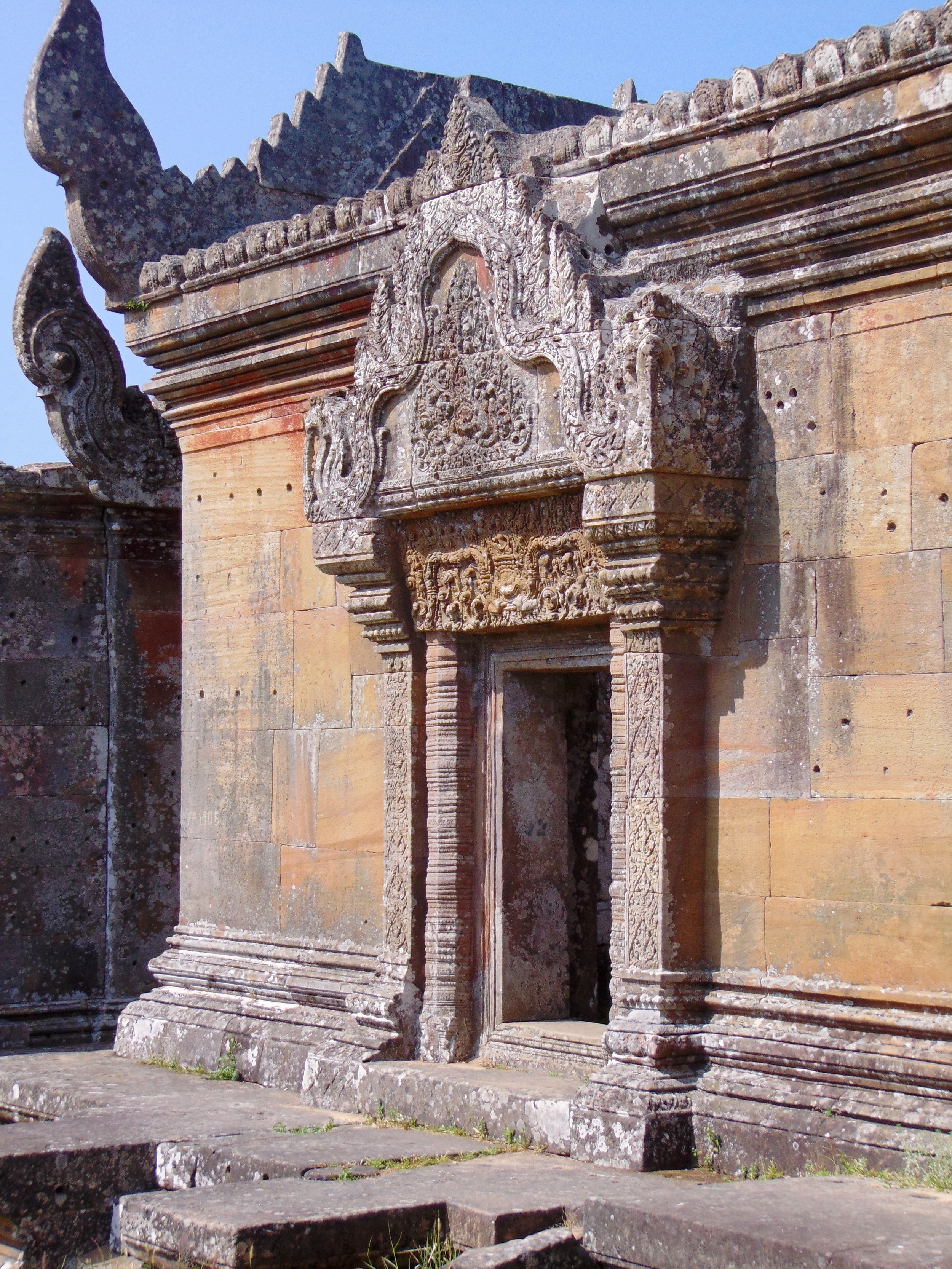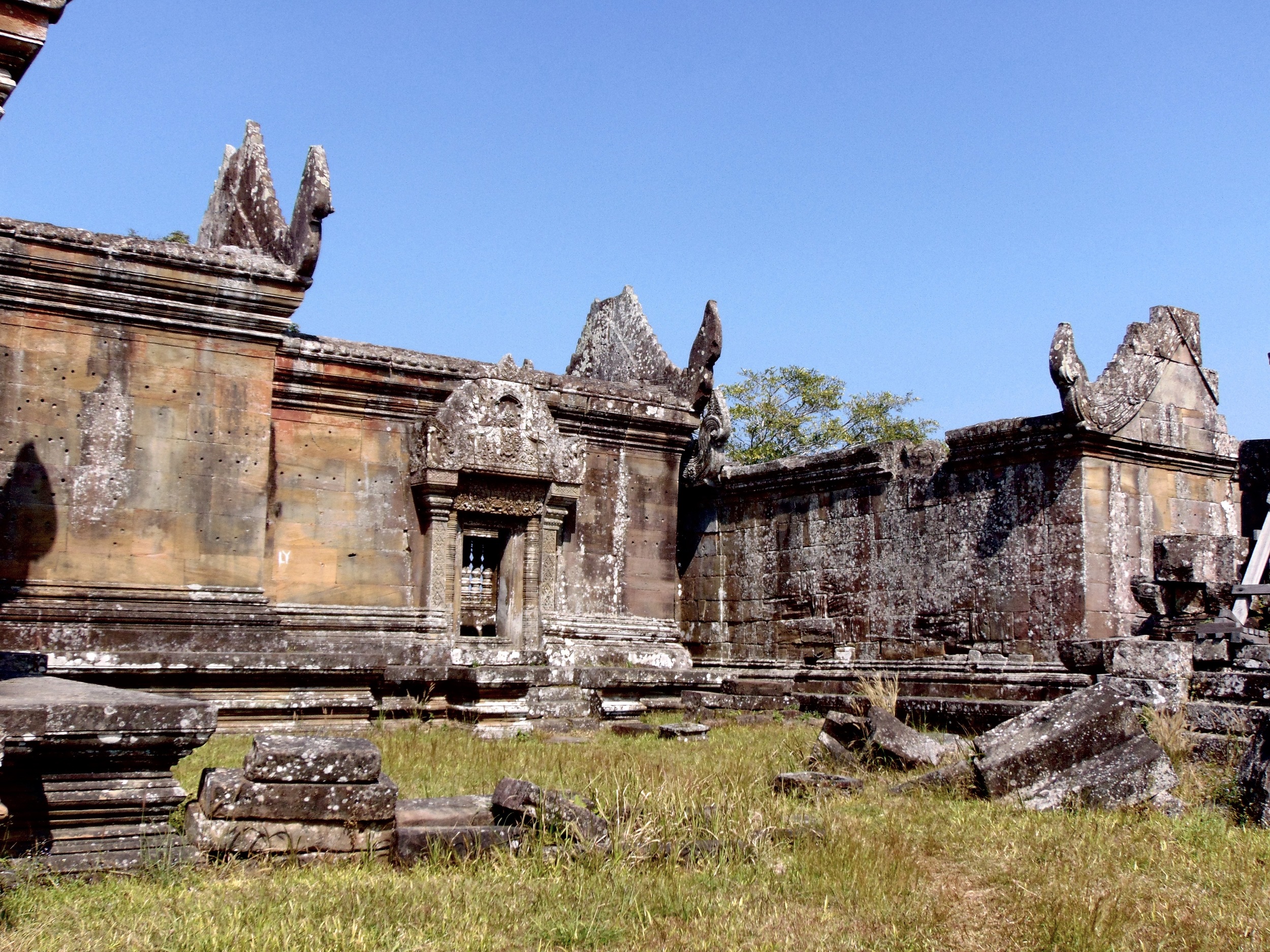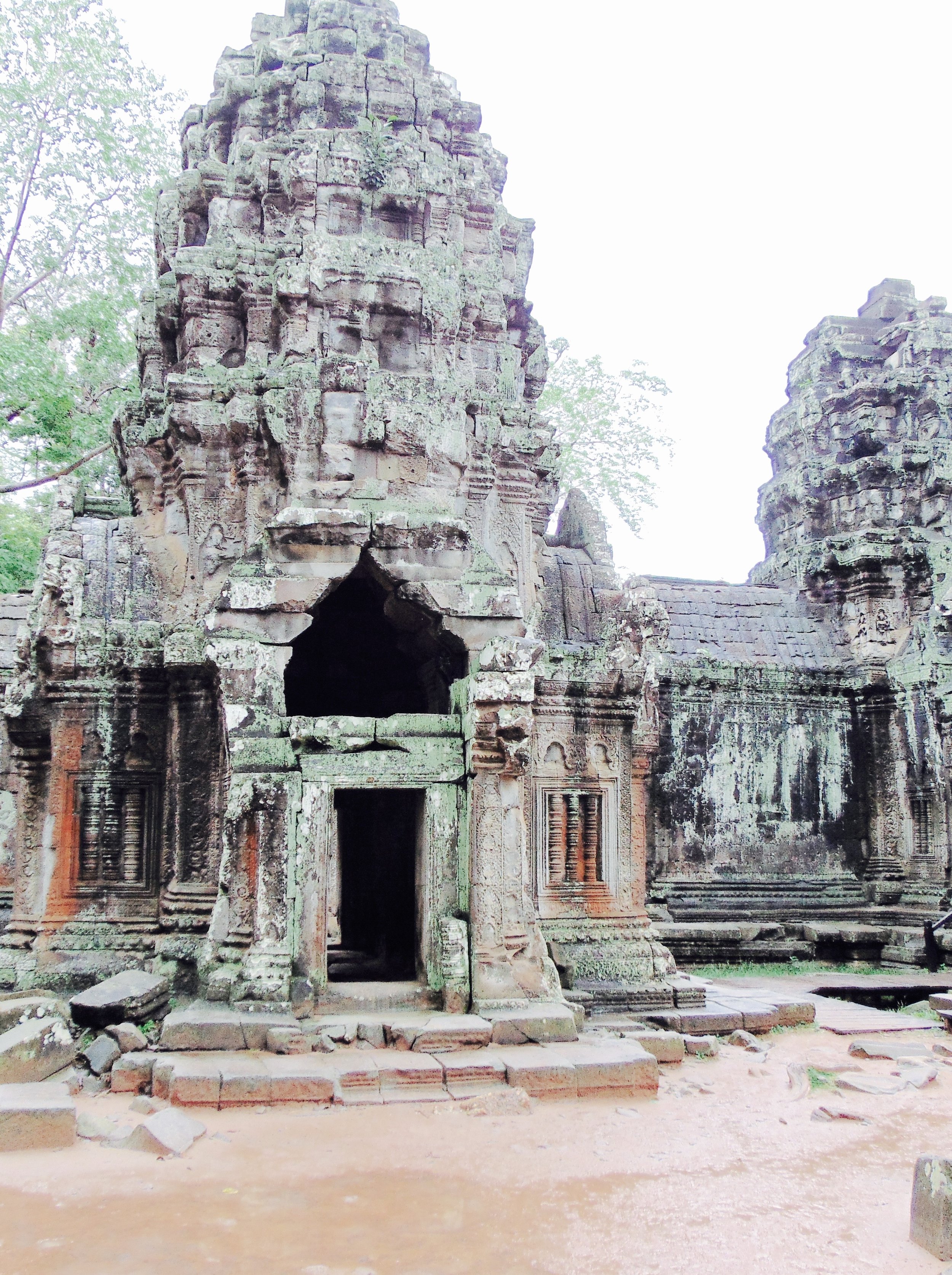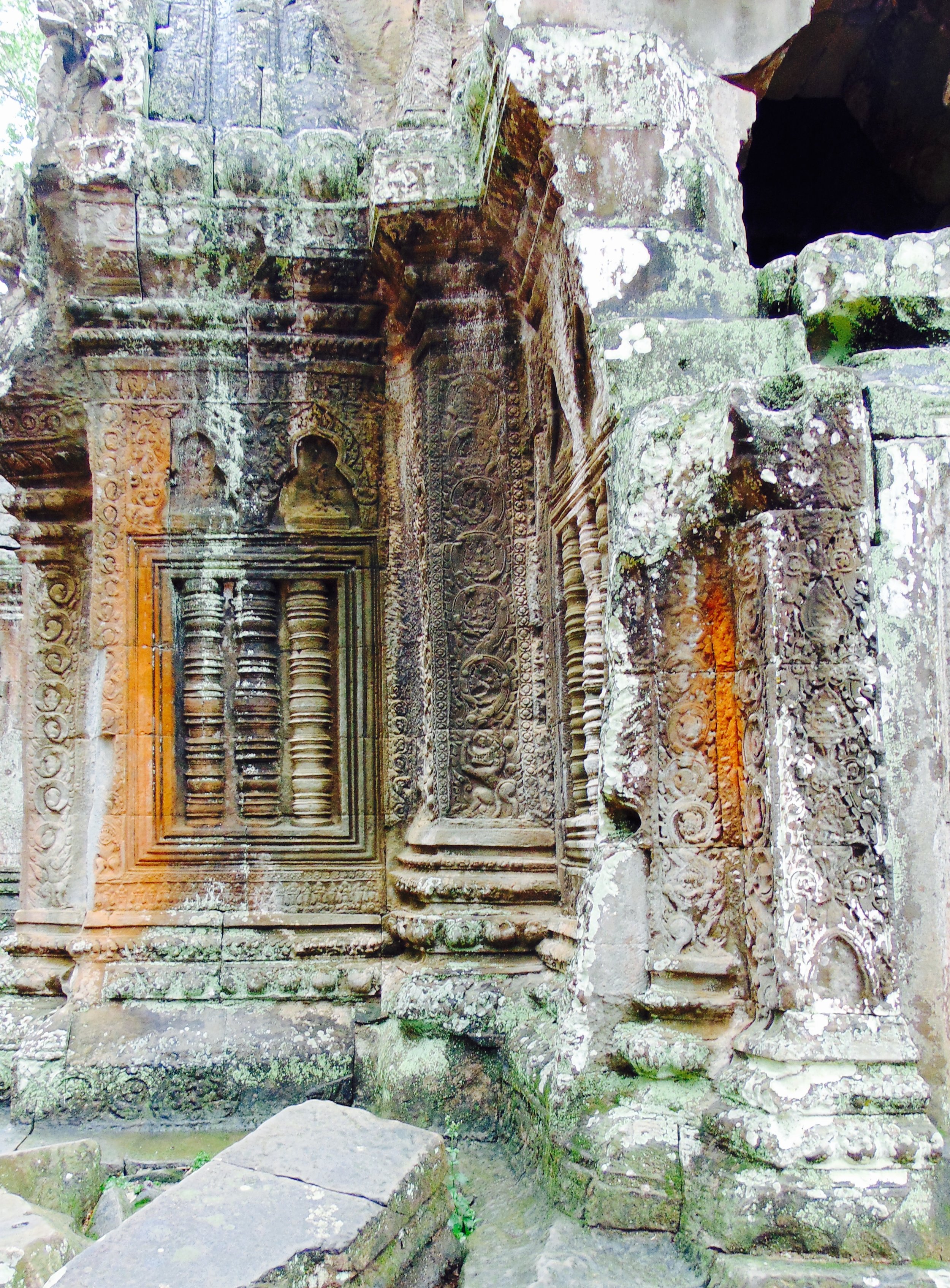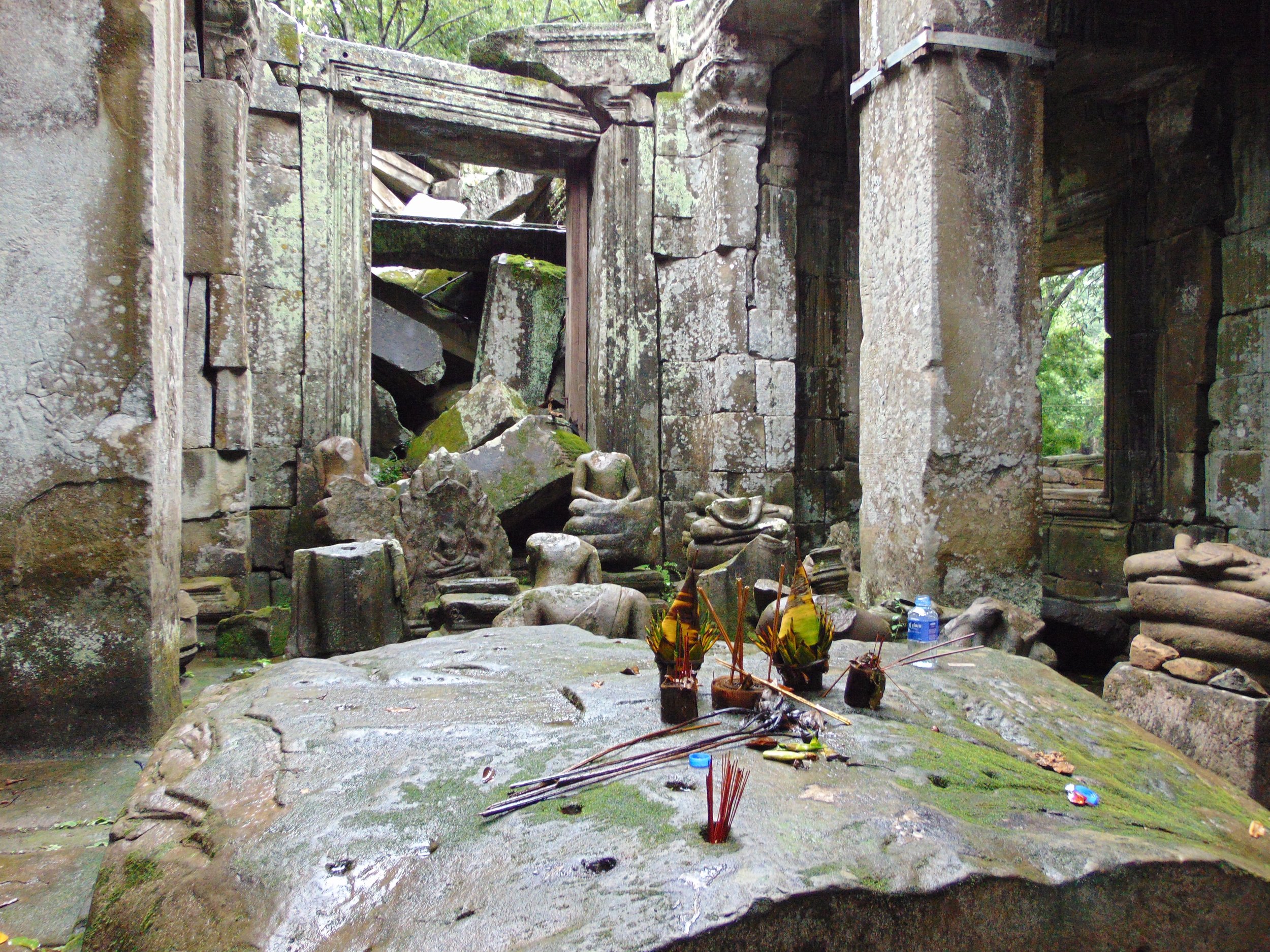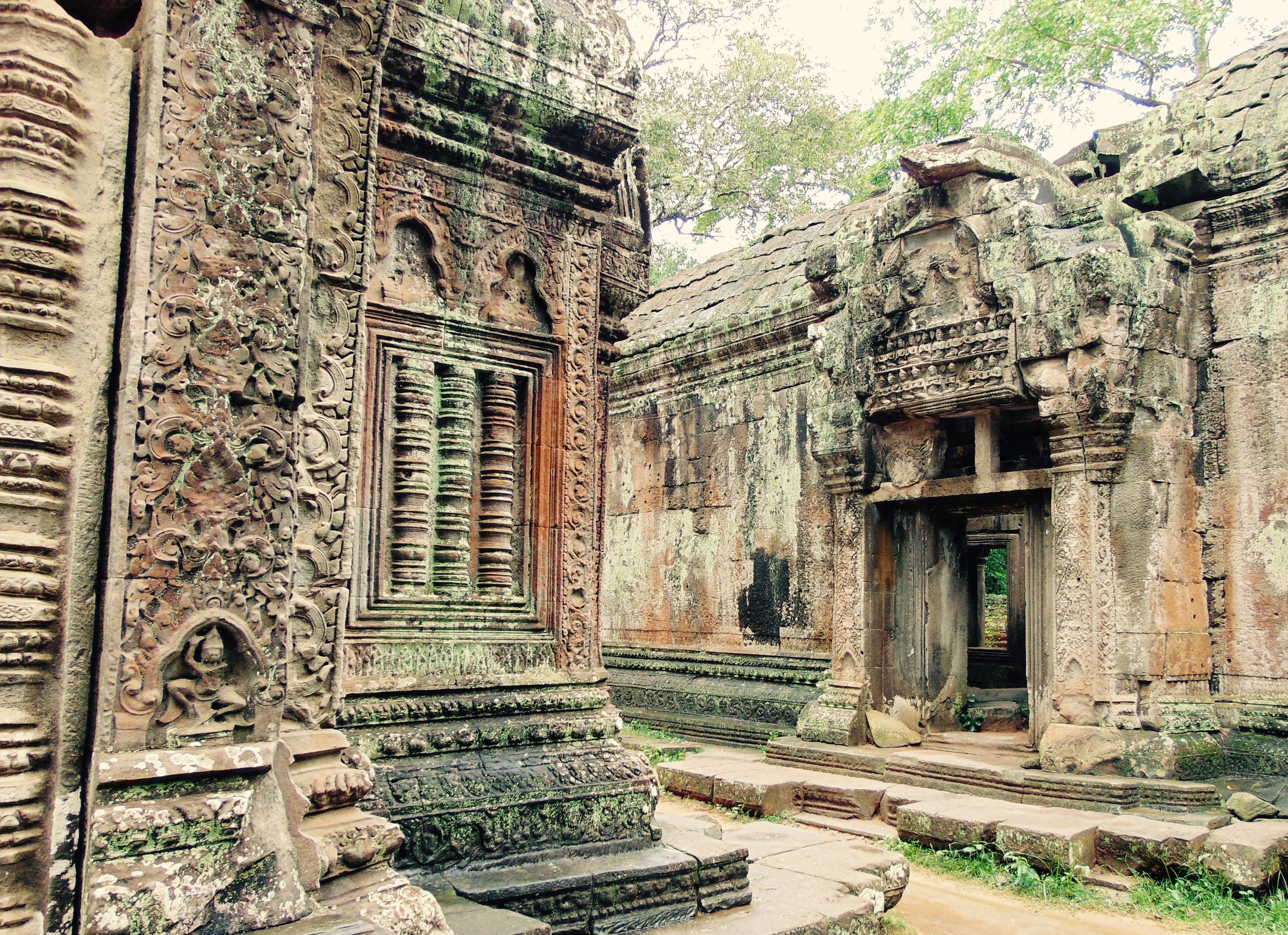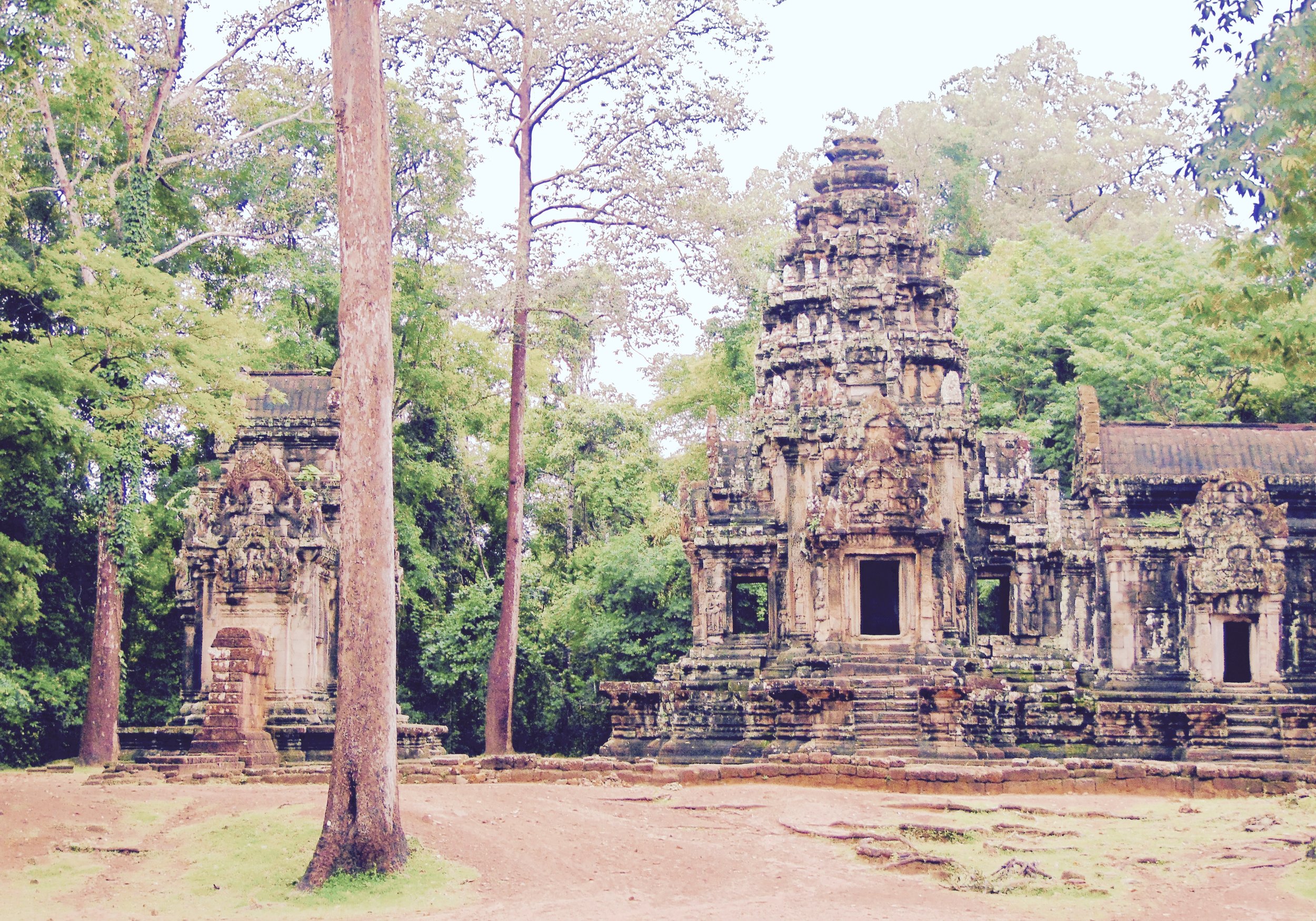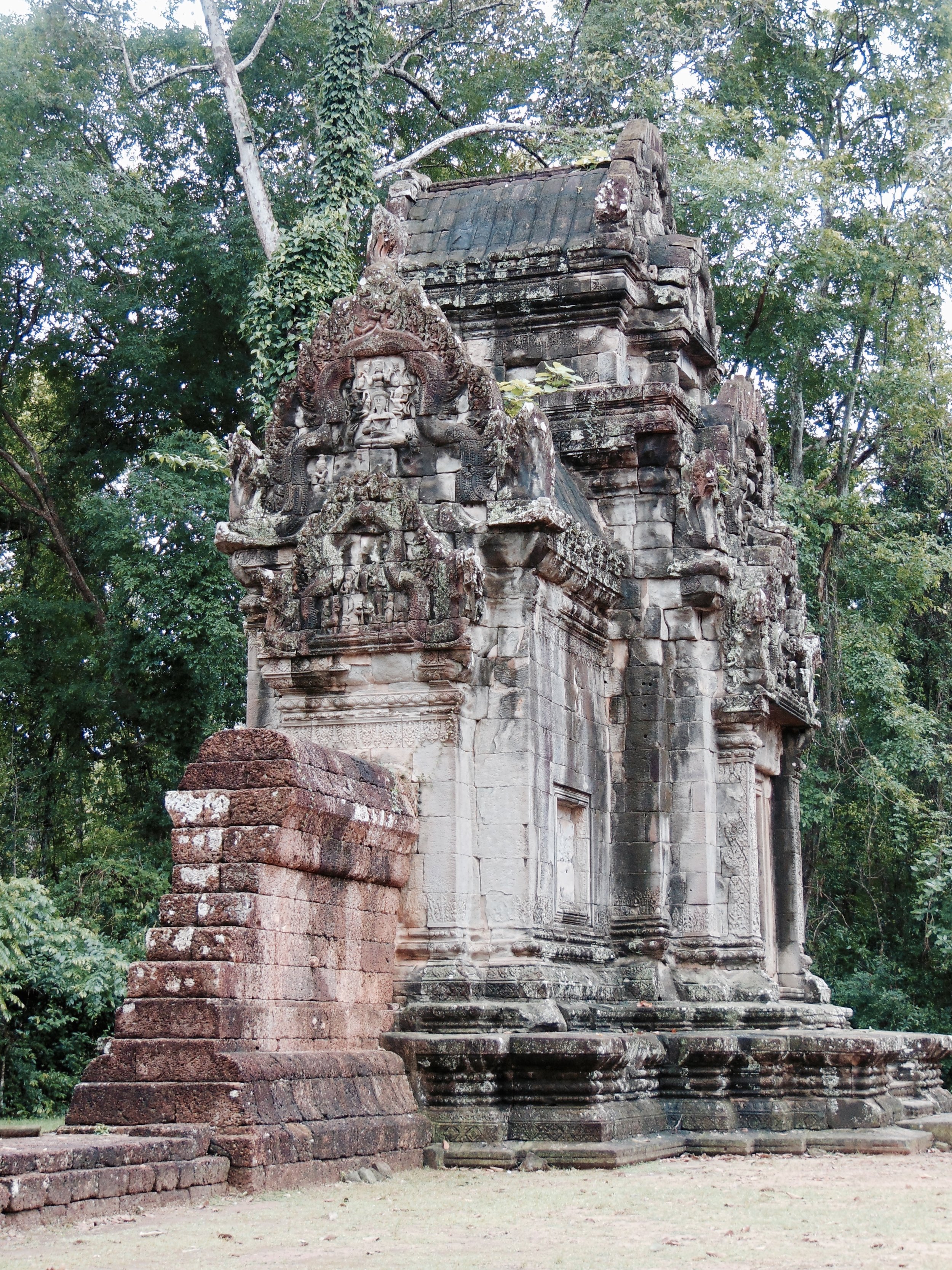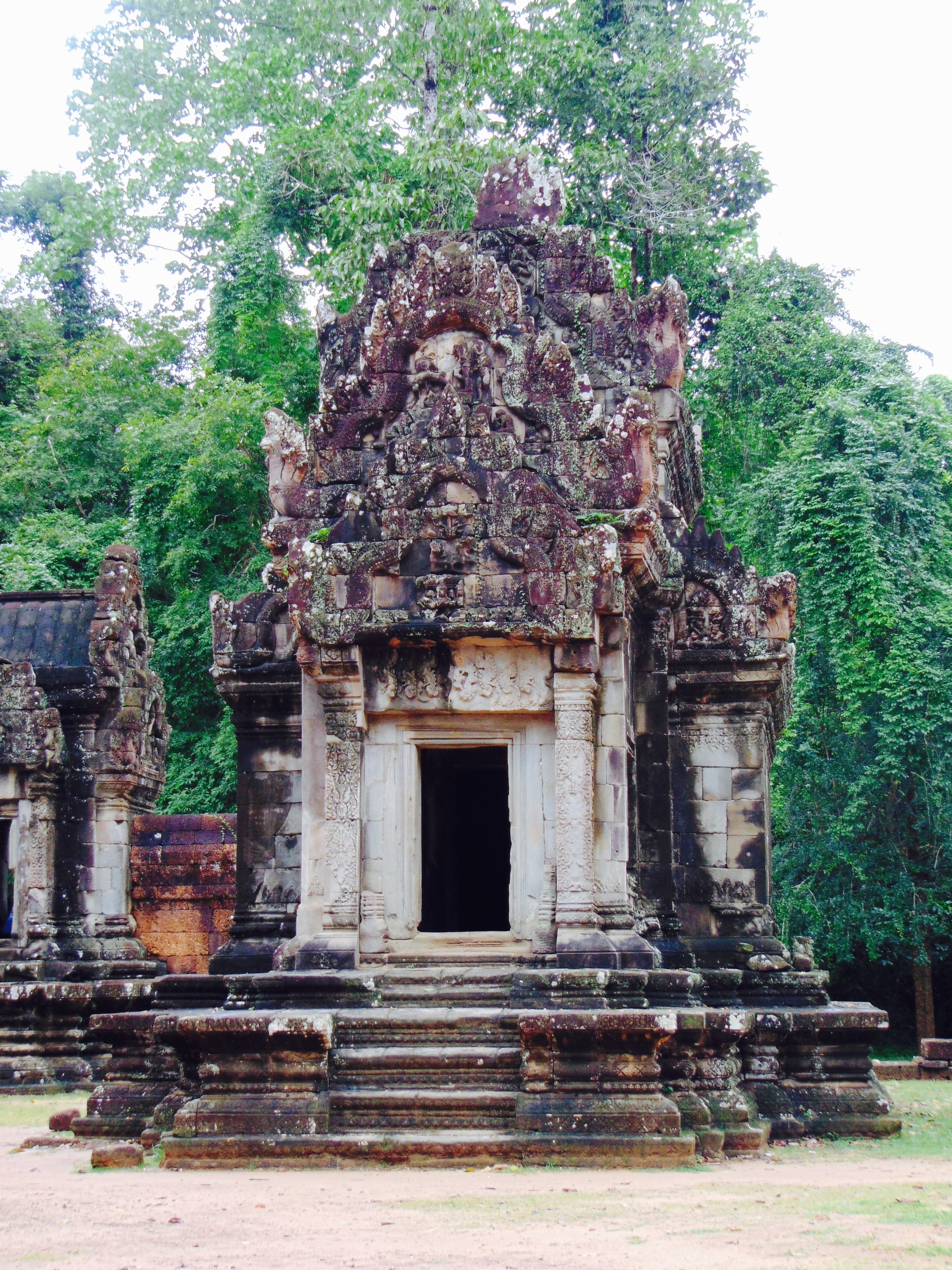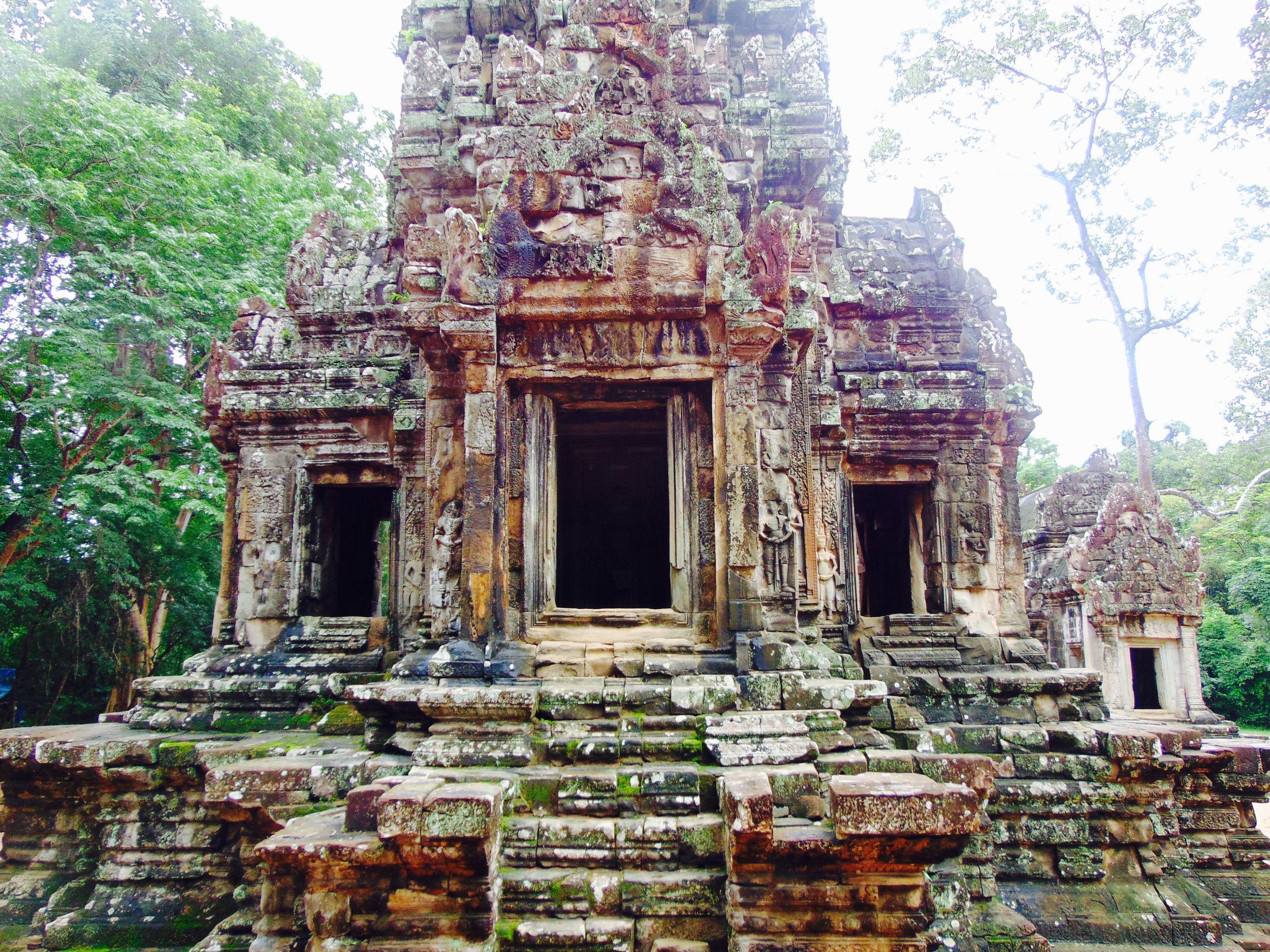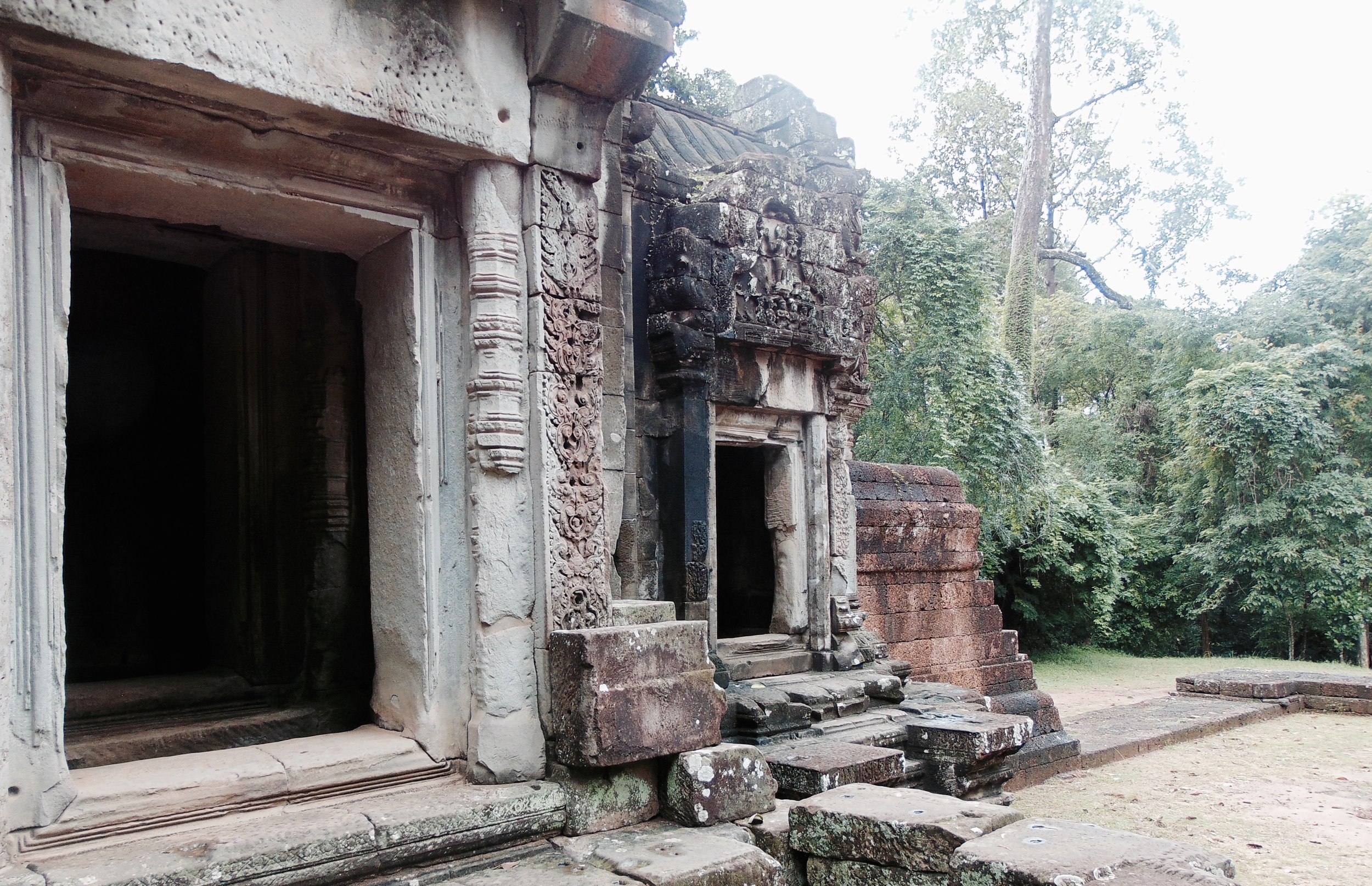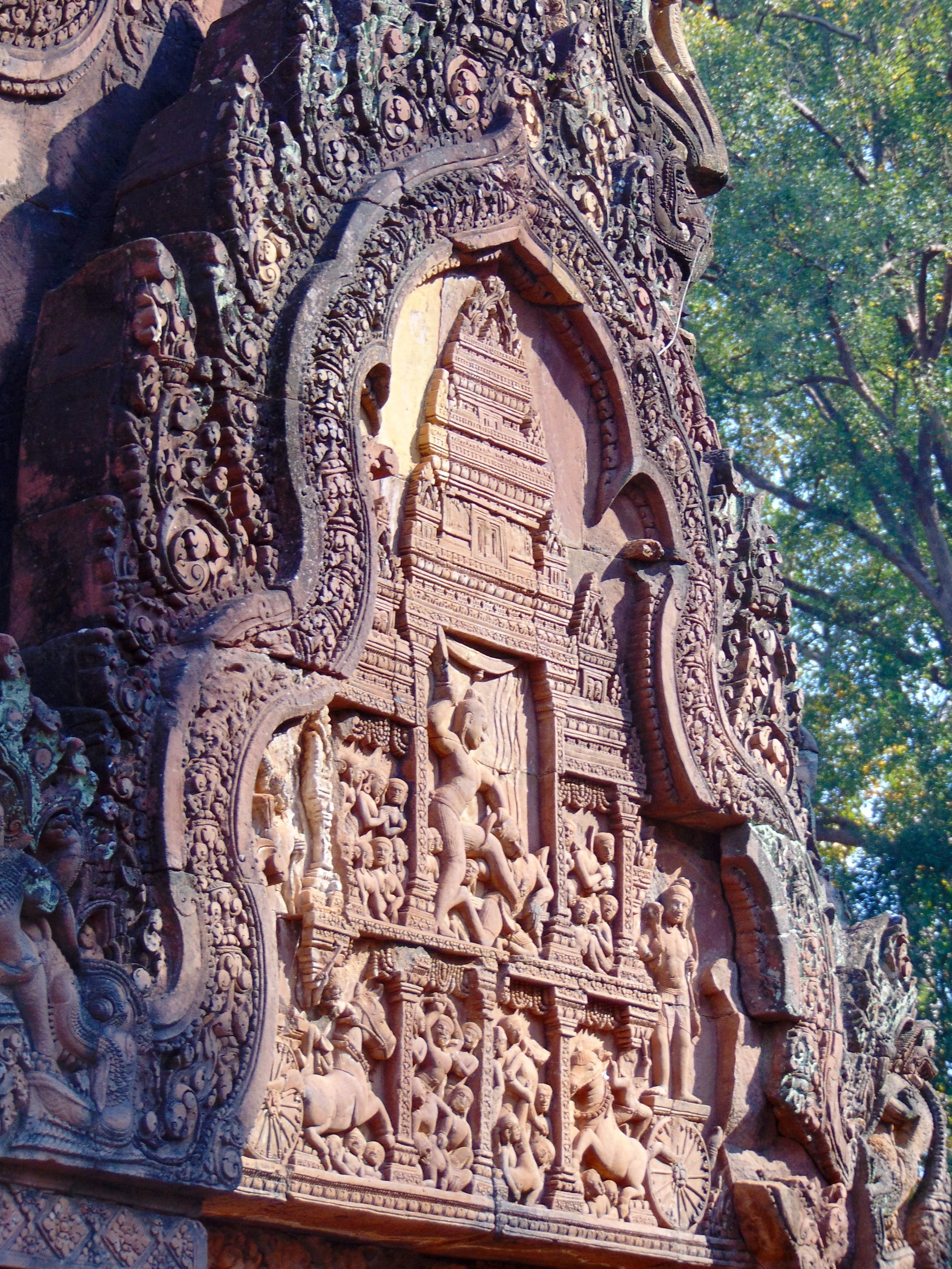
Angkor Wat is one of the most significant archaeological and religious sites in Southeast Asia. Located within the Angkor Archaeological Park, which extends over more than 400 square kilometres, it forms part of a broader landscape of temple complexes that served as successive capitals of the Khmer Empire from the 9th to the 15th centuries.
Since its inscription as a UNESCO World Heritage Site in 1992, Angkor has been the focus of extensive international conservation efforts. Dozens of countries and organizations have contributed to restoration, research, and site management, shaping both the preservation of the monuments and the contemporary development of the region.

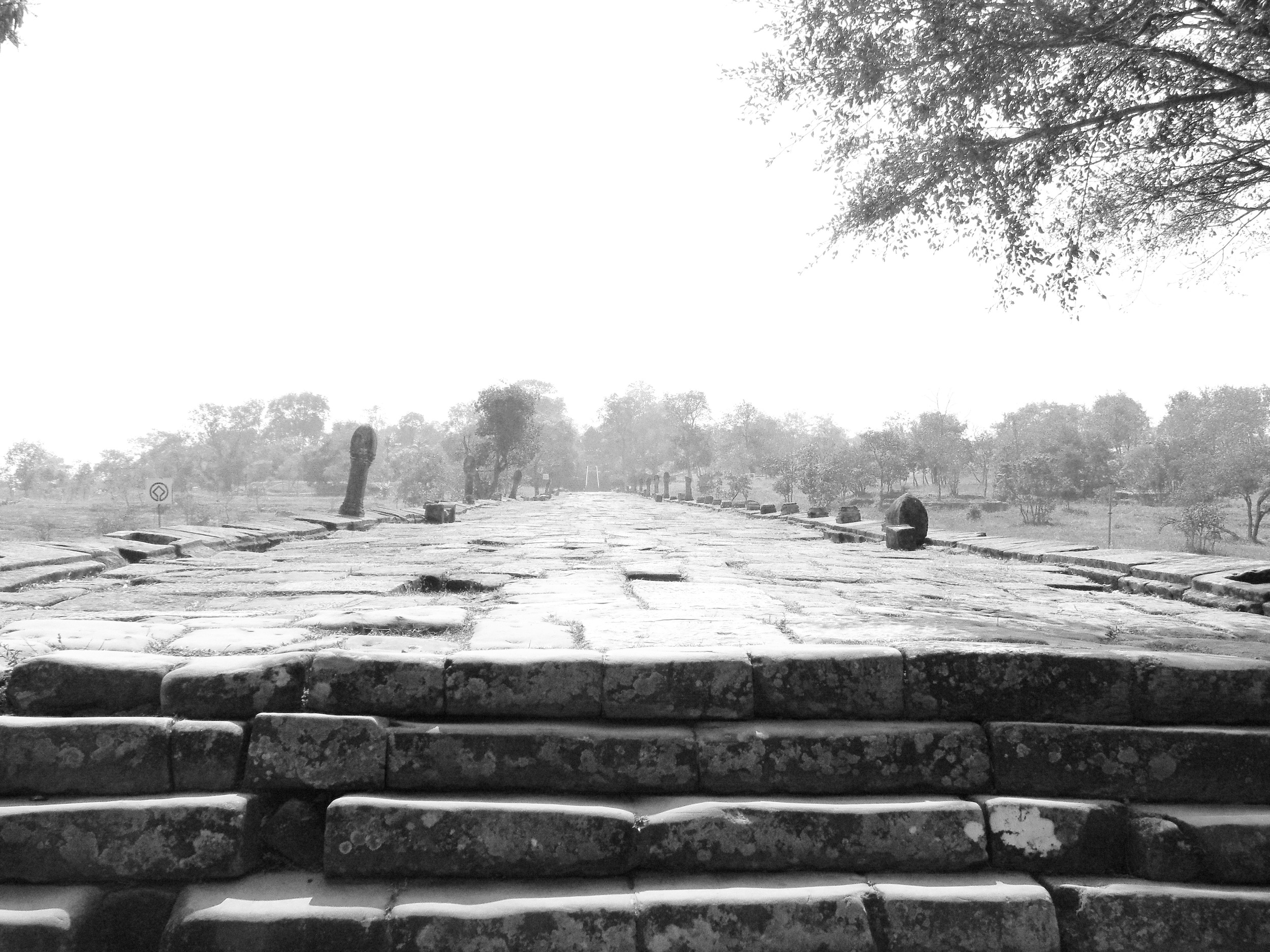
Image of Angkor's processional entrance. Courtesy of Vincent Ko Hon Chui, UNESCO.
APSARA, the Authority for the Protection and Management of Angkor and the Region of Siem Reap, is in charge of research, protection and conservation of the site, as well as urban and tourist development in surrounding areas. This site and it's research teams are located in Siem Reap, Cambodia.

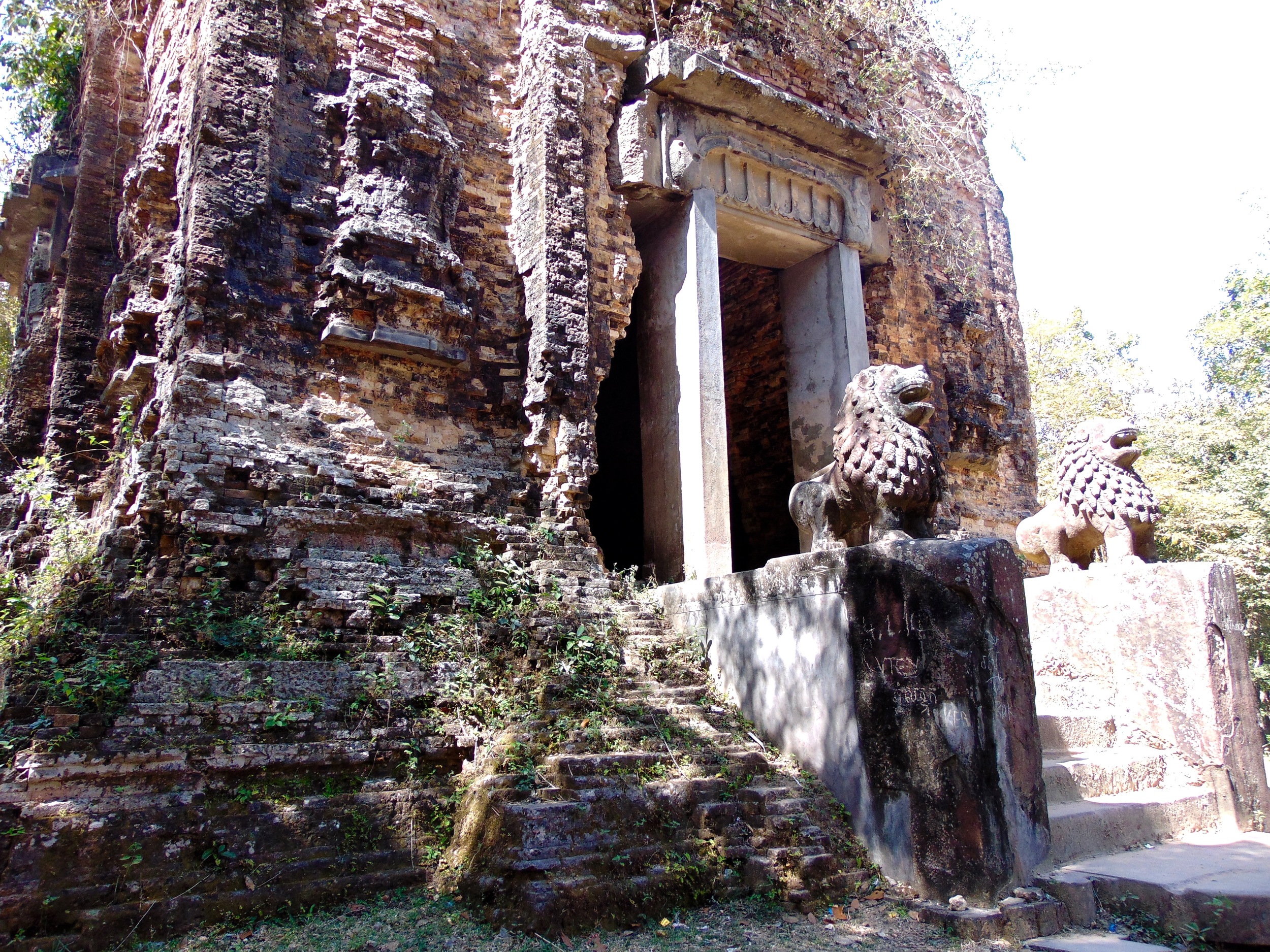
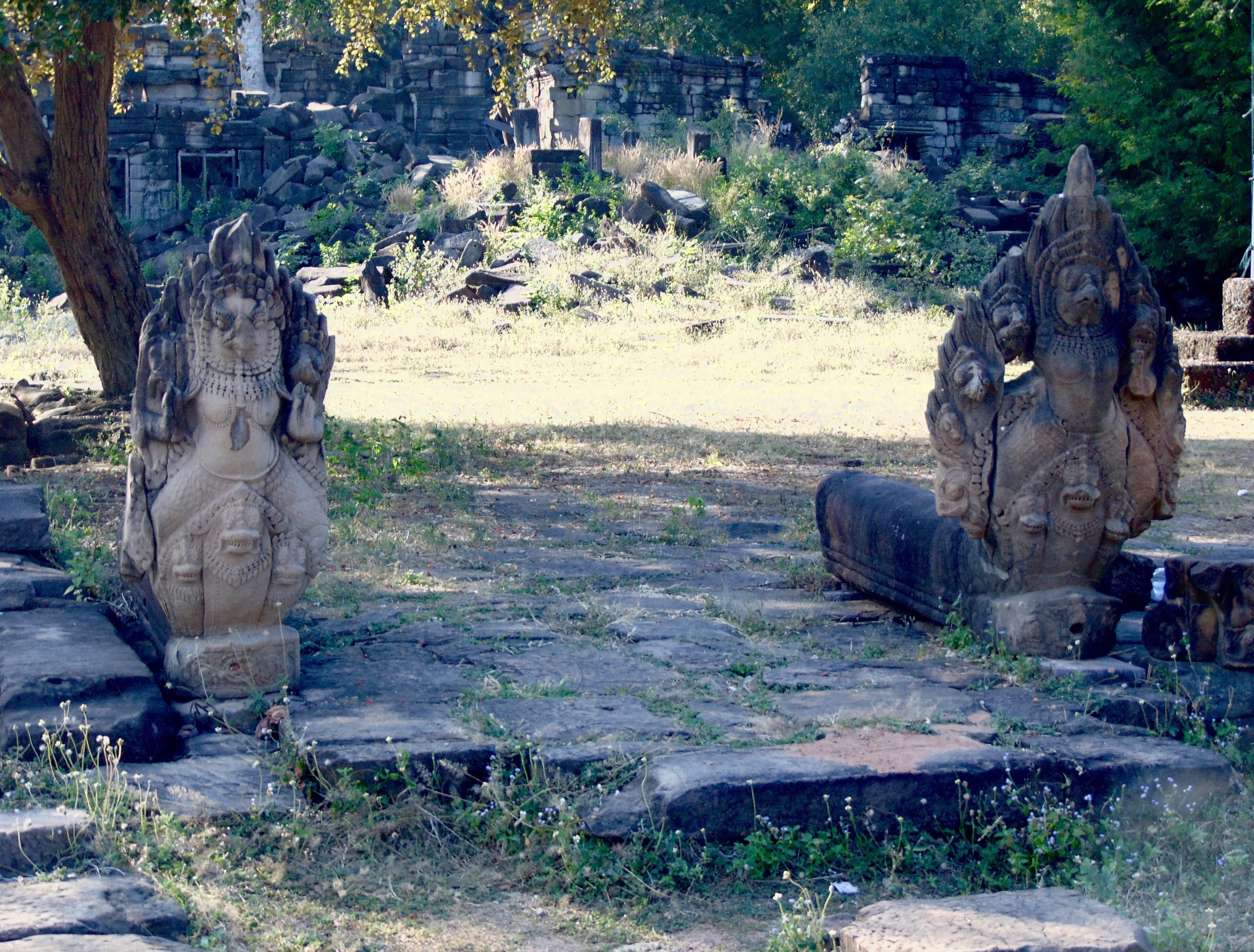
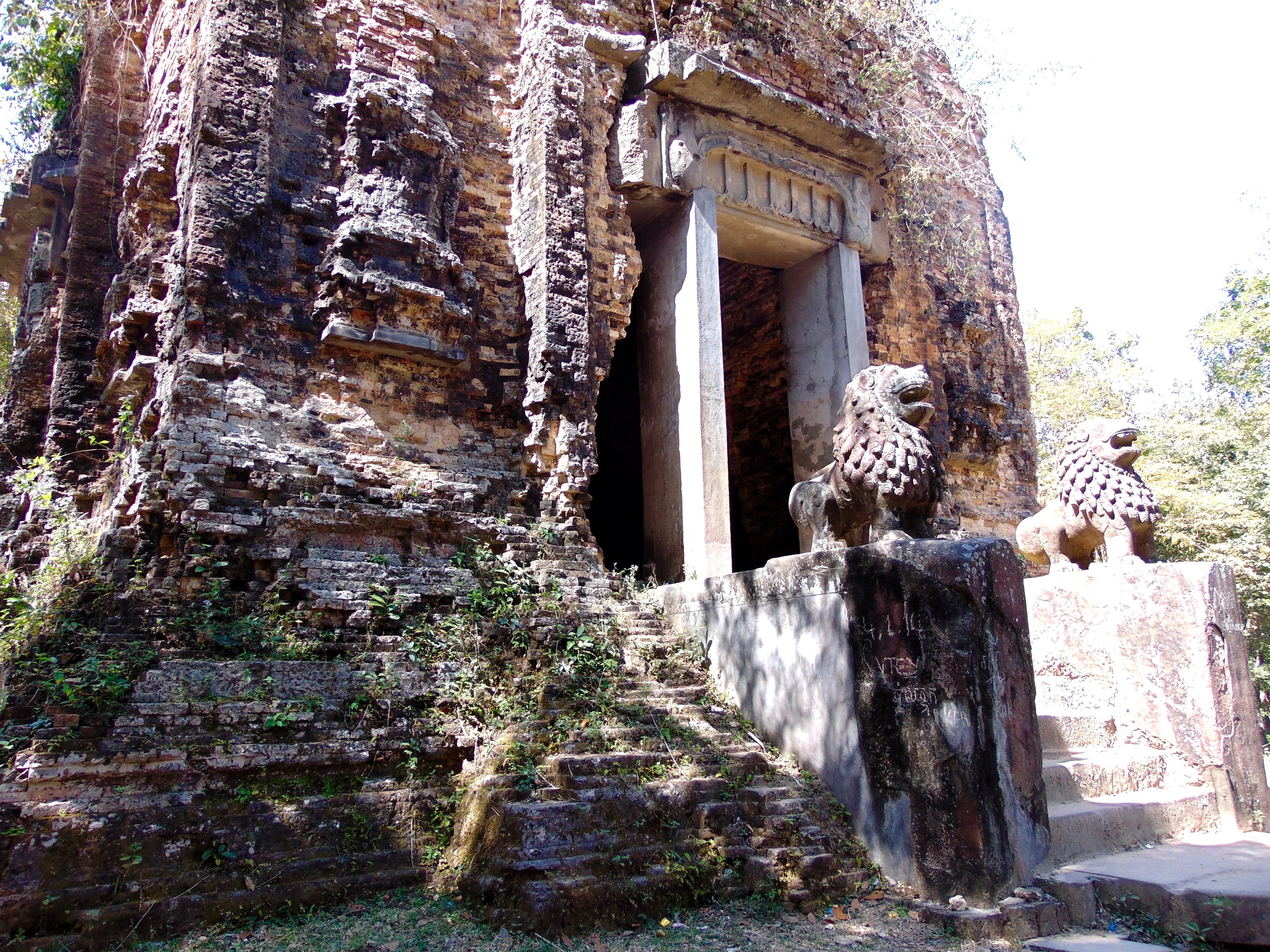
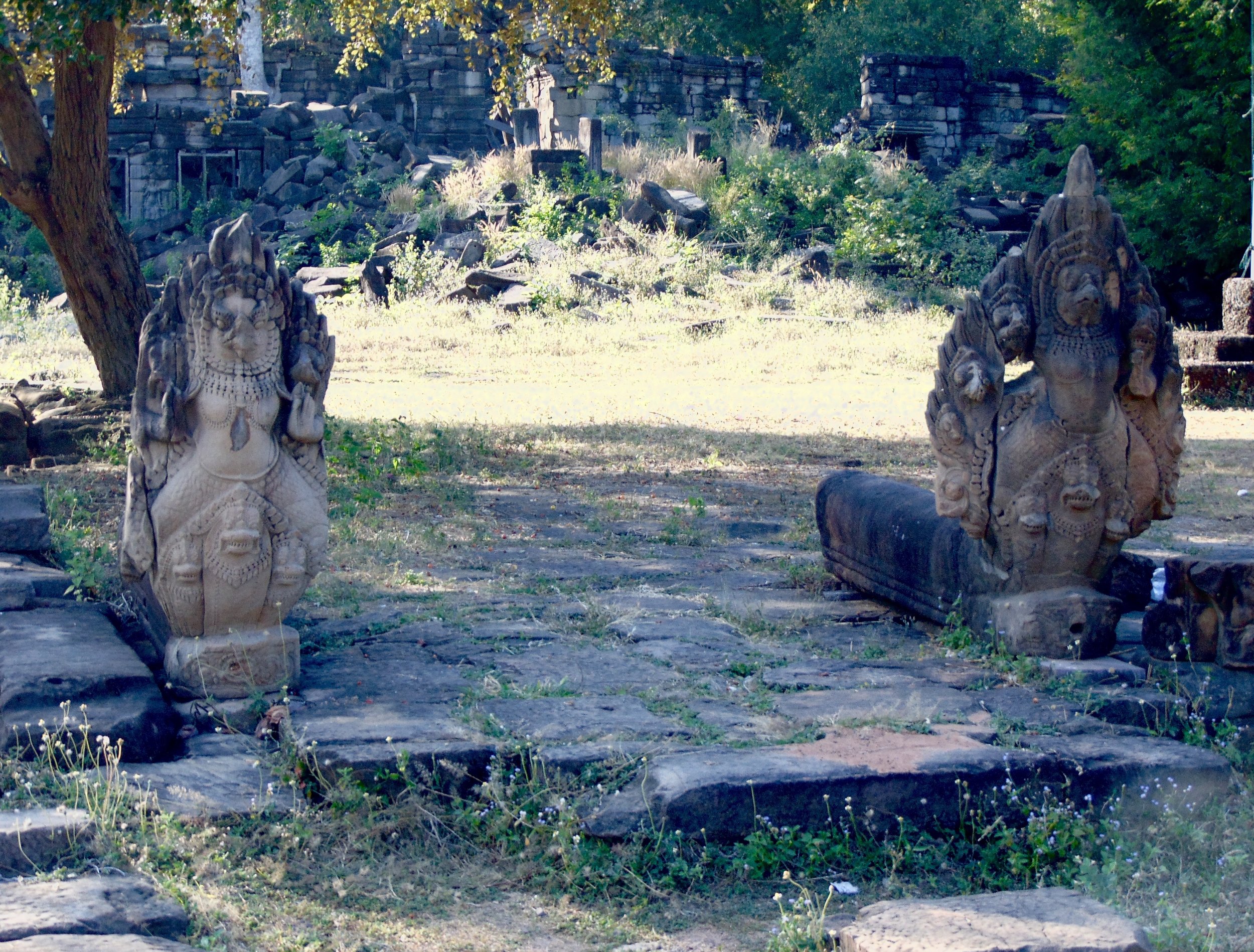
Guardians of Angkor Wat. Courtesy of SKH, 2001.

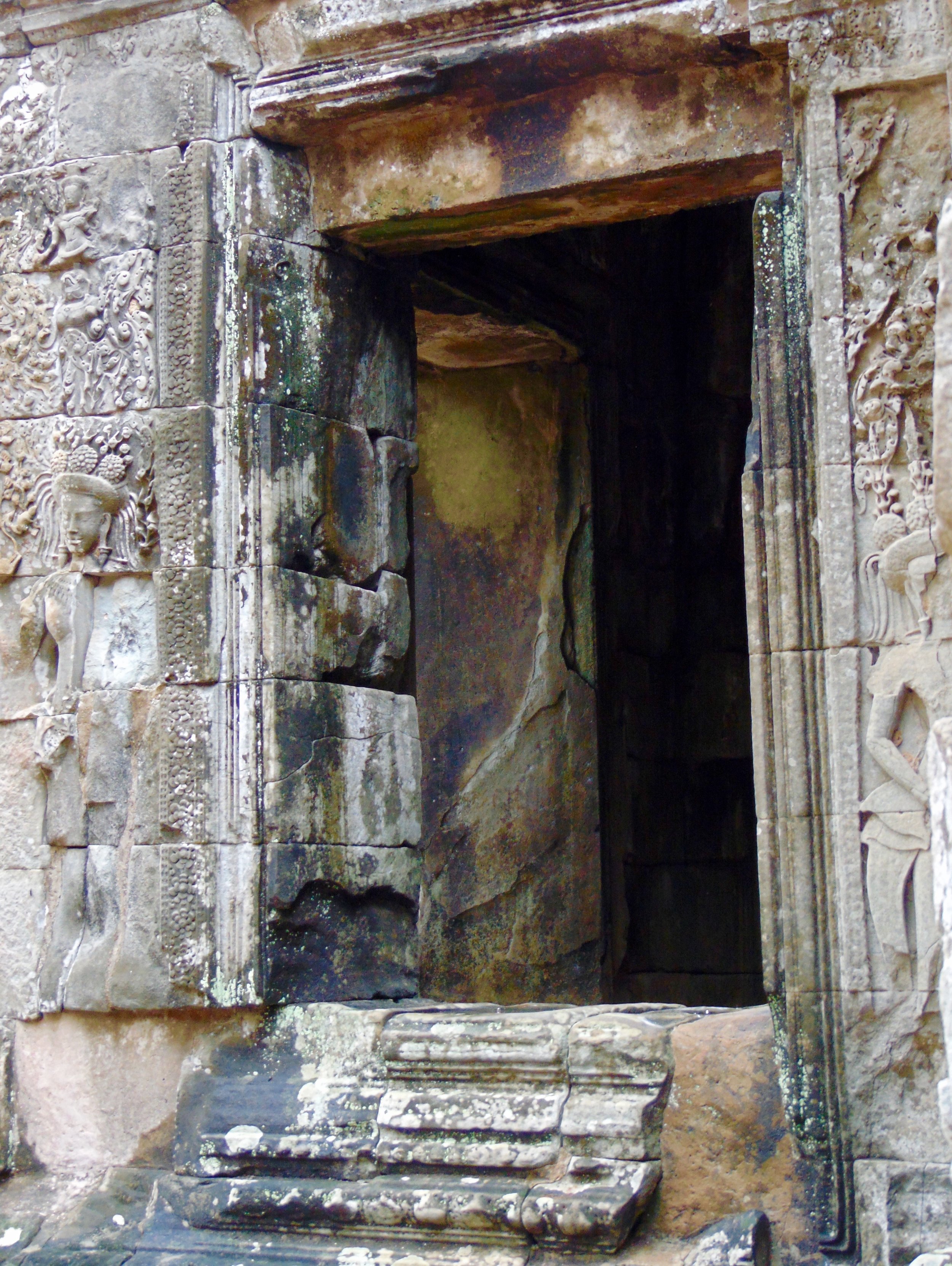
The Bayon, within the Angkor Wat. Courtesy of SKH, 2001

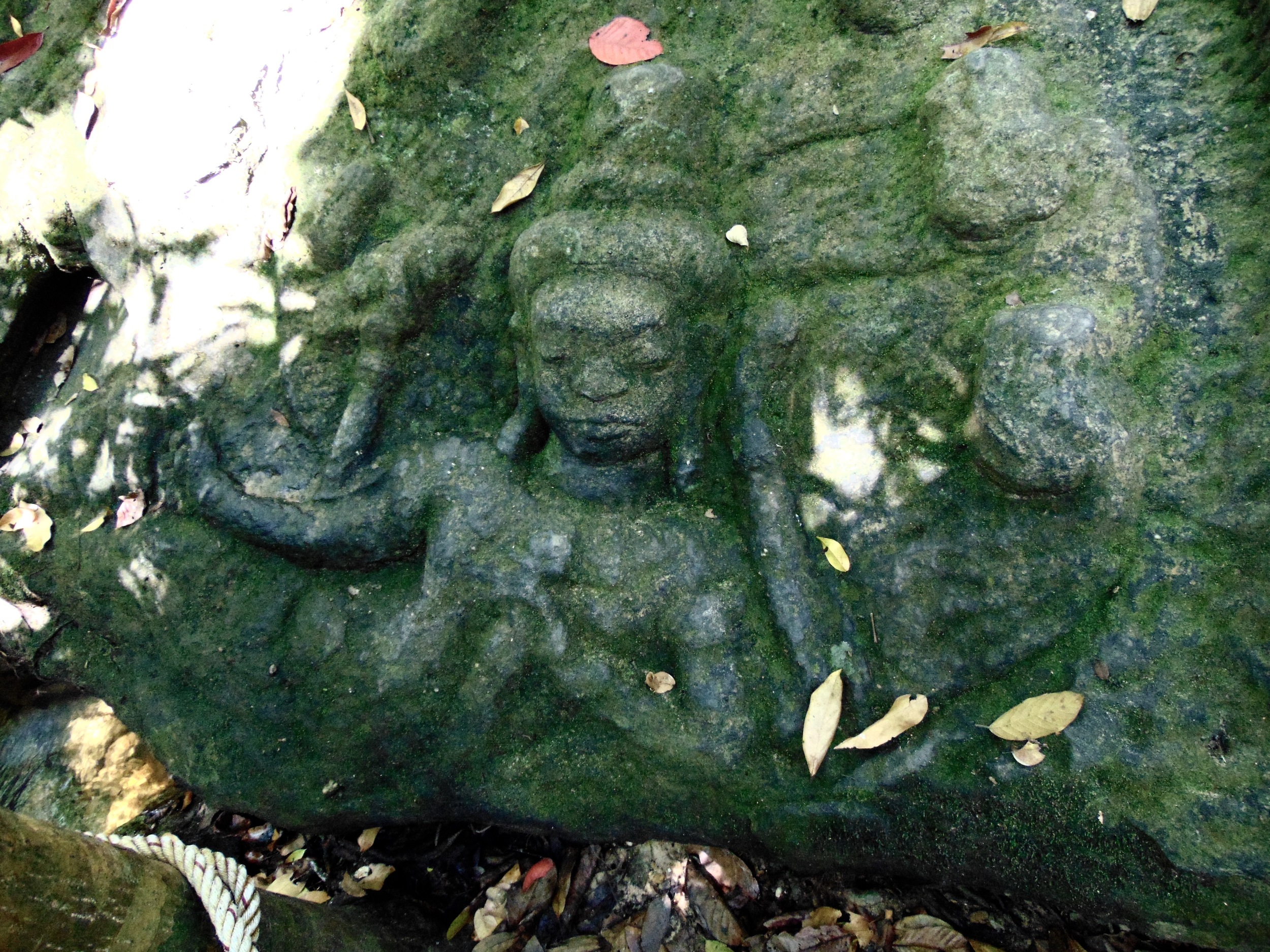
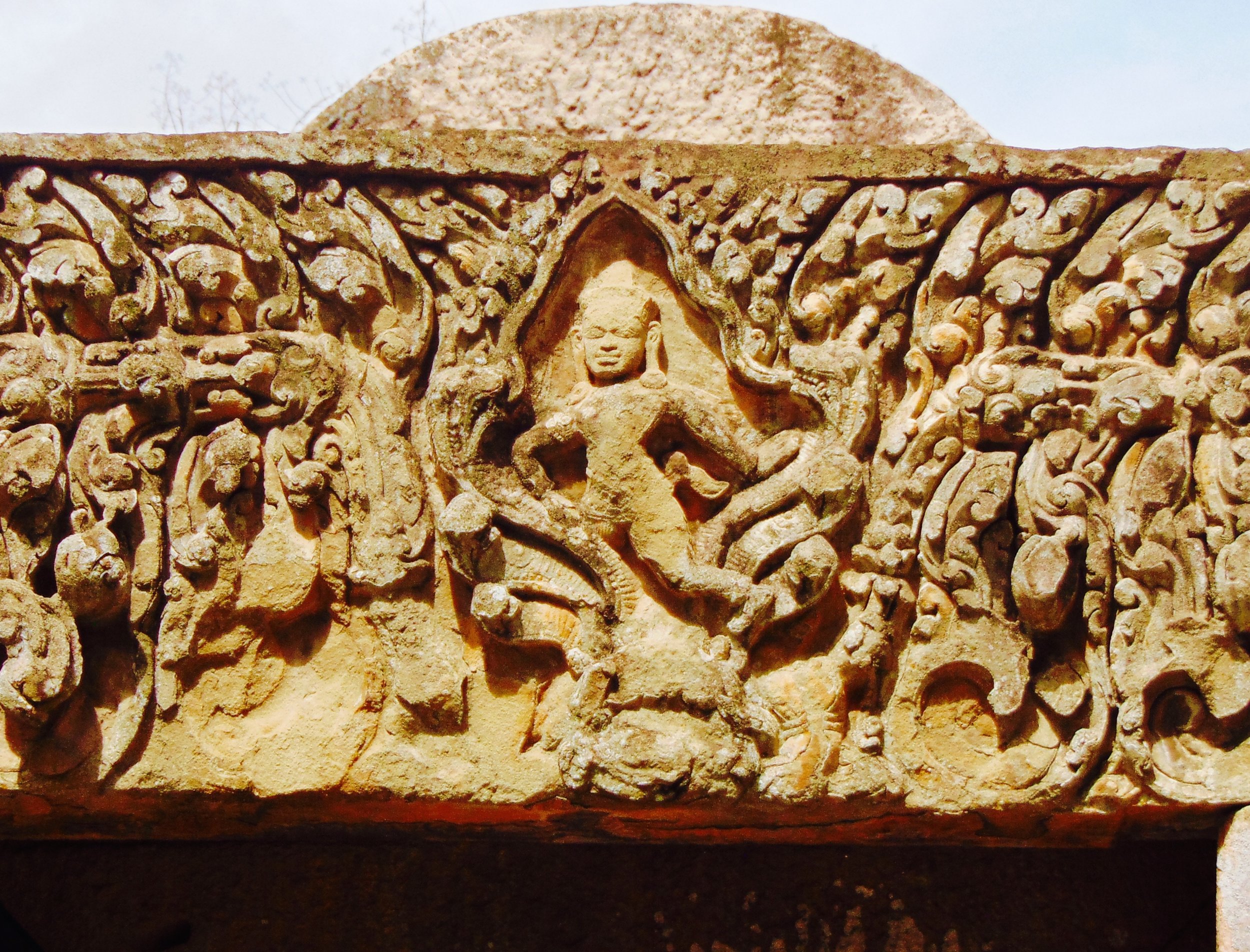
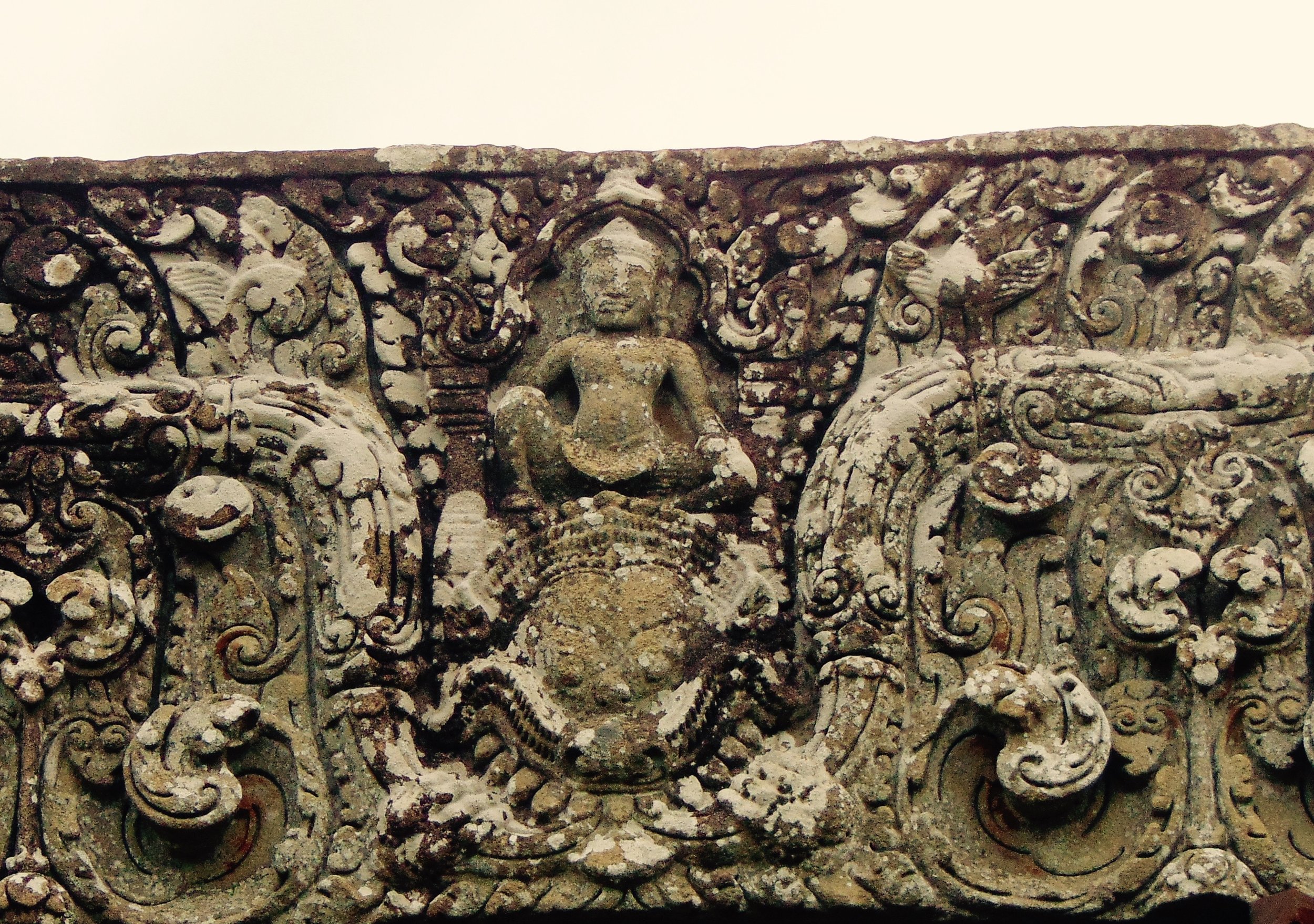
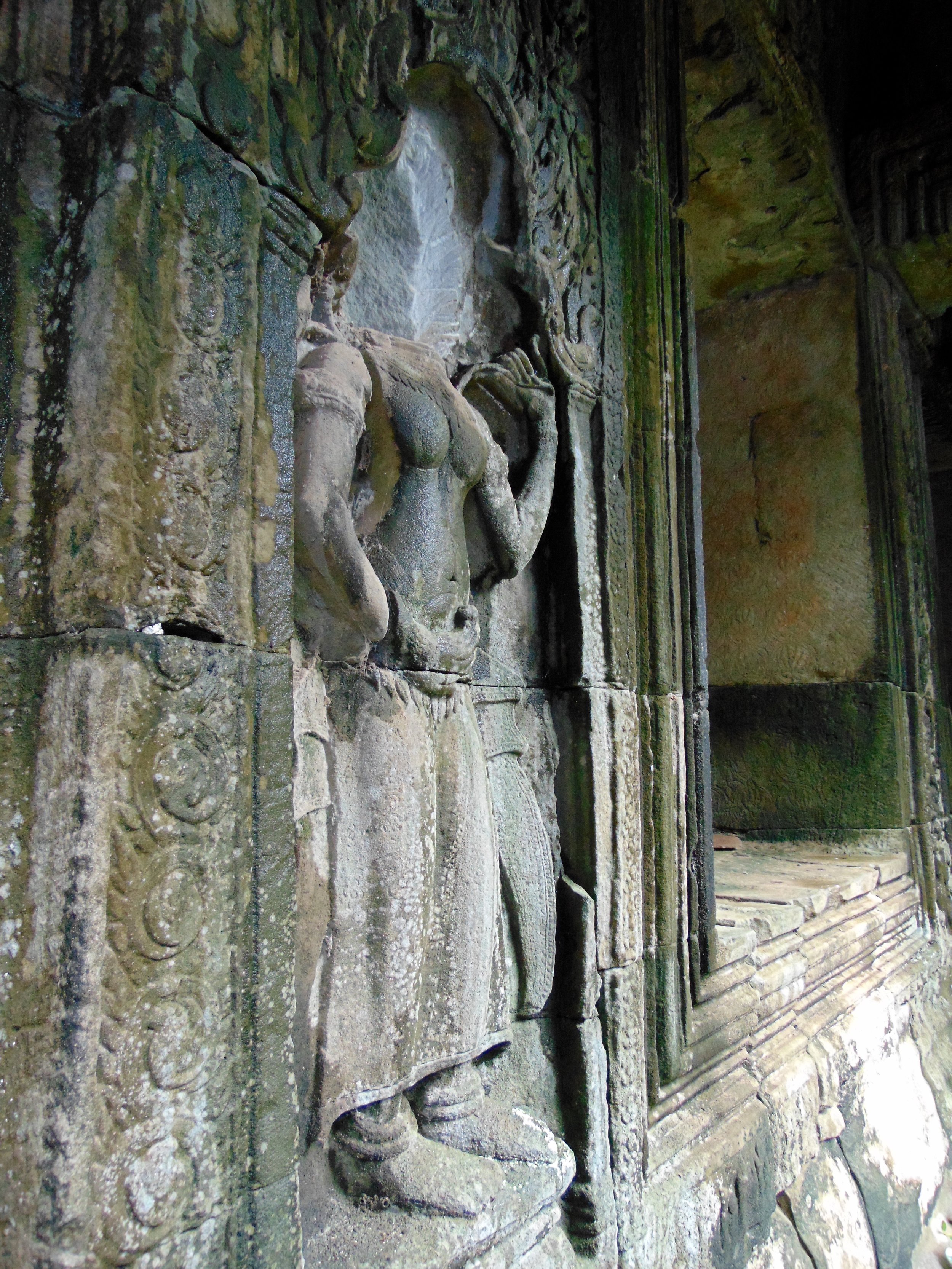
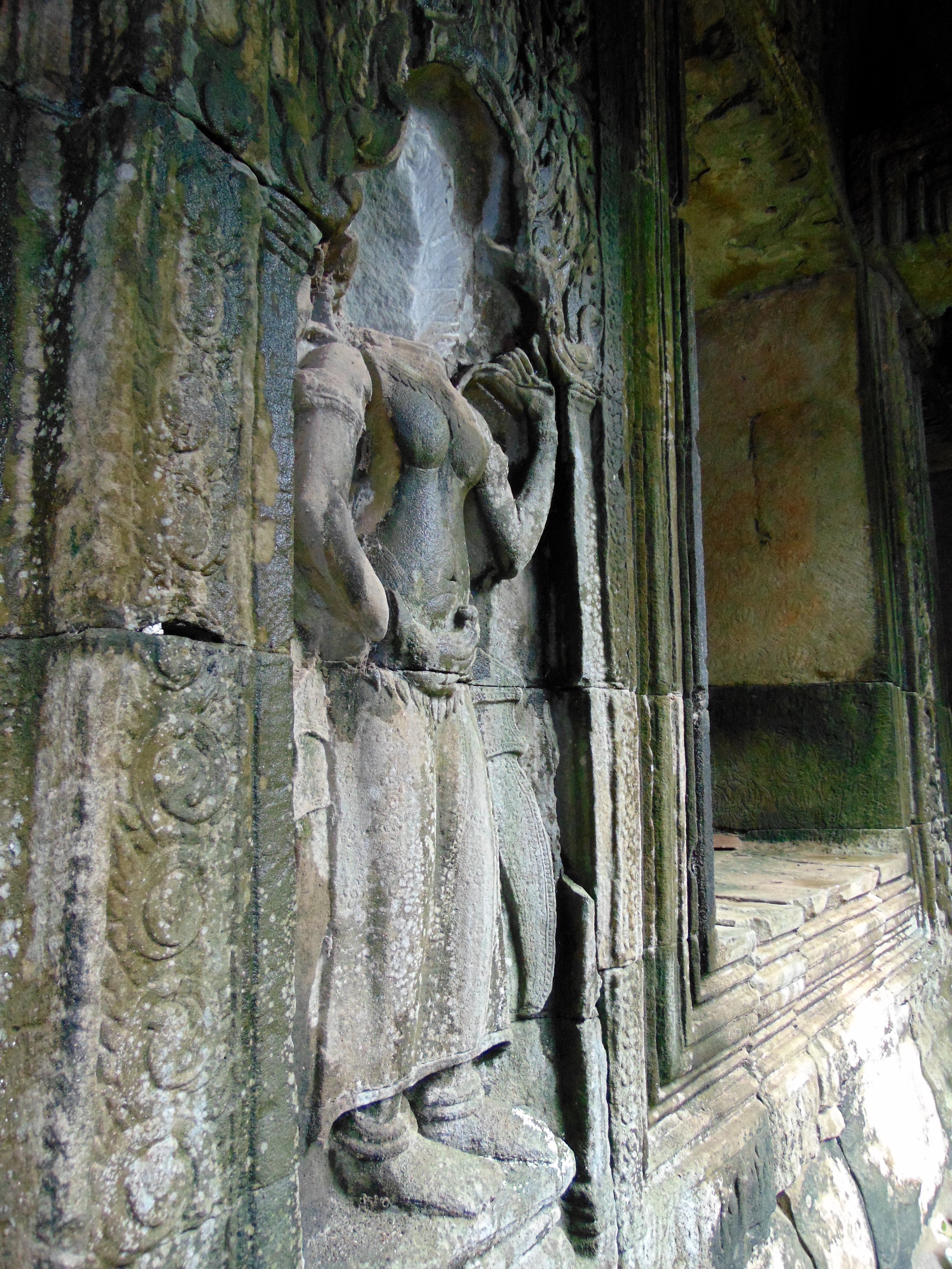
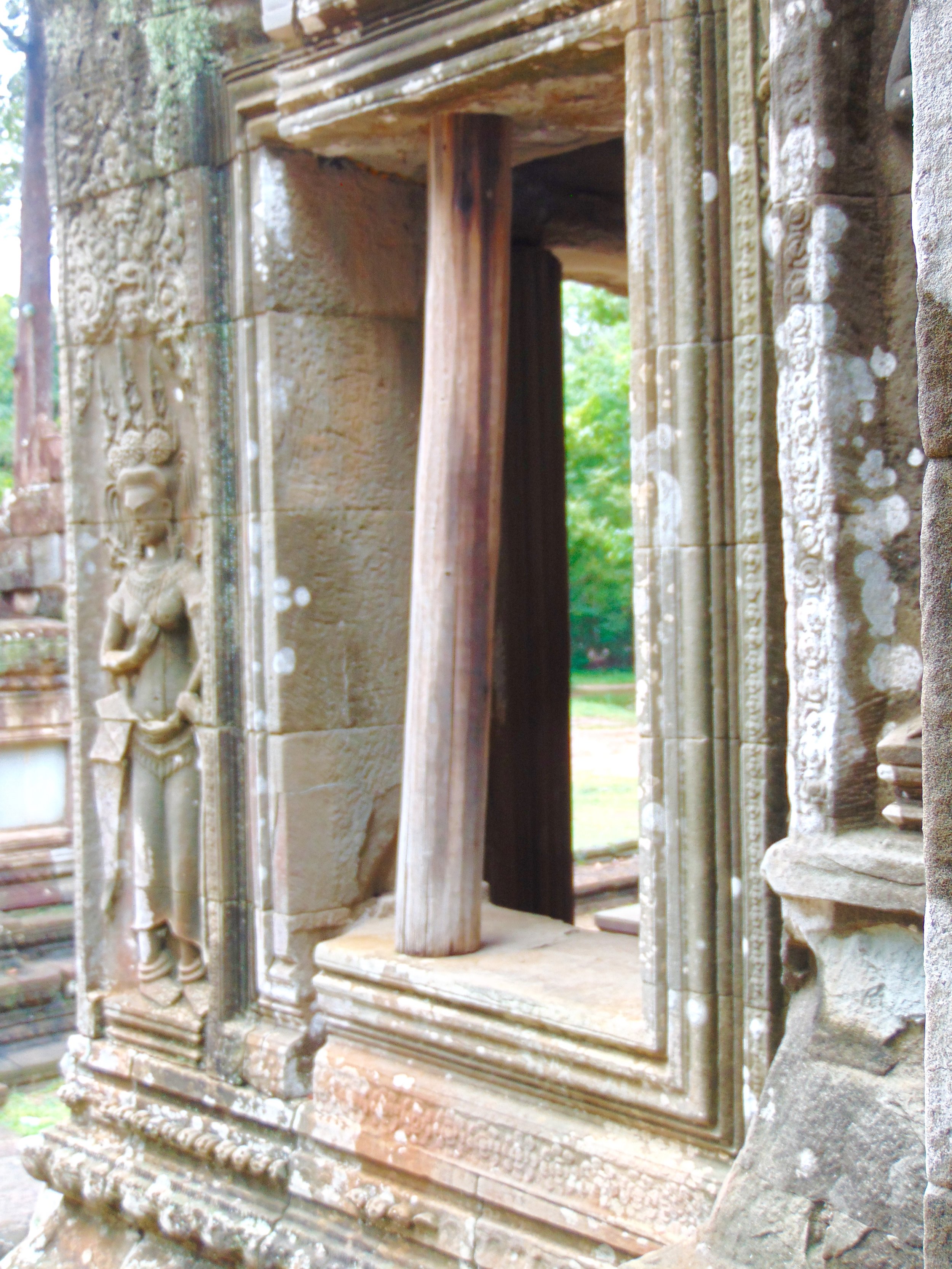
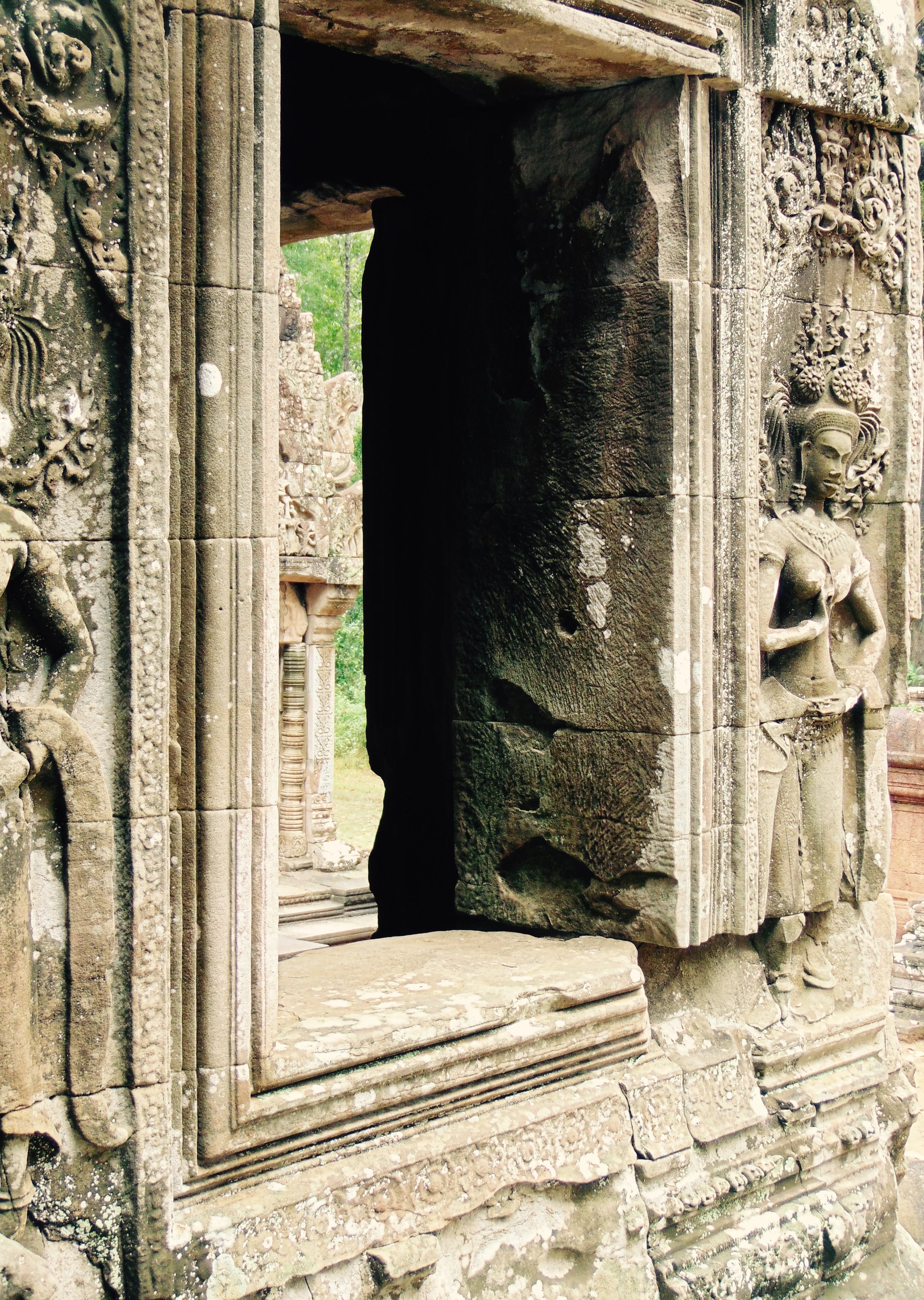
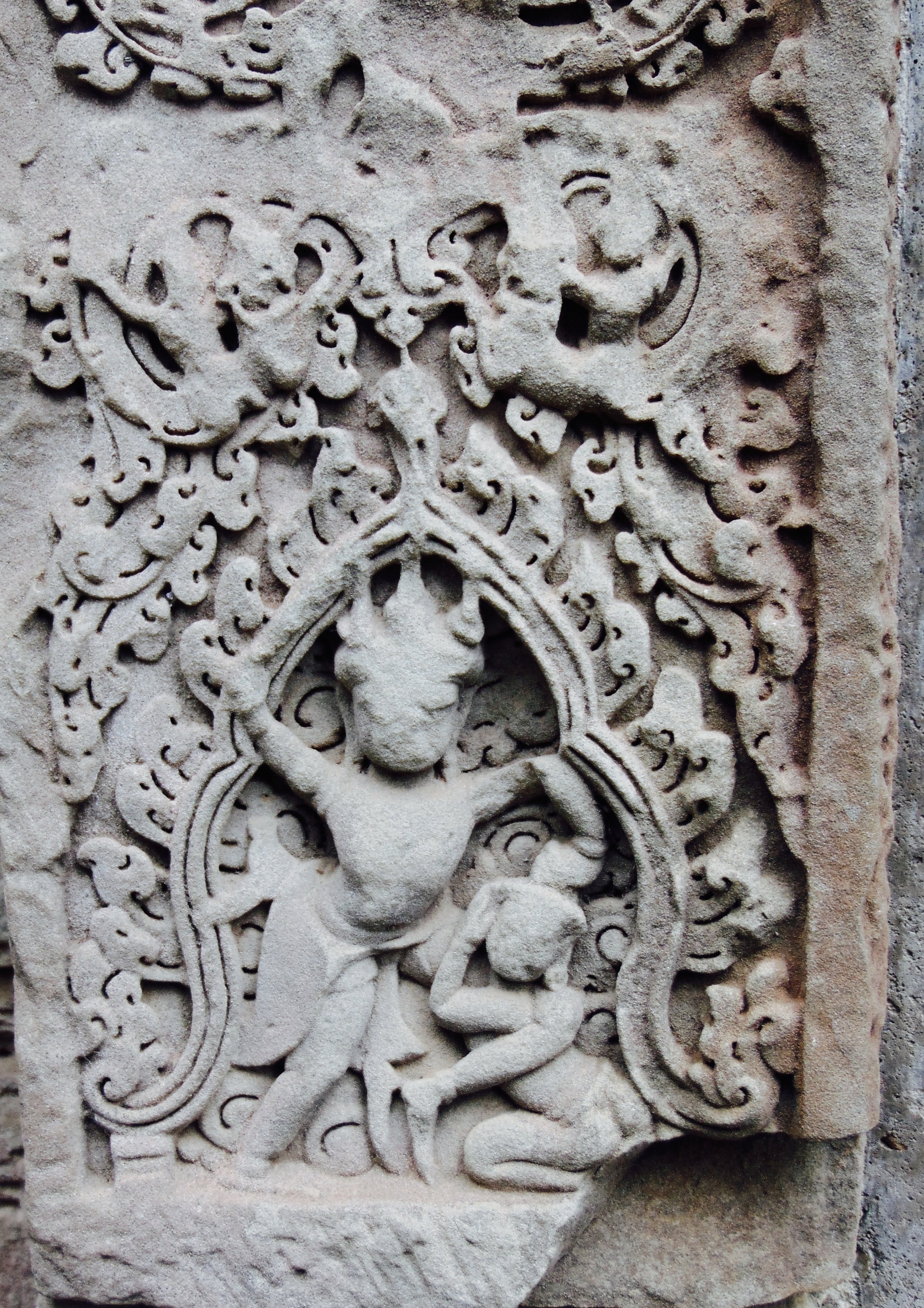
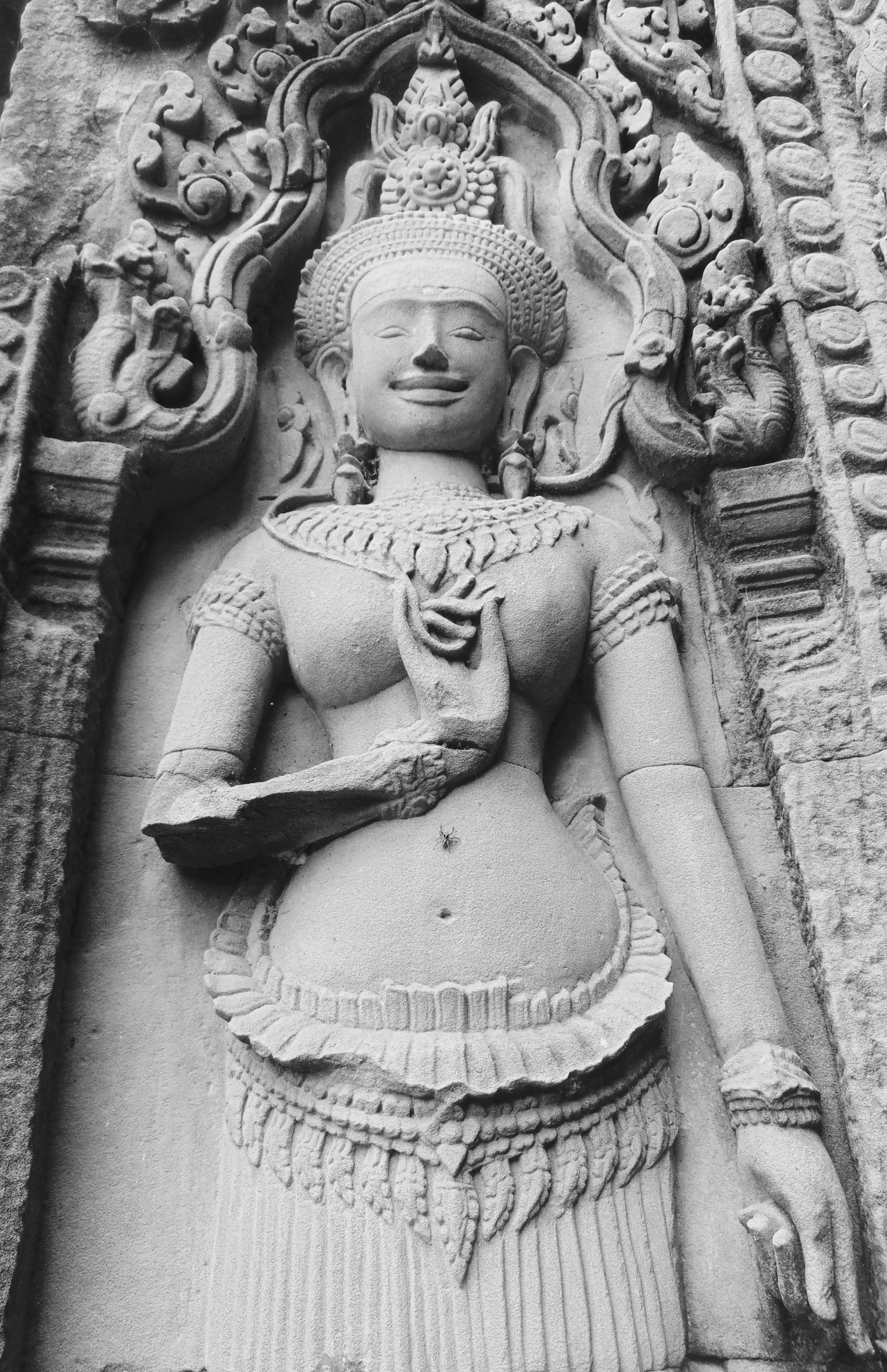
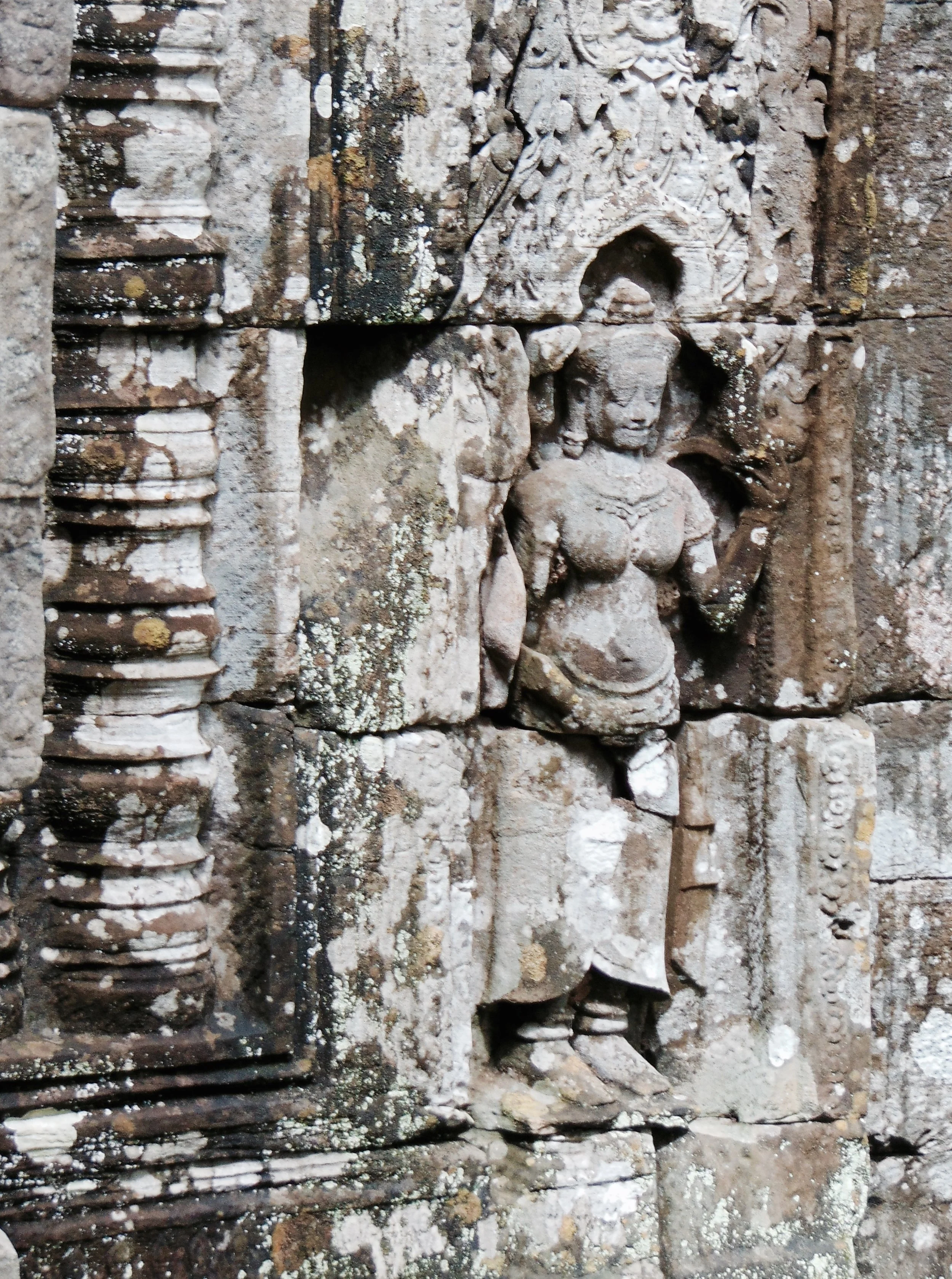
Image of an Apsara in the Angkor temple complex, Image courtesy of SKH, 2001.

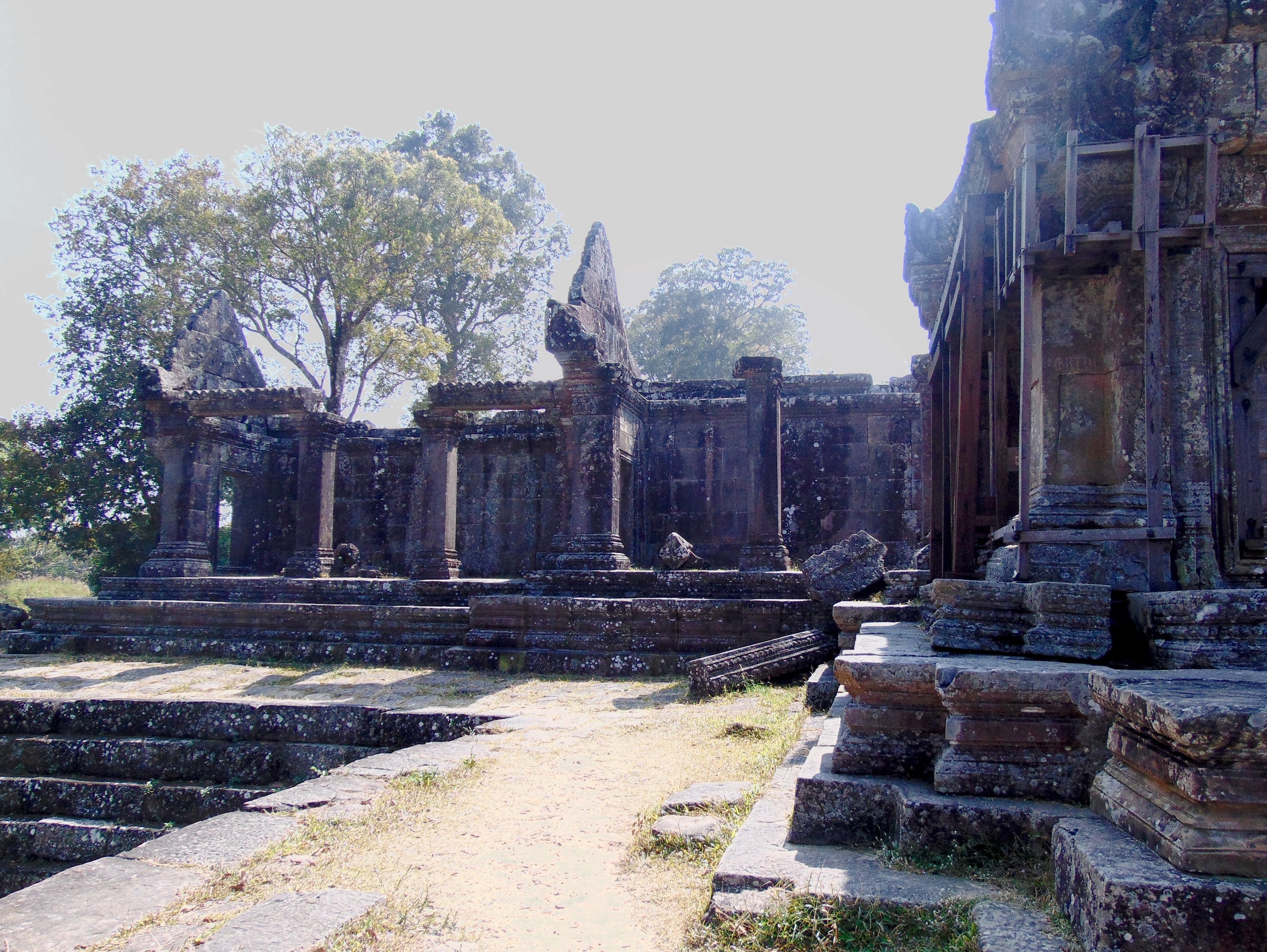
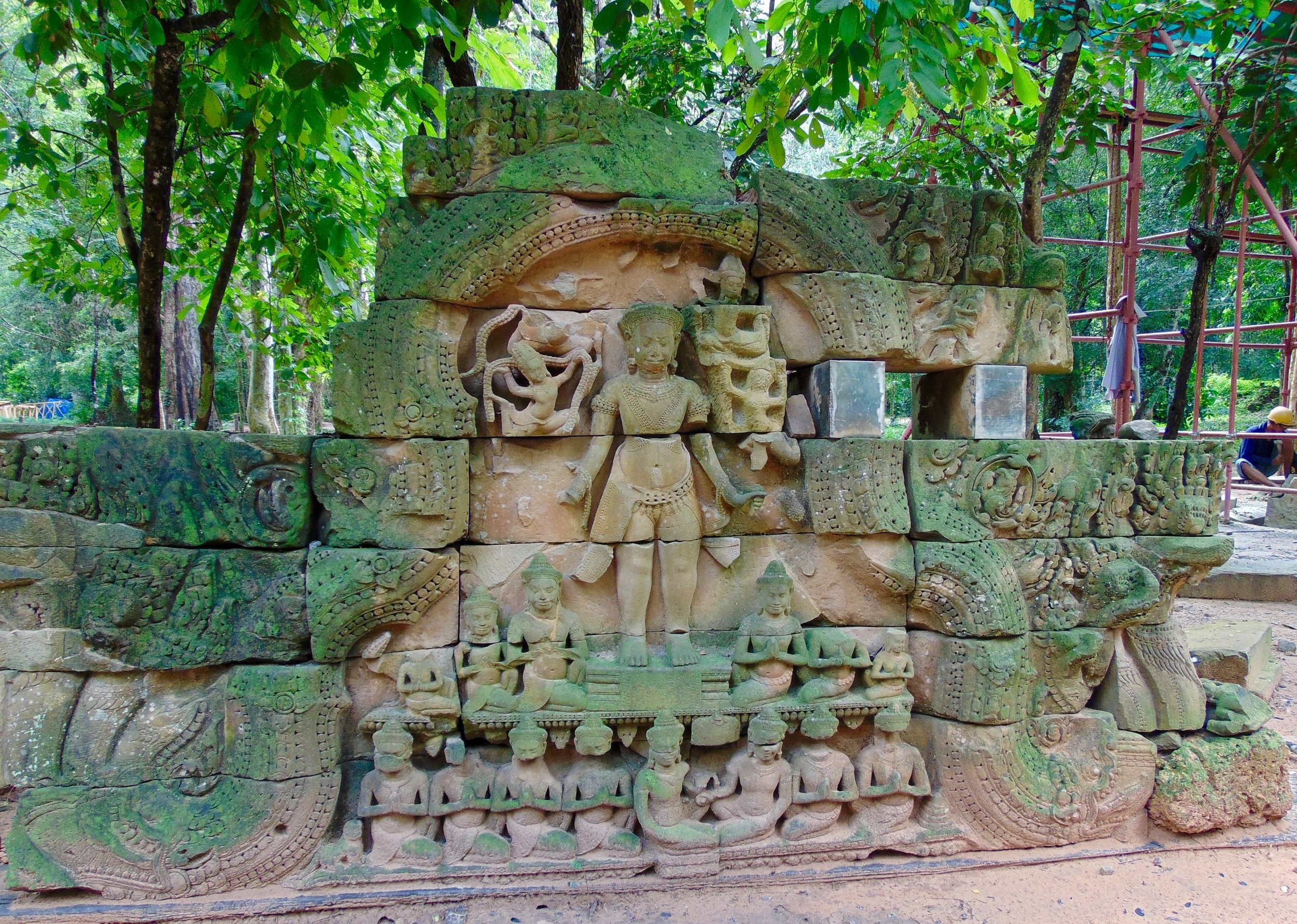
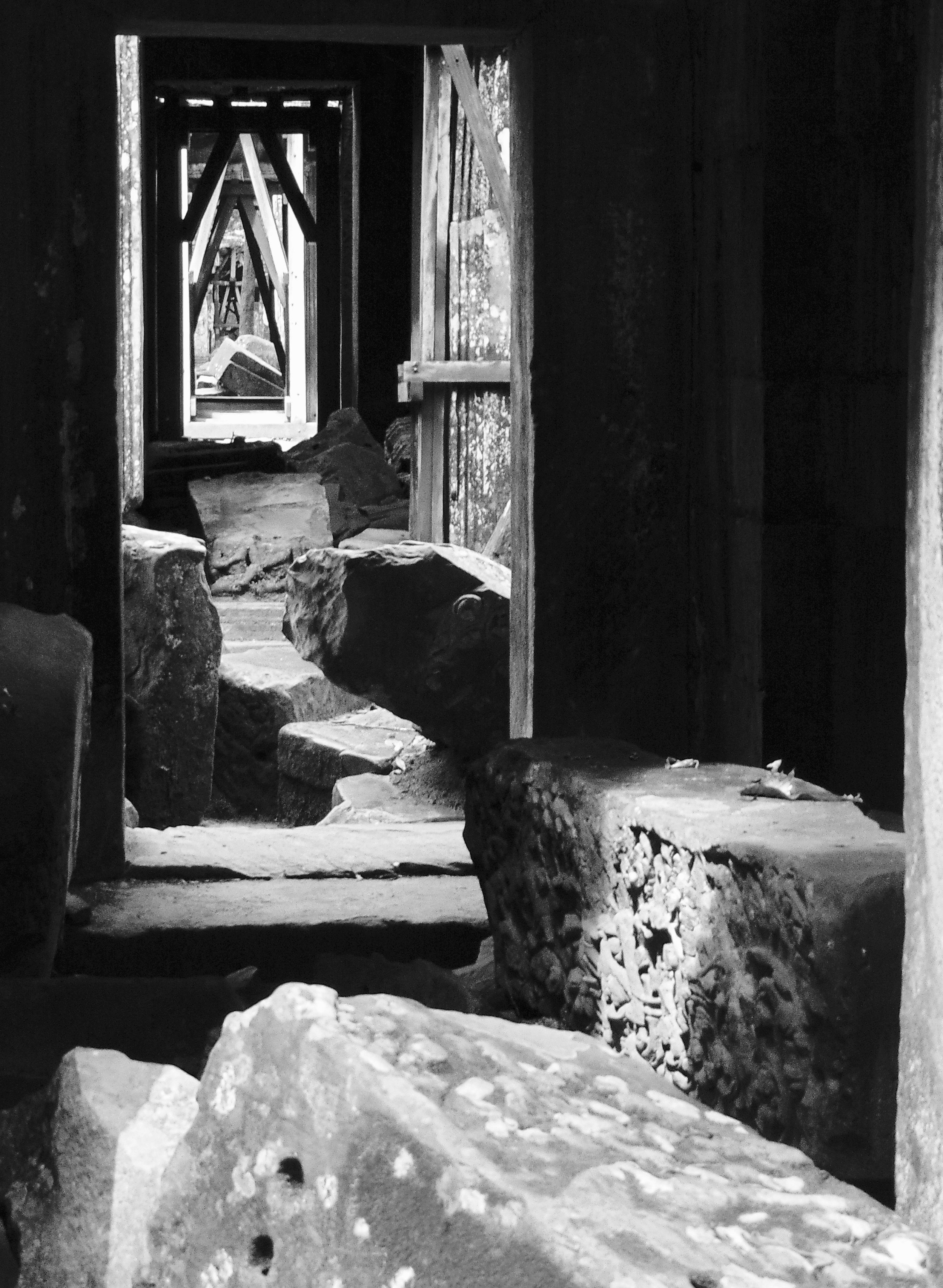
Image of temple conservation ongoing within the site. Courtesy of Francesco Bandarin, UNESCO.

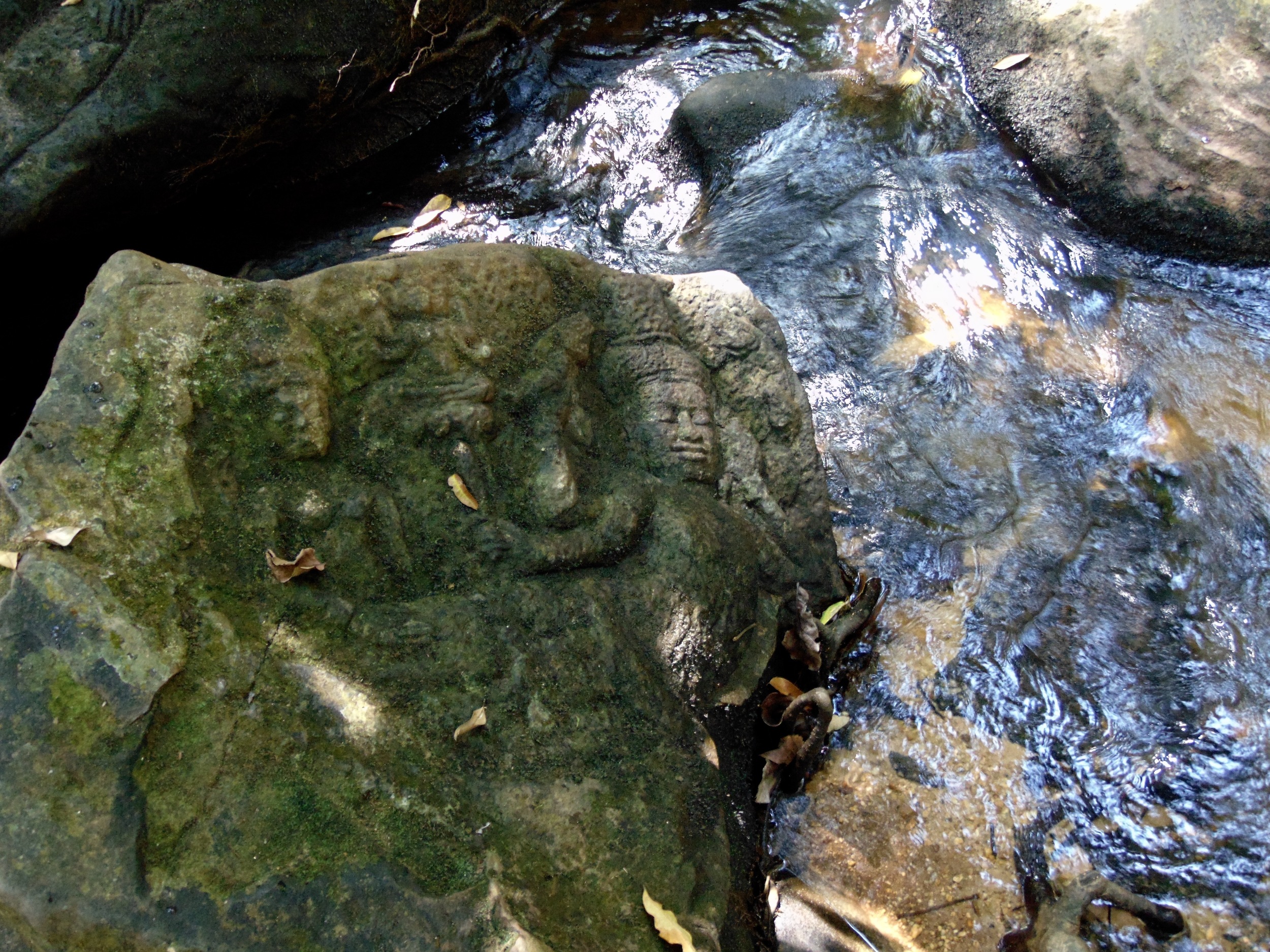
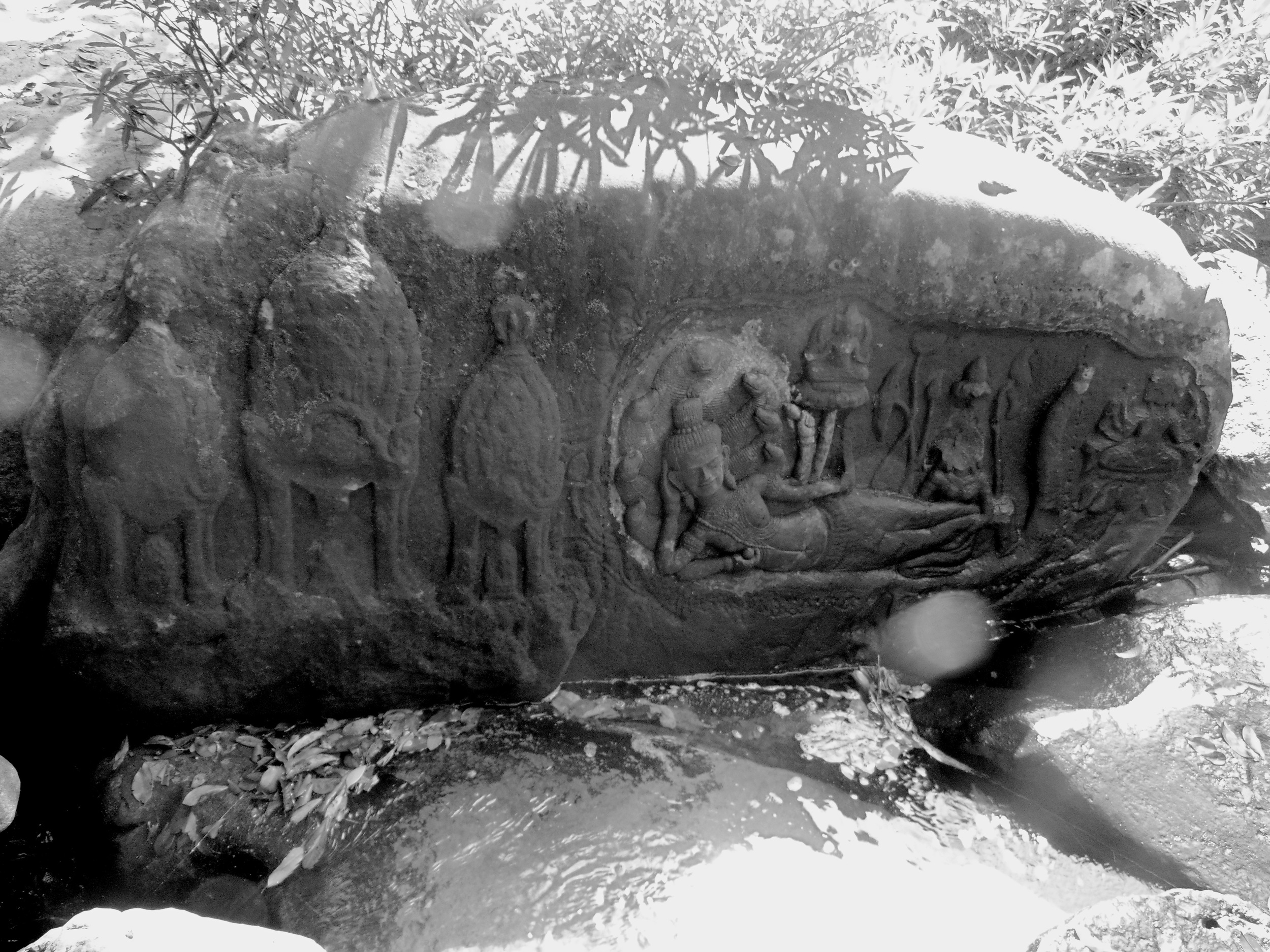
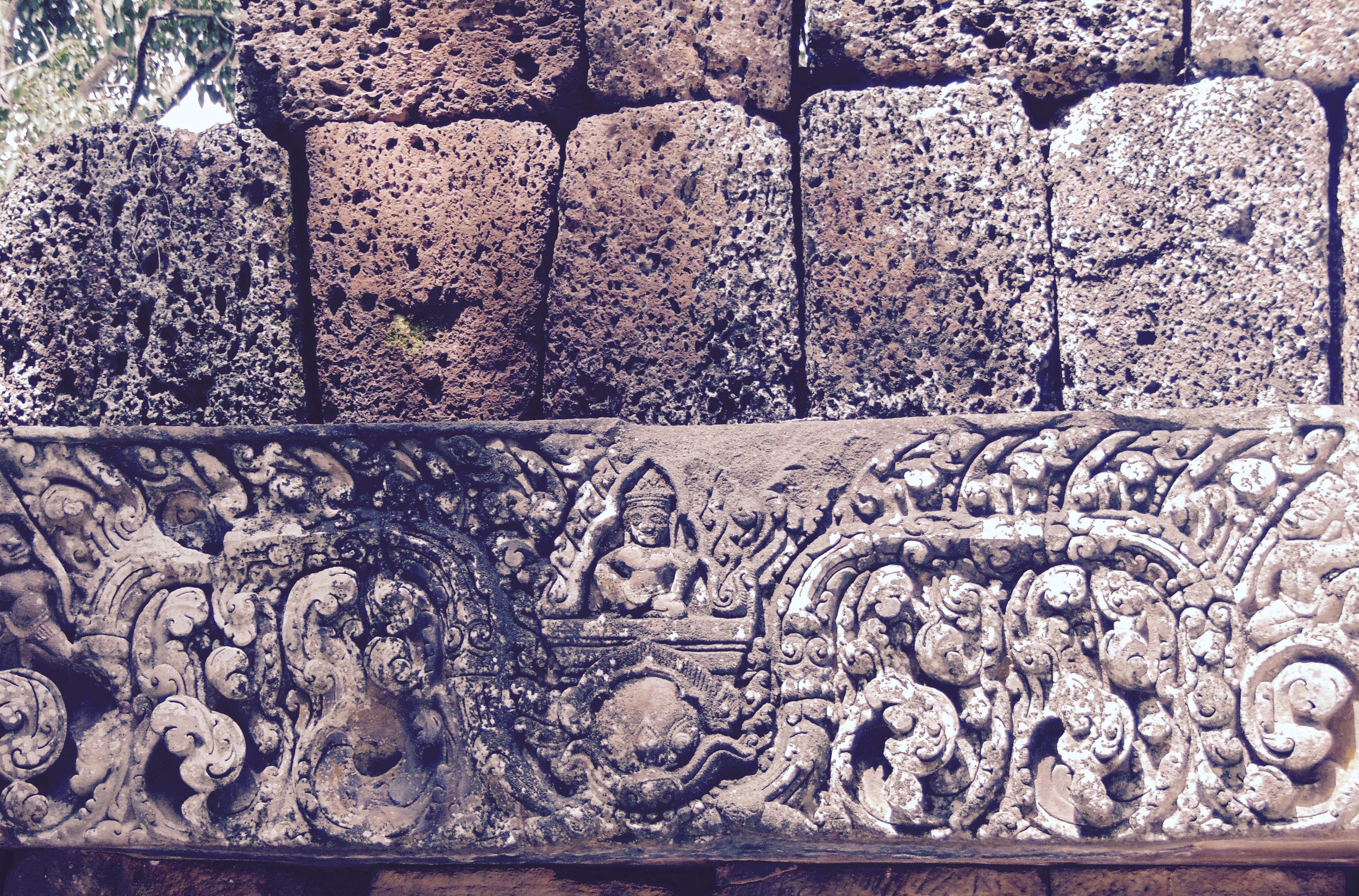
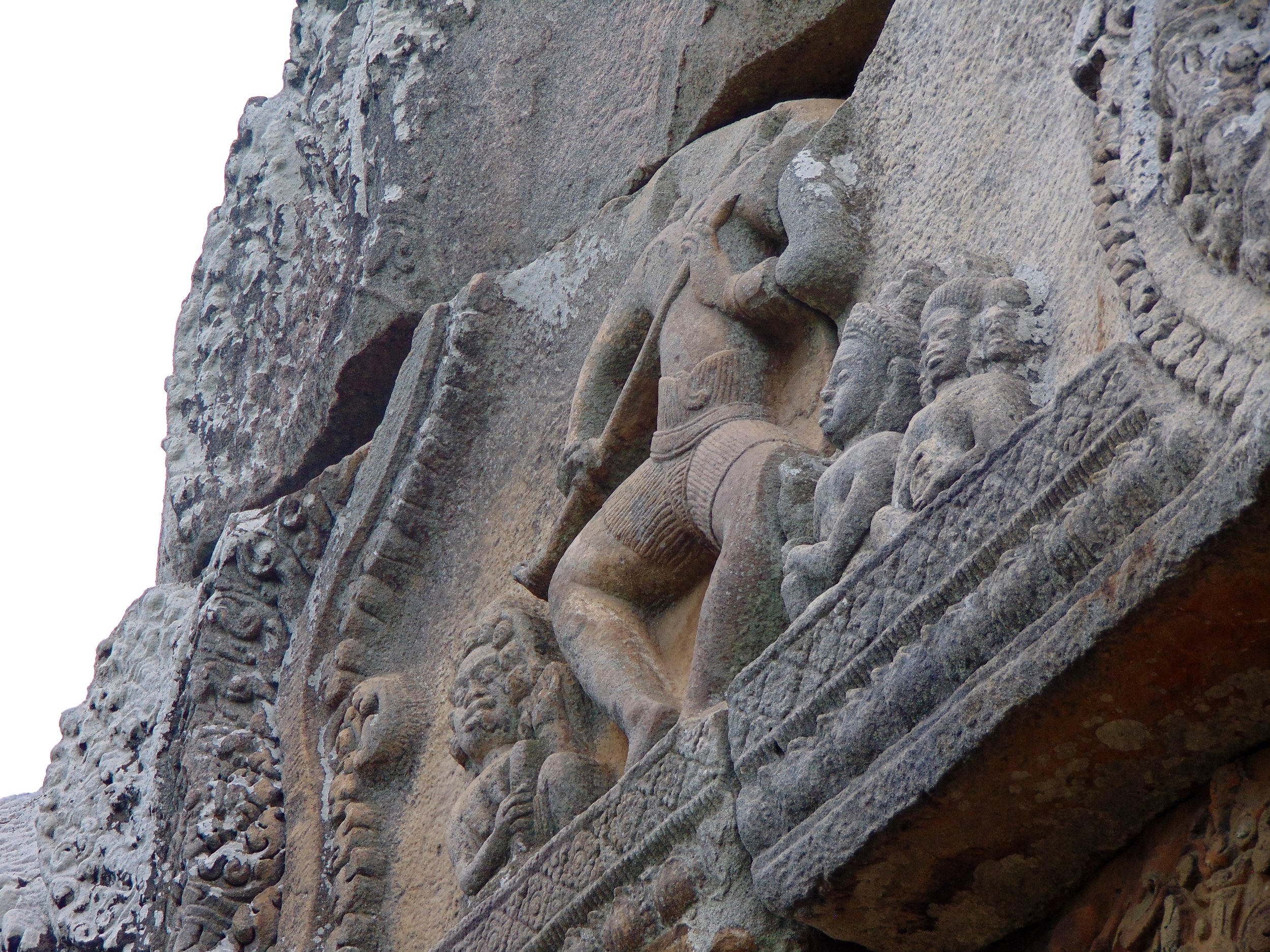
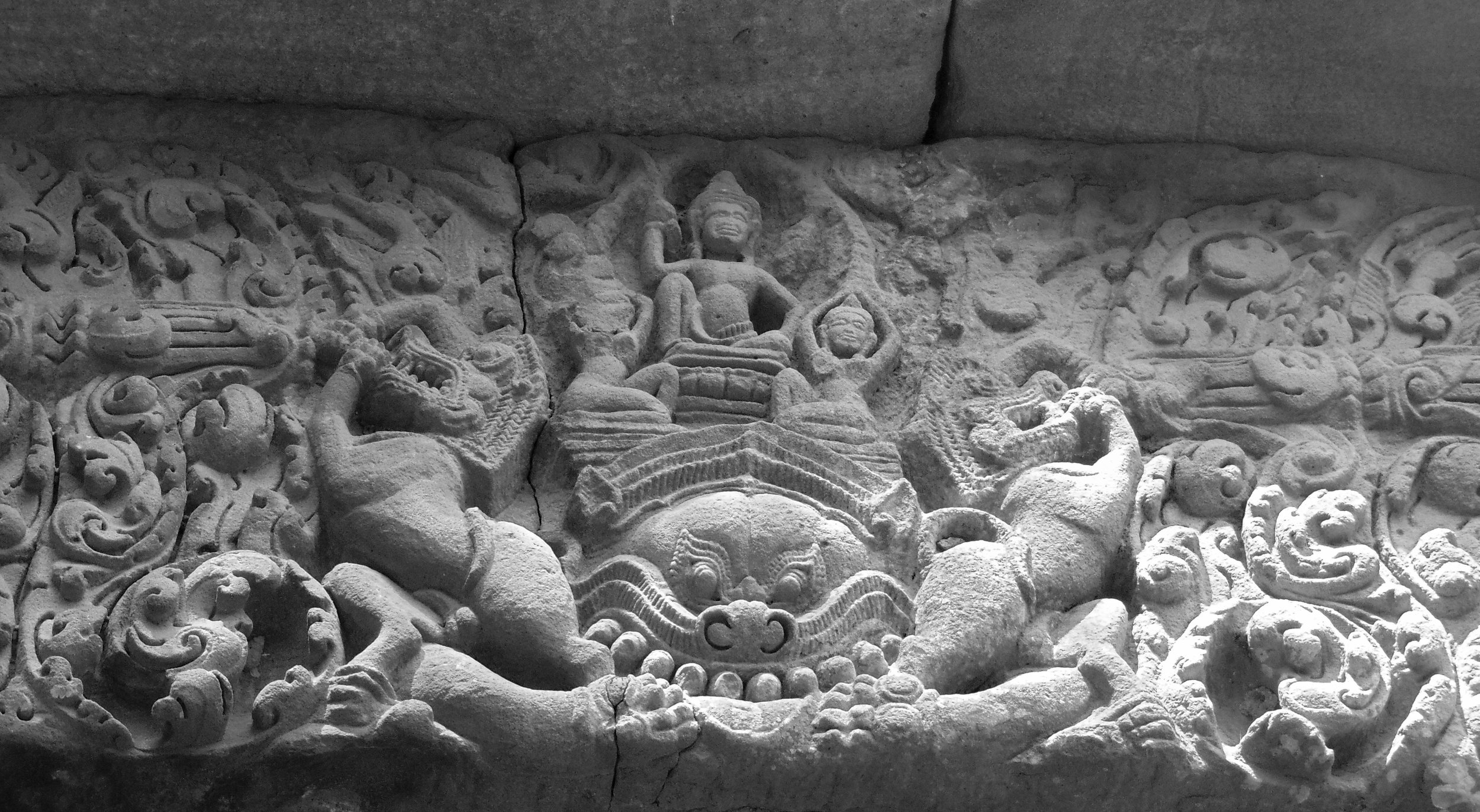
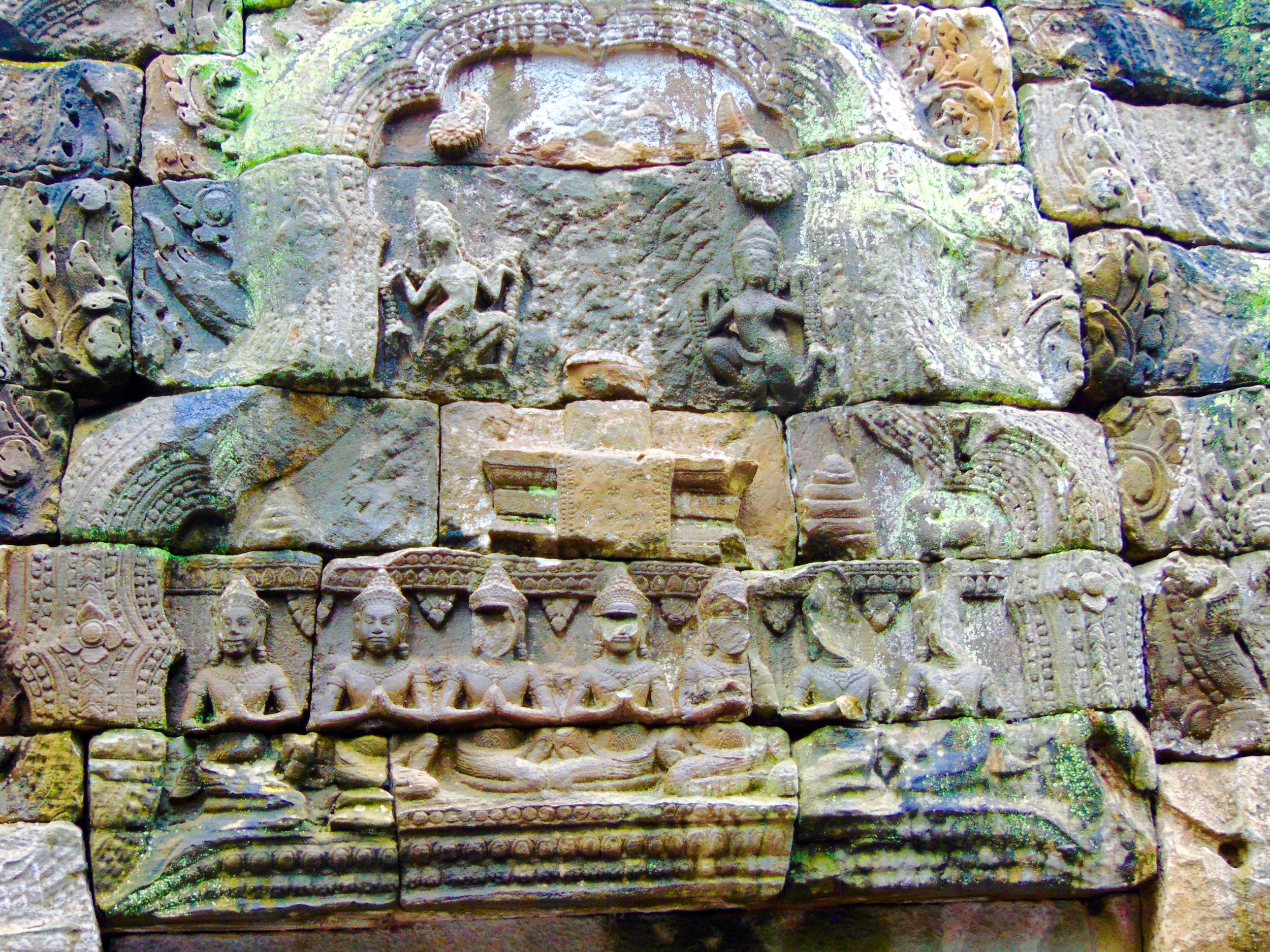
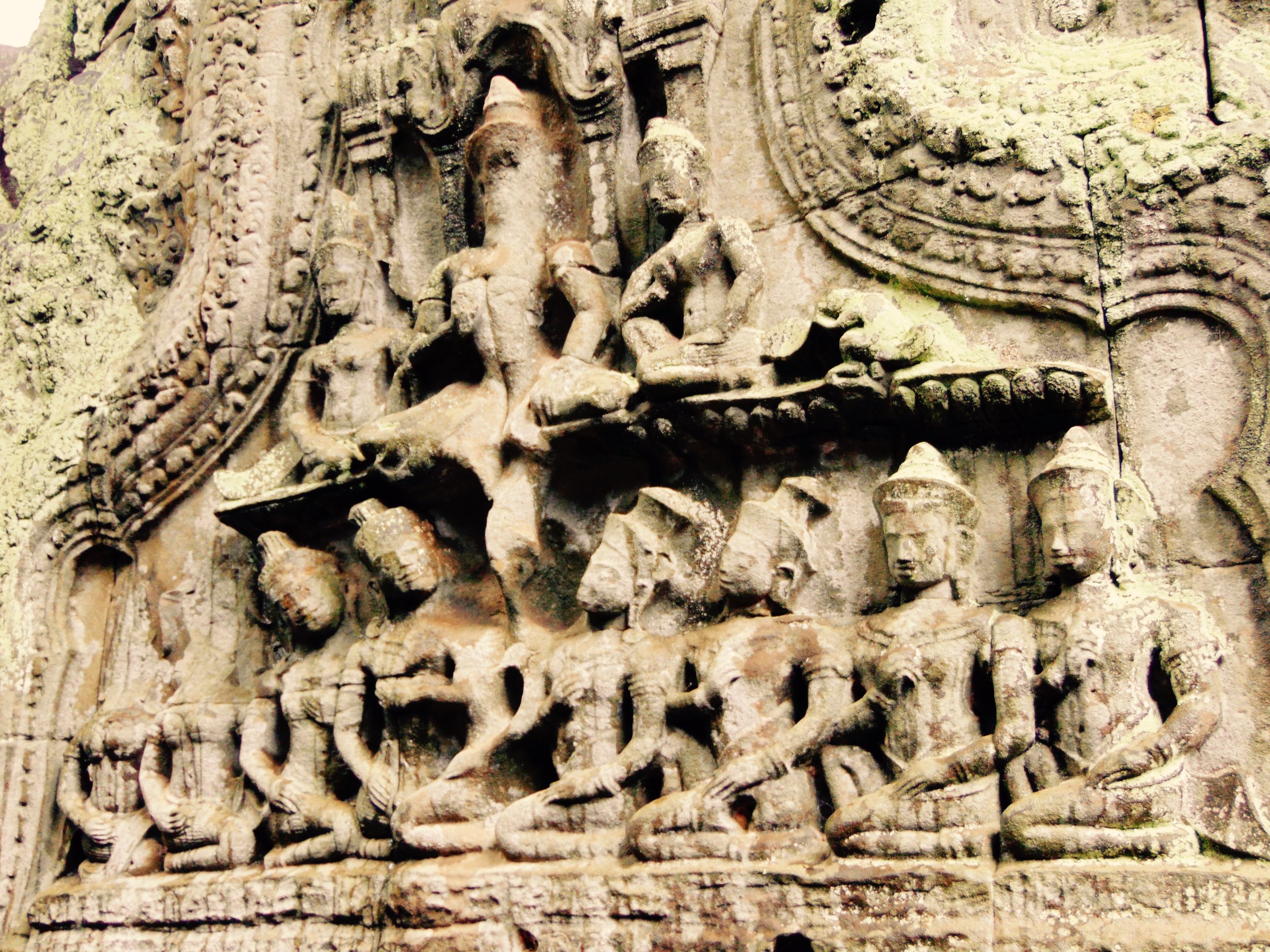
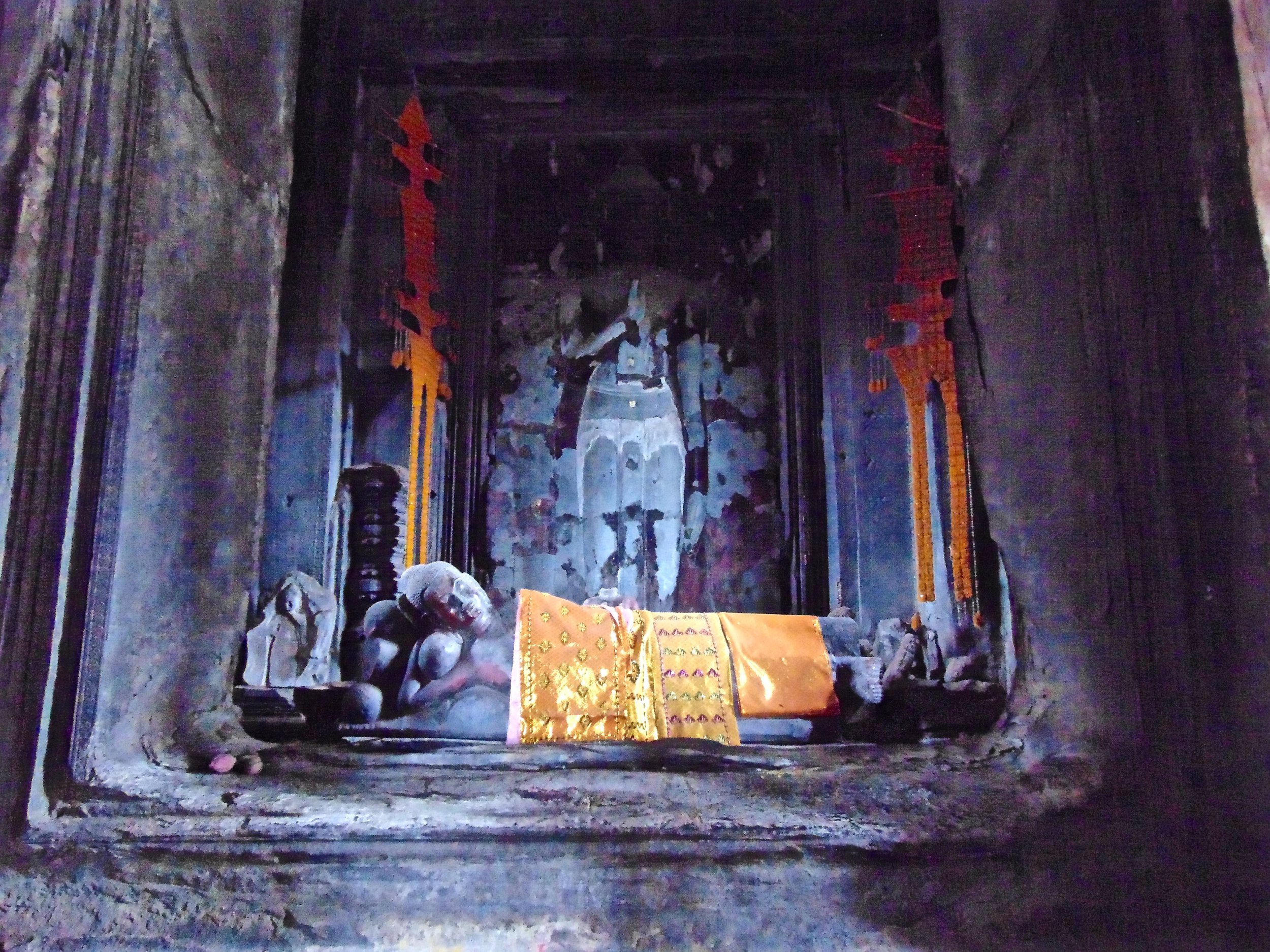
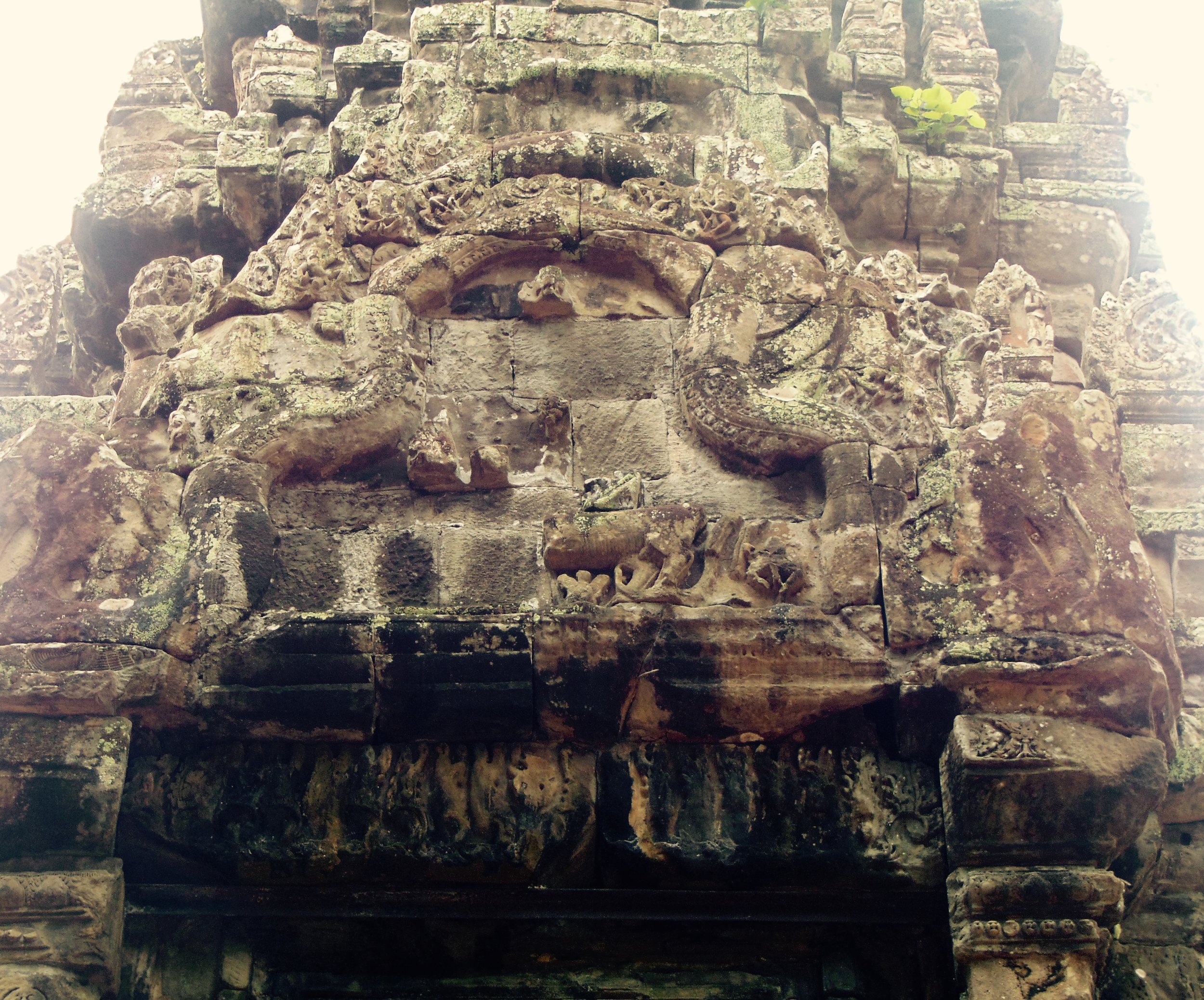
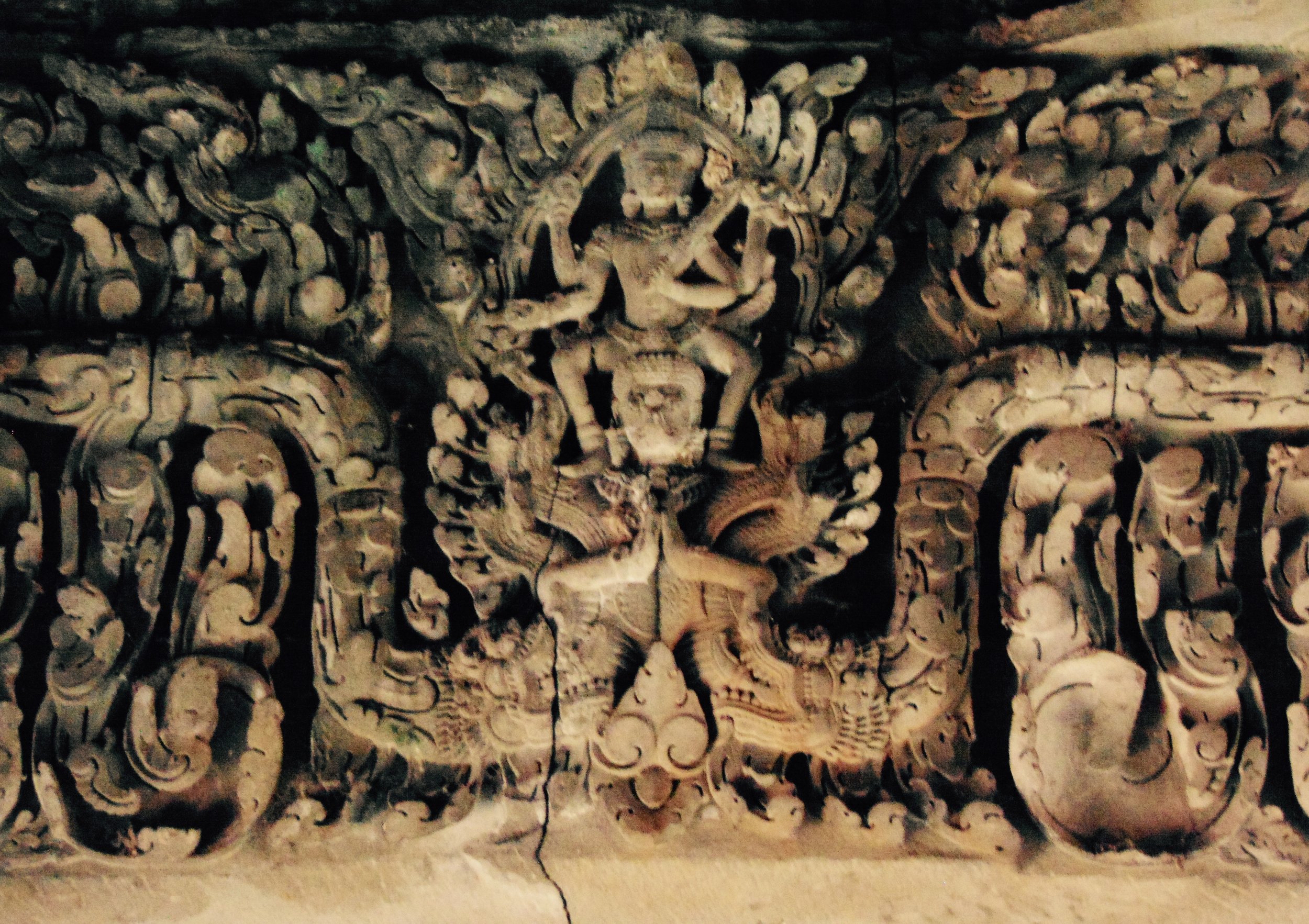
Visnu in Angkor Wat. Courtesy of SKH, 2001.