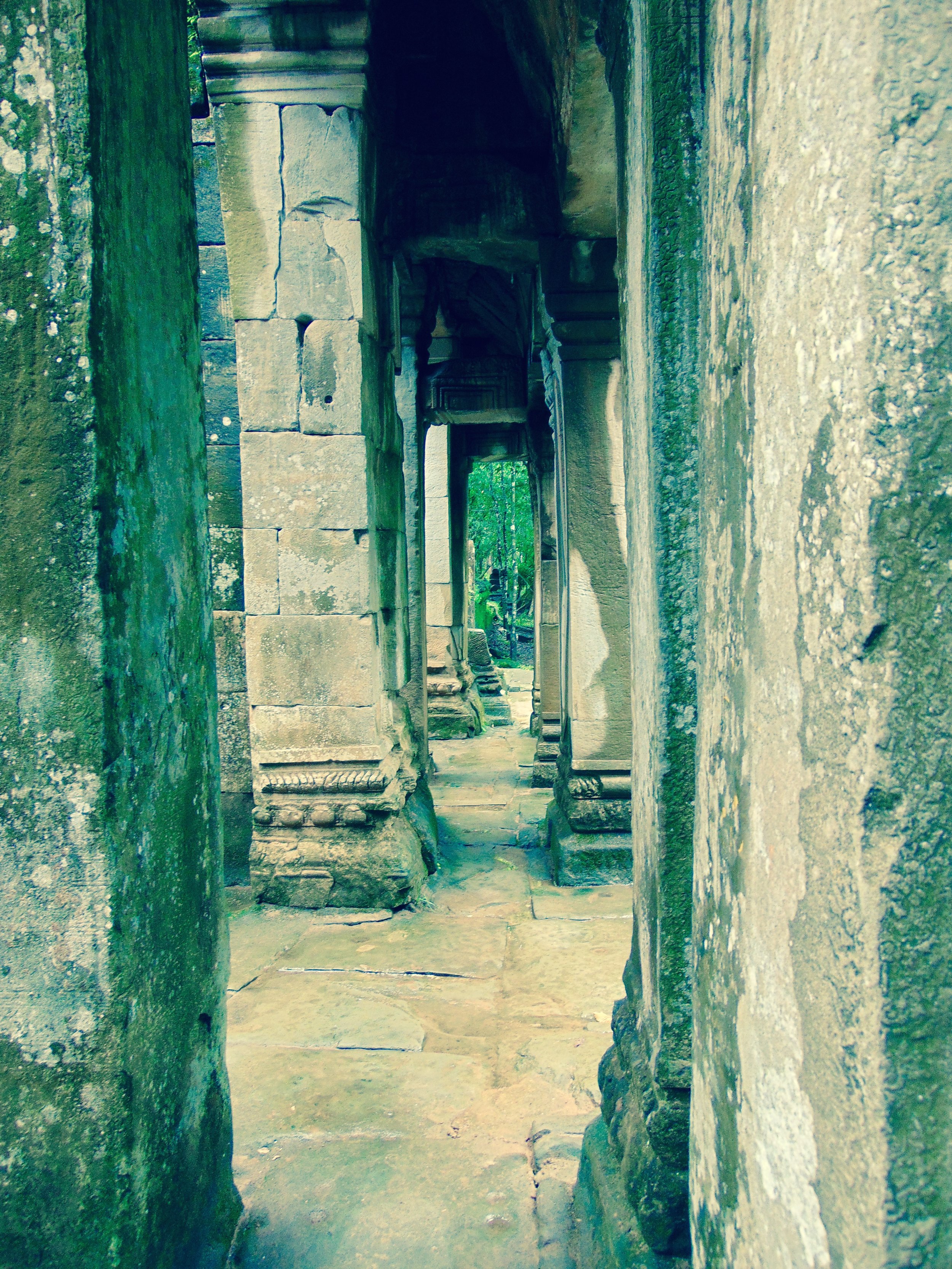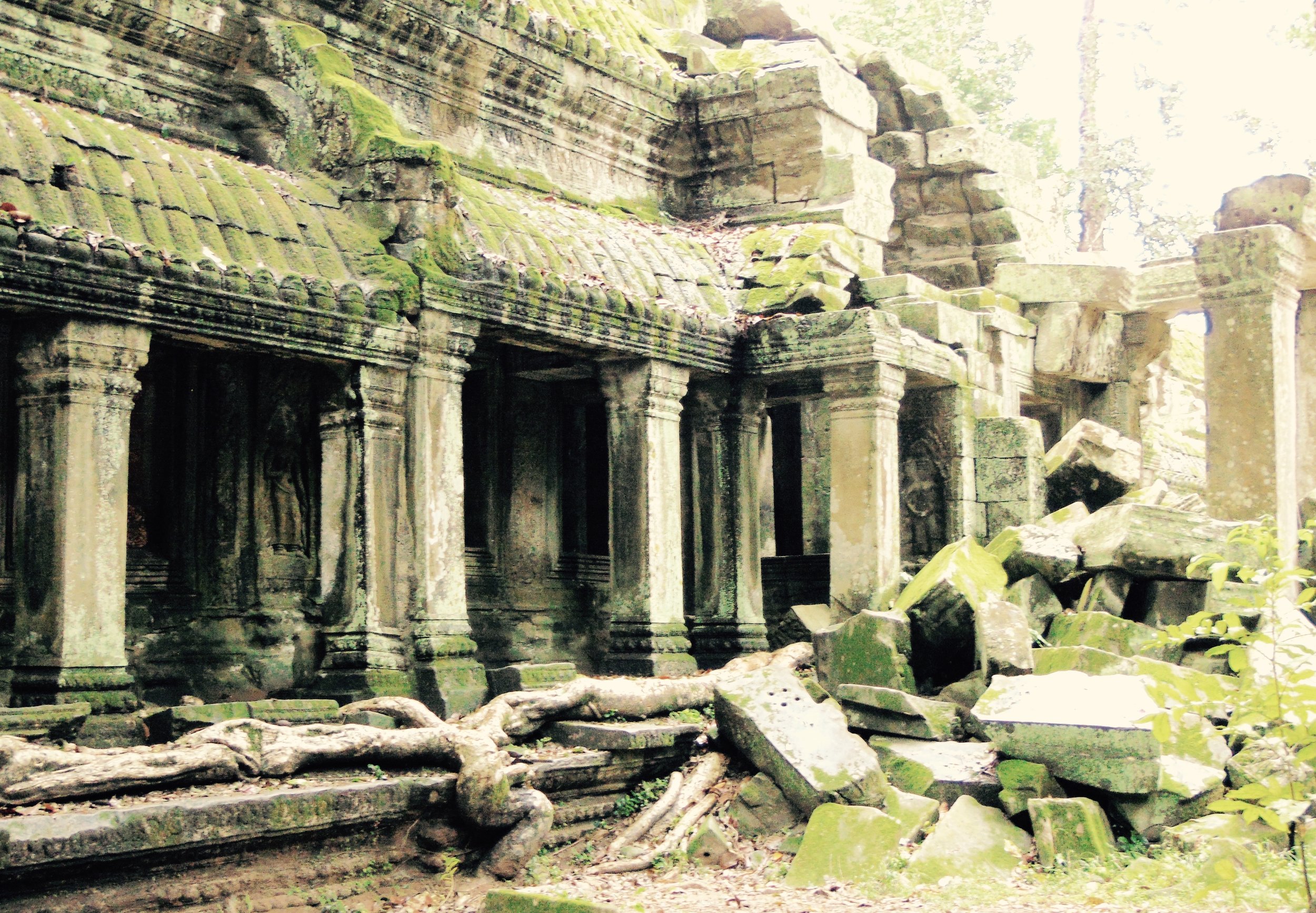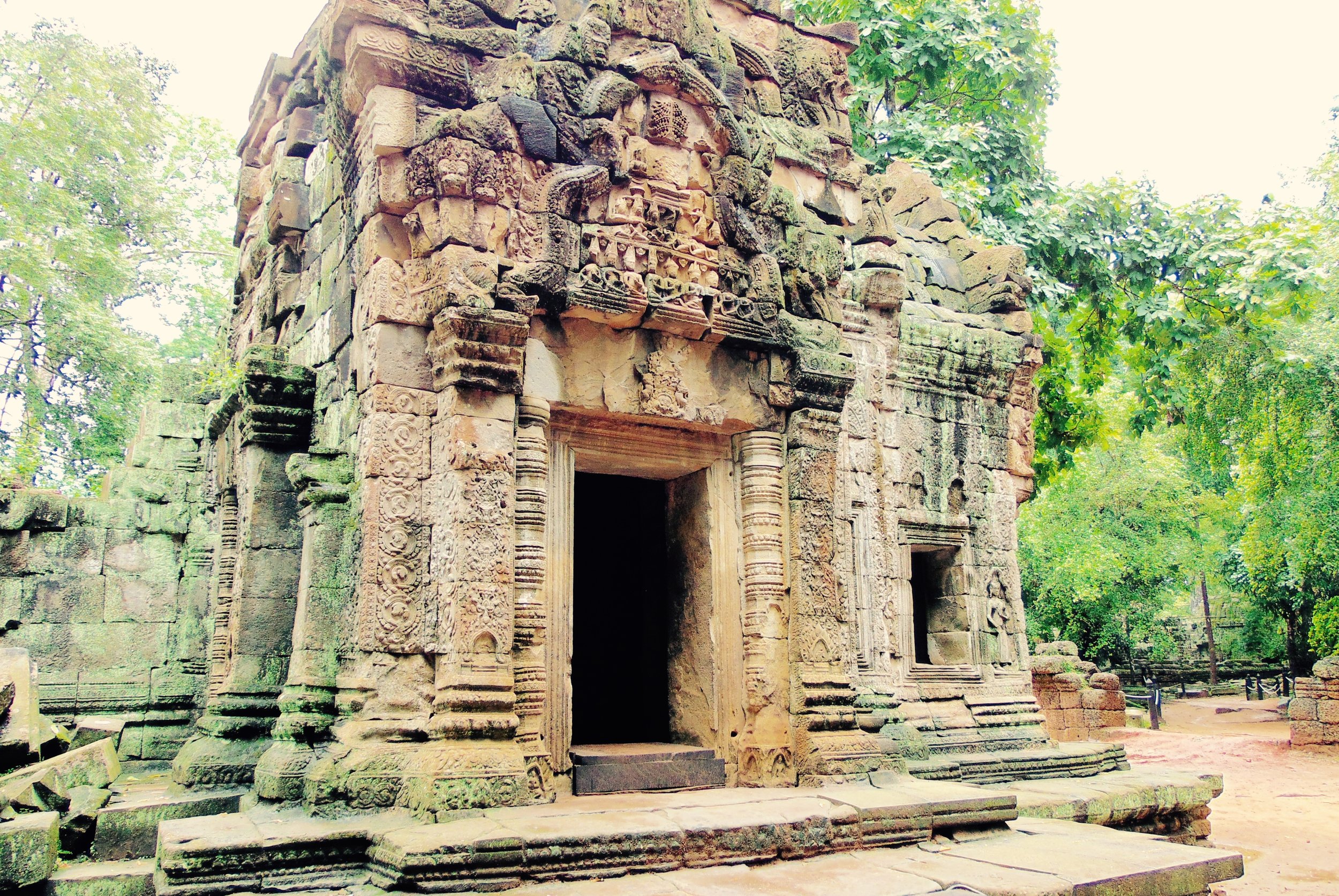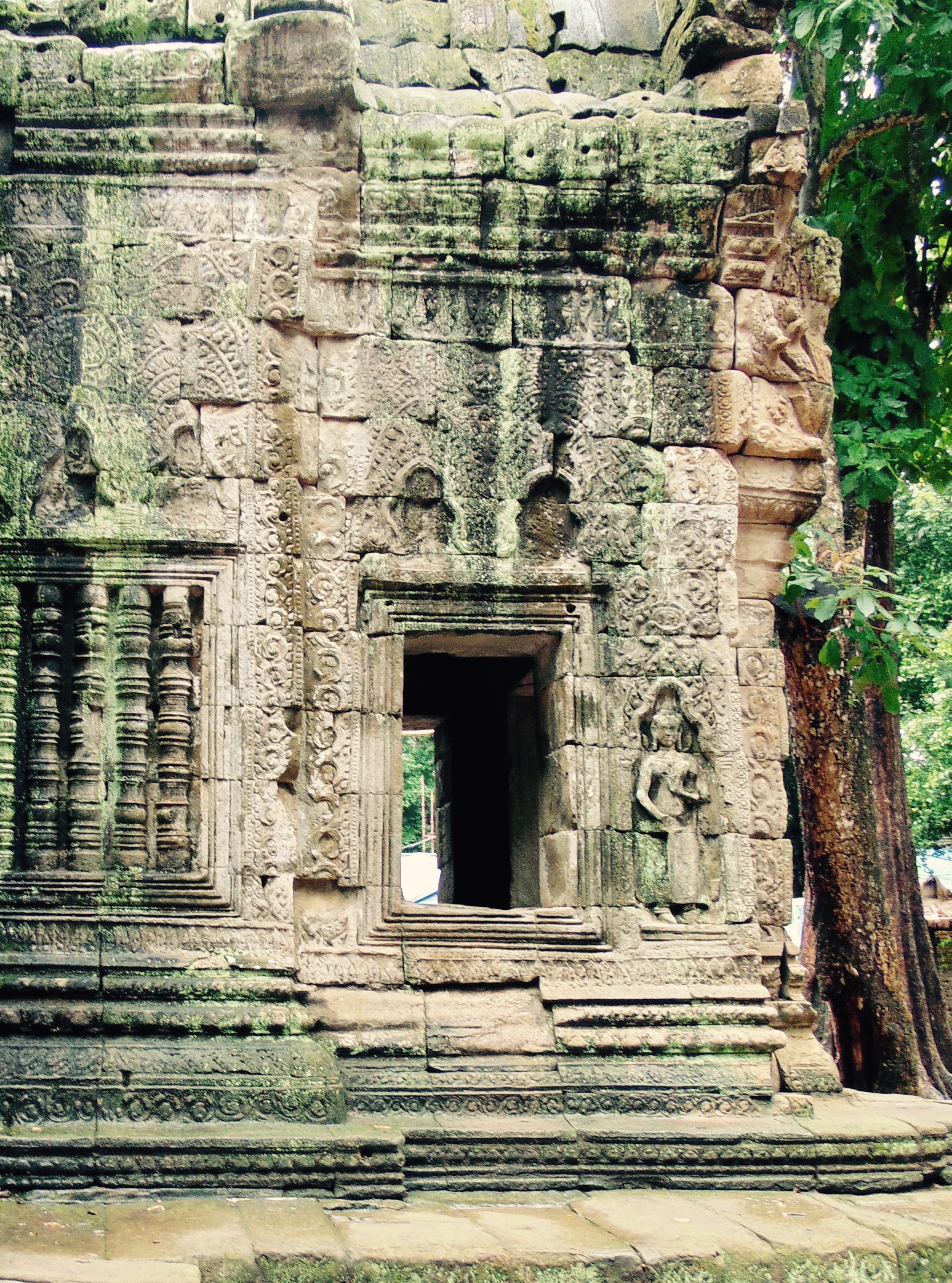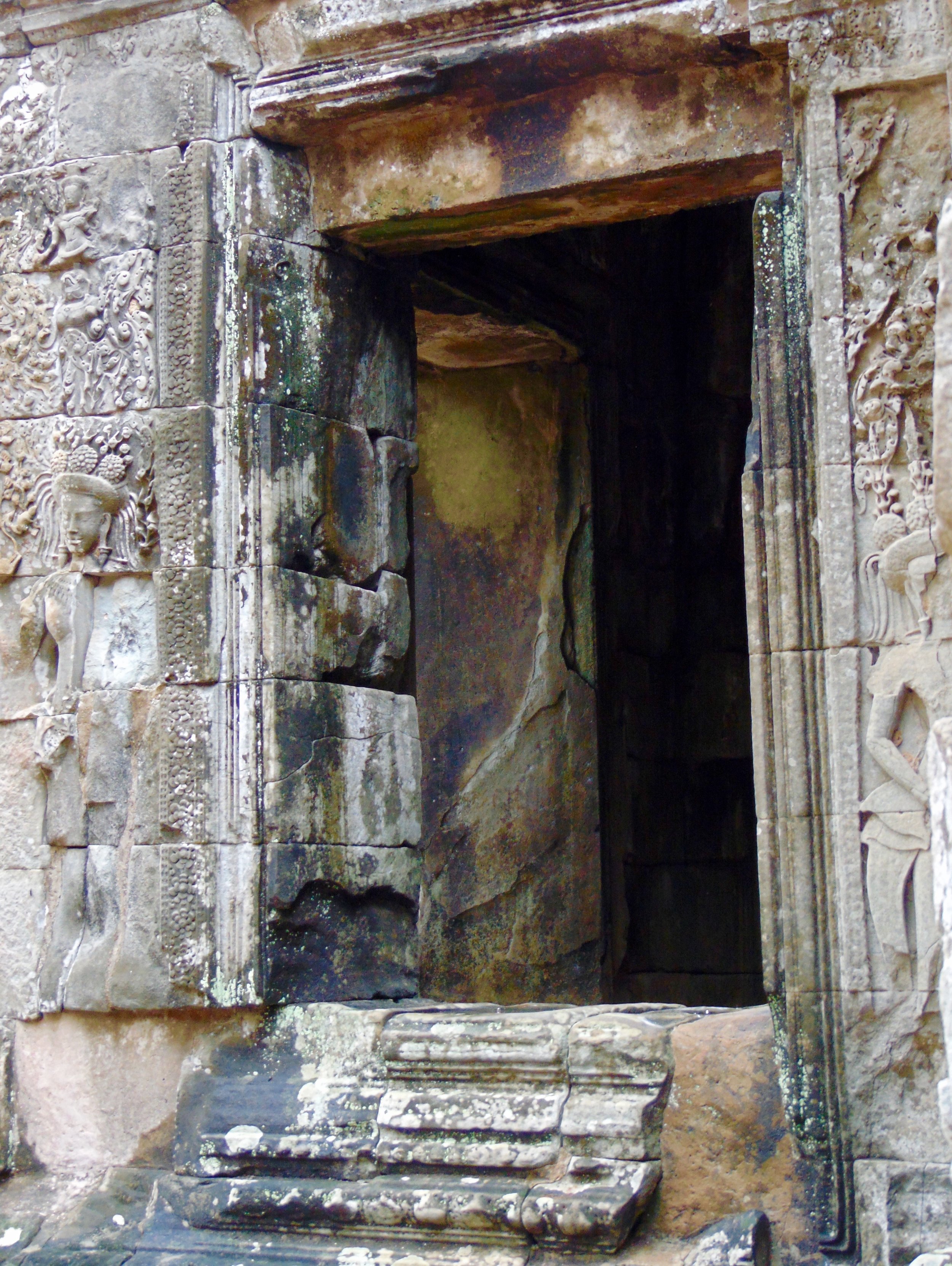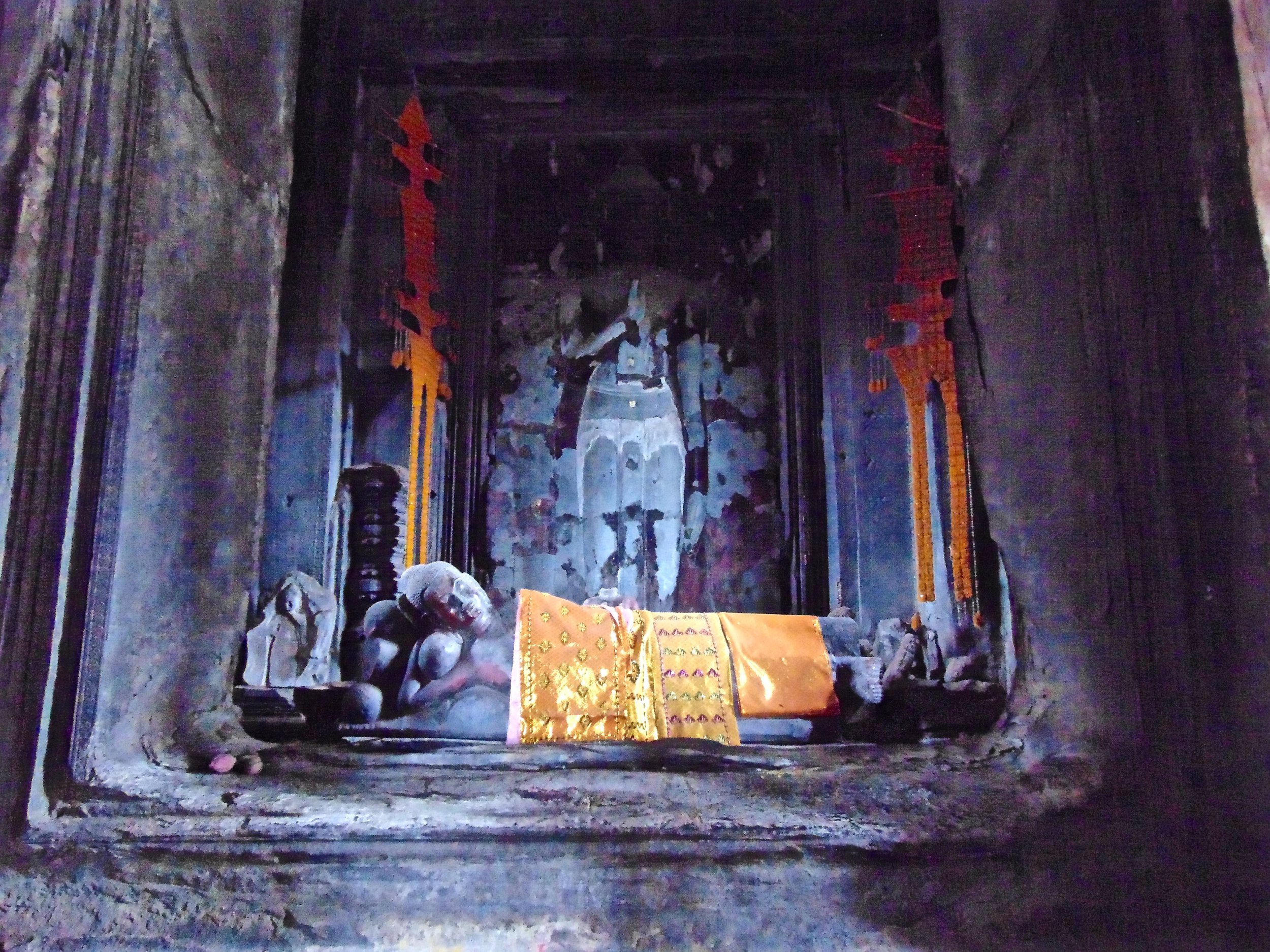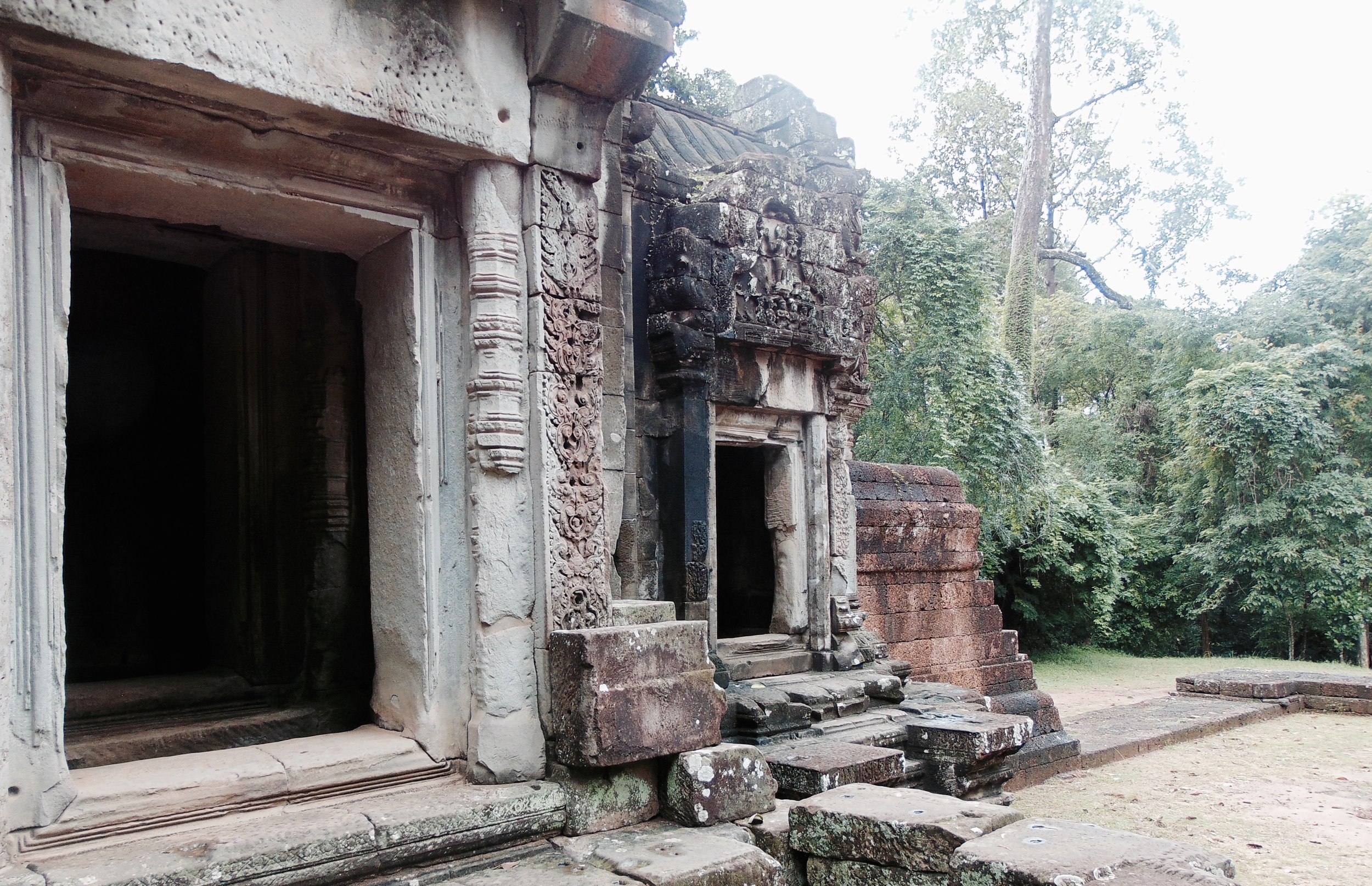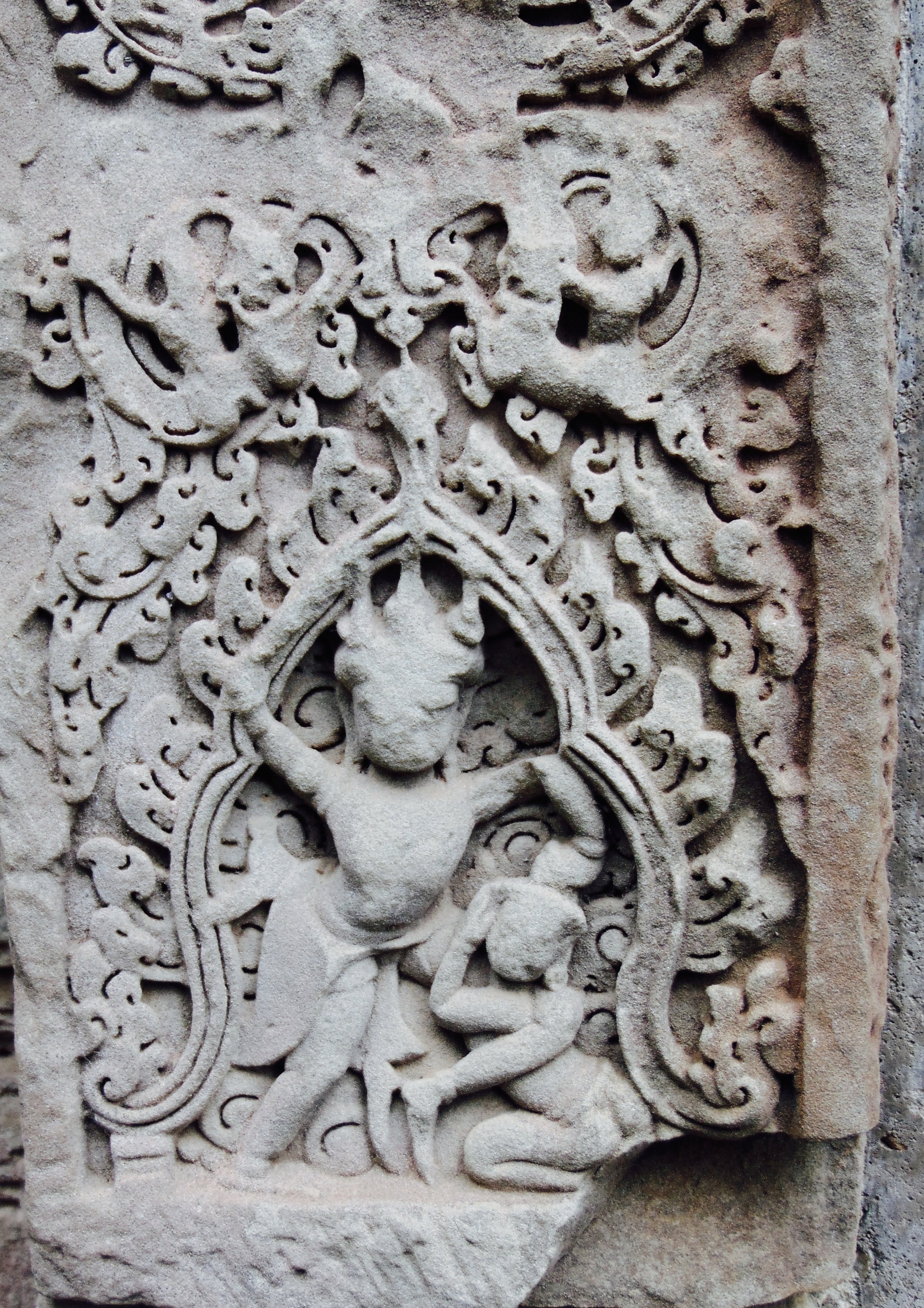
CBFAC works directly with Cambodian archaeology students and instructors to identify and source the materials needed for teaching, research, and fieldwork. Alongside this, we advocate for expanded opportunities for locally trained professionals within the heritage sector.

Rather than distributing funds, CBFAC focuses on gathering and delivering high-quality resources, including textbooks, laboratory equipment, and field supplies. Support is directed toward the shipment of these materials to Phnom Penh, where they are distributed to partner institutions.

This work builds on earlier initiatives developed through Southeast Asian Archaeologies (2008 to 2014), with a continued commitment to strengthening locally led and ethically grounded archaeological practice.

To get involved, please review the Supply Lists. Current priorities include support for the Royal University of Fine Arts and the Ministry of Culture and Fine Arts. Contributions toward shipping can also be made through the purchase of photographs in the Images gallery.

FOR SCHOOLS

The Royal University of Fine Arts is a university in Phnom Penh, Cambodia. Its origins date to the establishment of the École des arts Cambodgiens in Phnom Penh in 1918.

IN THE LAB

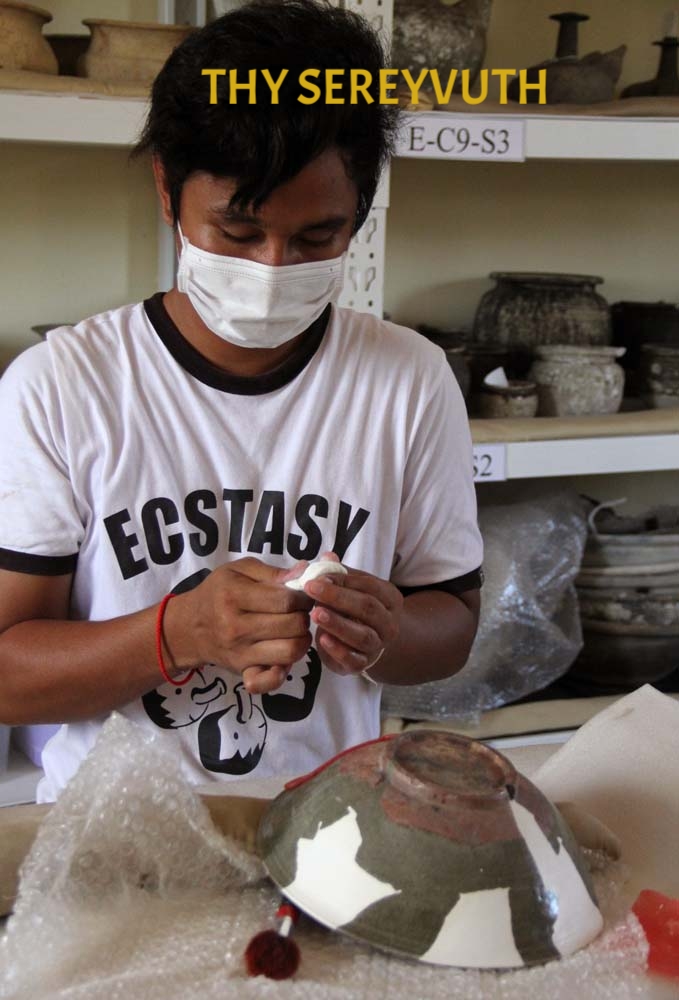
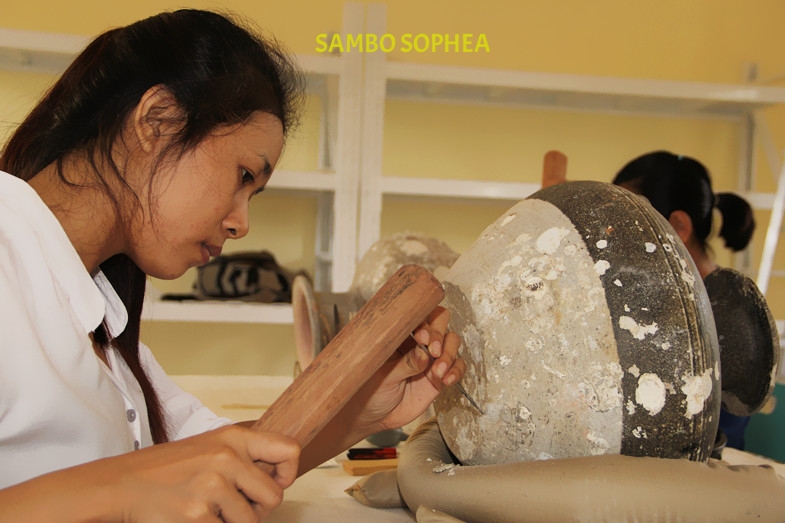
Cambodian ceramics specialist Tep Sokha explains to conservators Meas Sopheap (L) and Keo Chansophany (R) the best way to preserve a cracked vase. Cambodia, 2016. Click here to learn about the work of Tep Sokha's students. 

Lima01.jpg

IN THE FIELD

Field archaeologists in Cambodia today. These students, from the Royal University of Fine Arts are screening dirt at the site of Ta Prohm. Photo courtesy of Alison Carter

Click Here to view Cambodia's Royal University of Fine Art's wish list (of equipment and materials) for the installation of a Metal and Ceramic Restoration Lab.

Click Here to view the Cambodian Ministry of Culture and Fine Art's wish list of Supplies for Artifact Conservation and Storage Laboratory (courtesy of Tep Sokha).

“The secret of change is to focus all of your energy, not on fighting the old, but on building the new.”
― Socrates

Why This Work Matters

In regions of significant cultural heritage, it is essential that local communities have the knowledge, access, and capacity to engage with, manage, and protect their own heritage. This principle is reflected in the UNESCO Convention concerning the Protection of the World Cultural and Natural Heritage, which emphasizes the importance of developing national and regional training, research, and institutional capacity.

CBFAC is grounded in this commitment. Its work supports the development of locally led archaeological practice through the provision of materials, training support, and institutional collaboration. The aim is not only to preserve heritage, but to ensure that those most closely connected to it are able to participate meaningfully in its care and interpretation.

This work builds on long-standing relationships and is guided by a belief that international engagement should strengthen, rather than replace, local expertise. When properly supported, locally based archaeological communities are best positioned to sustain ethical and effective heritage management.

Get Involved

There are many ways to support this work. Contributions are not limited to material resources and may include collaboration, mentorship, or institutional partnership.

If you are interested in contributing, please review the Supply Lists or get in touch through the contact form. CBFAC works with volunteers, partner institutions, and donors to support archaeological training and research in Cambodia.

Thank you,


Sarah Holma
PhD Candidate


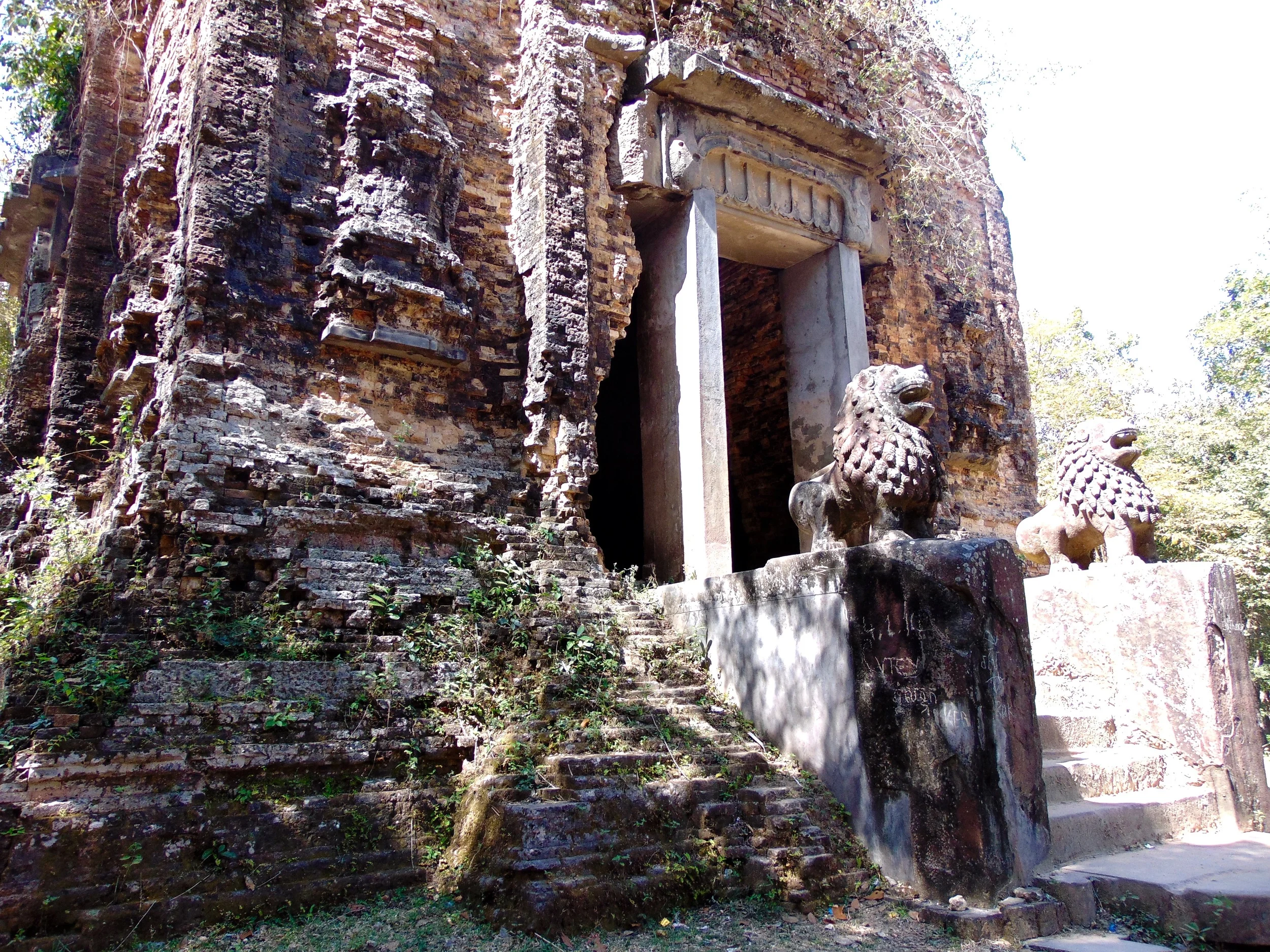
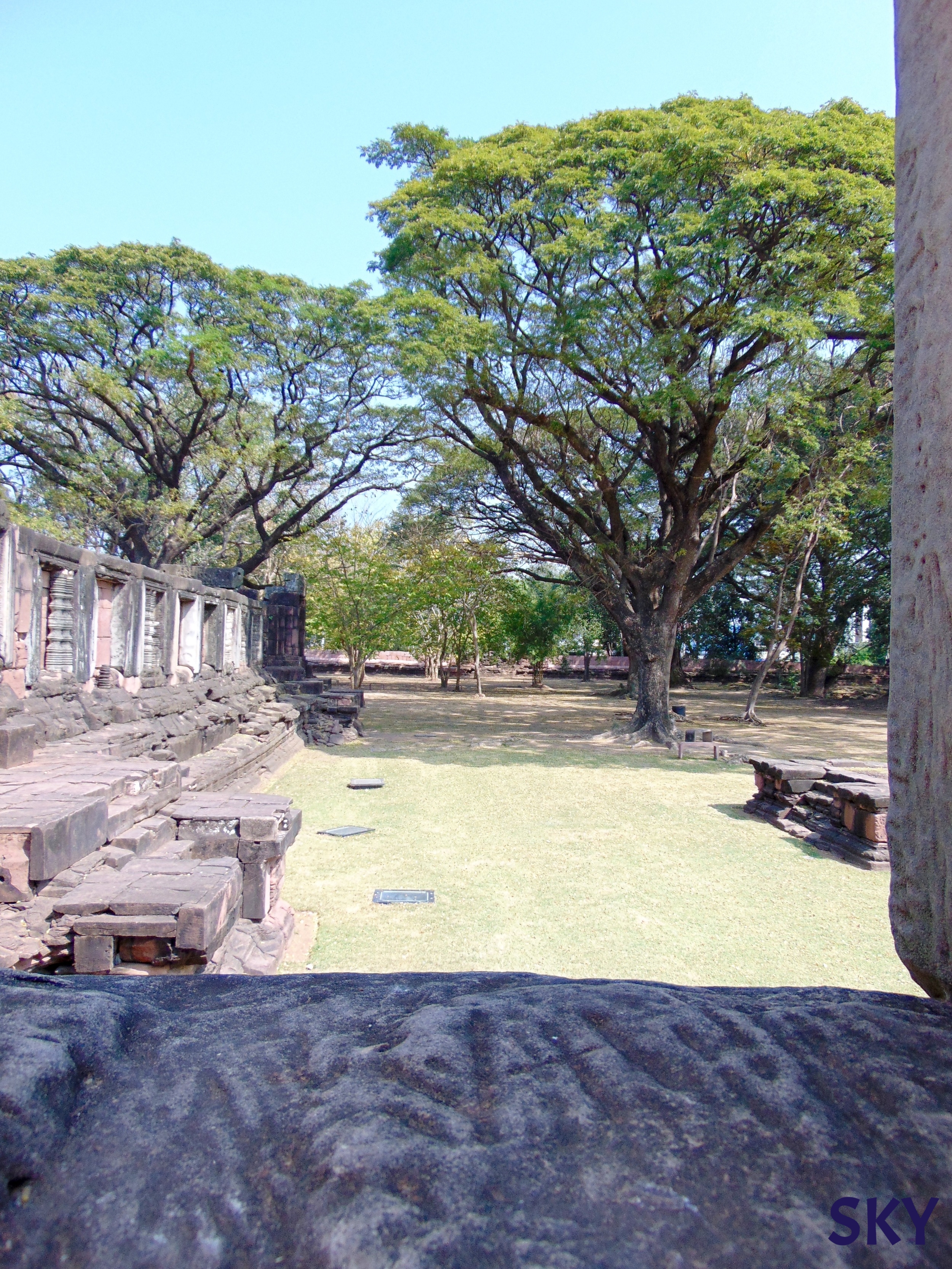
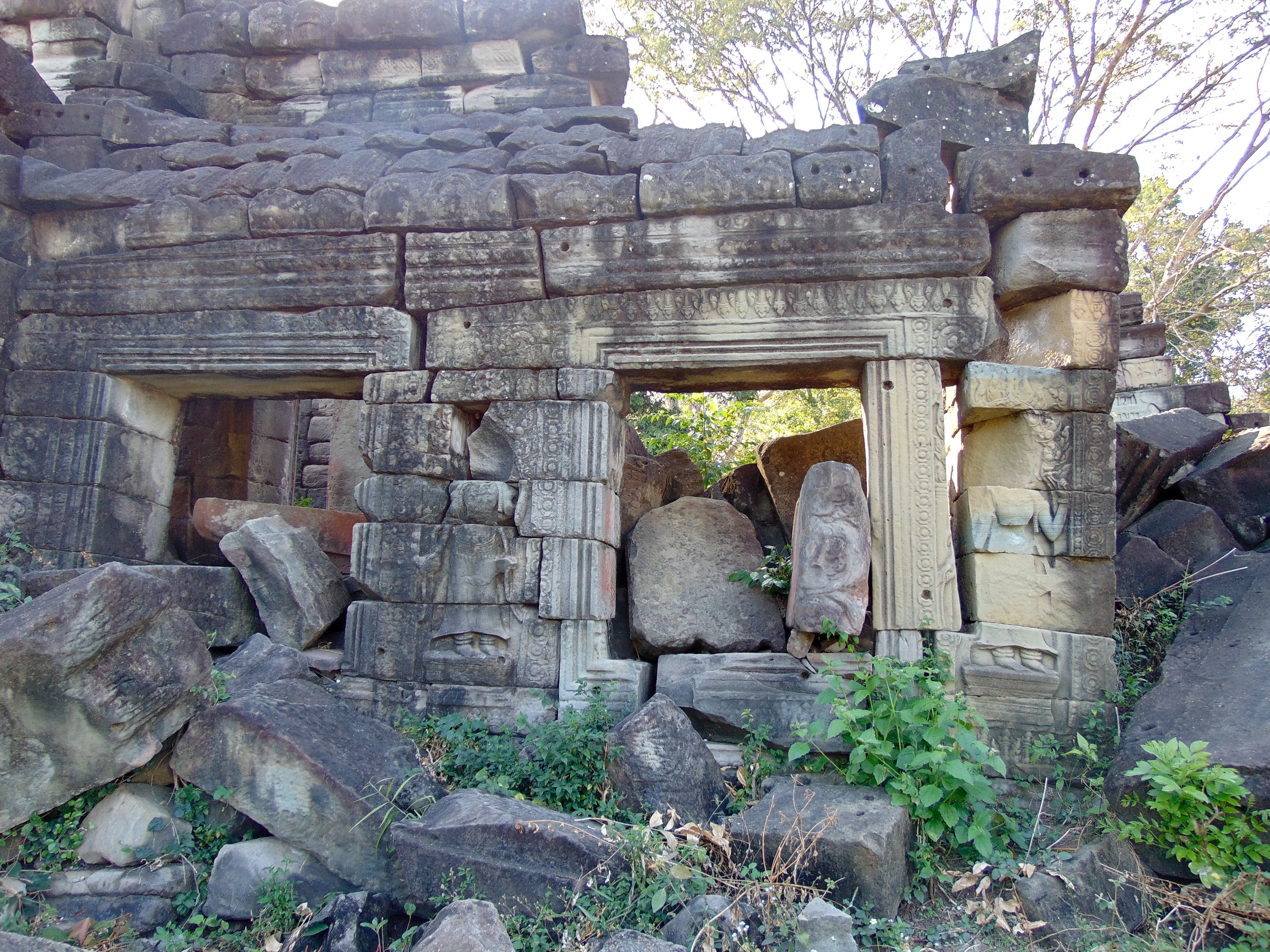
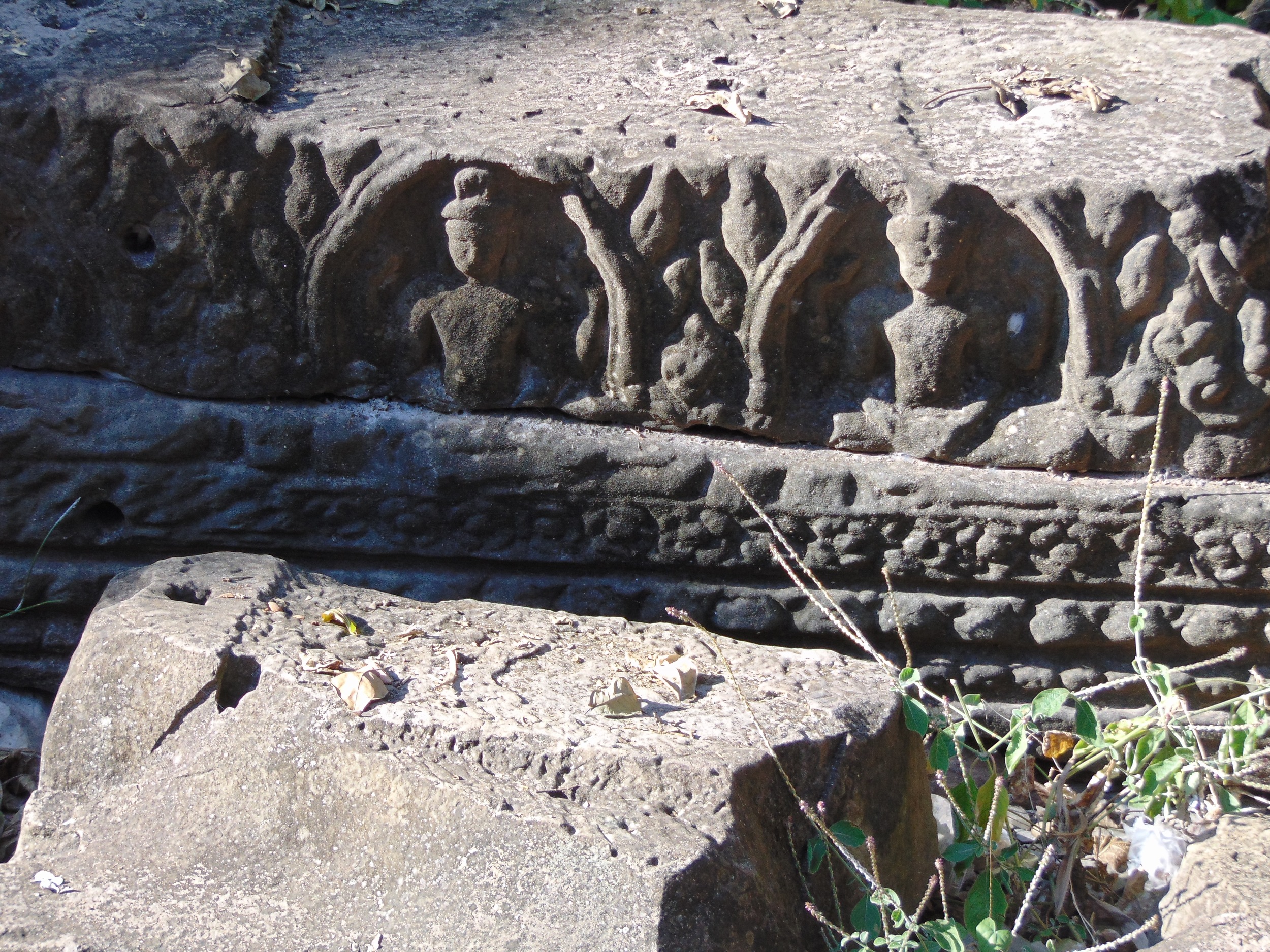
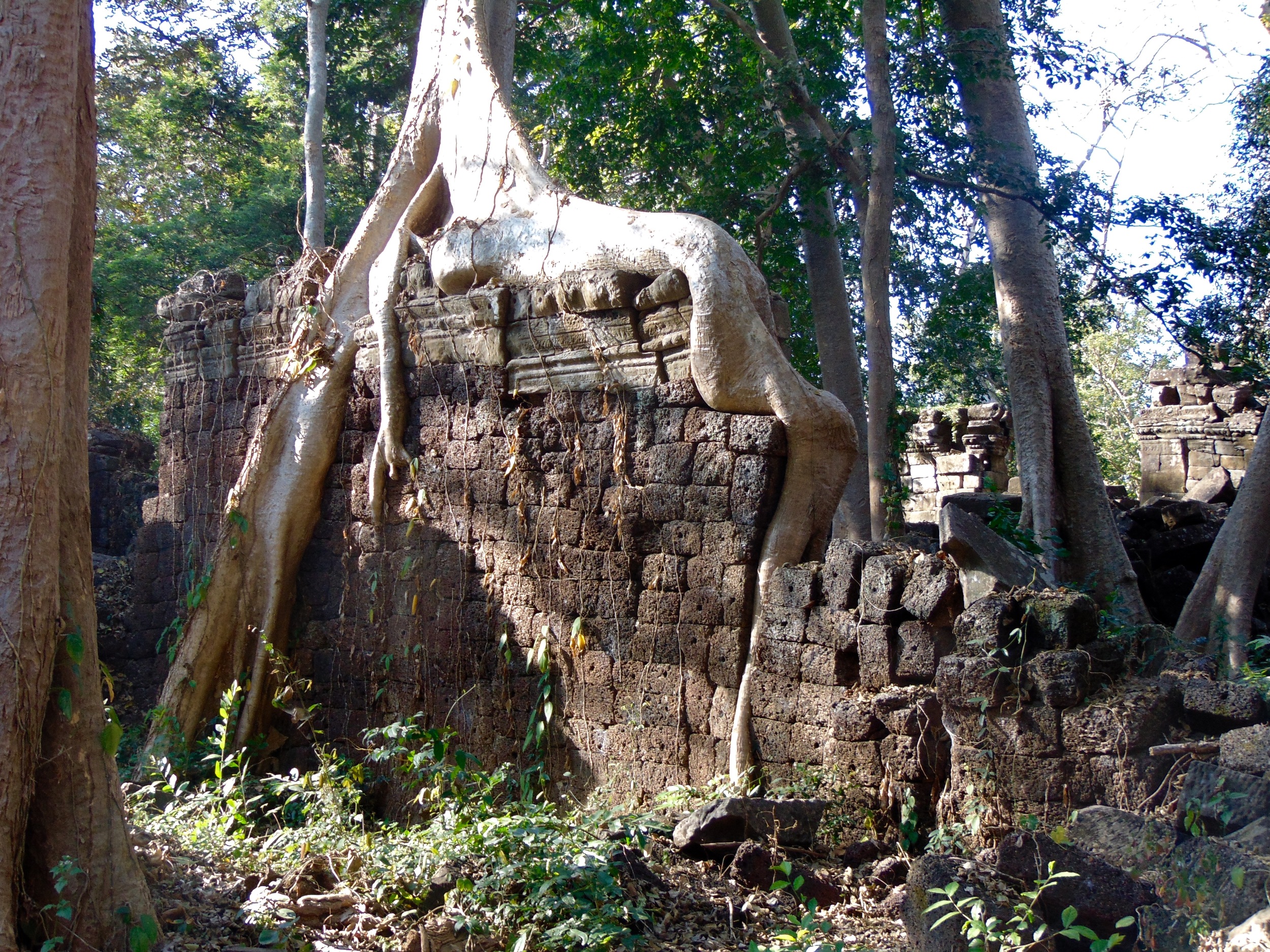
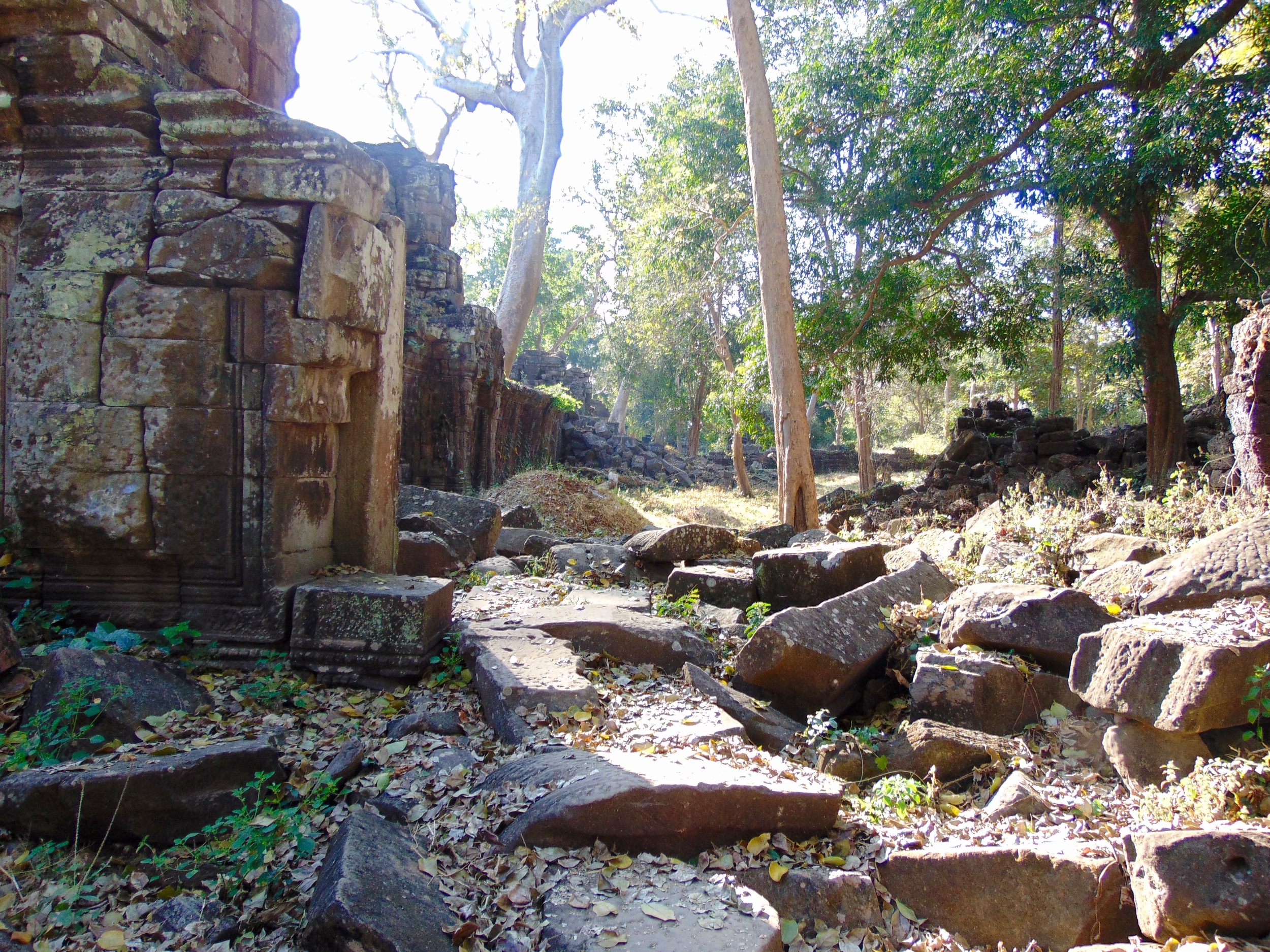
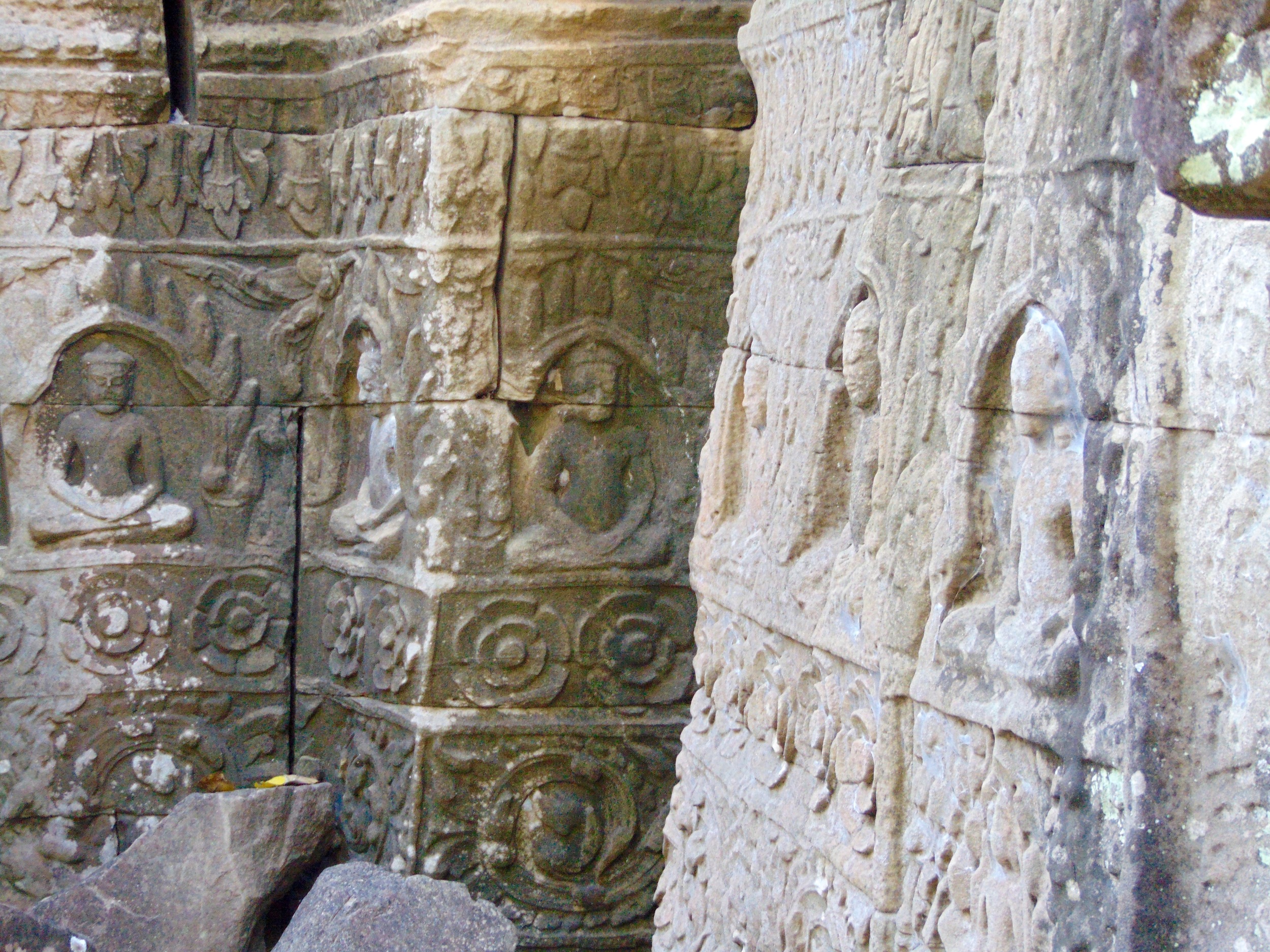
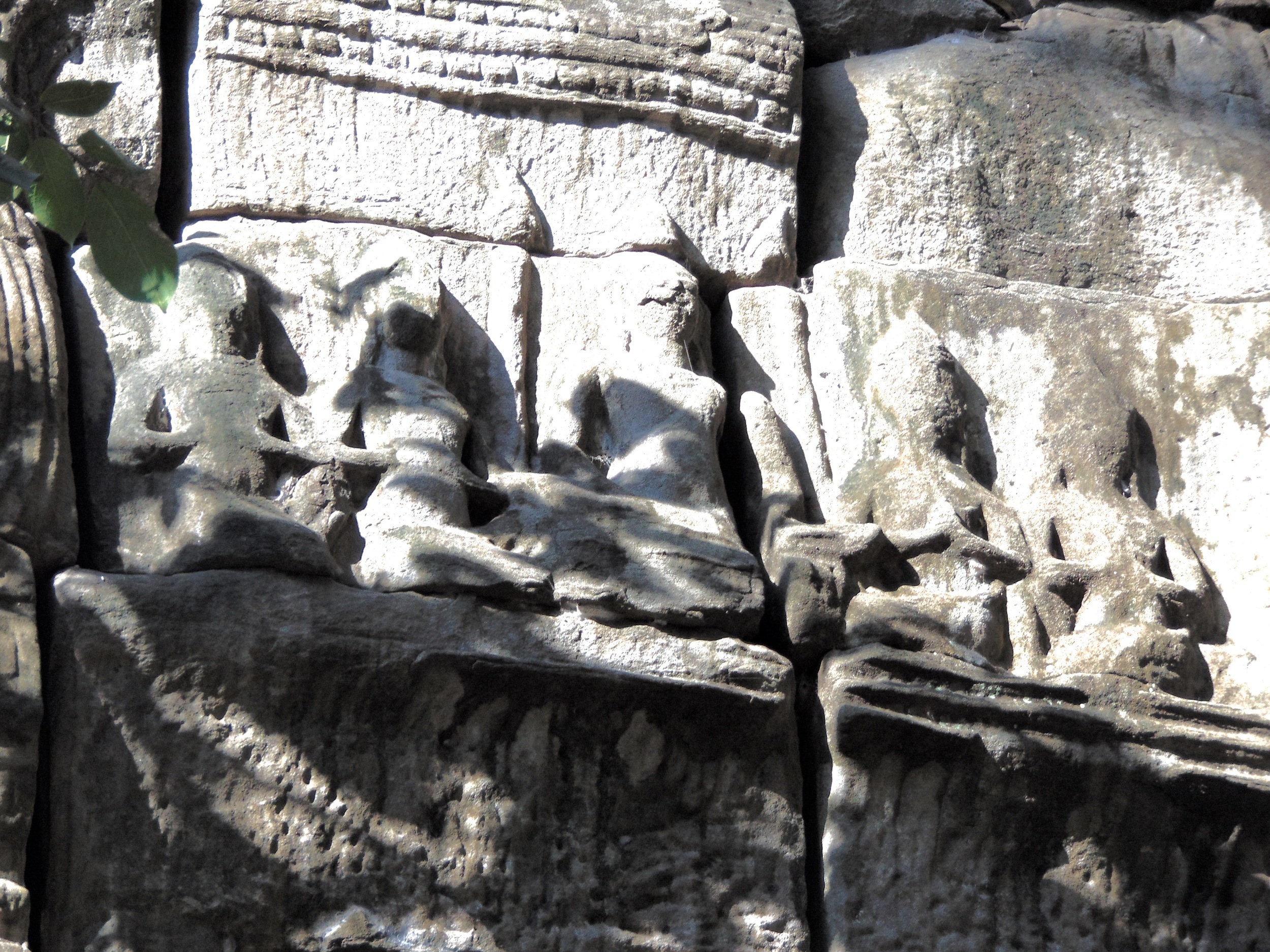
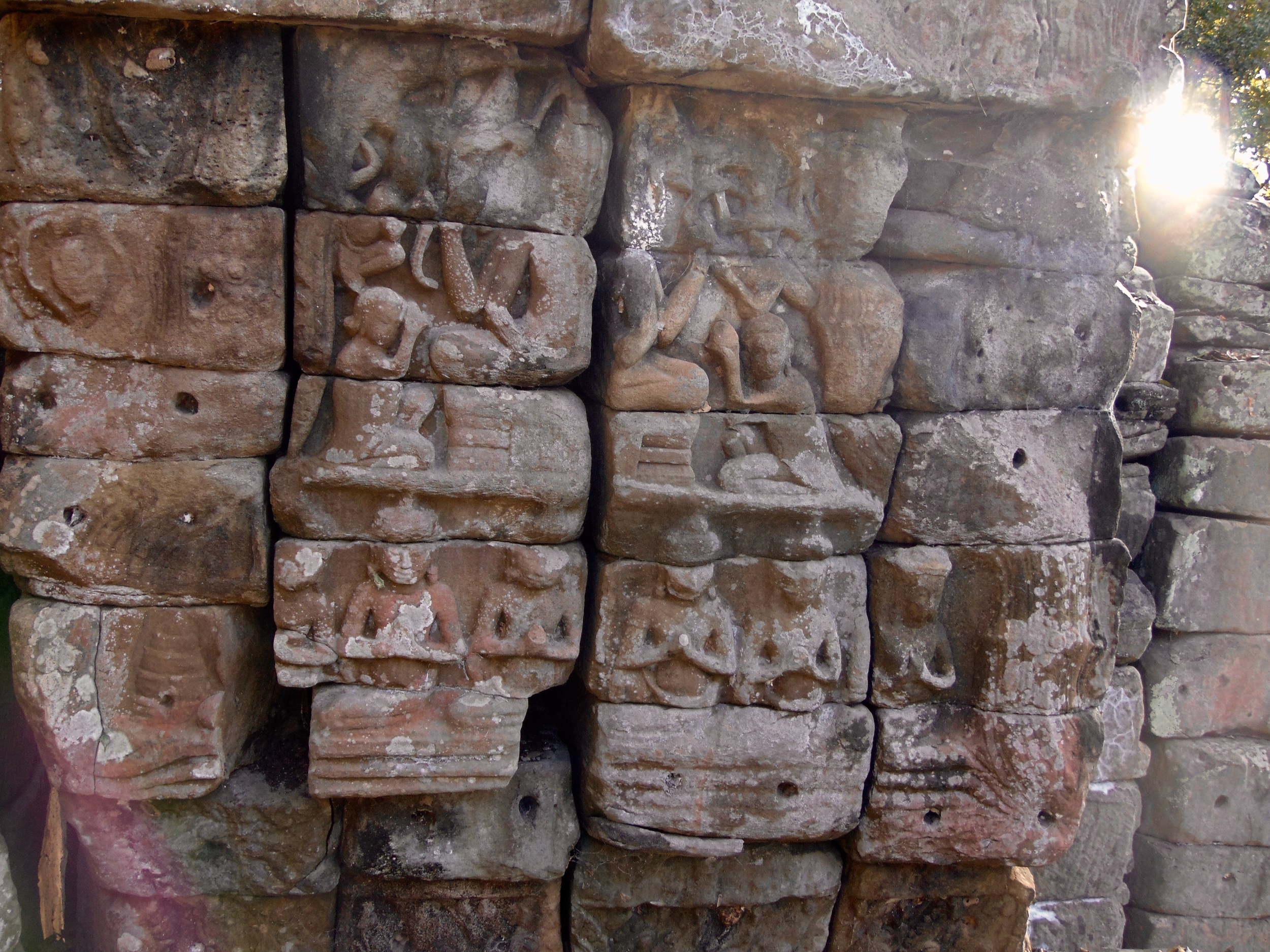
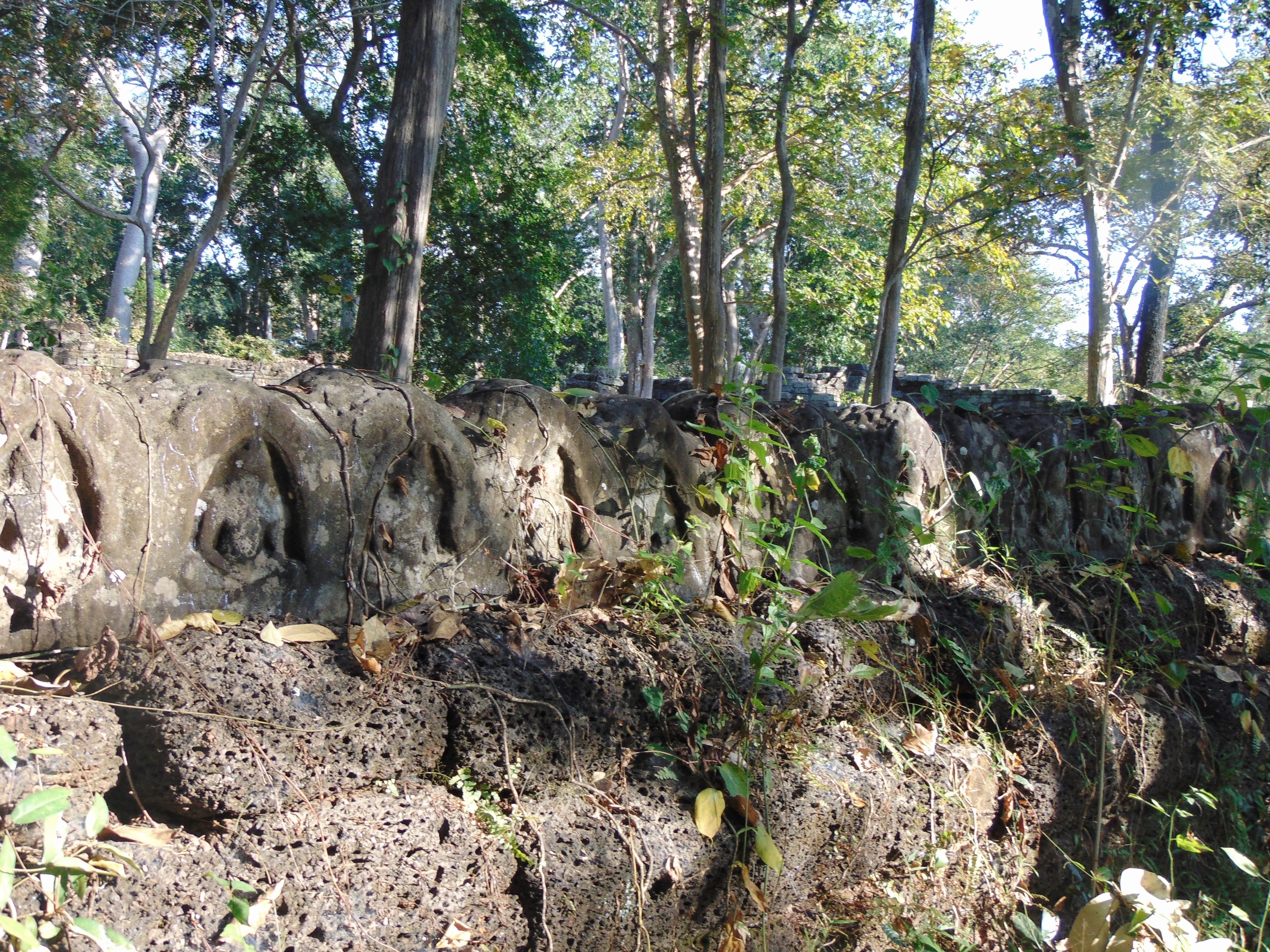
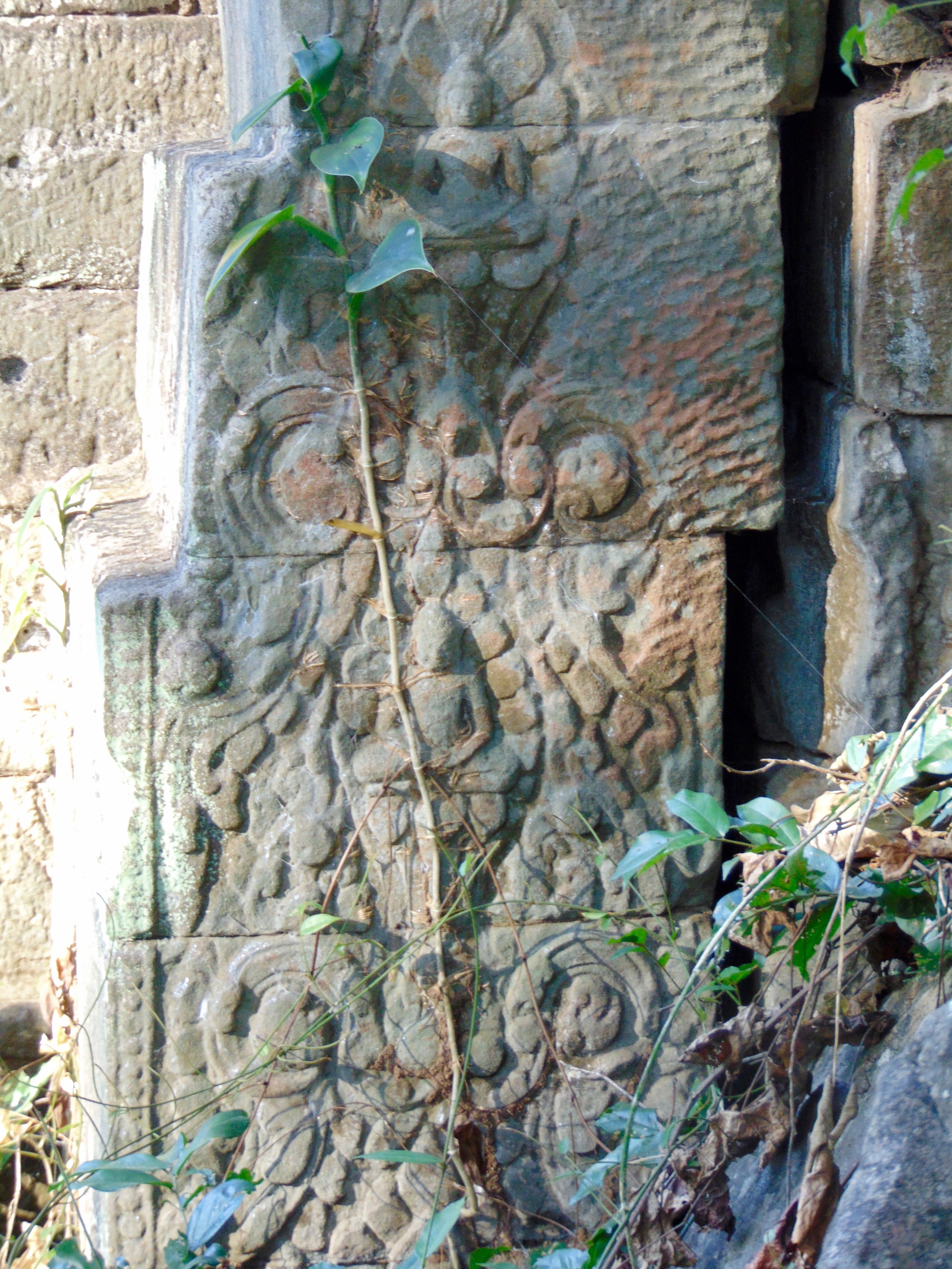
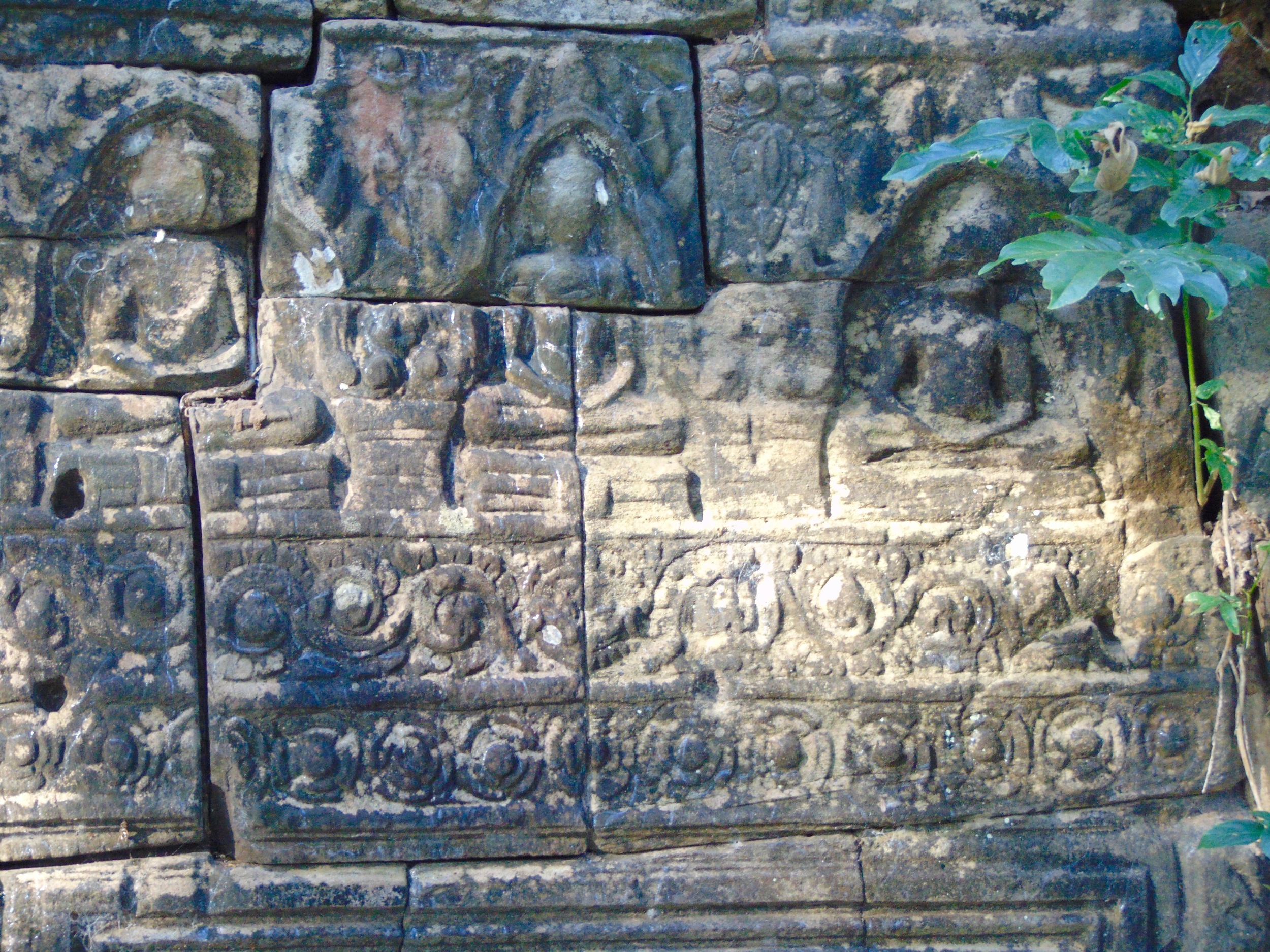
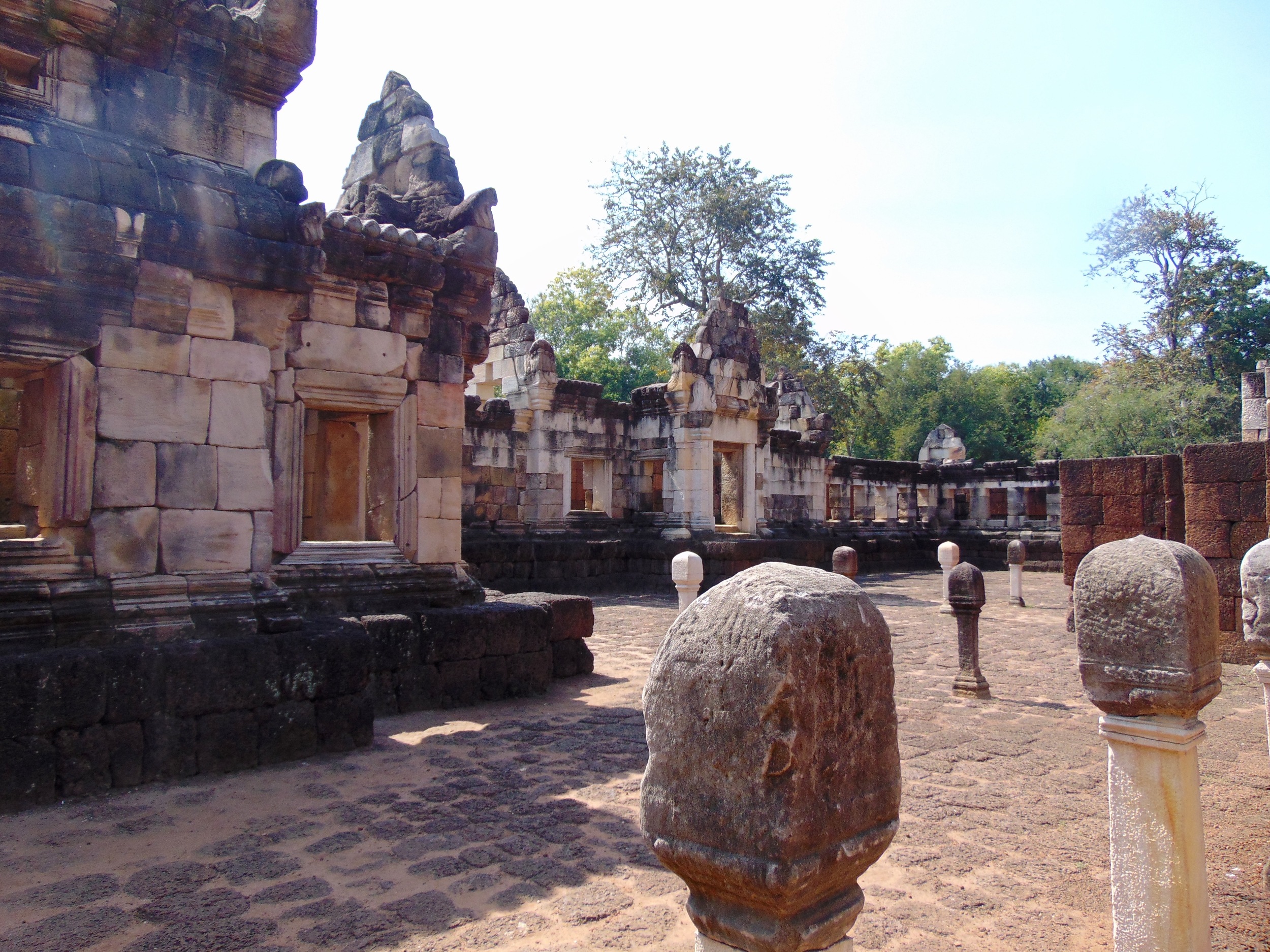
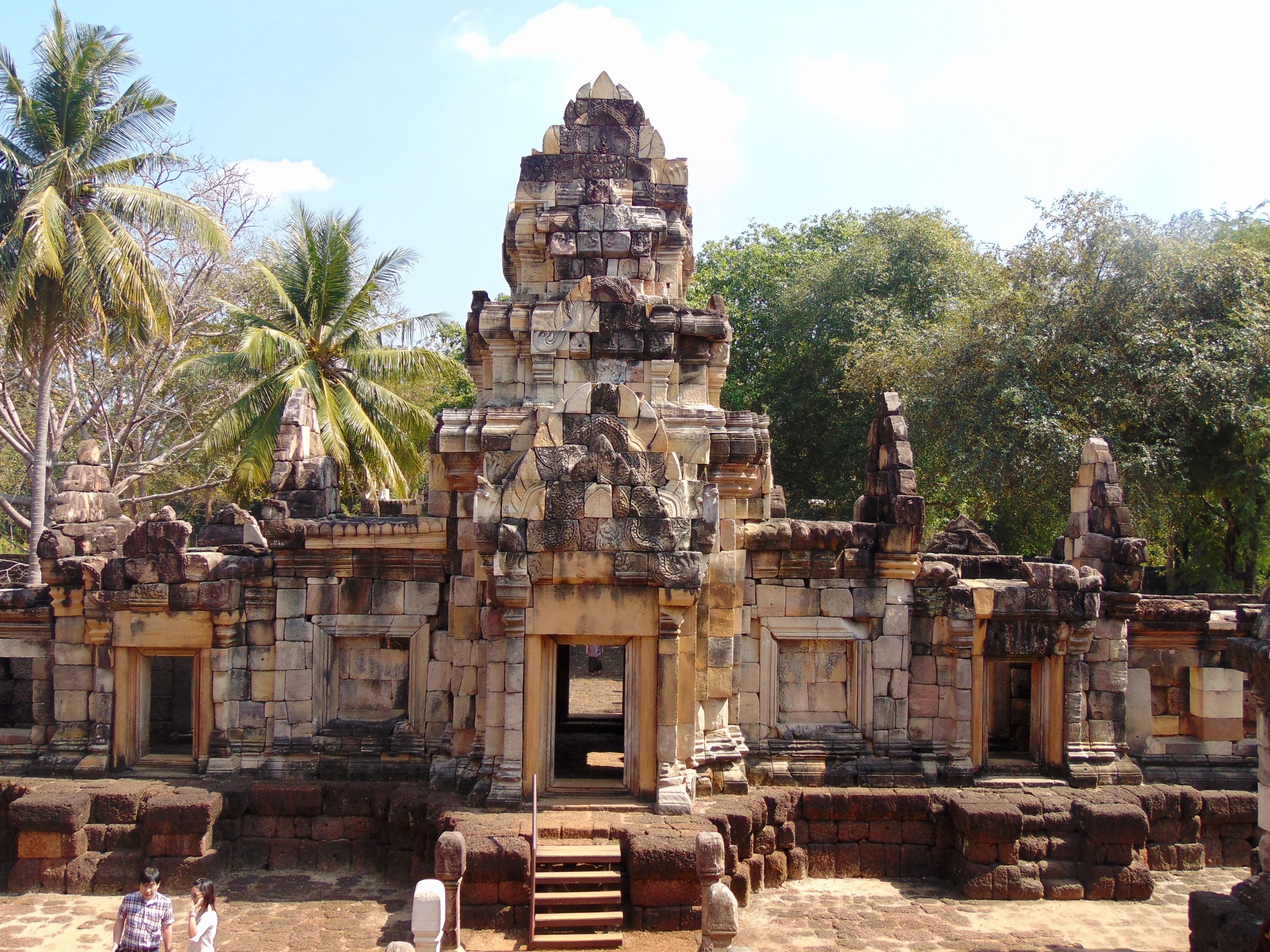
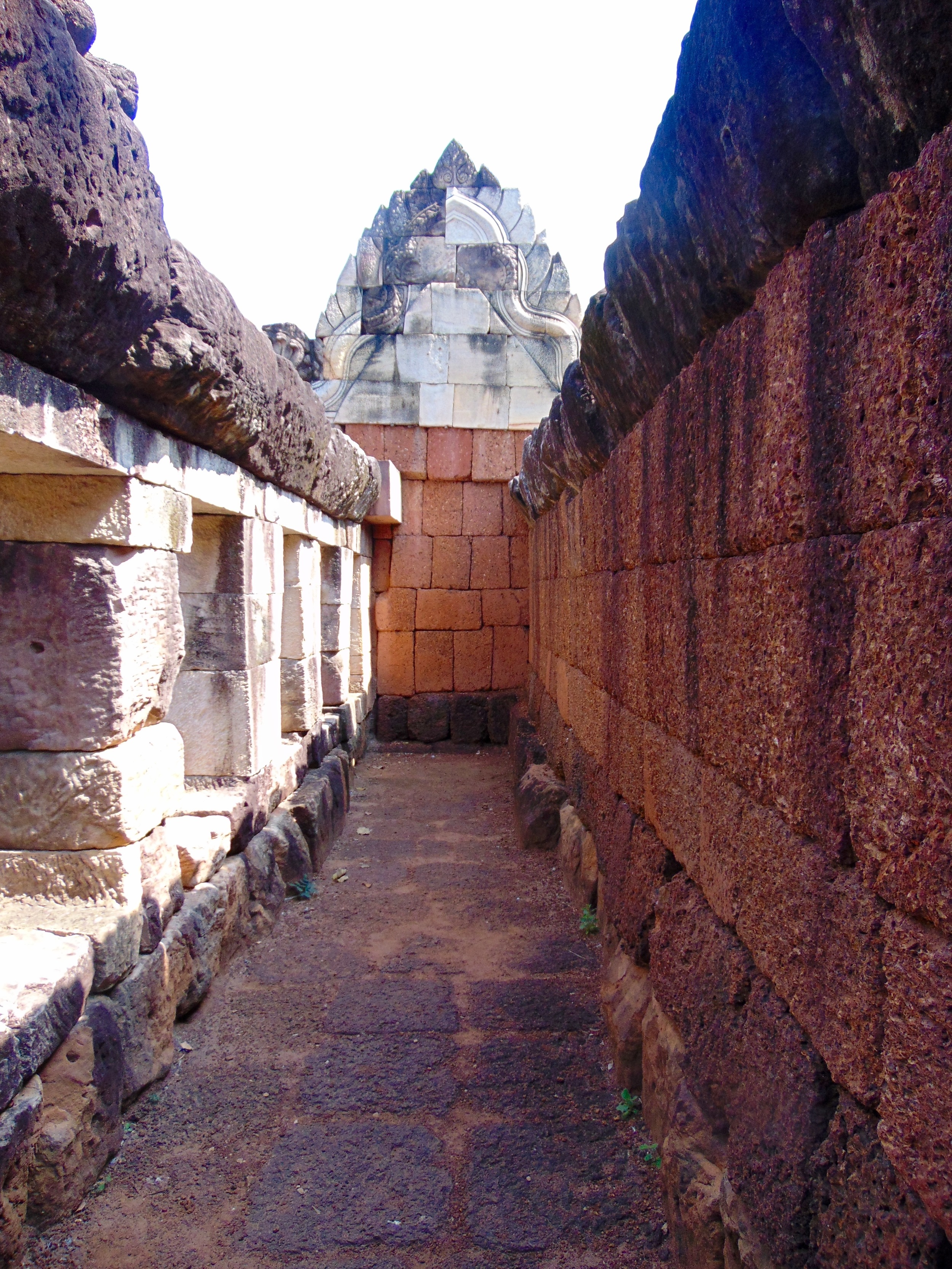
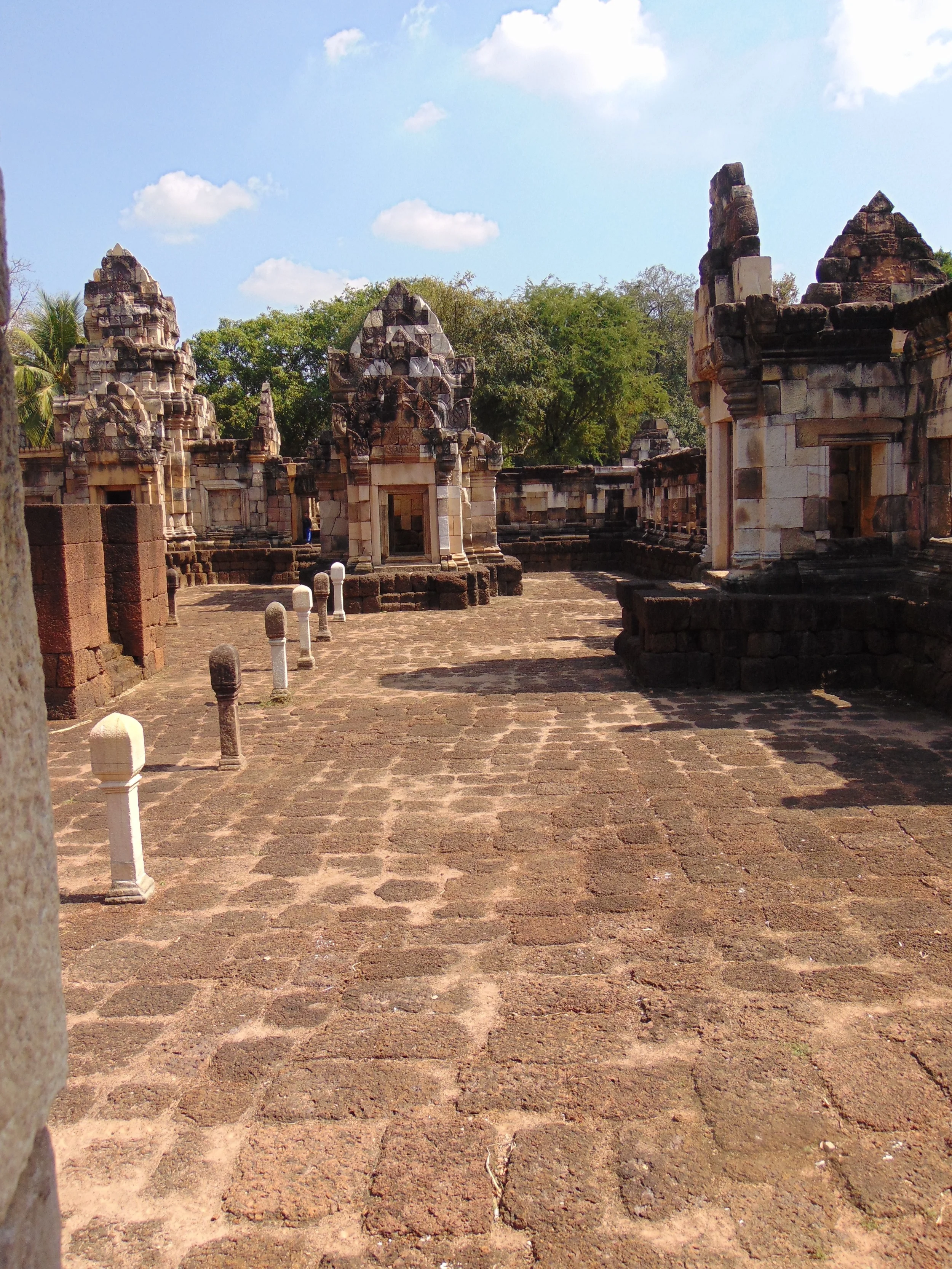
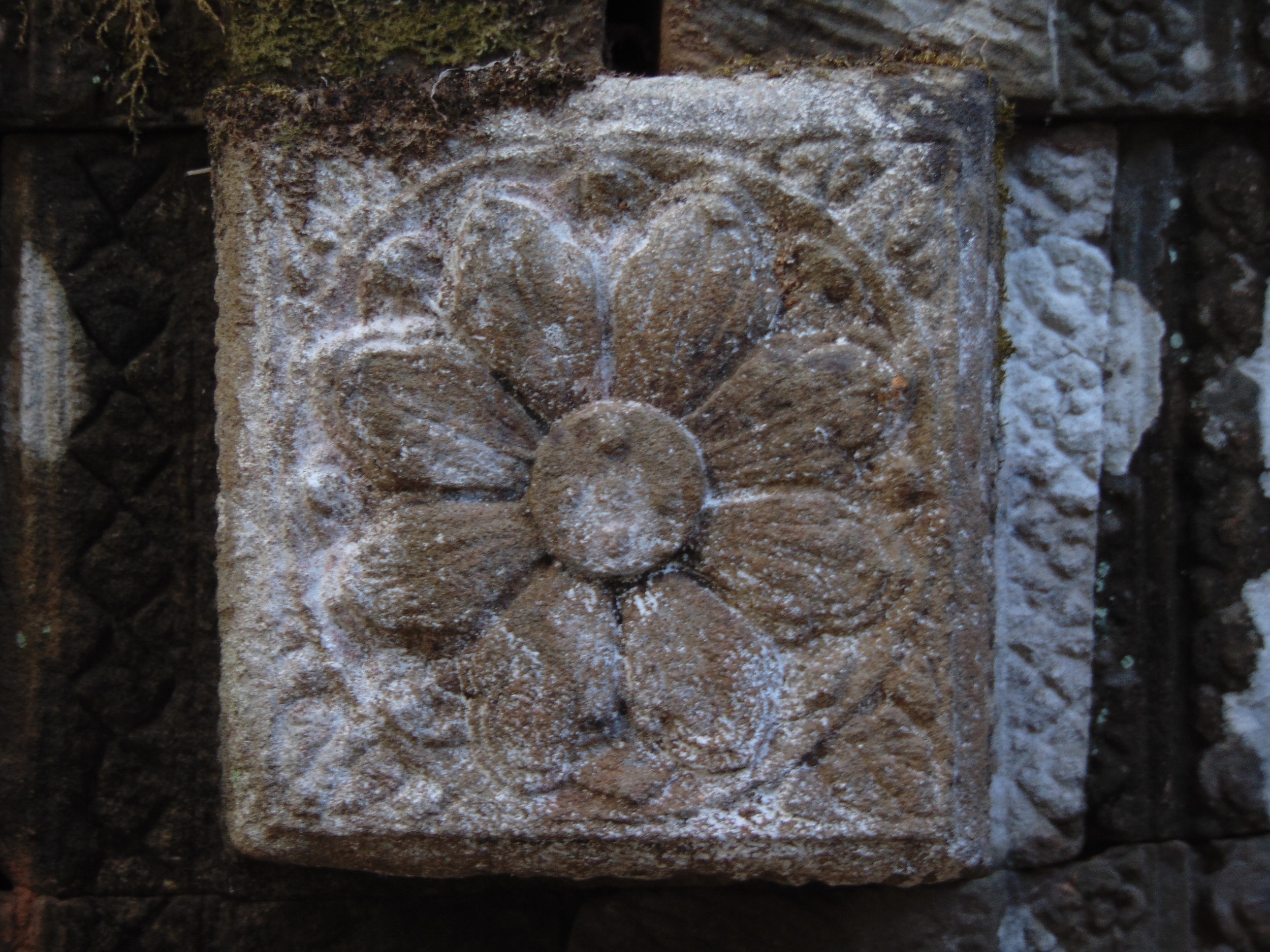
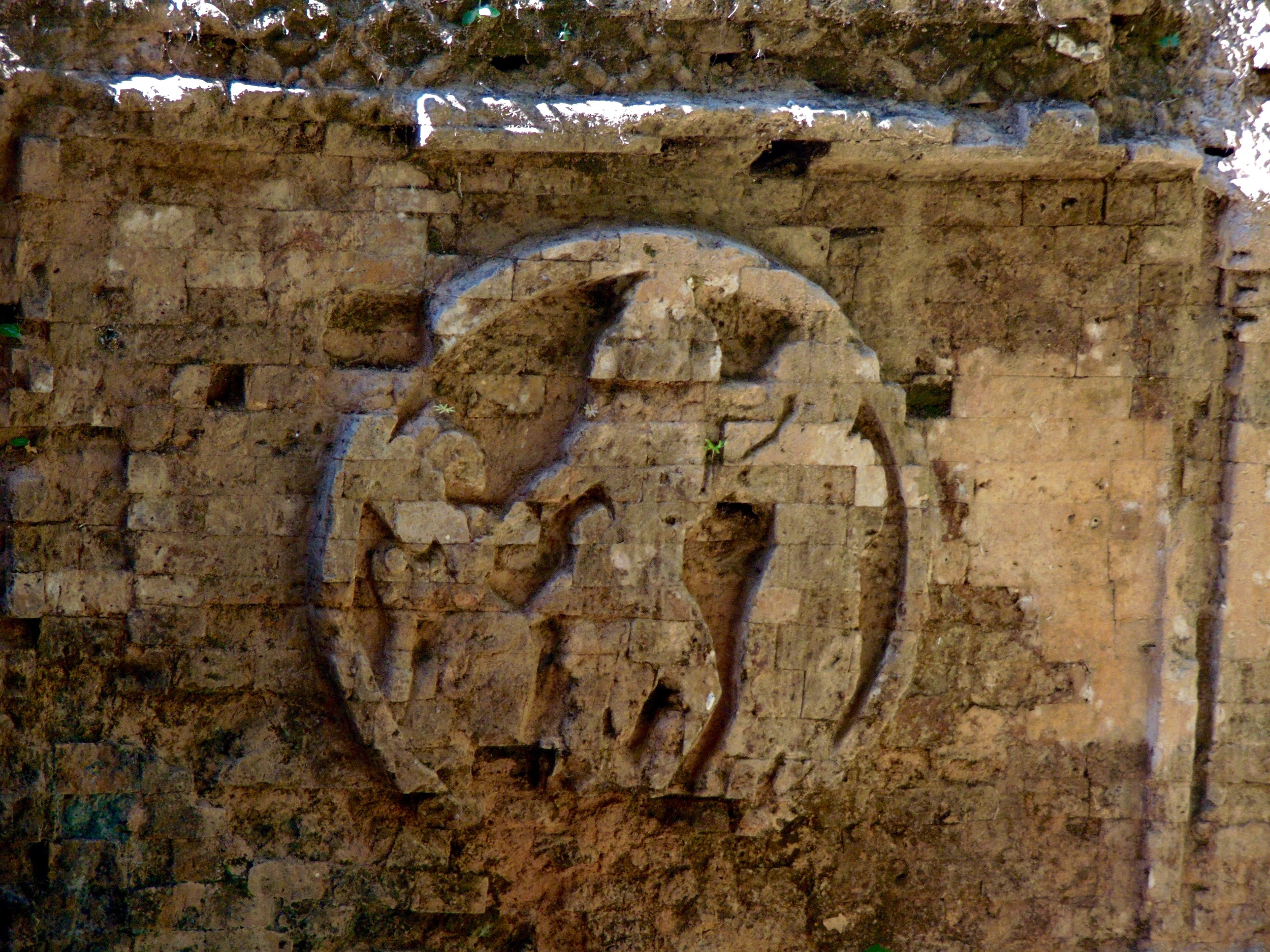
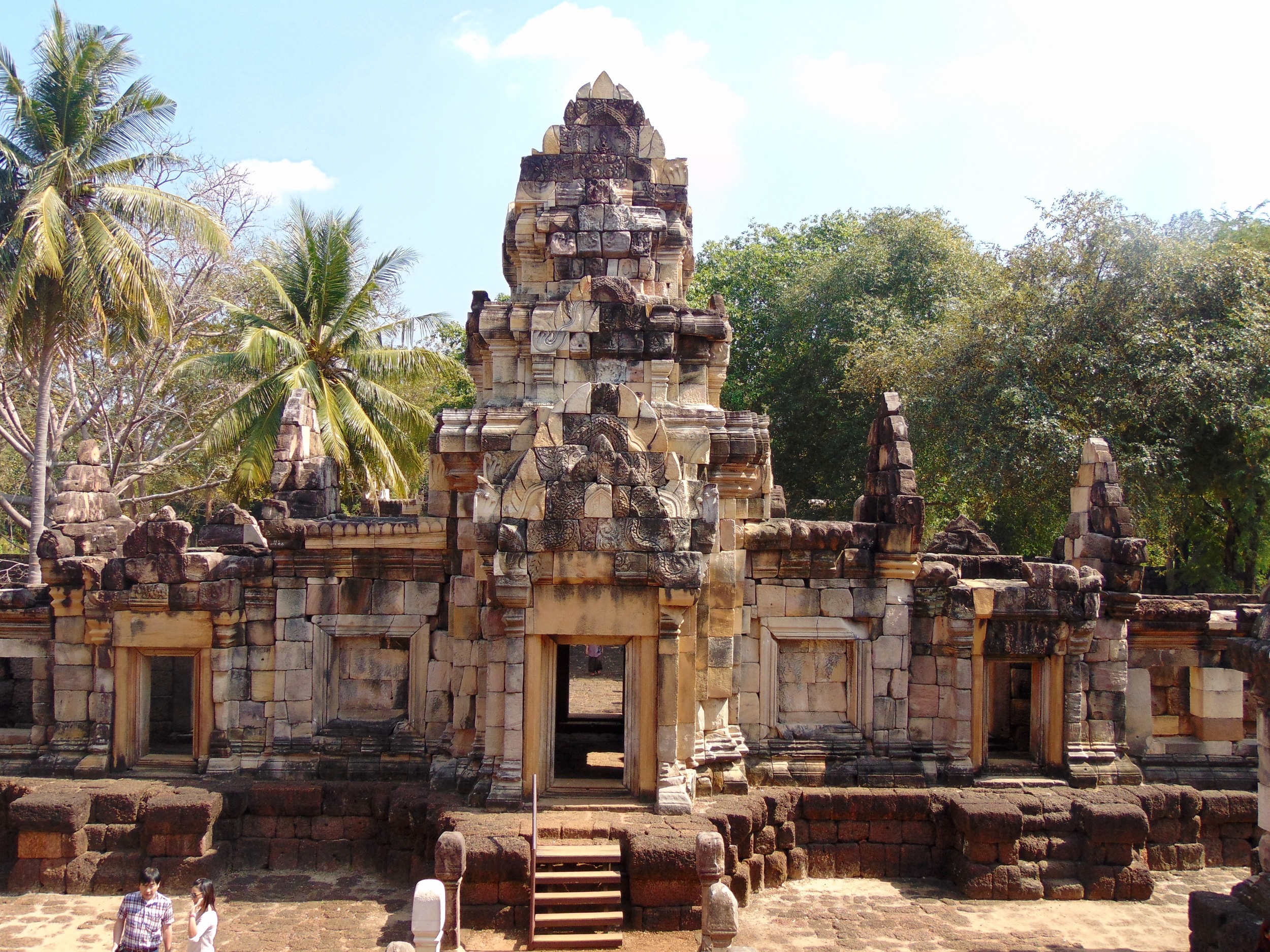
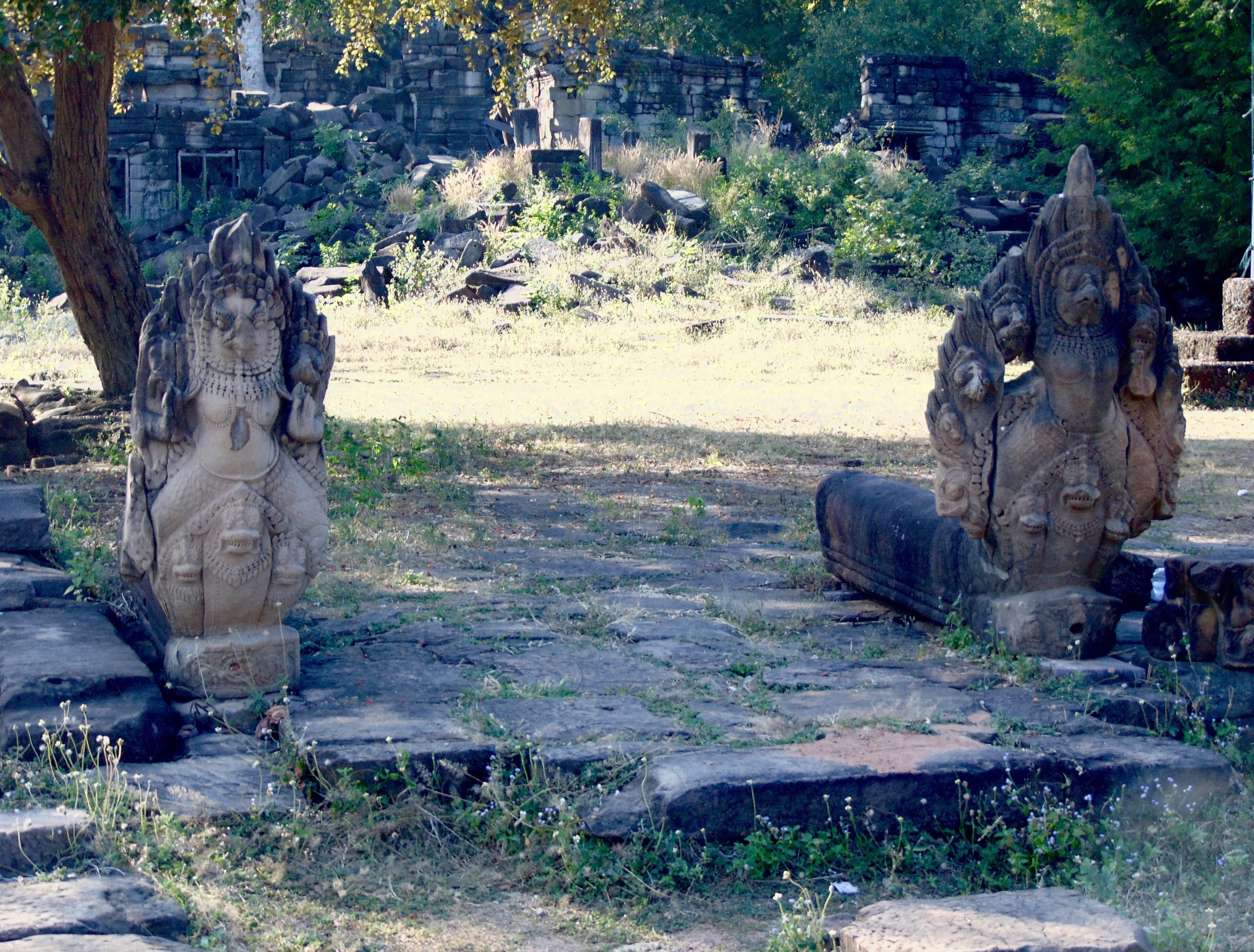
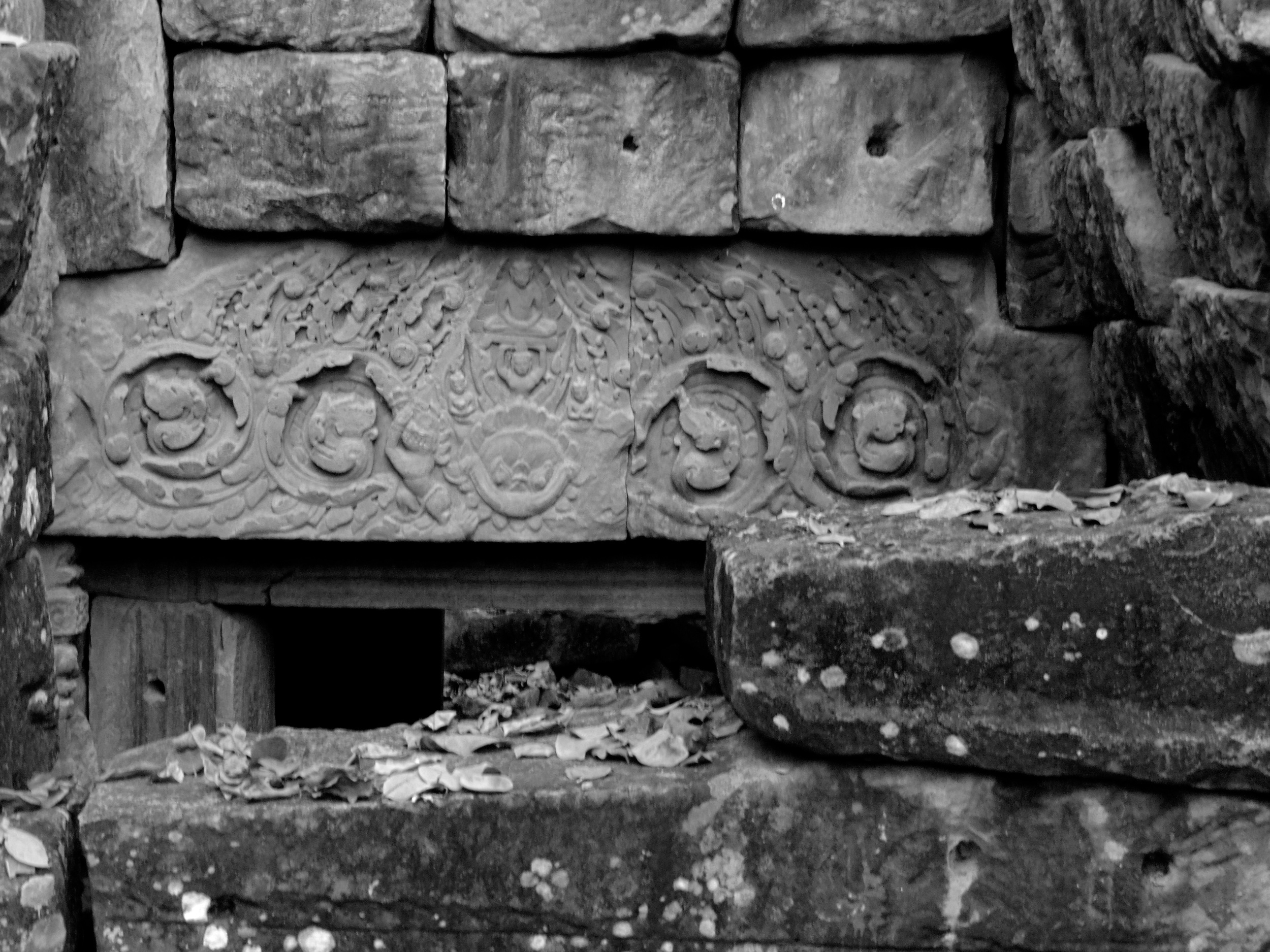
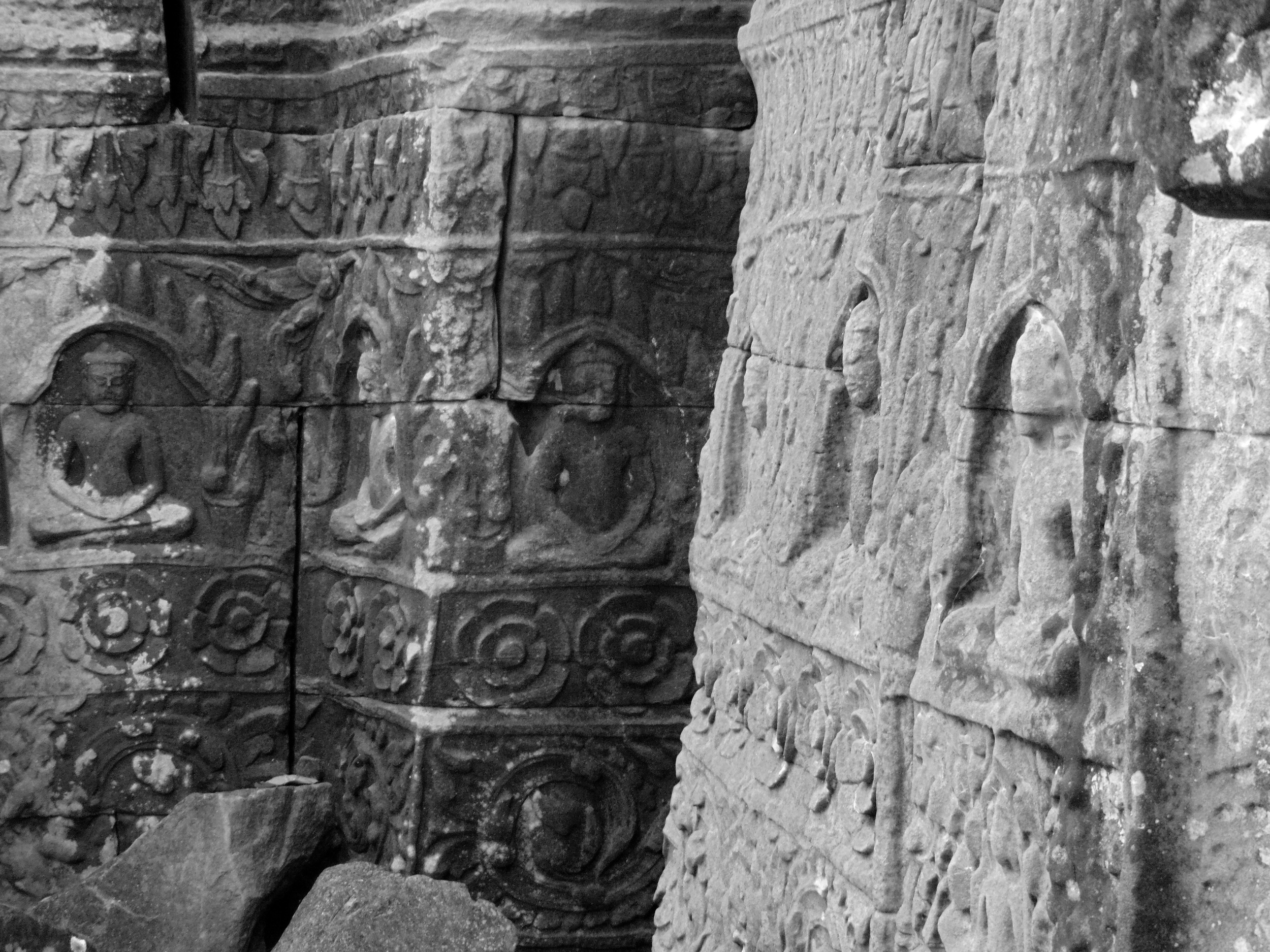
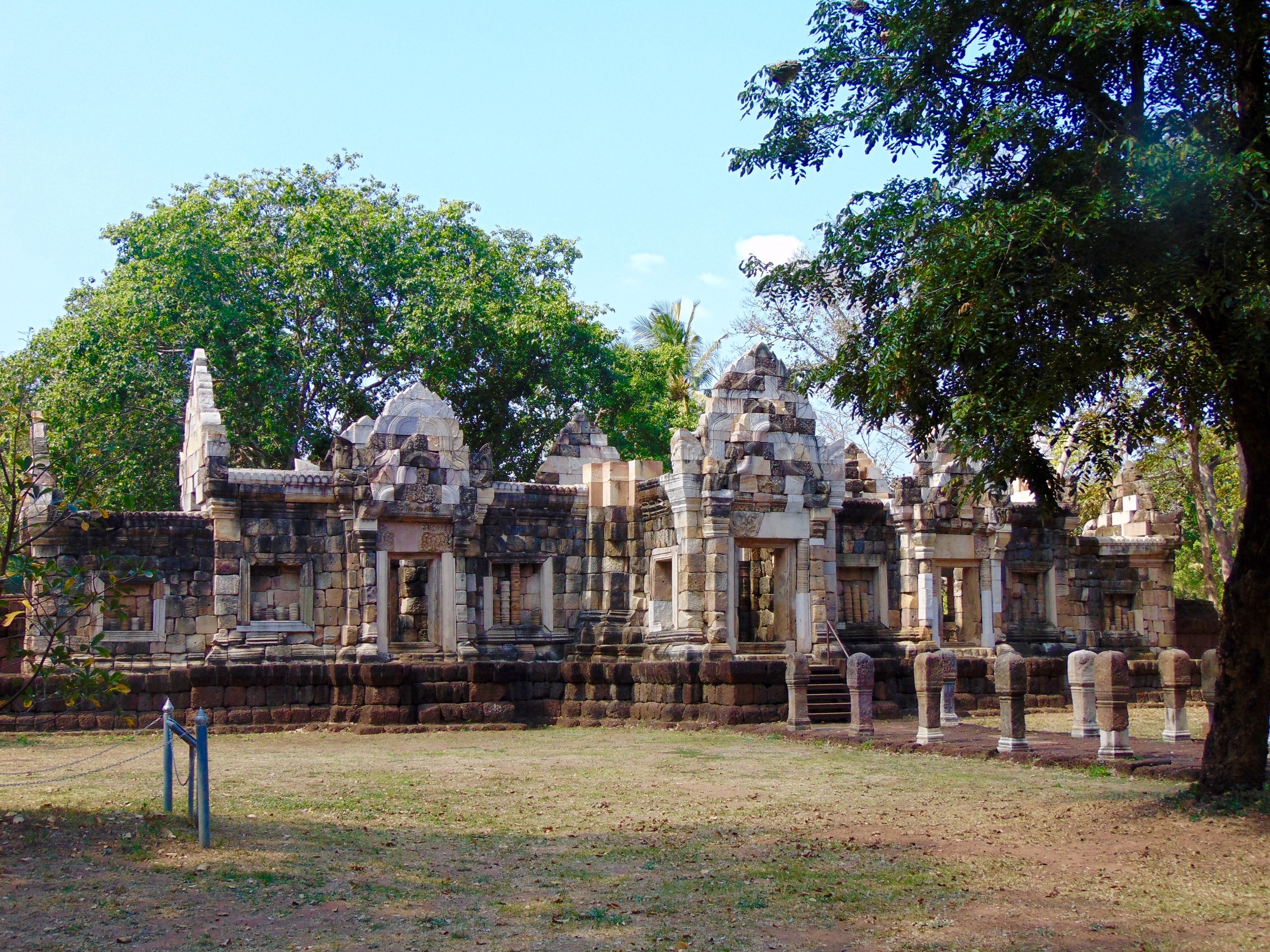
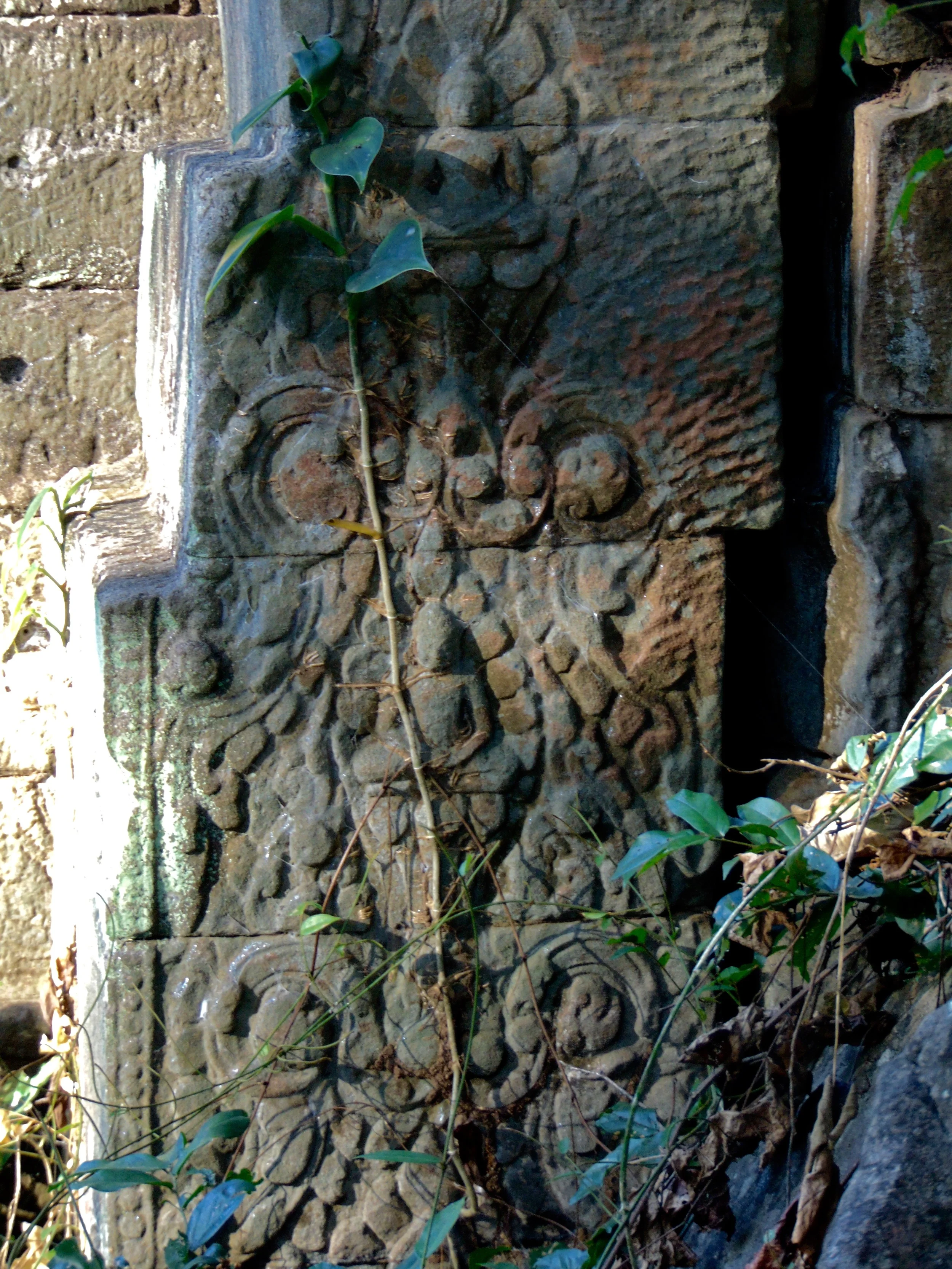
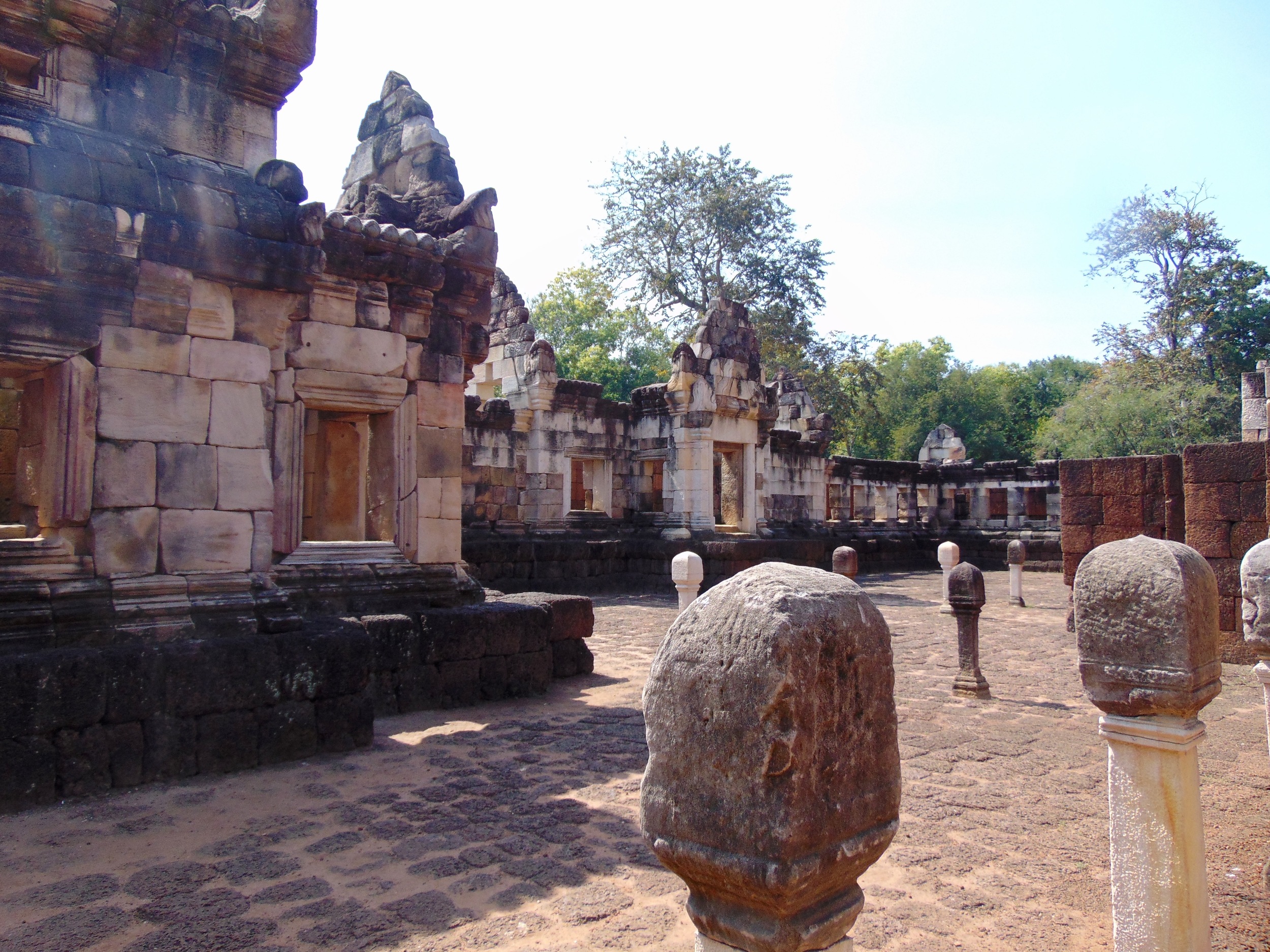
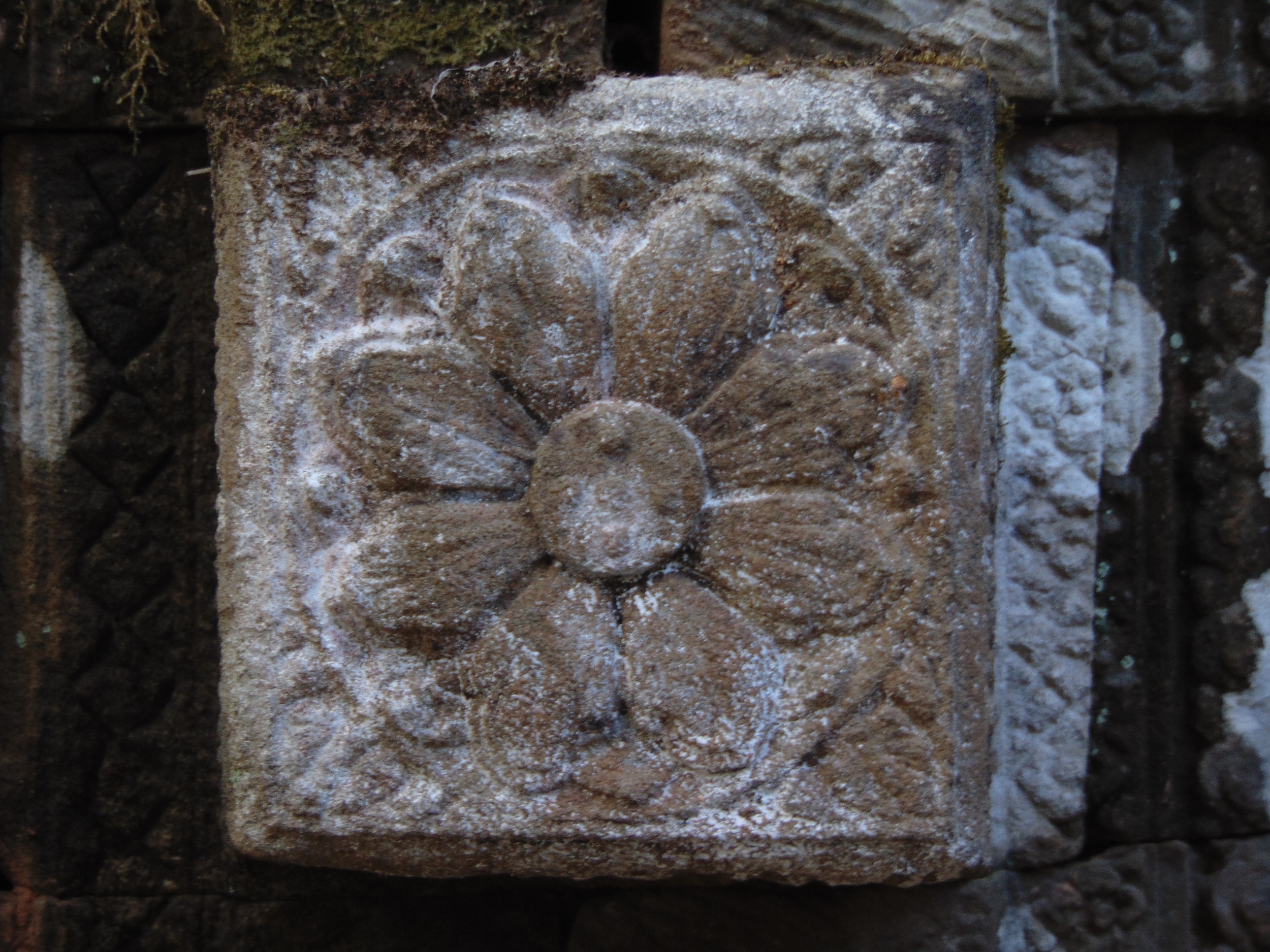
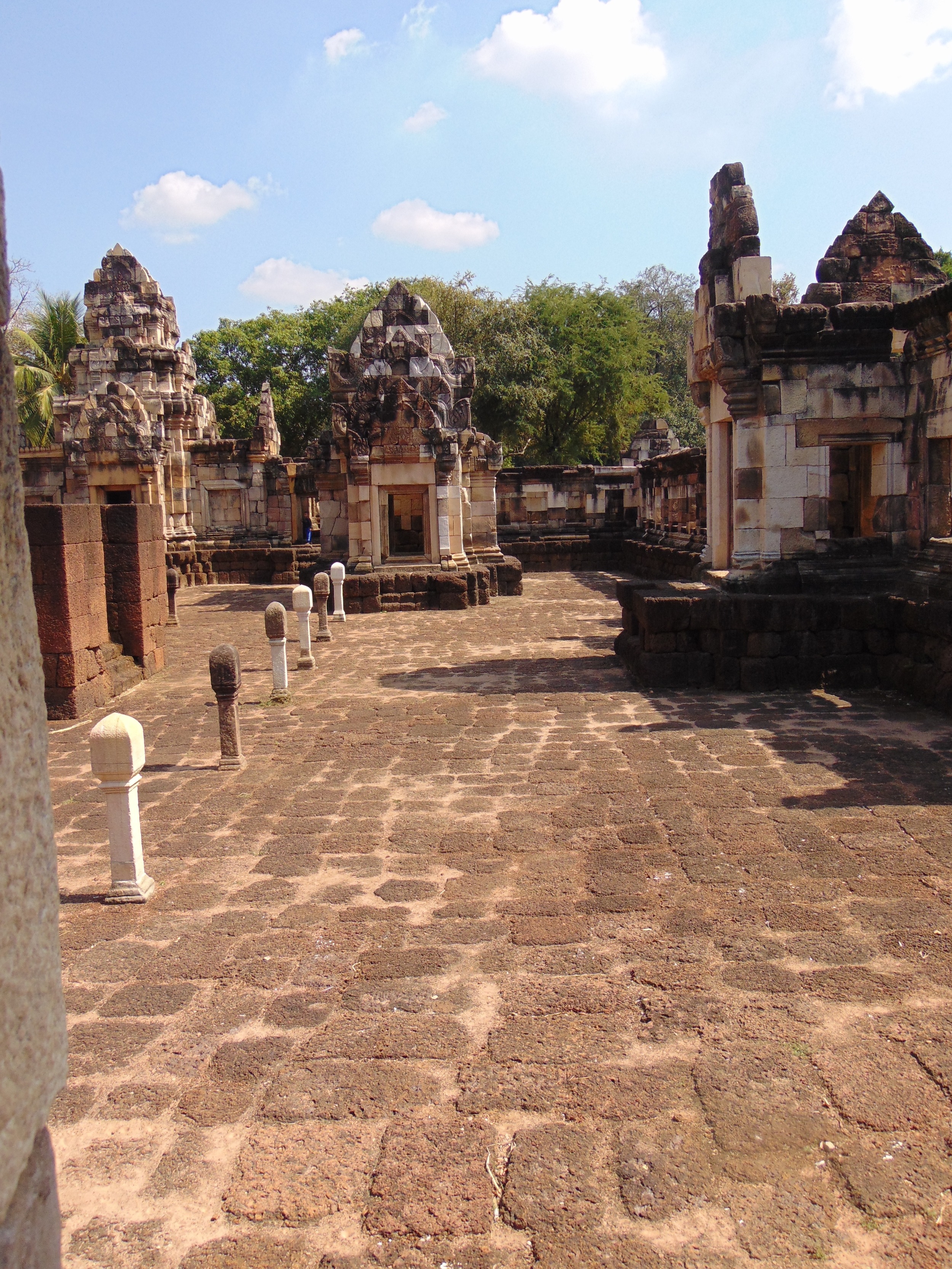
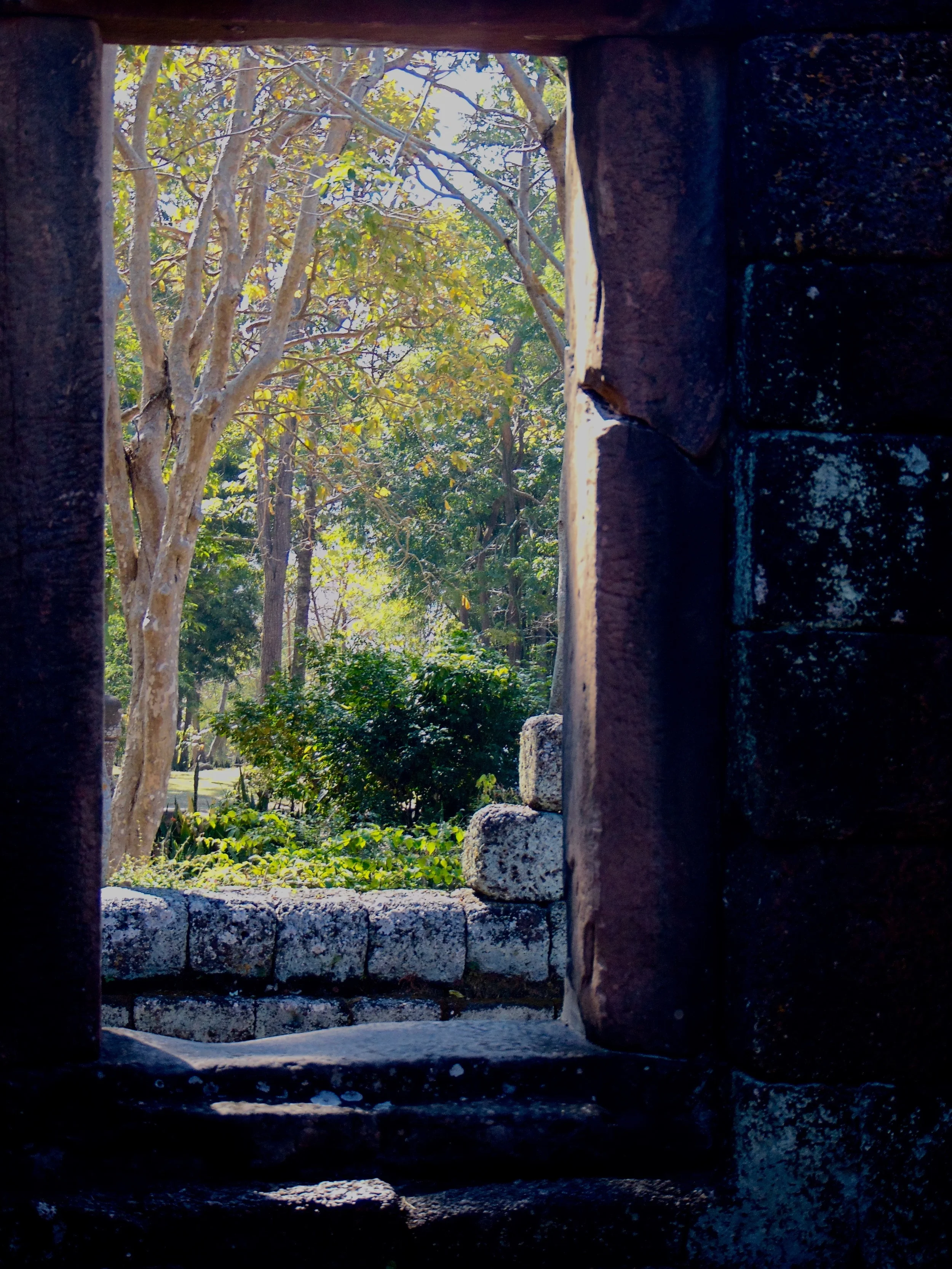
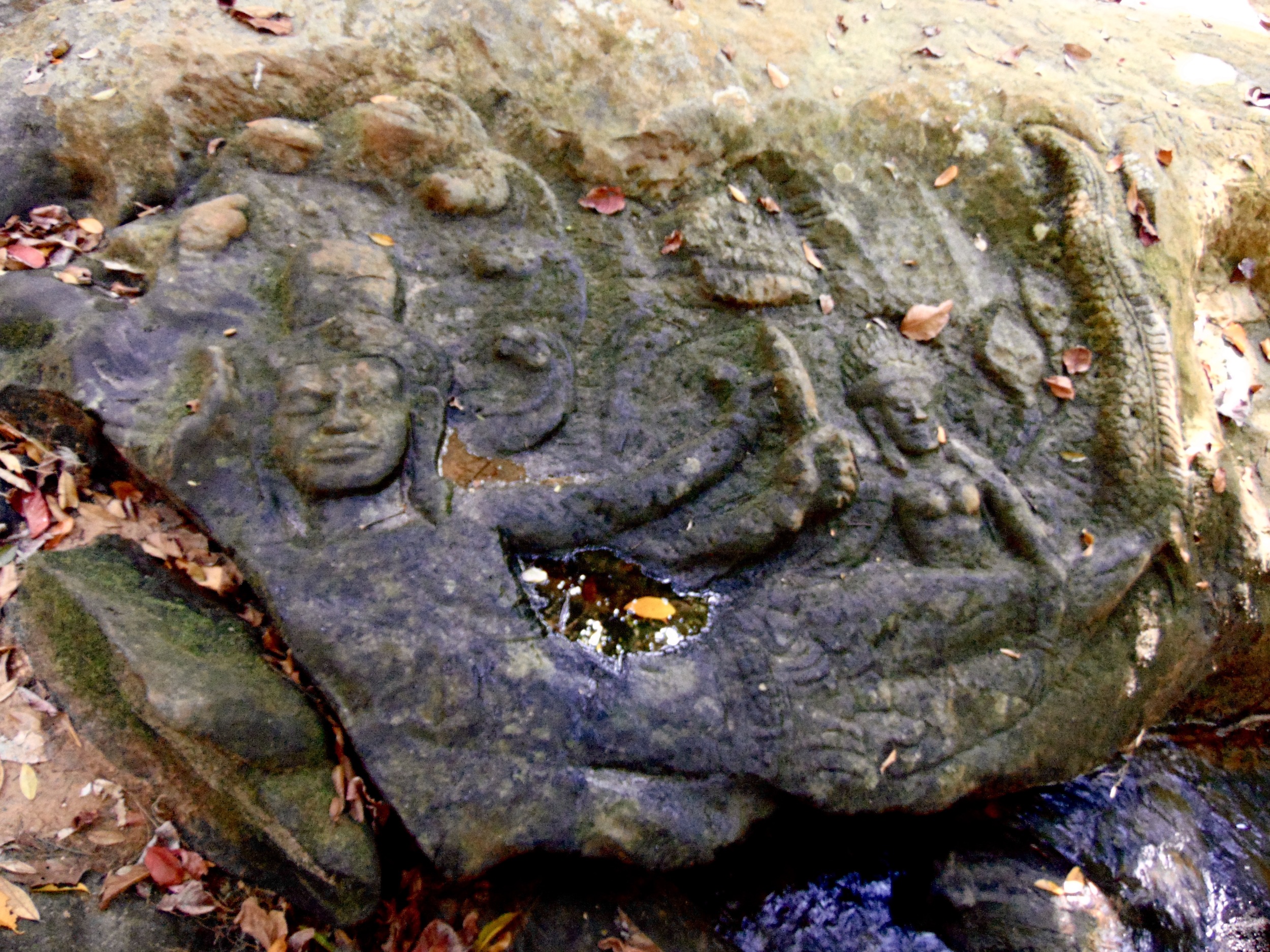
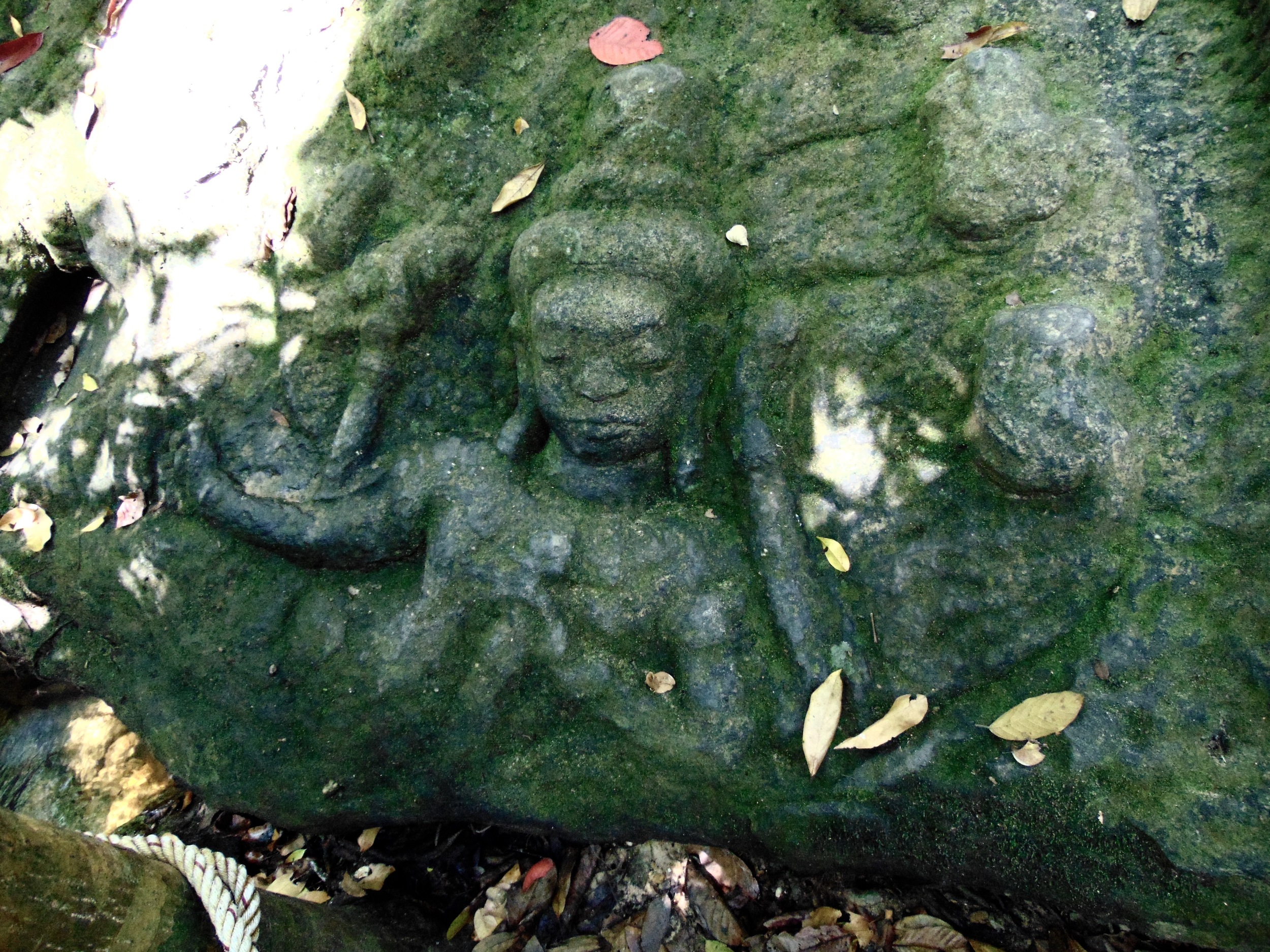
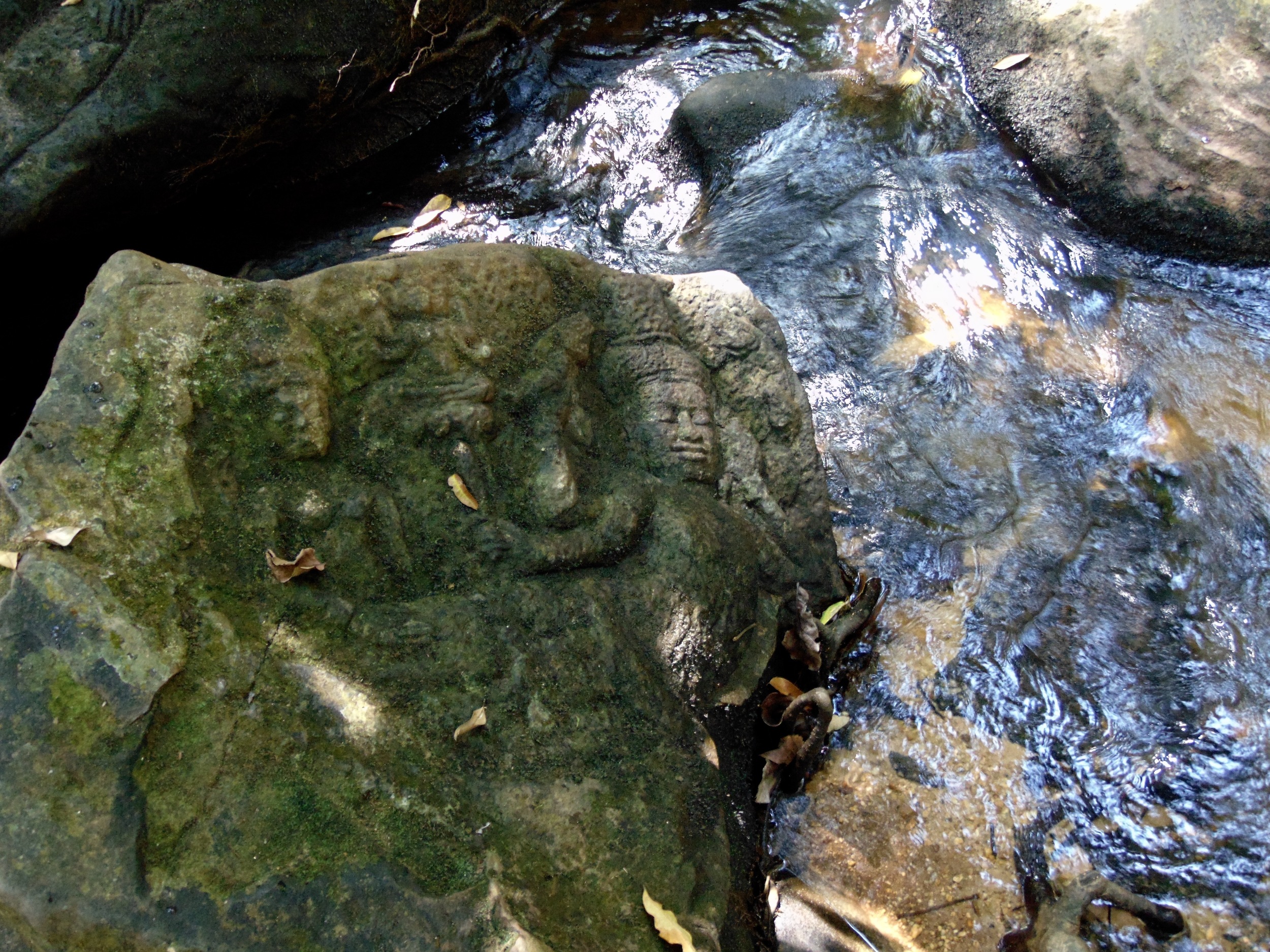
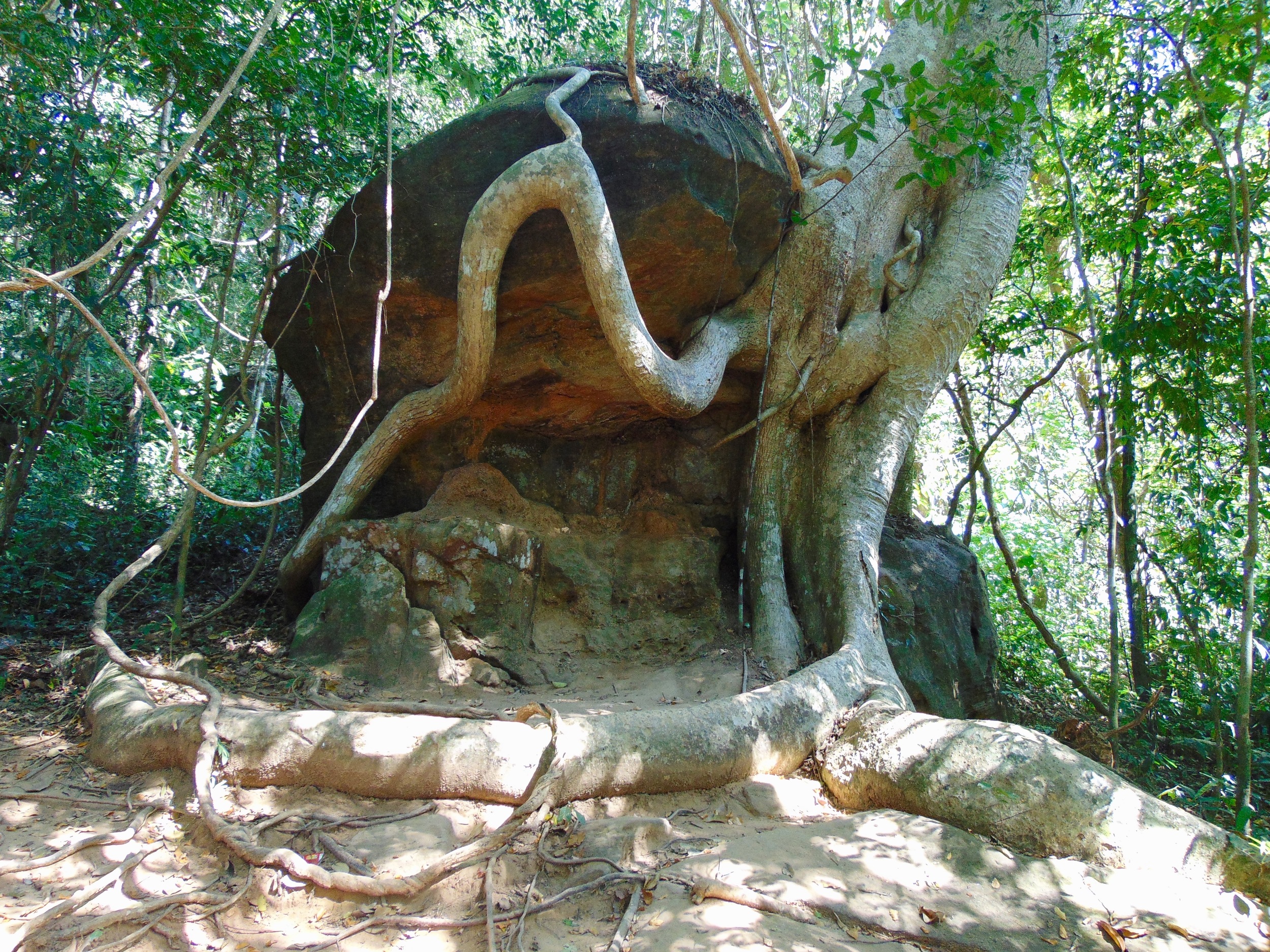
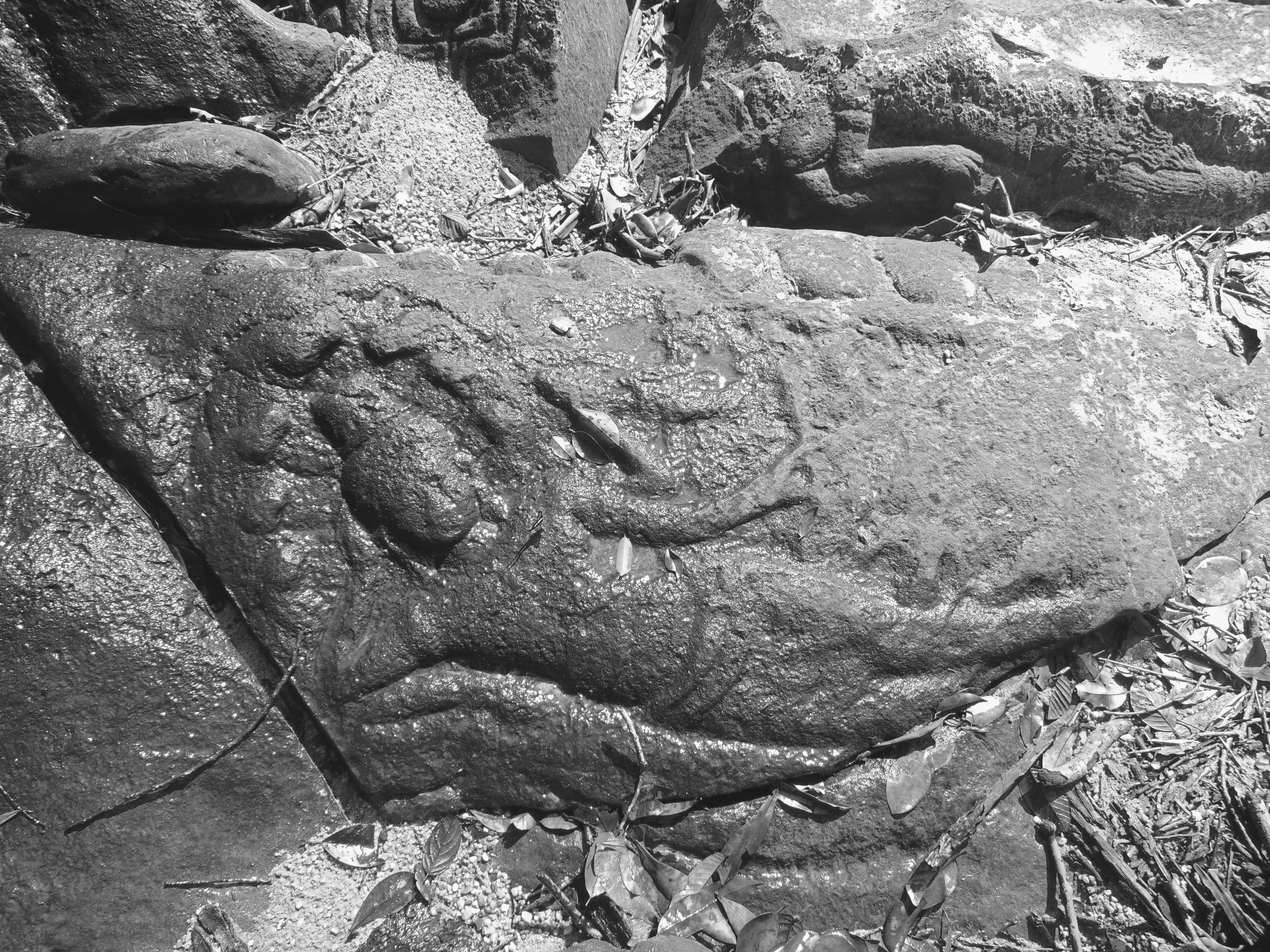
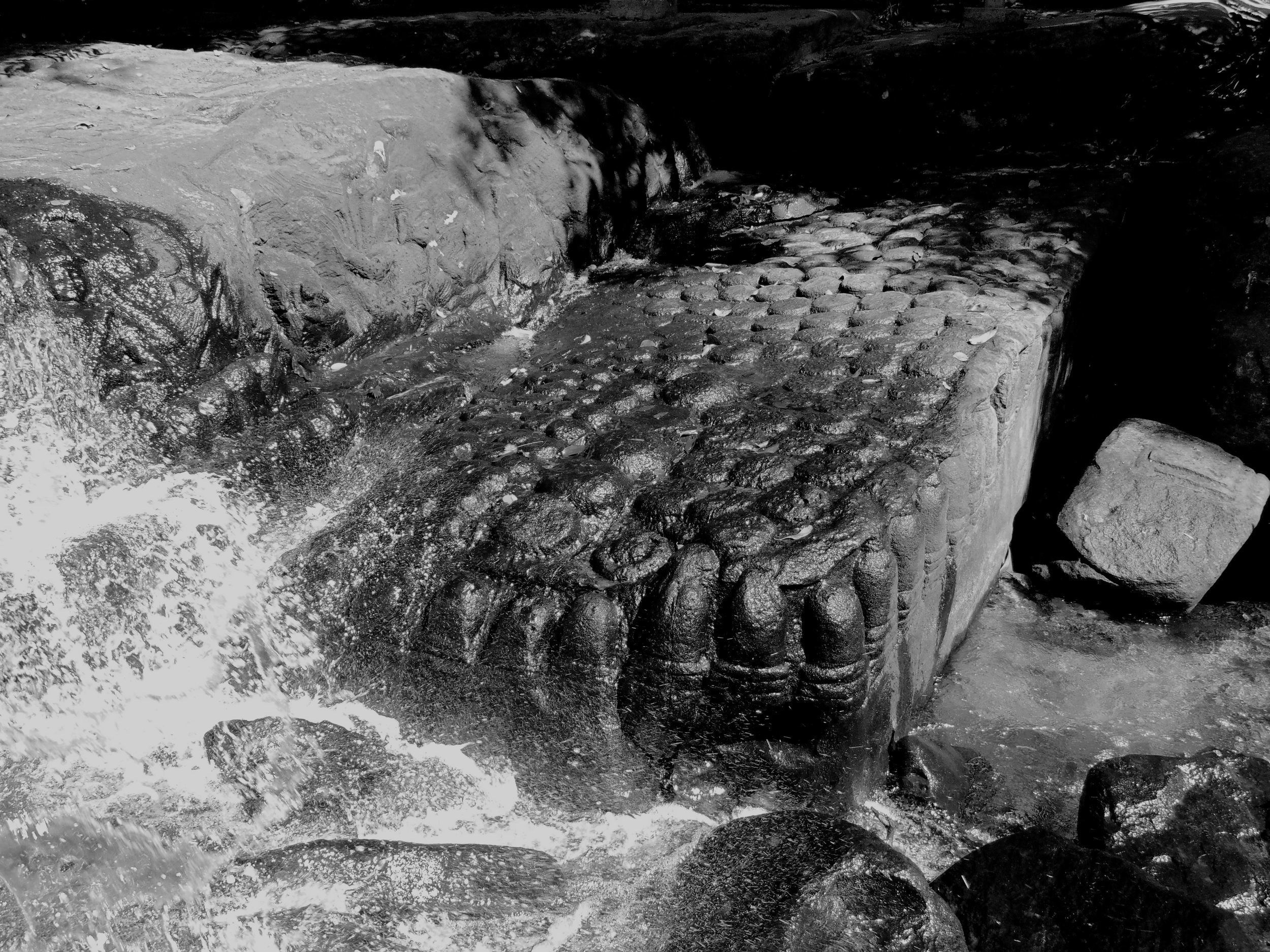
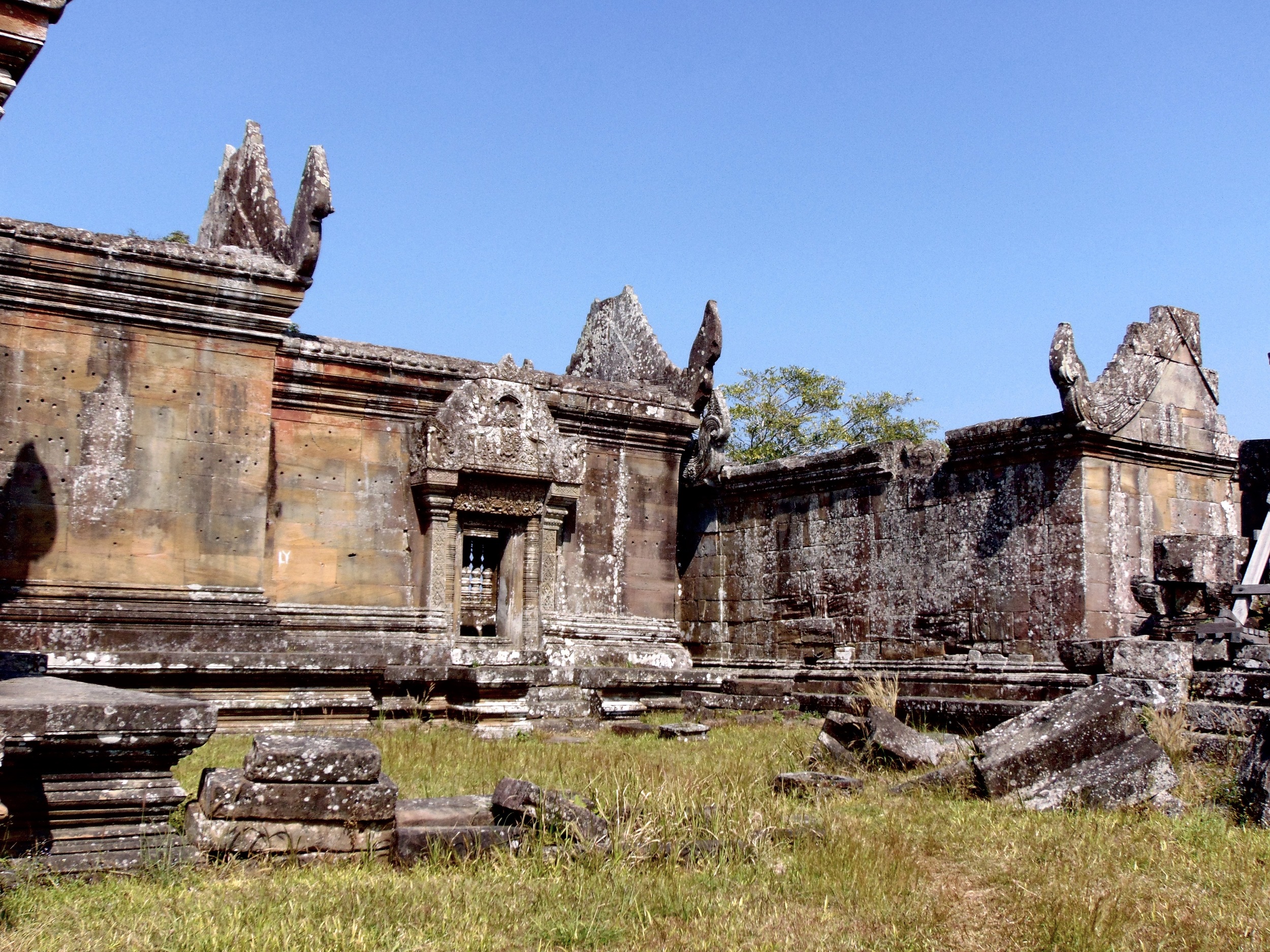
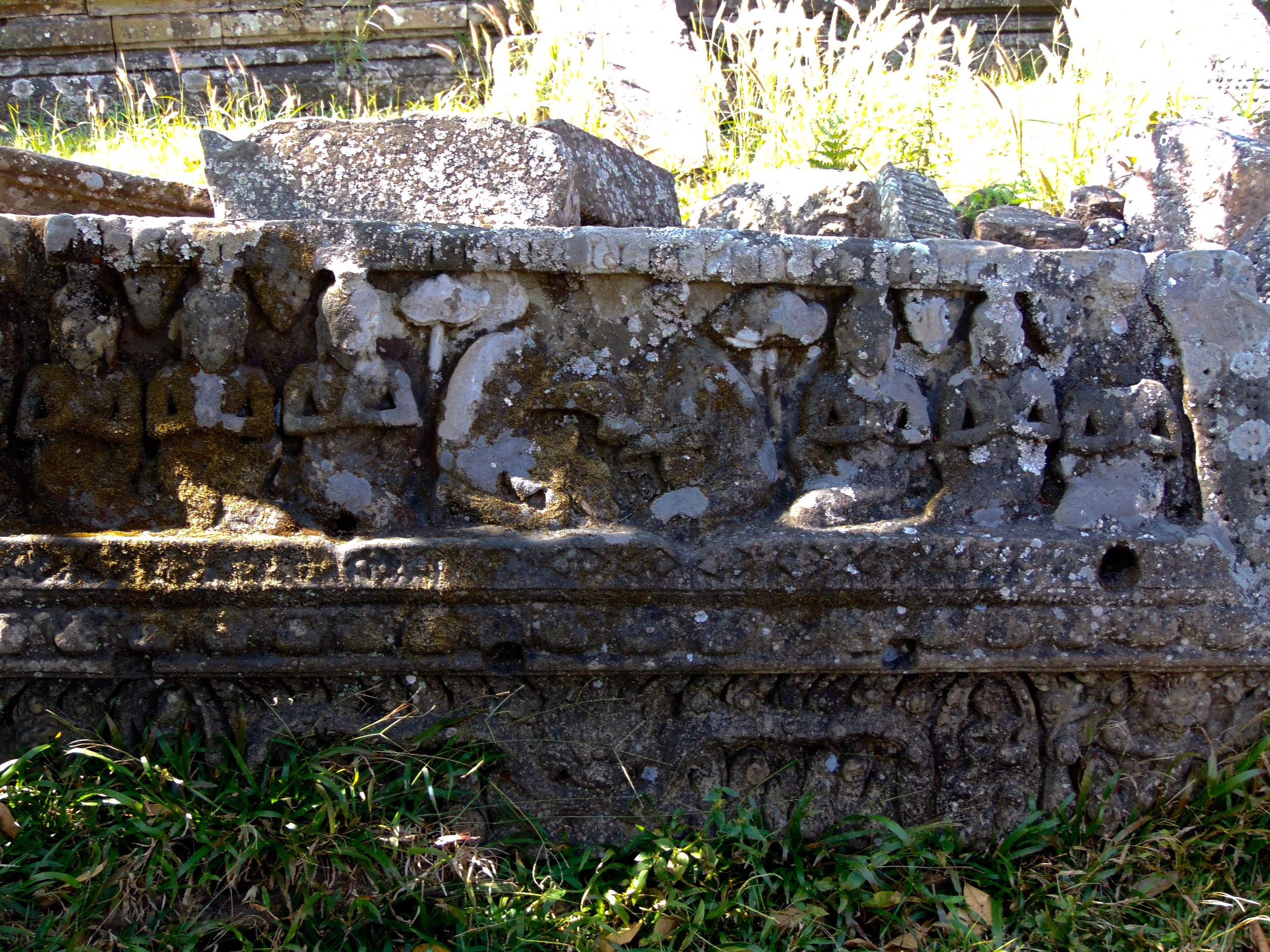
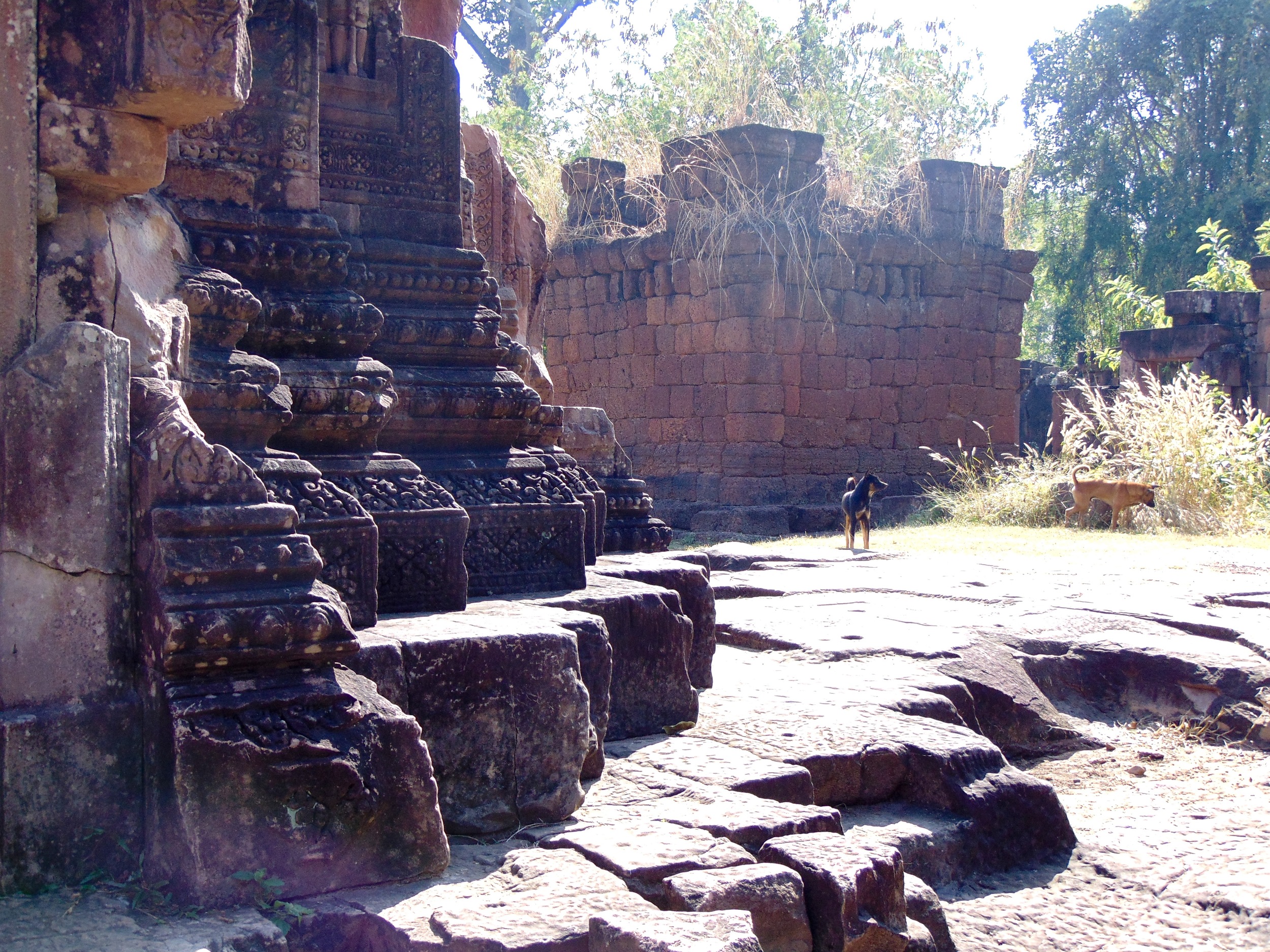
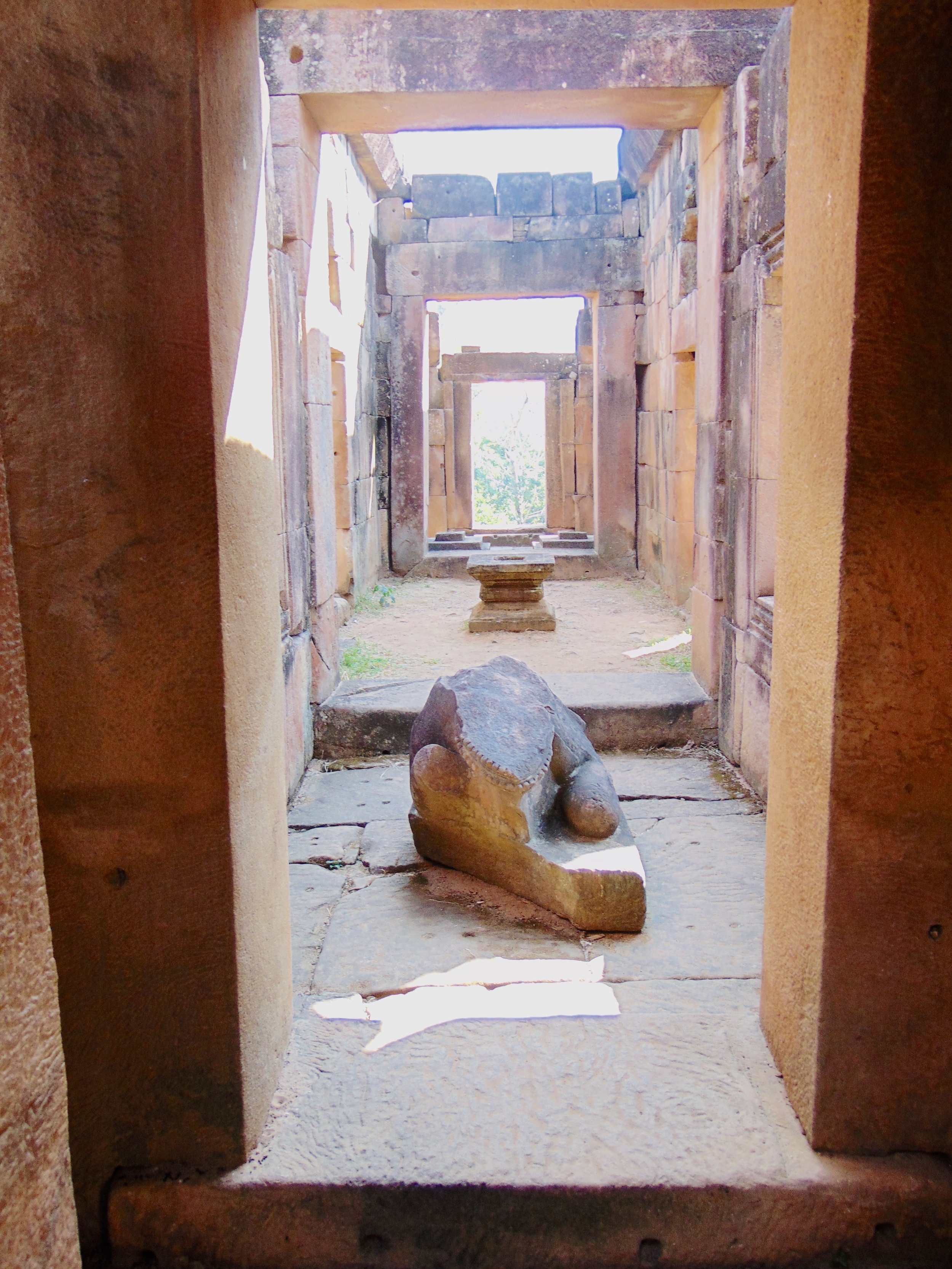
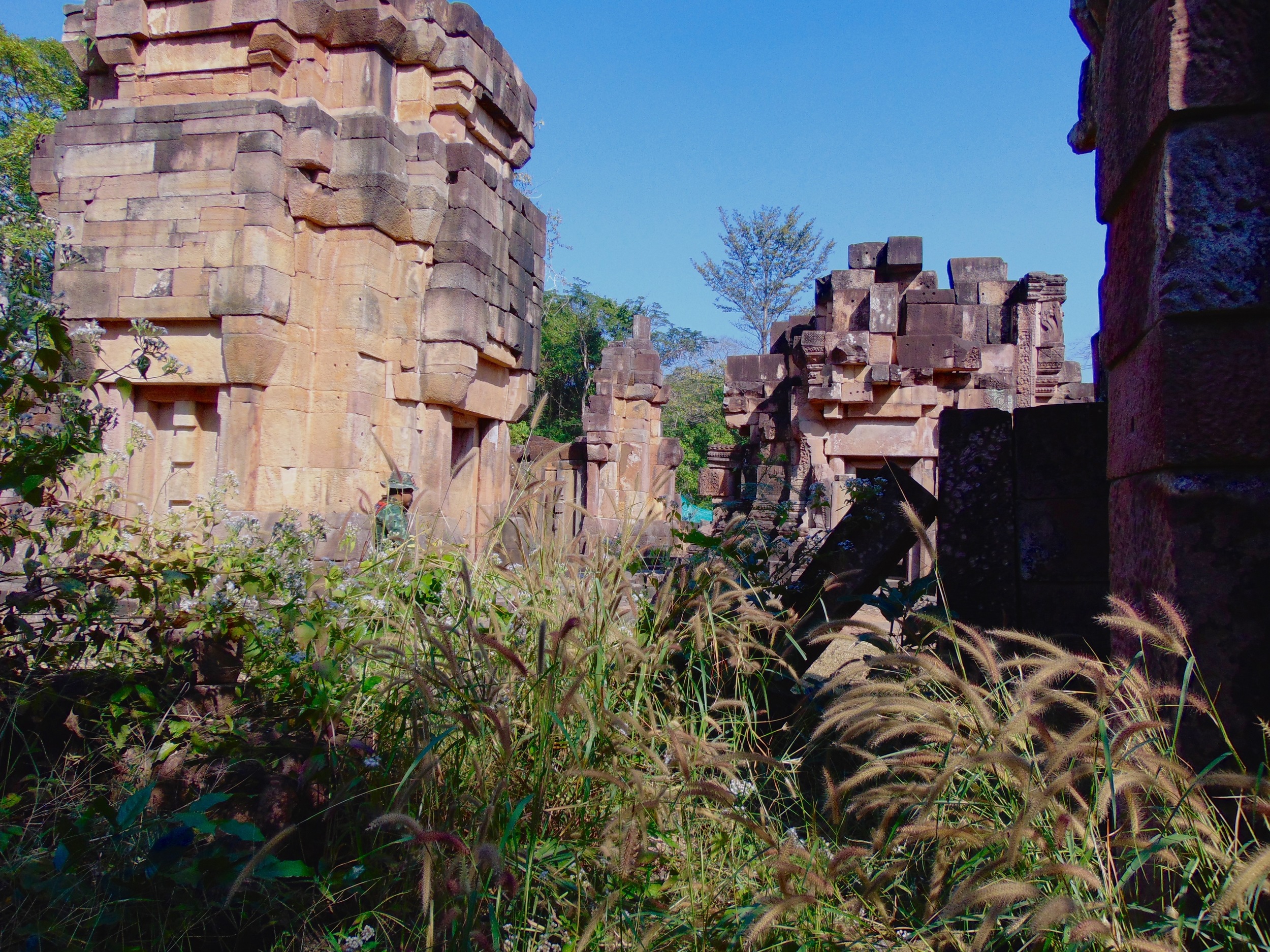
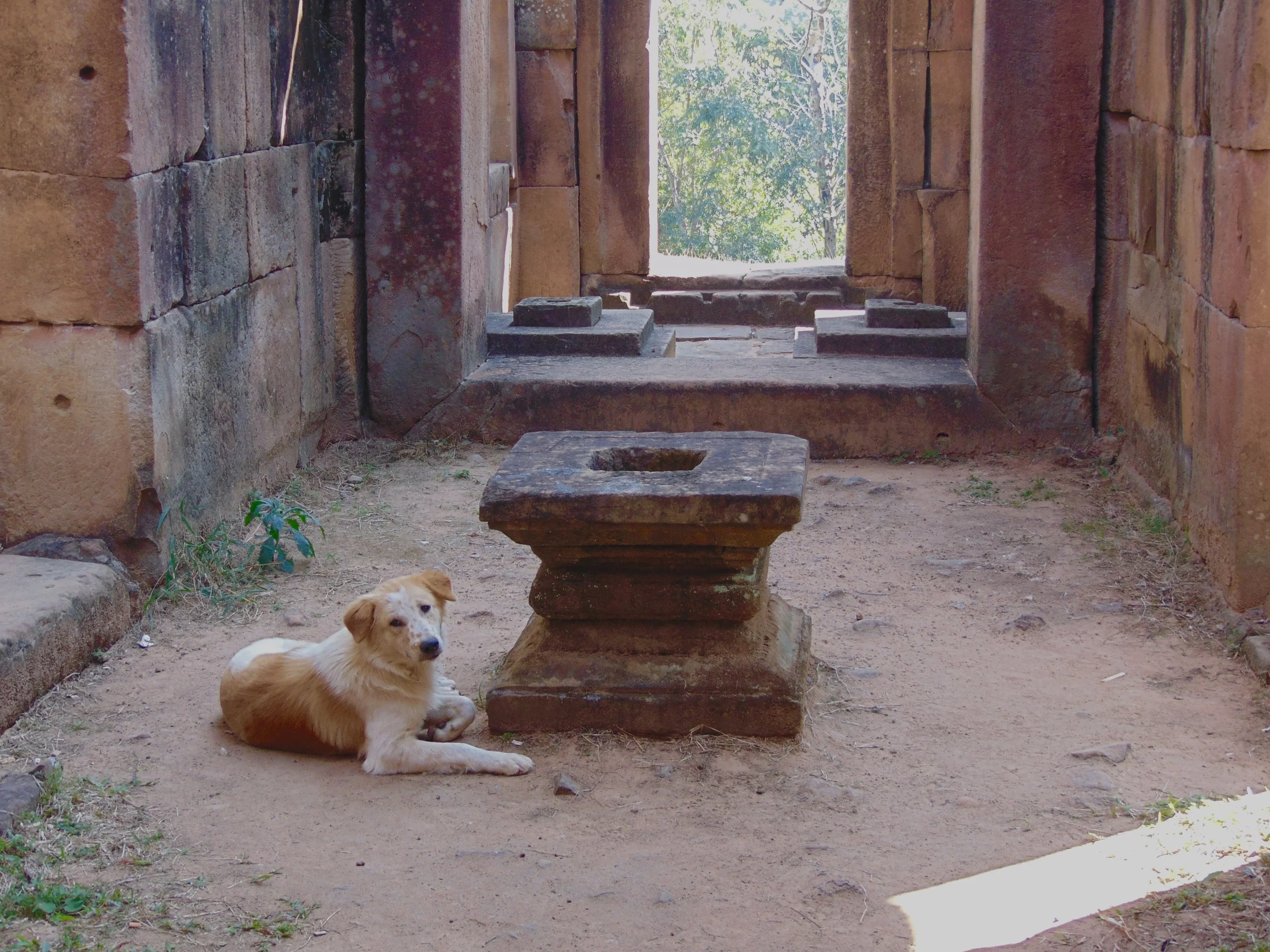
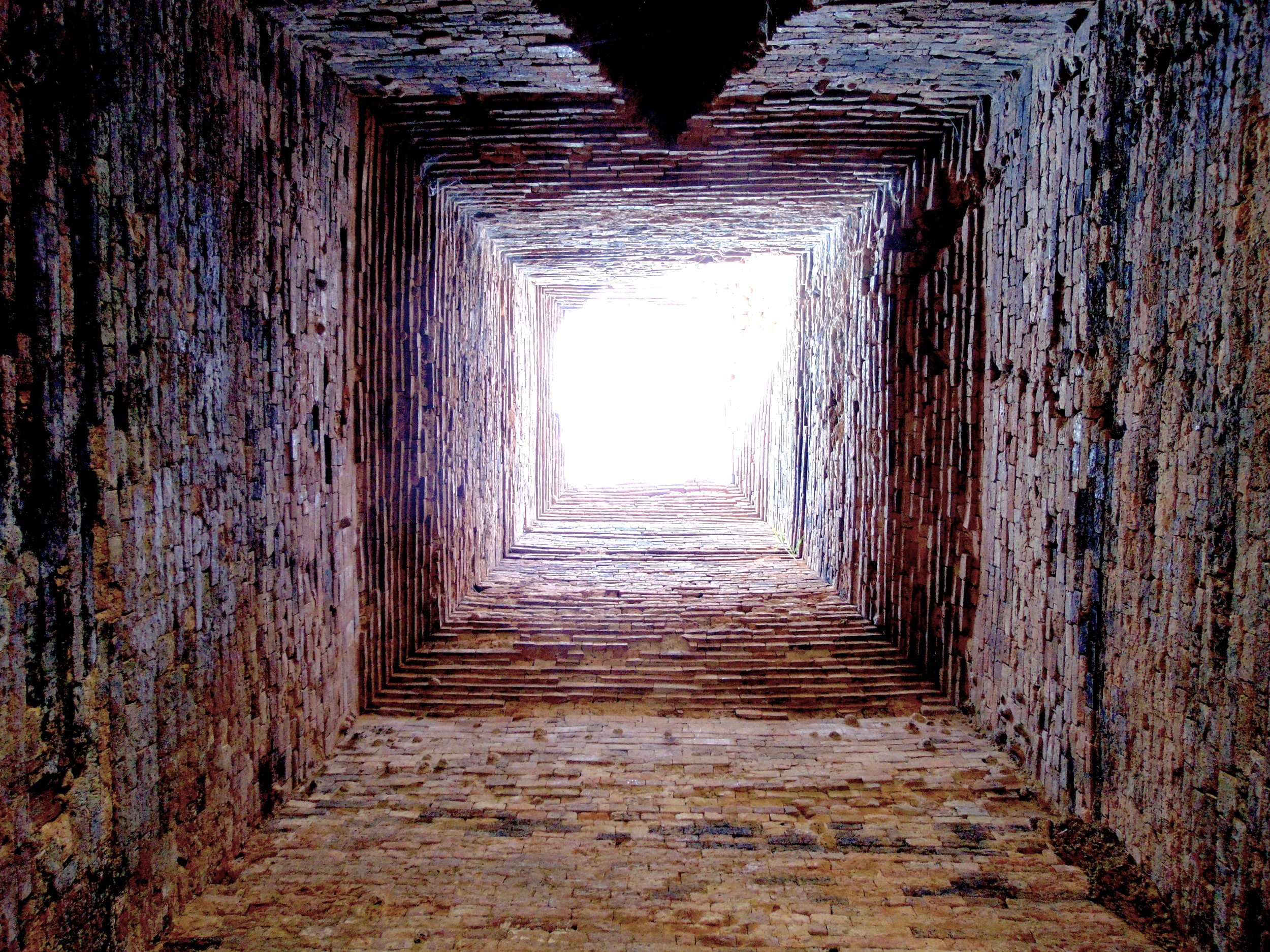
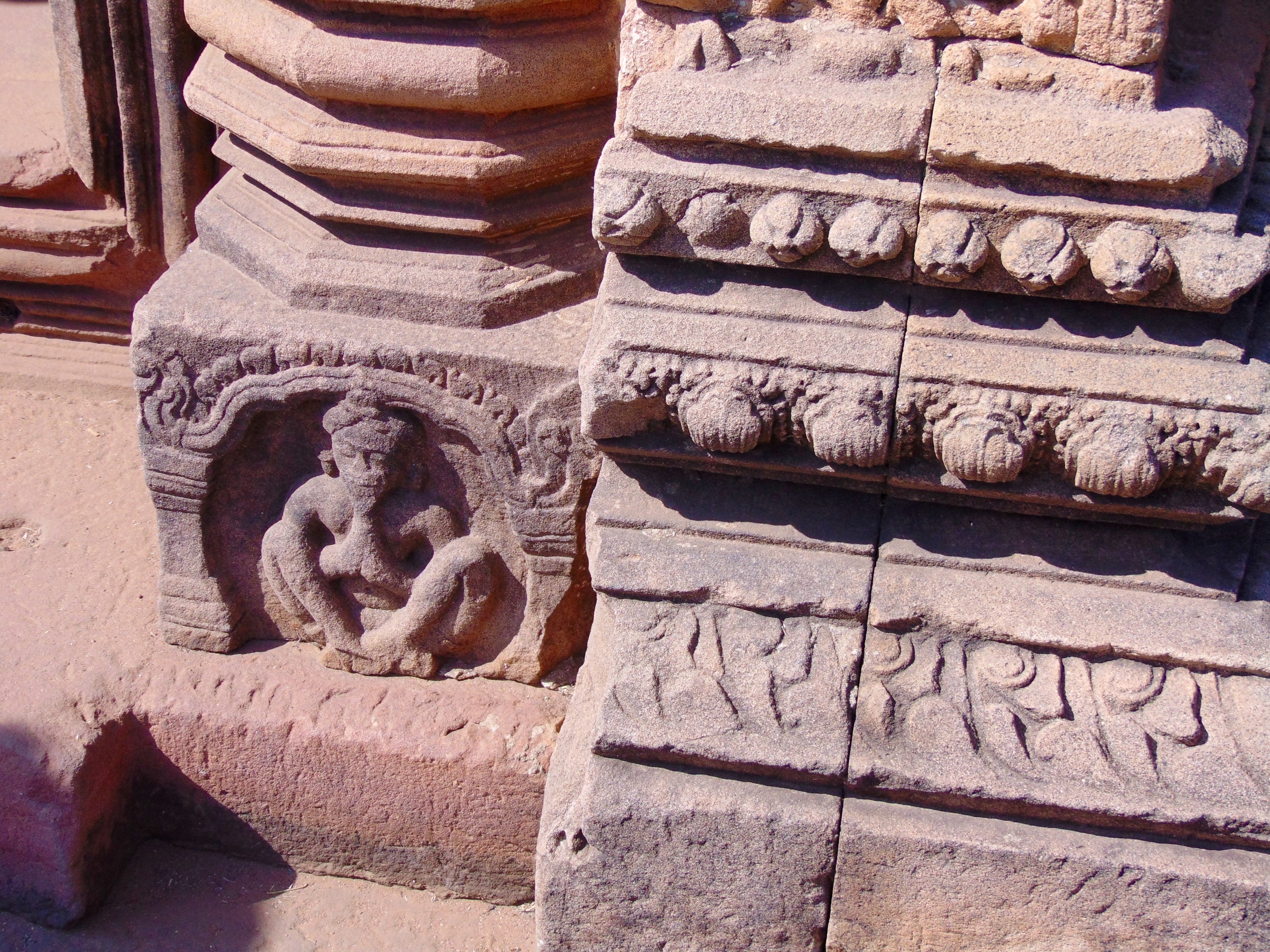
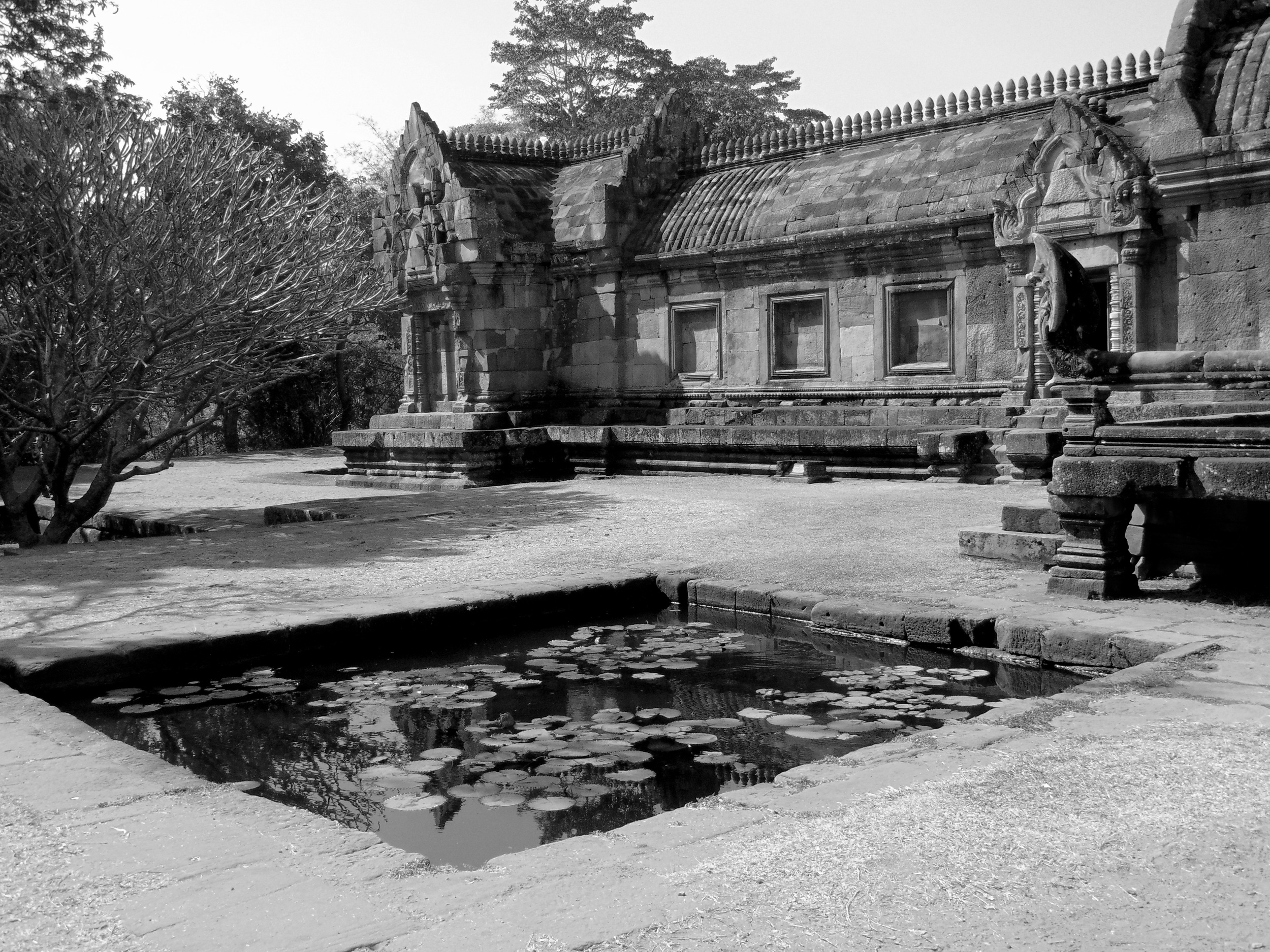
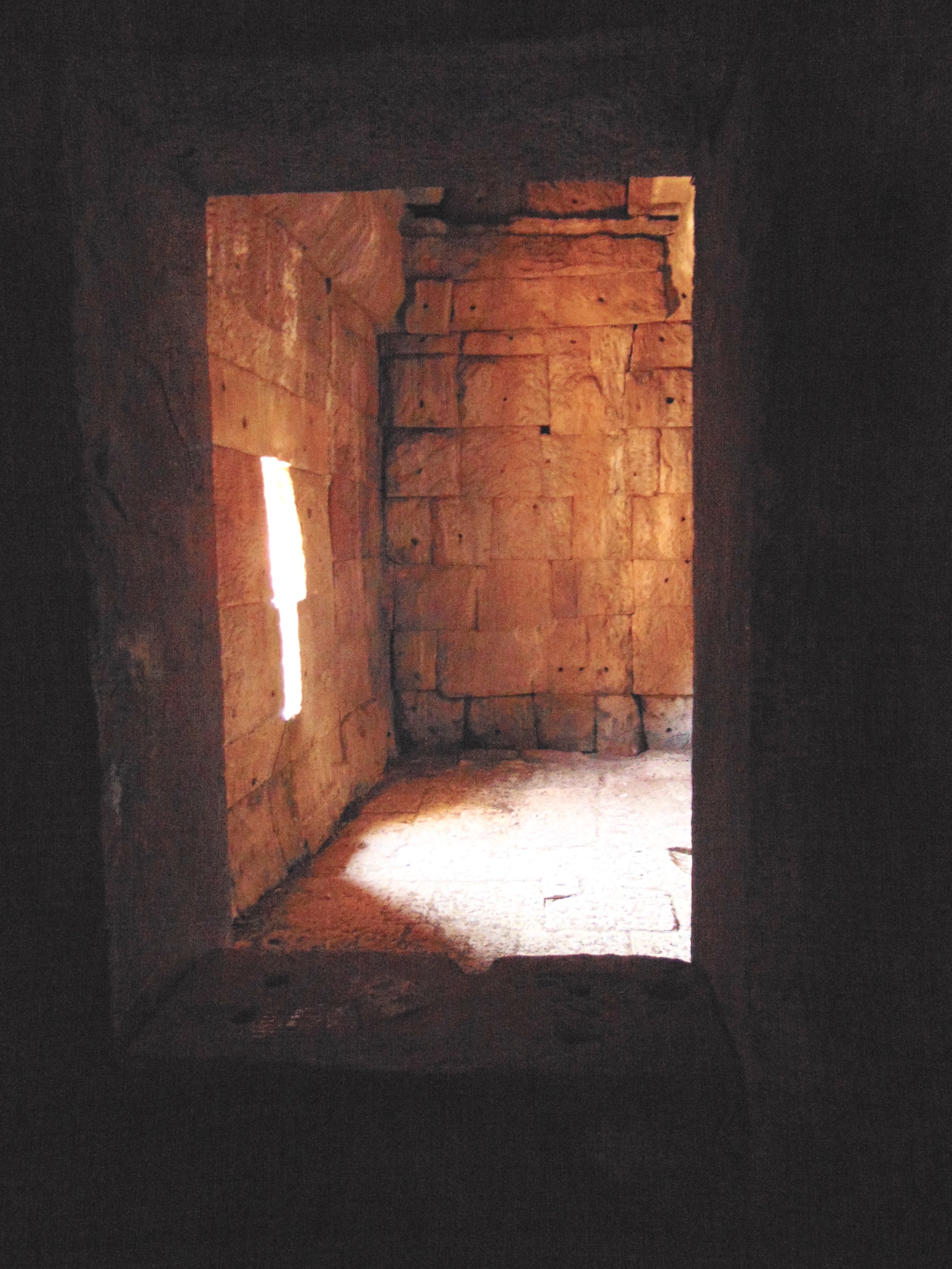
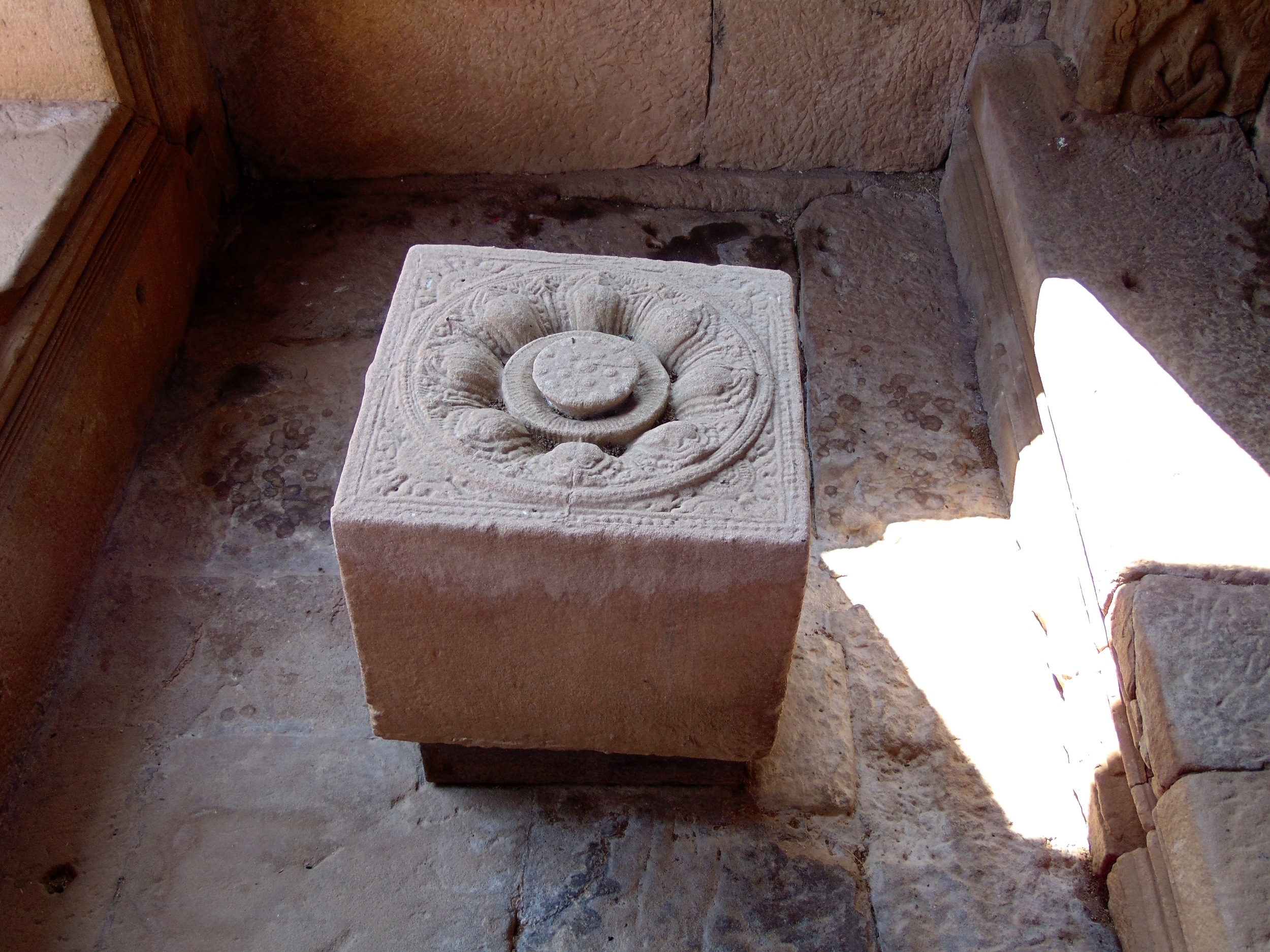
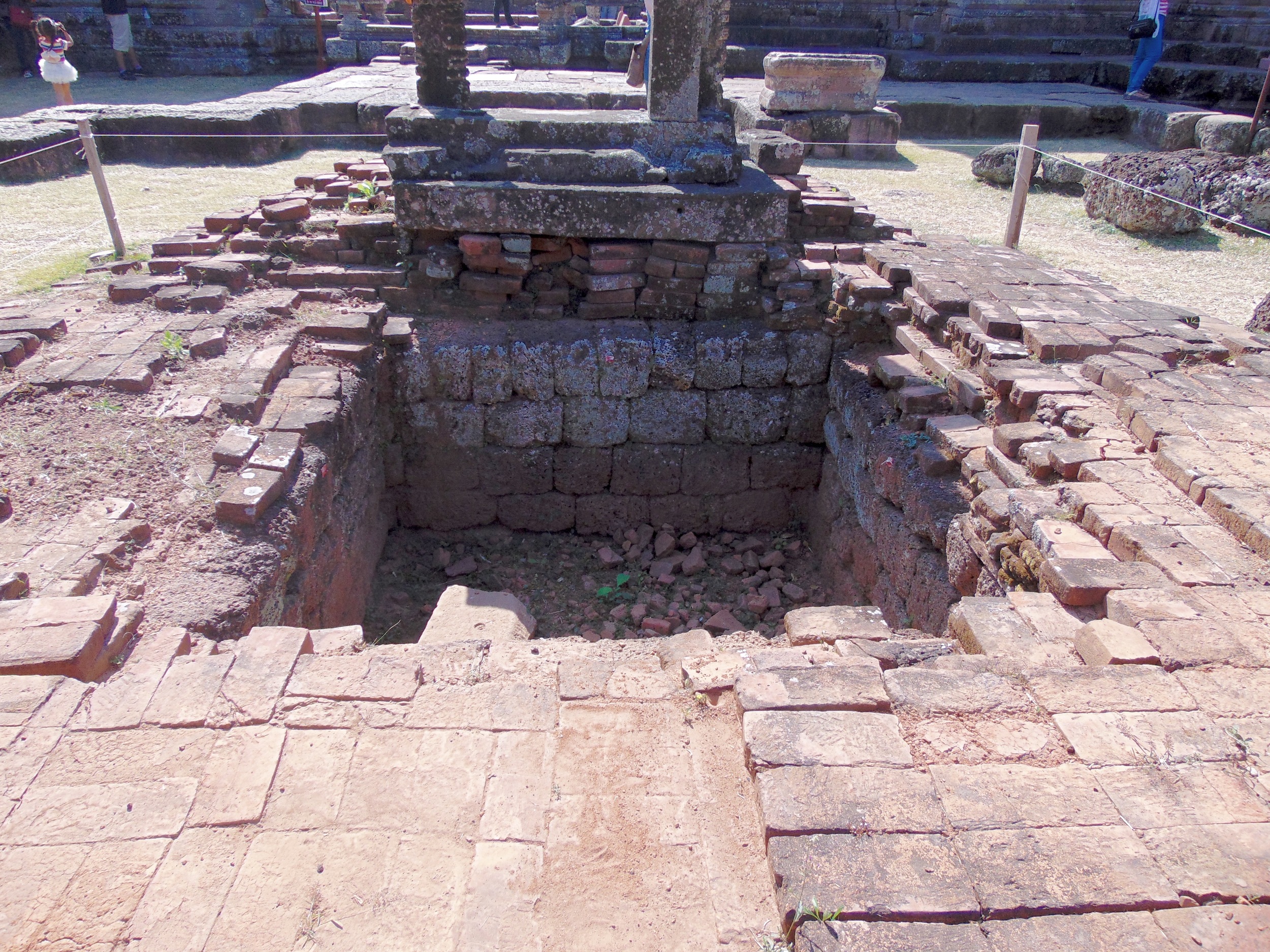
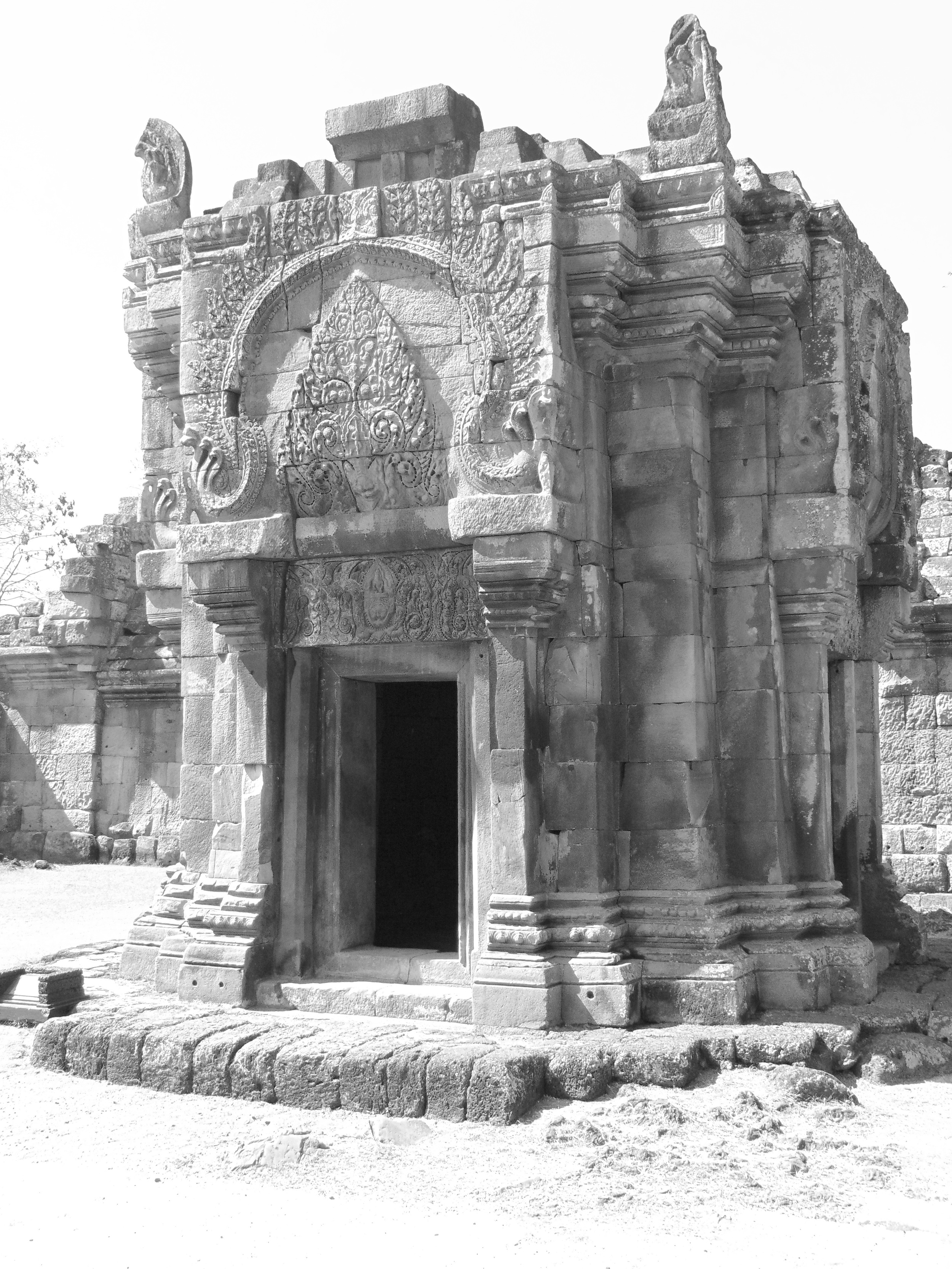
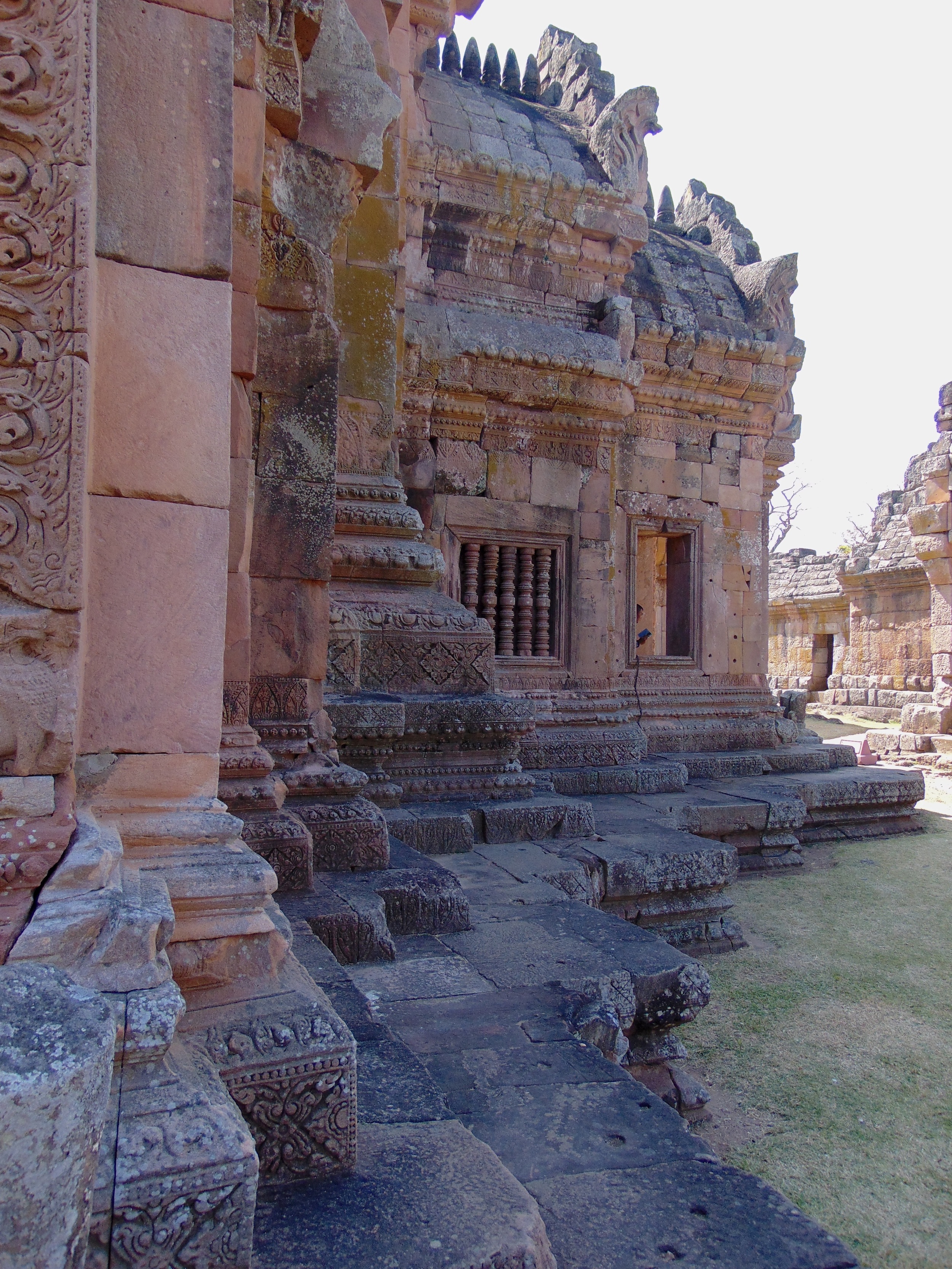
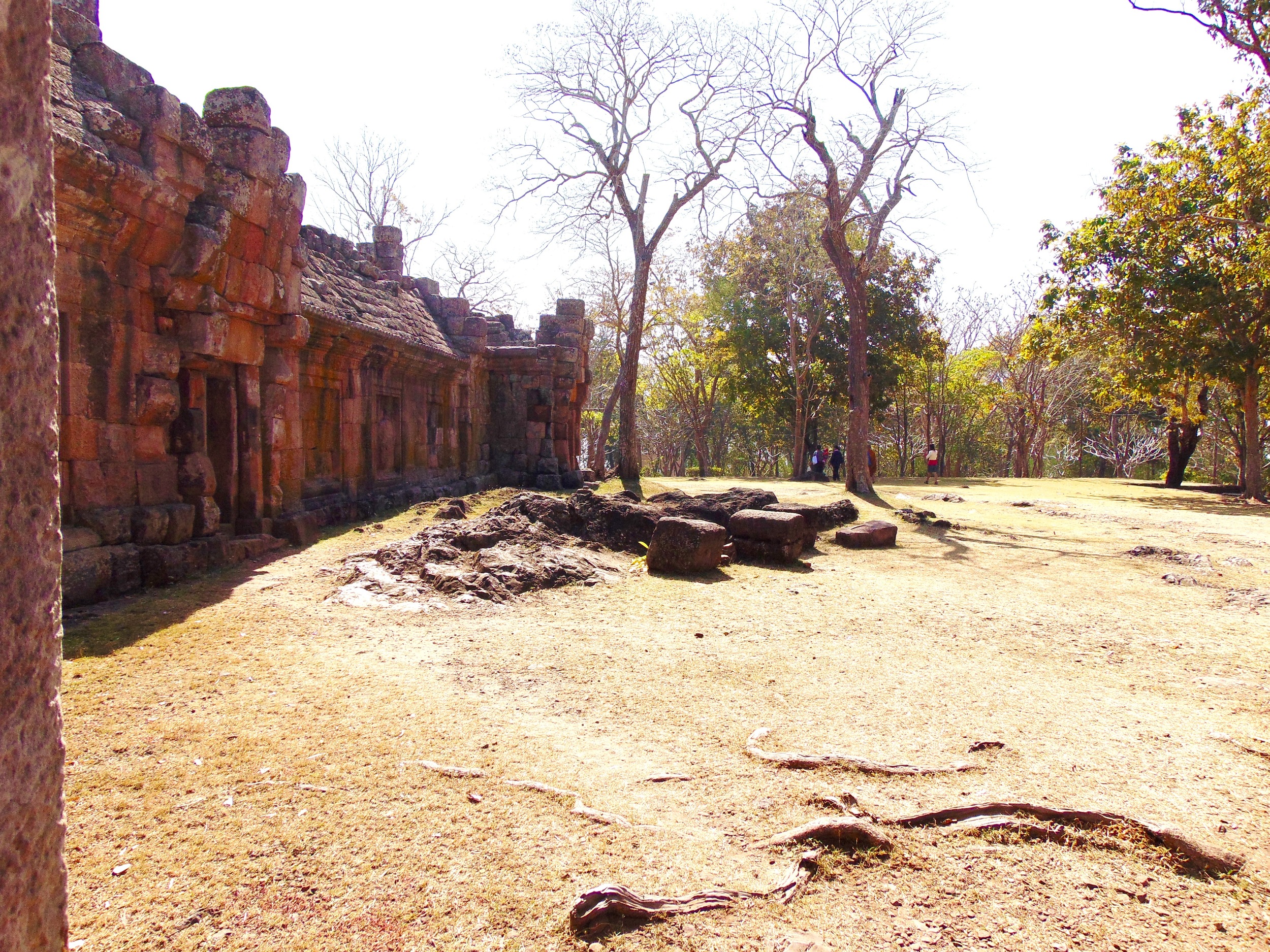
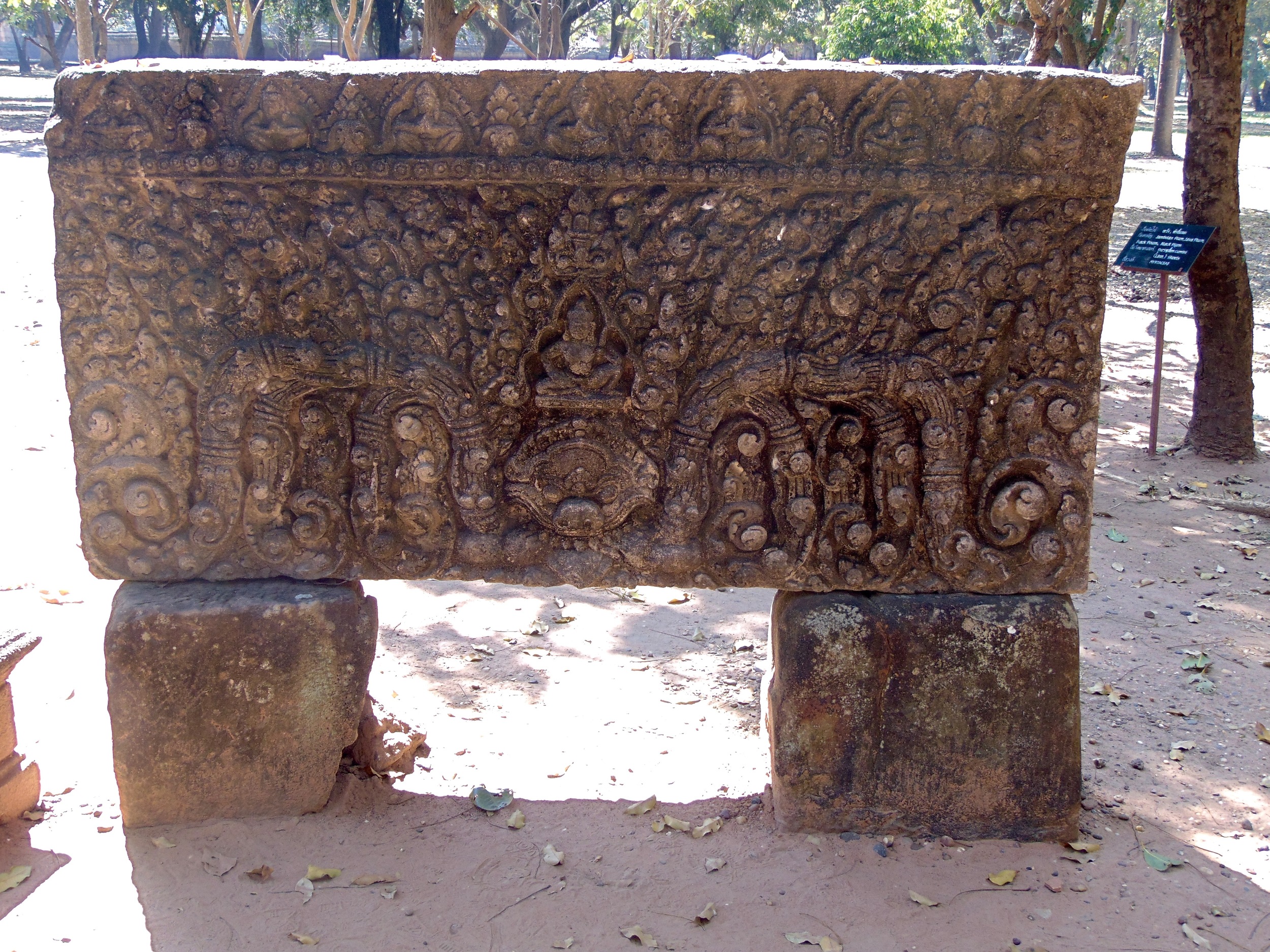
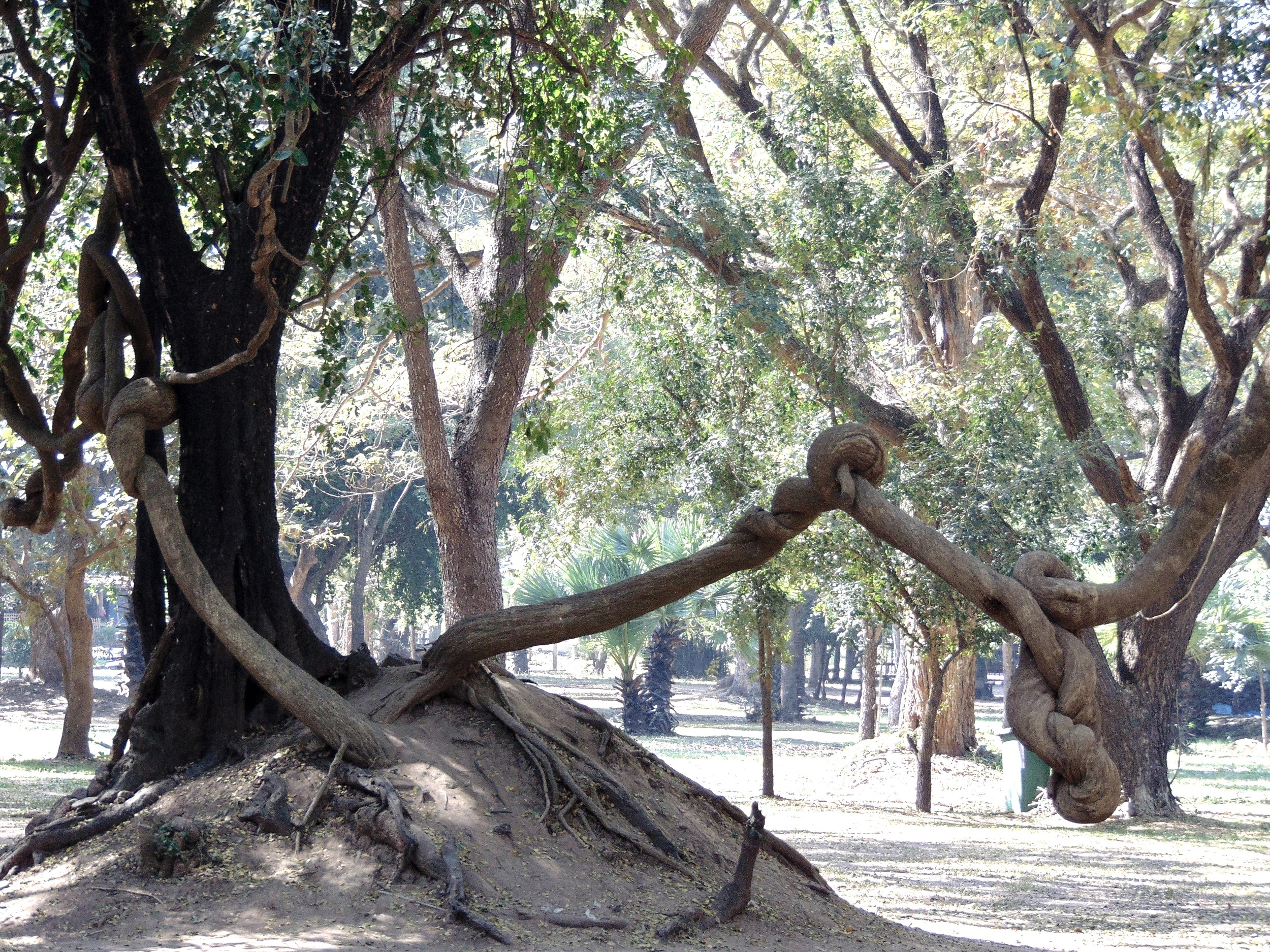
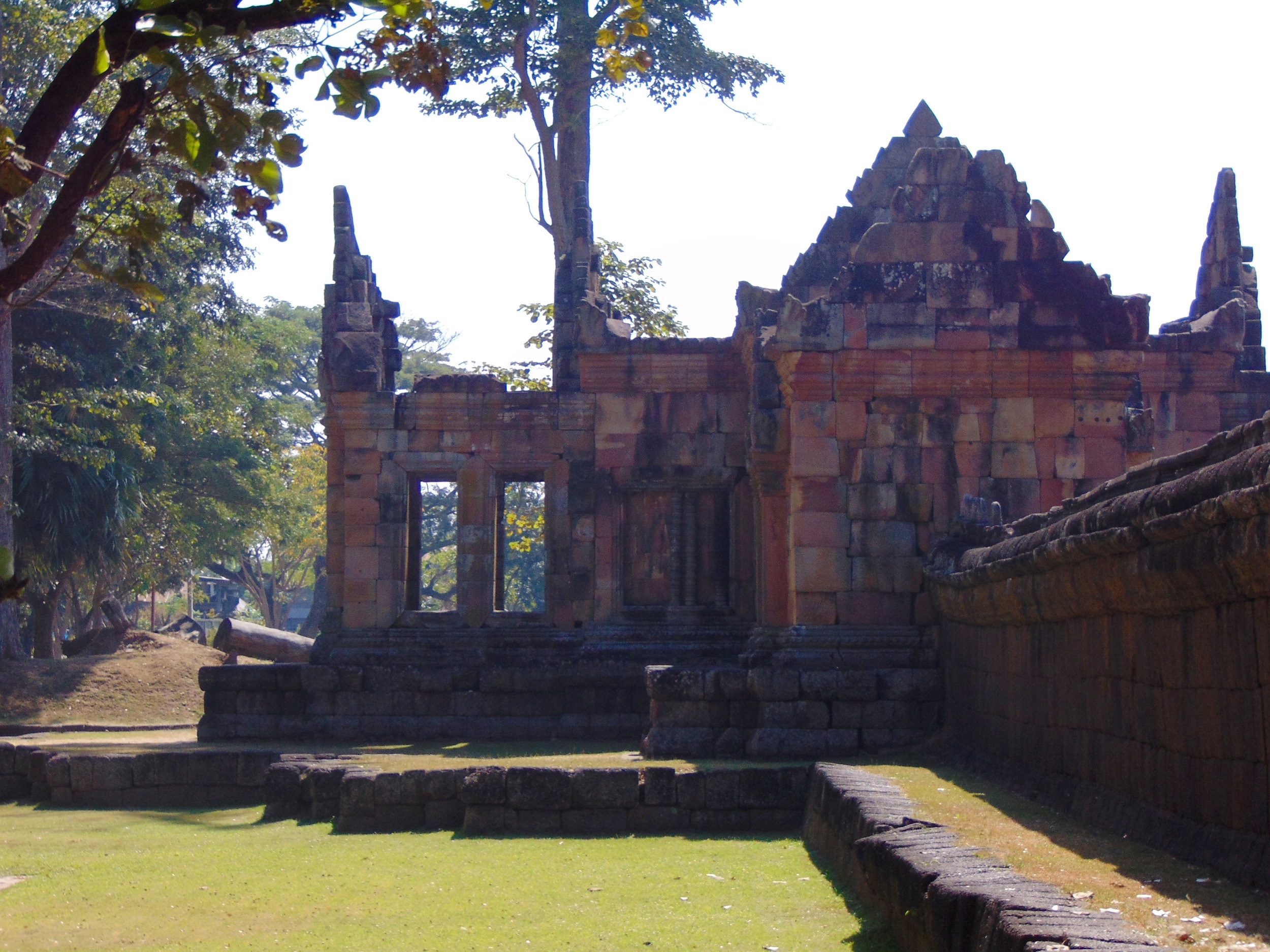
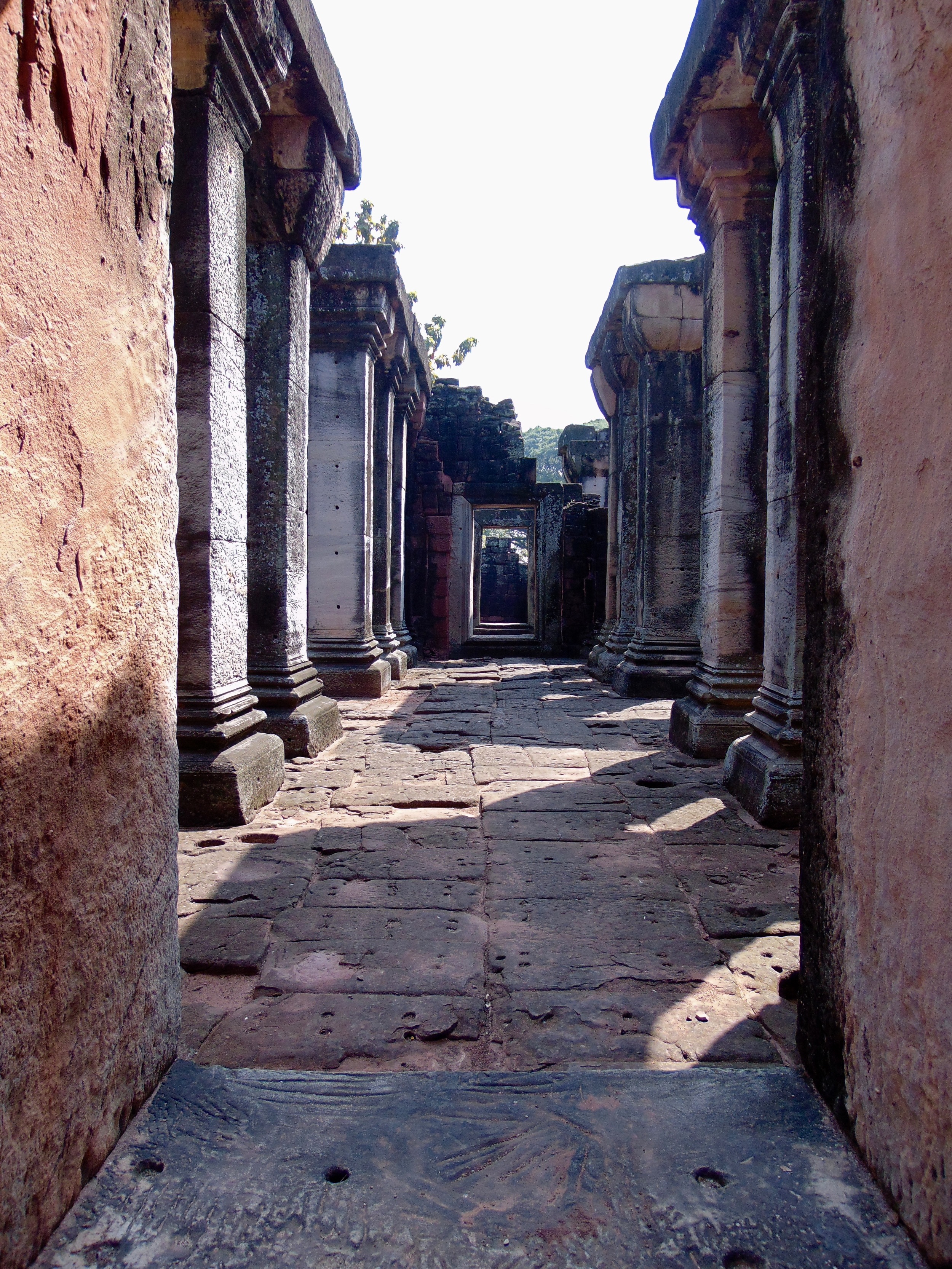
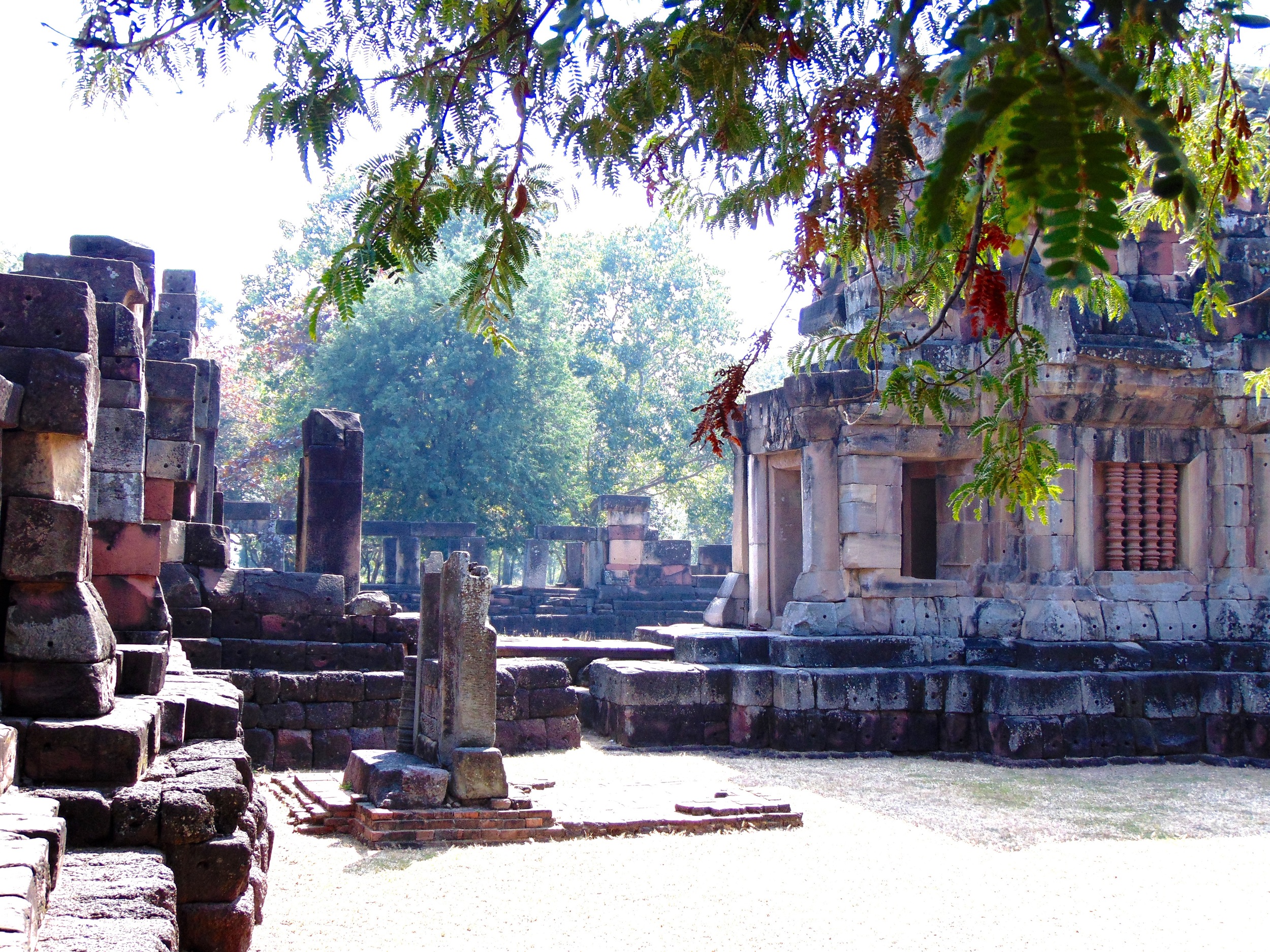
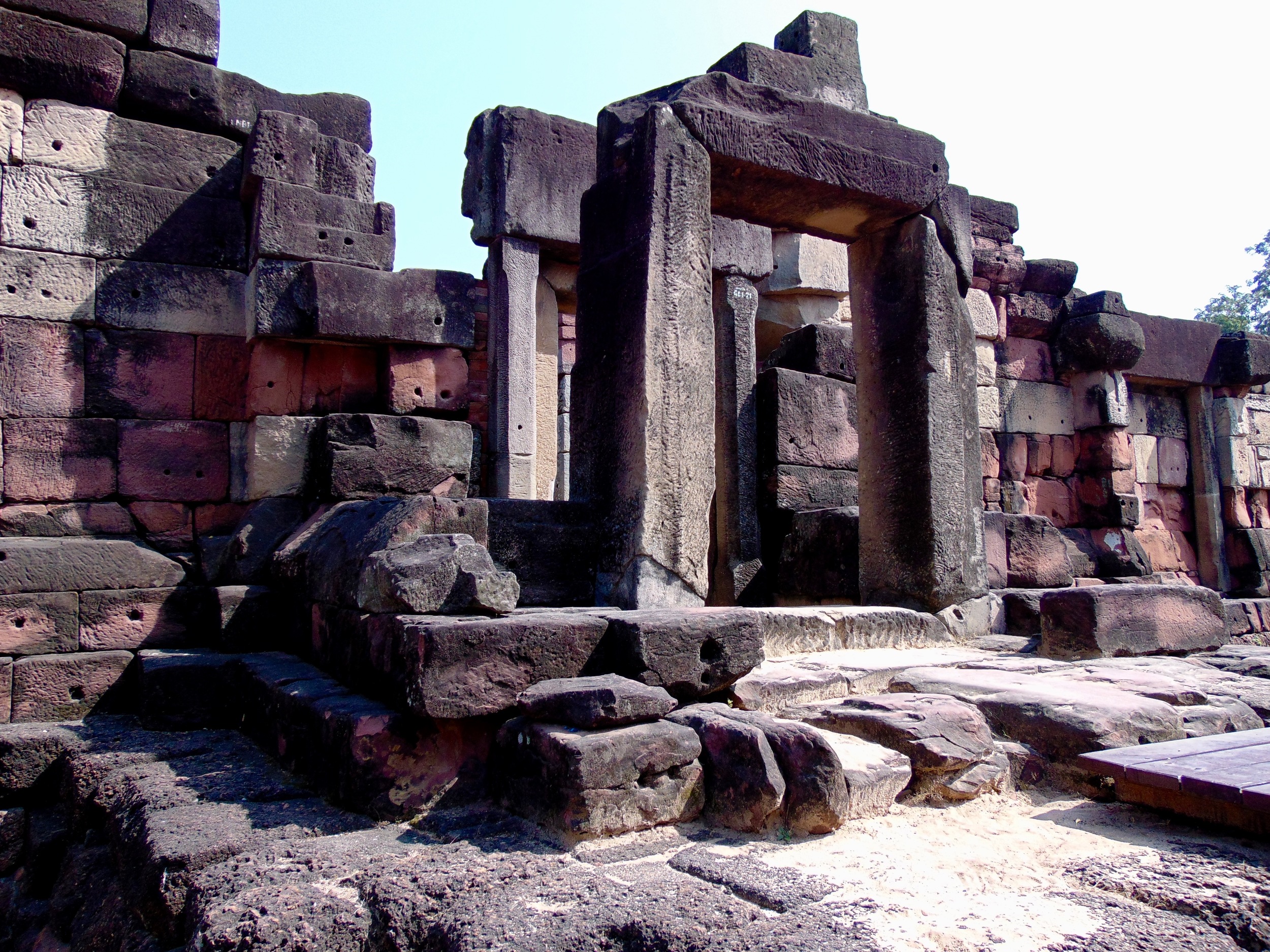
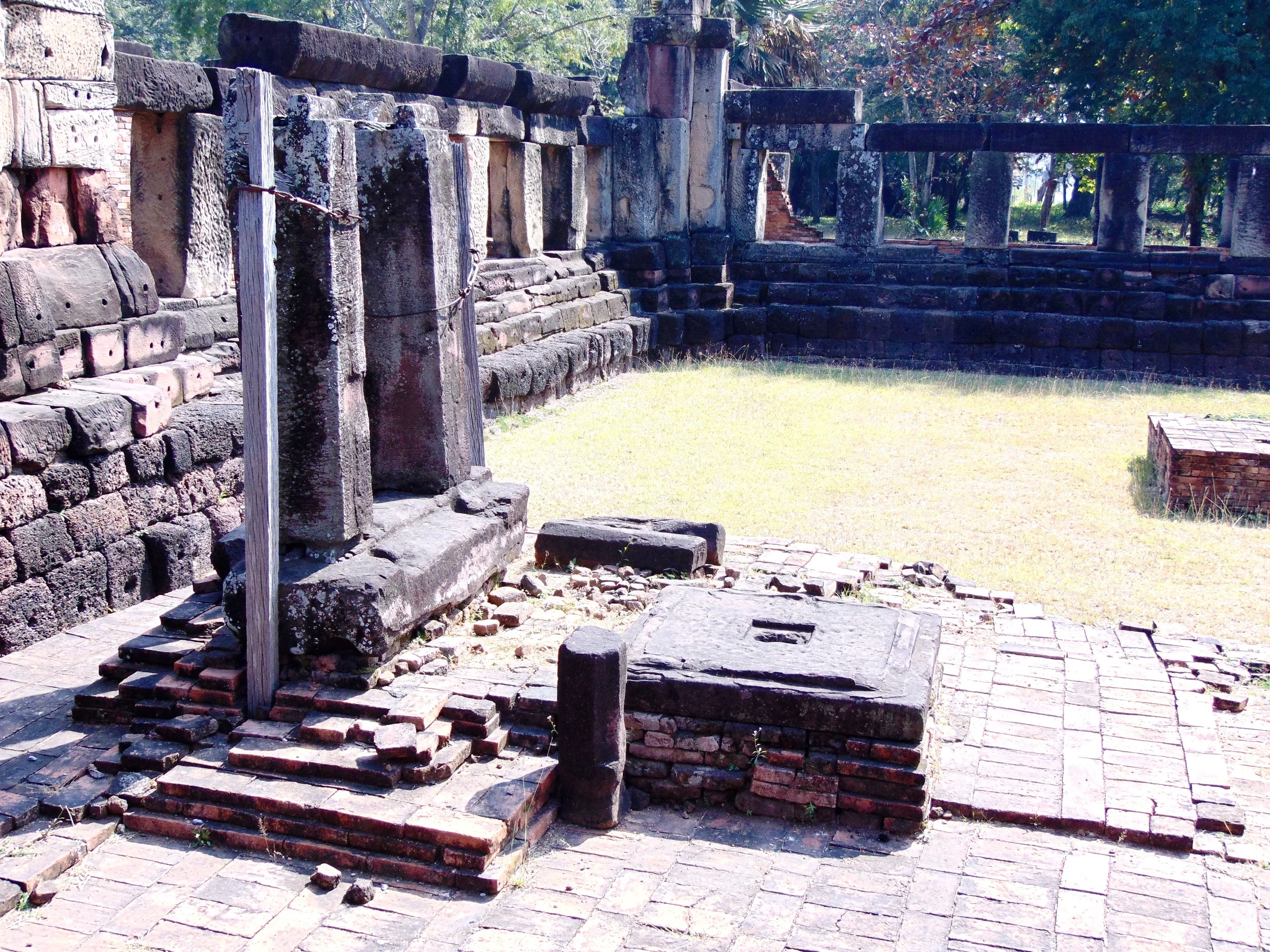
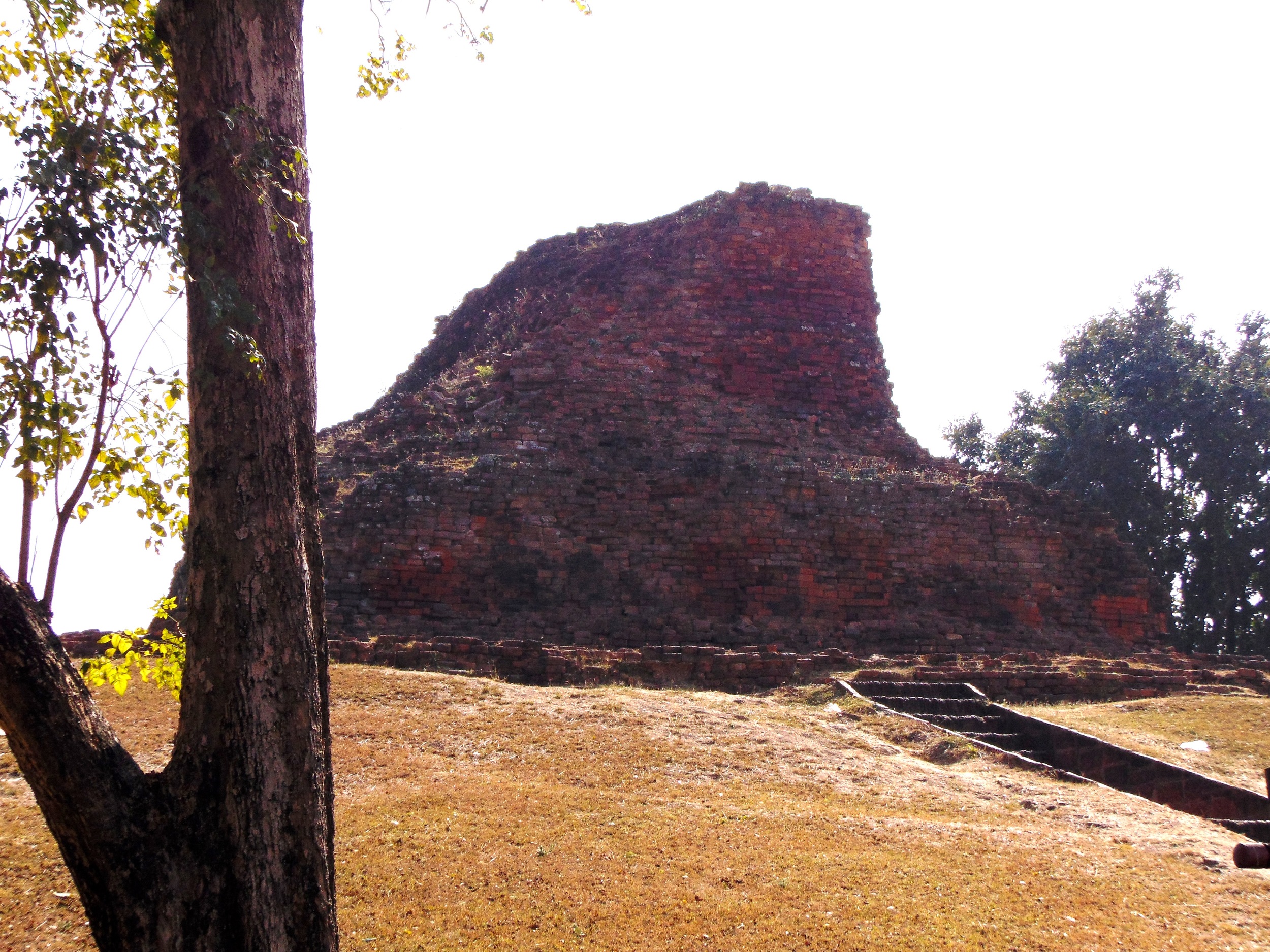
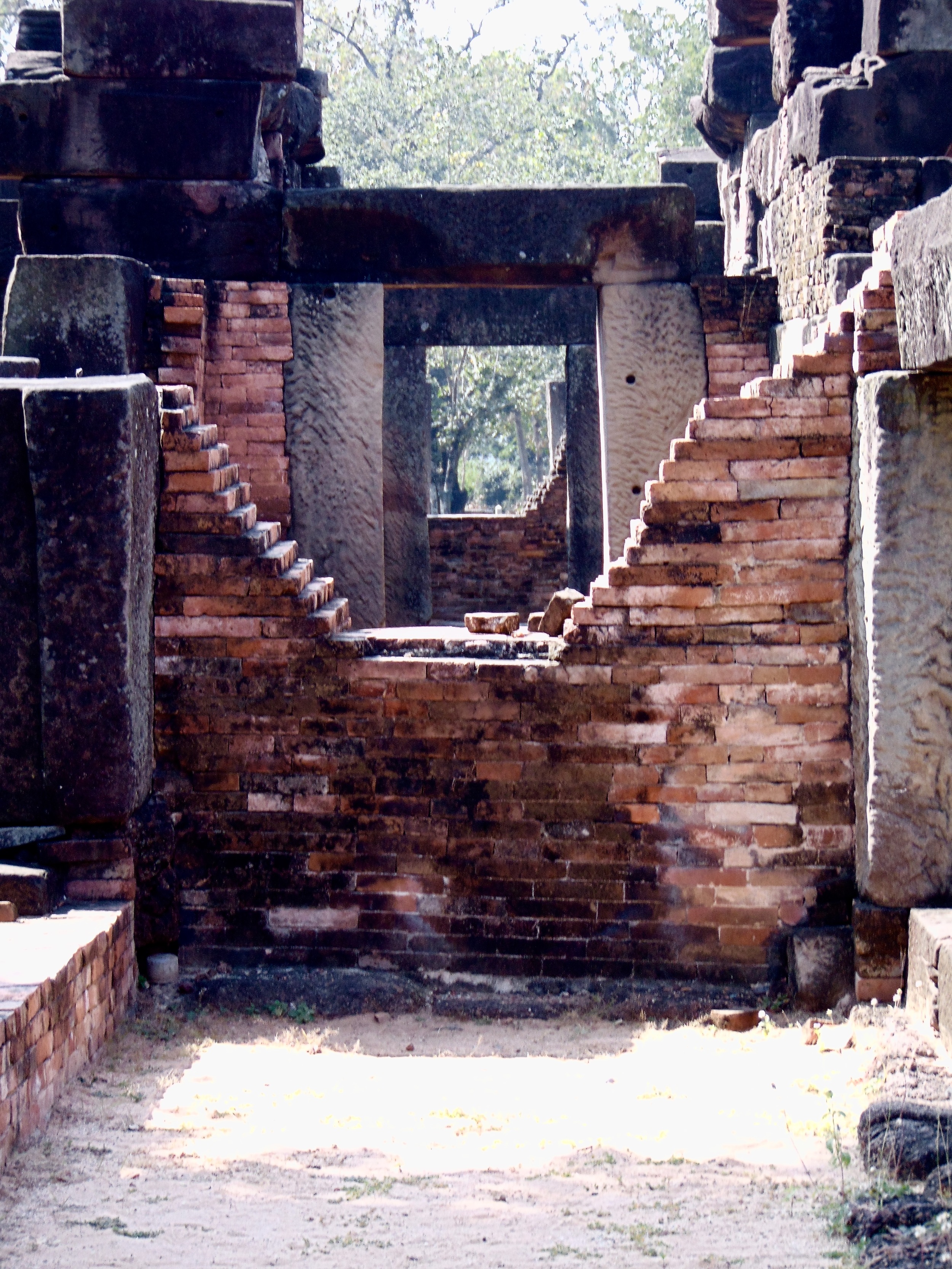
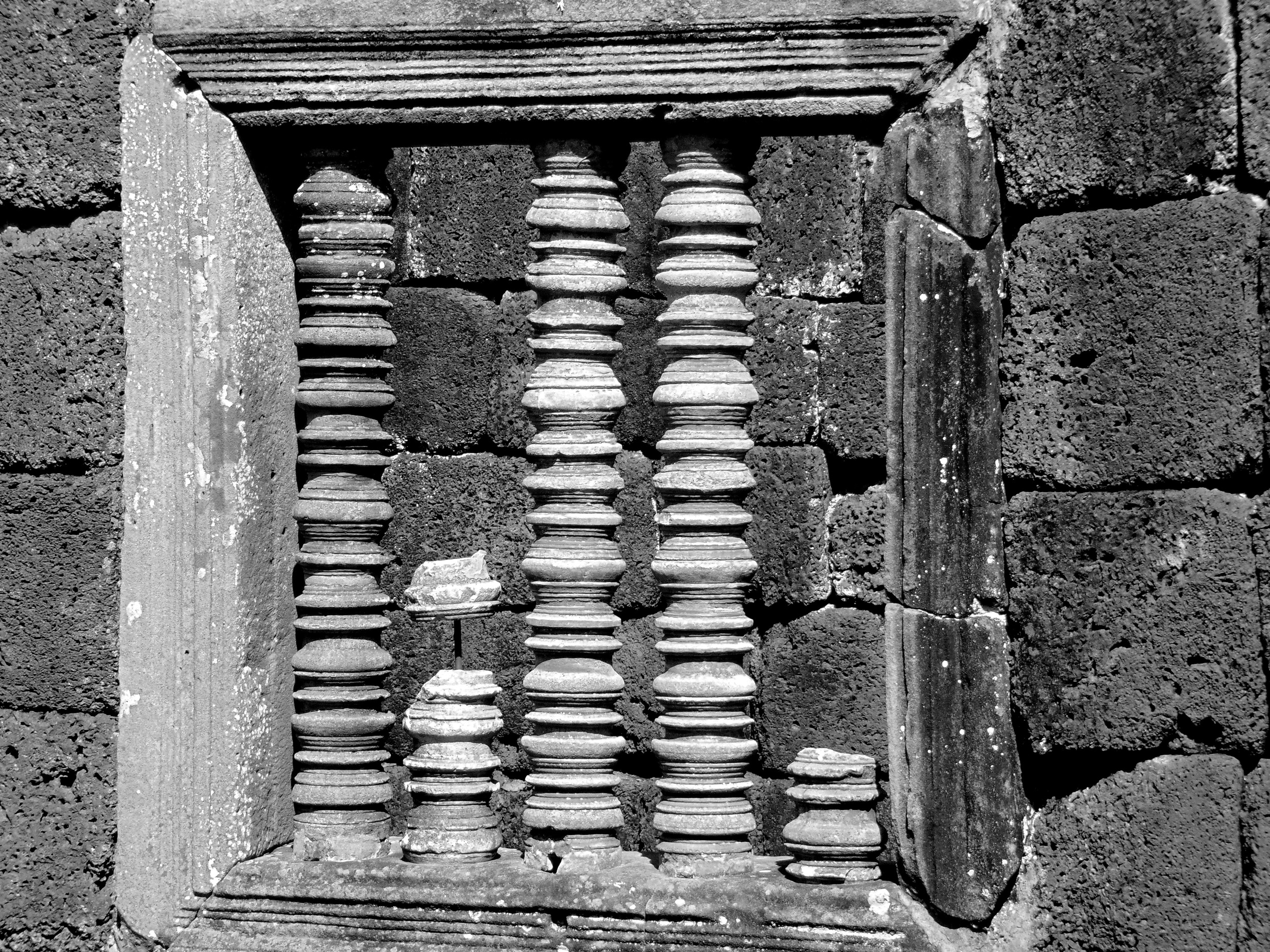
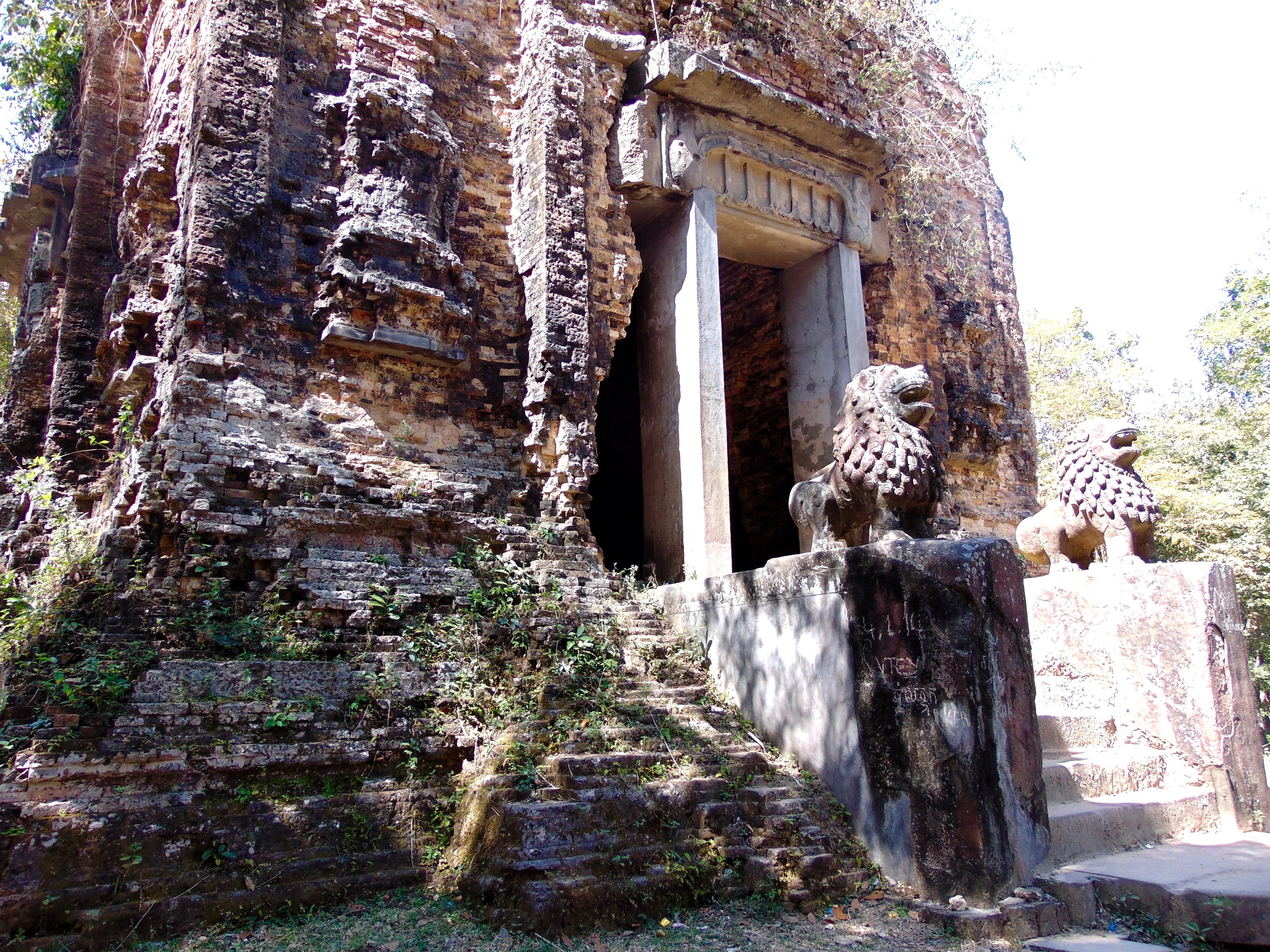
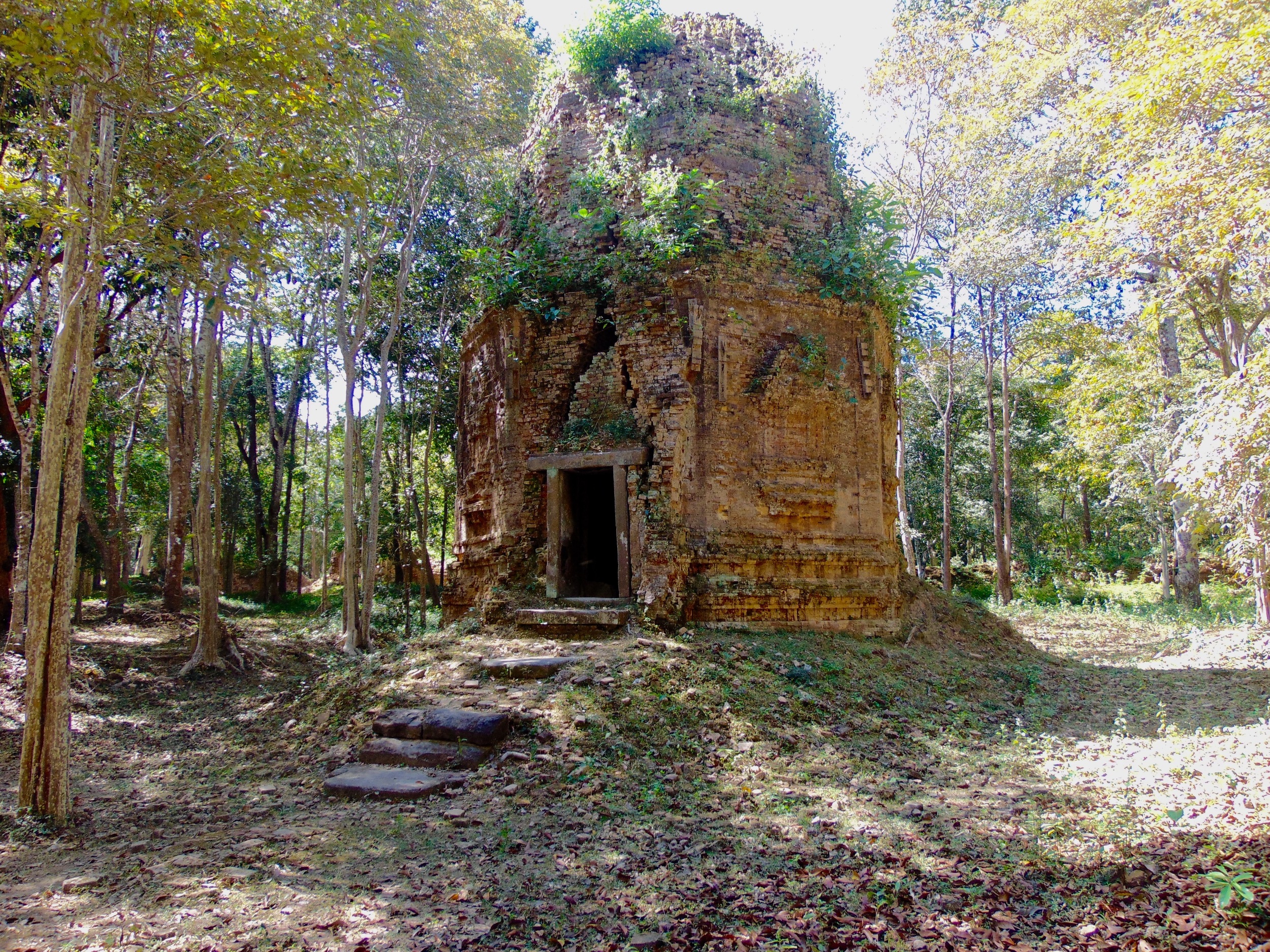
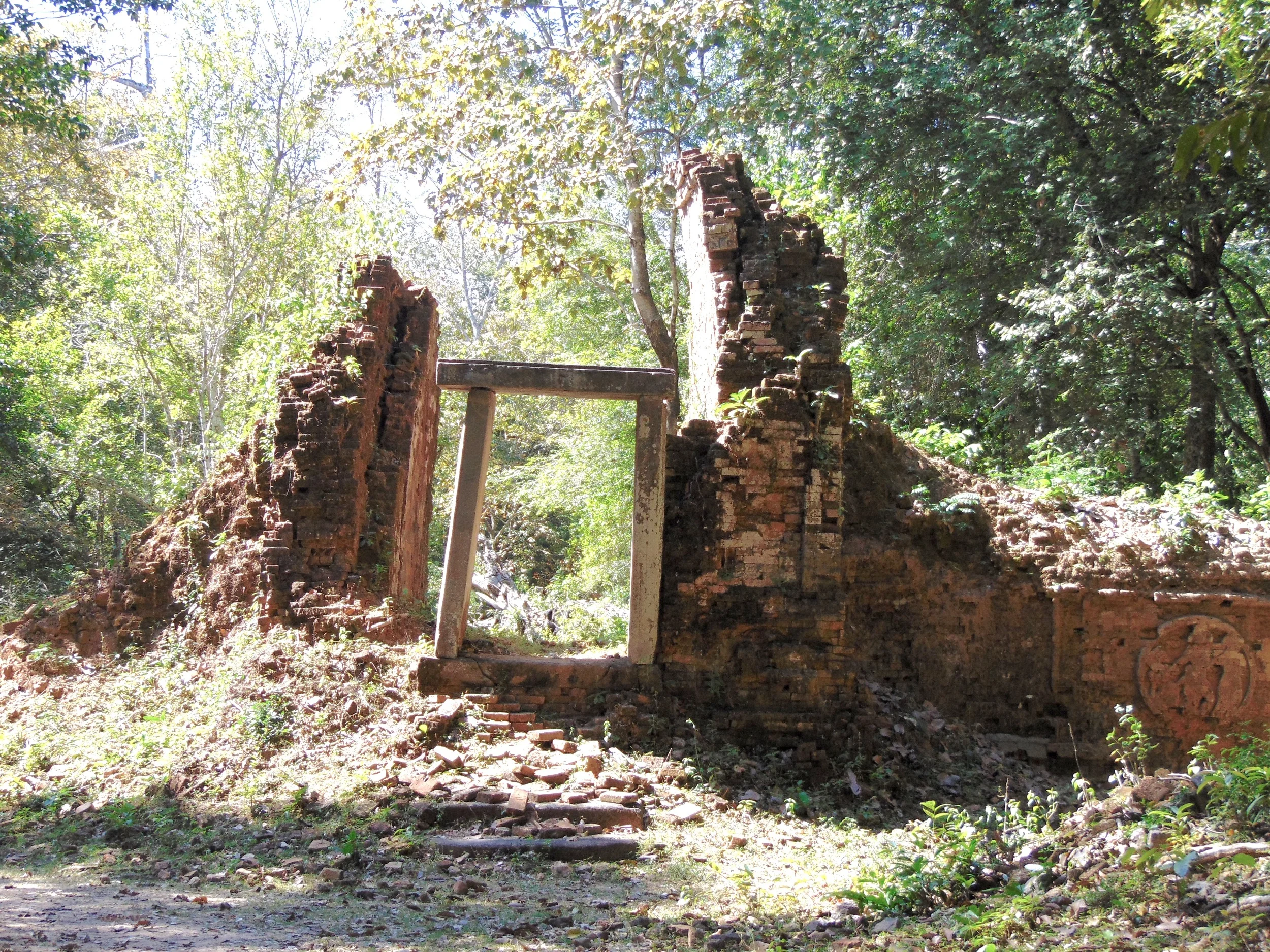
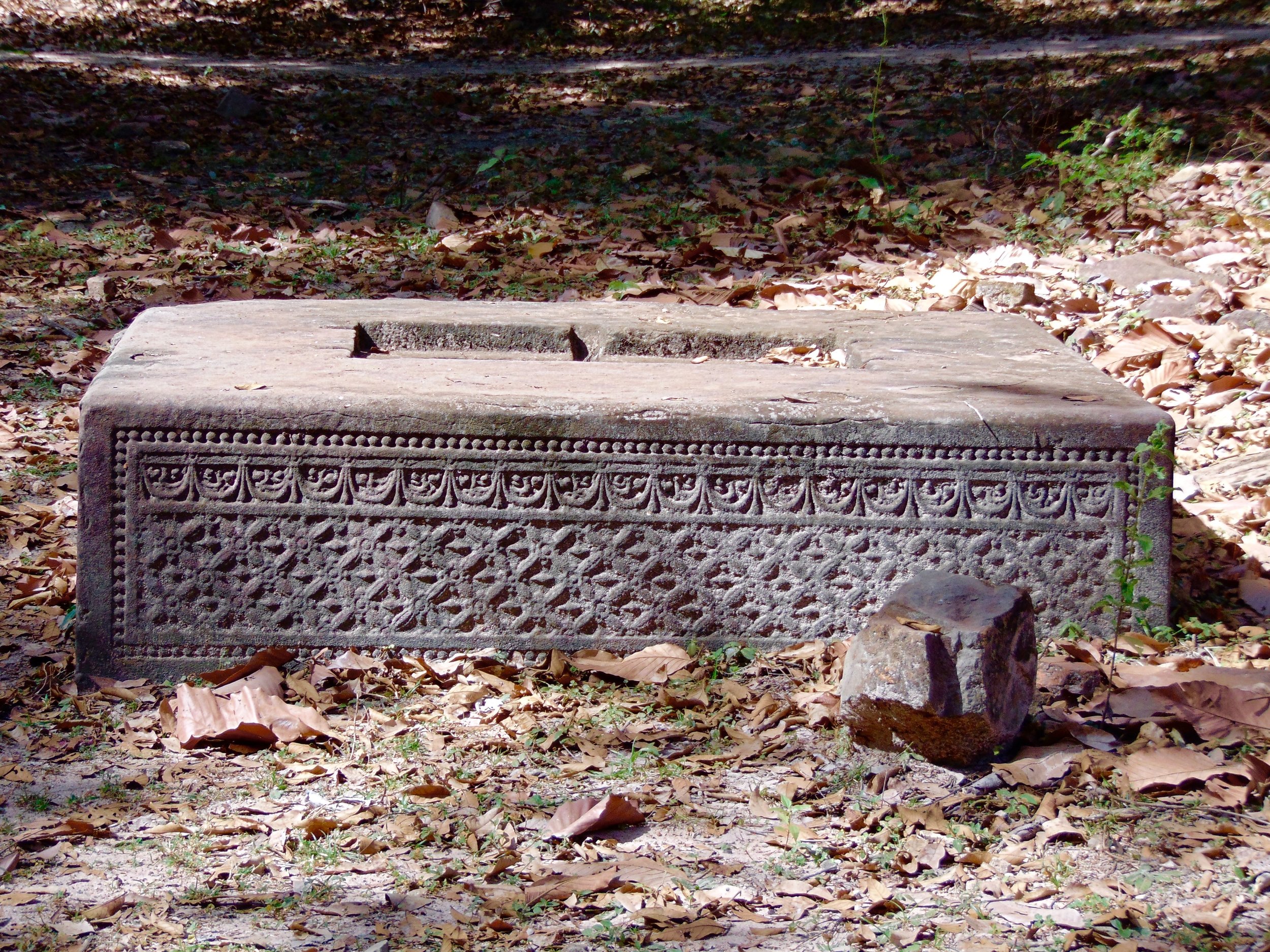
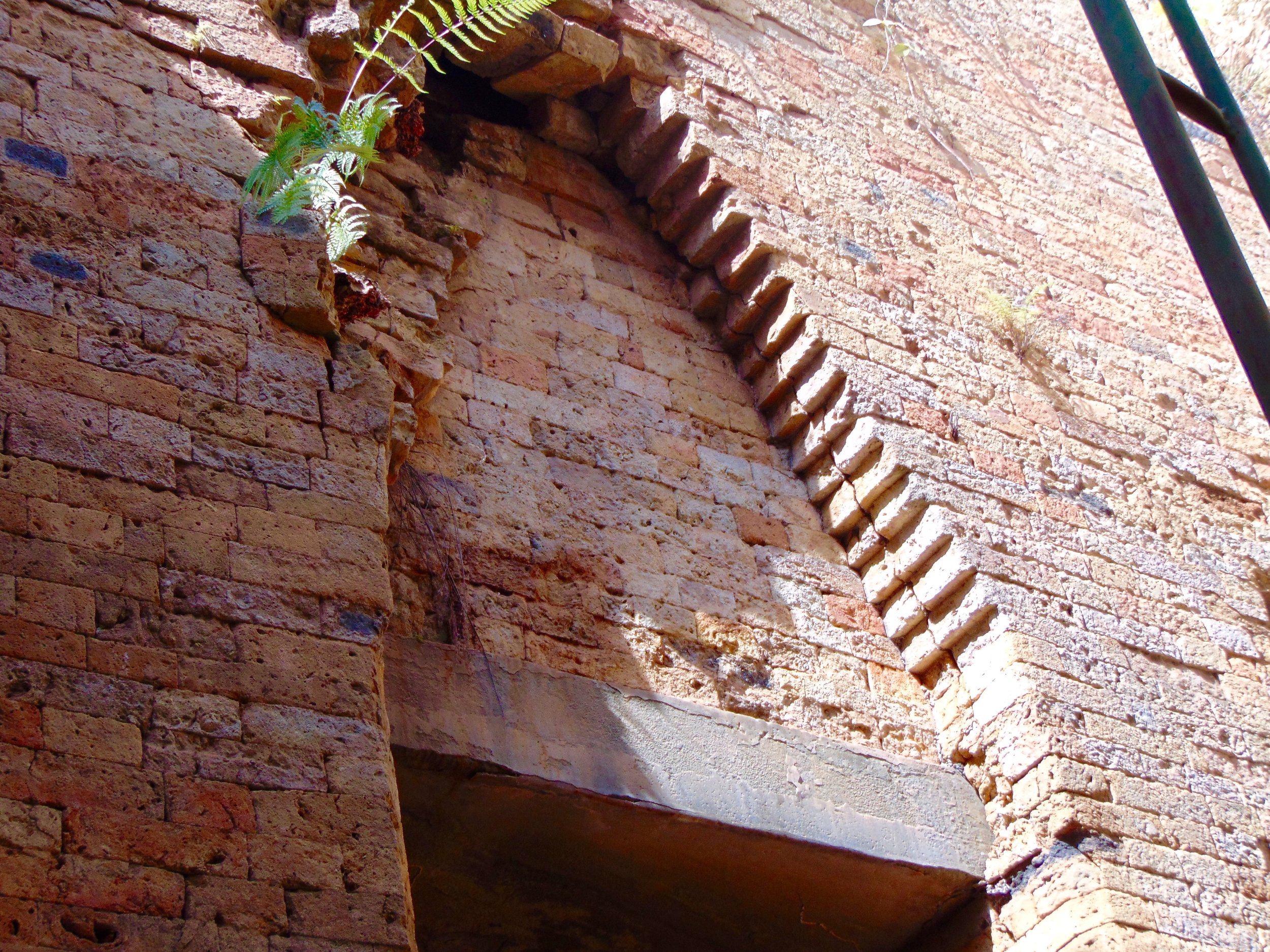
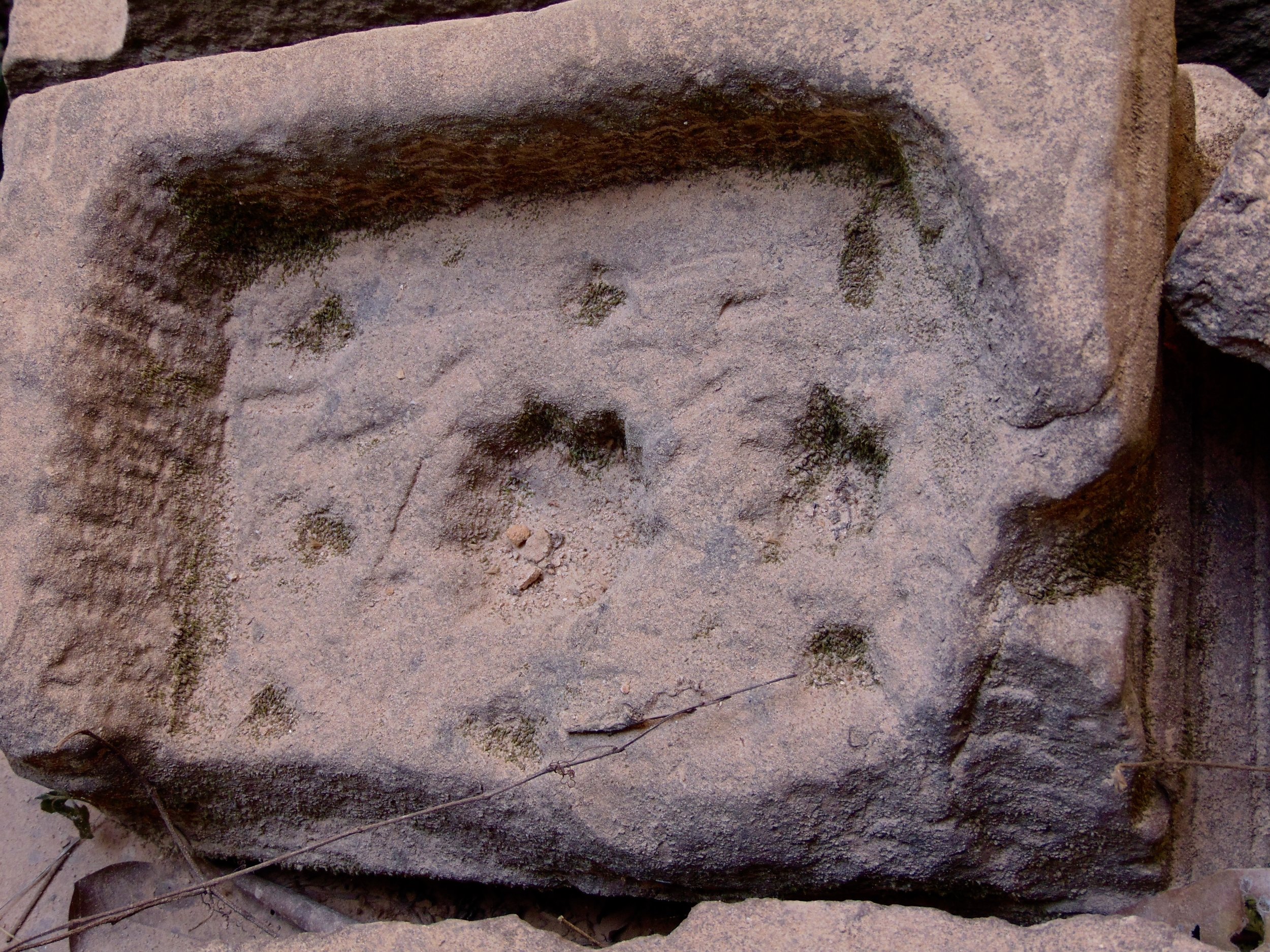
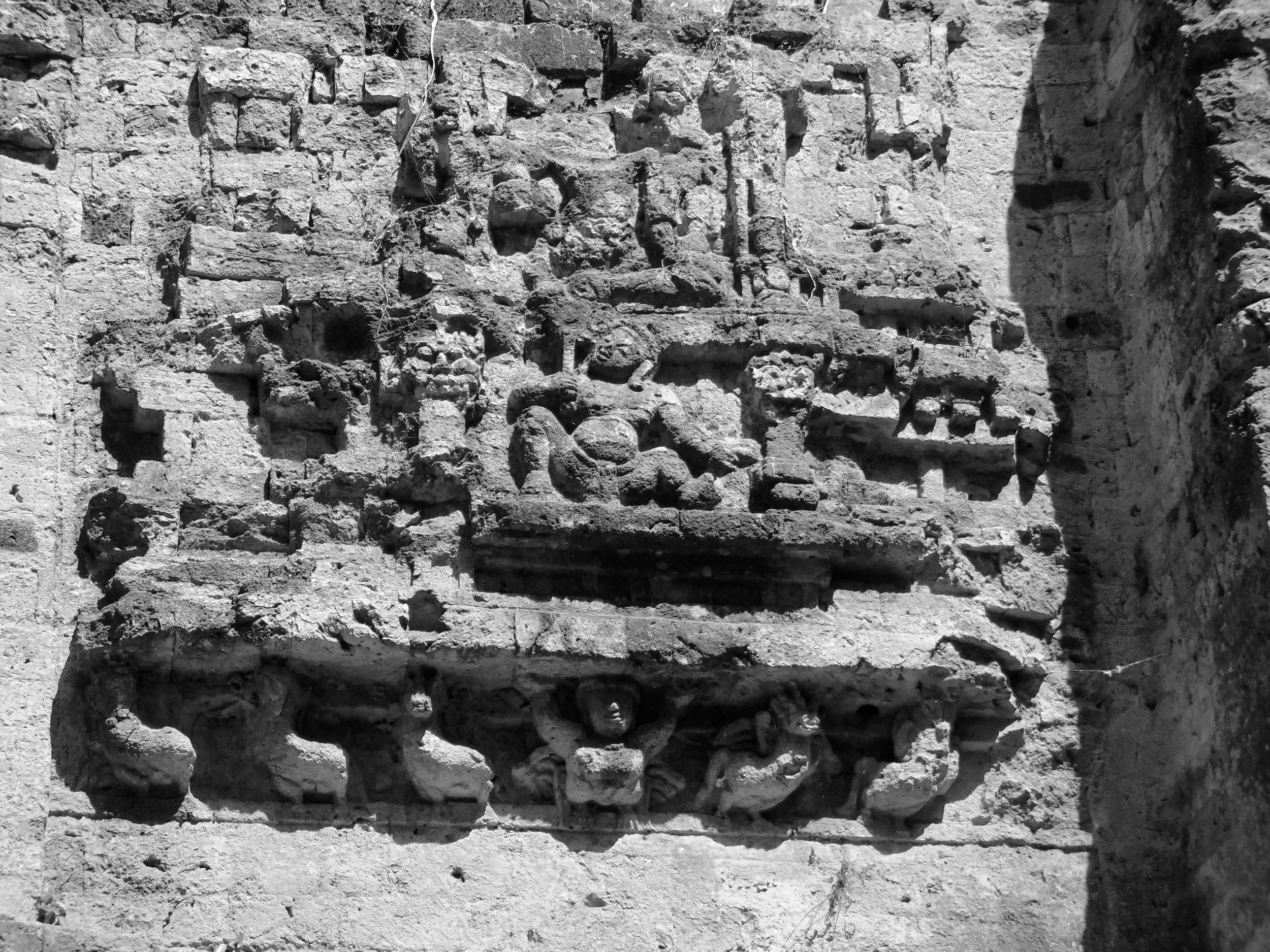
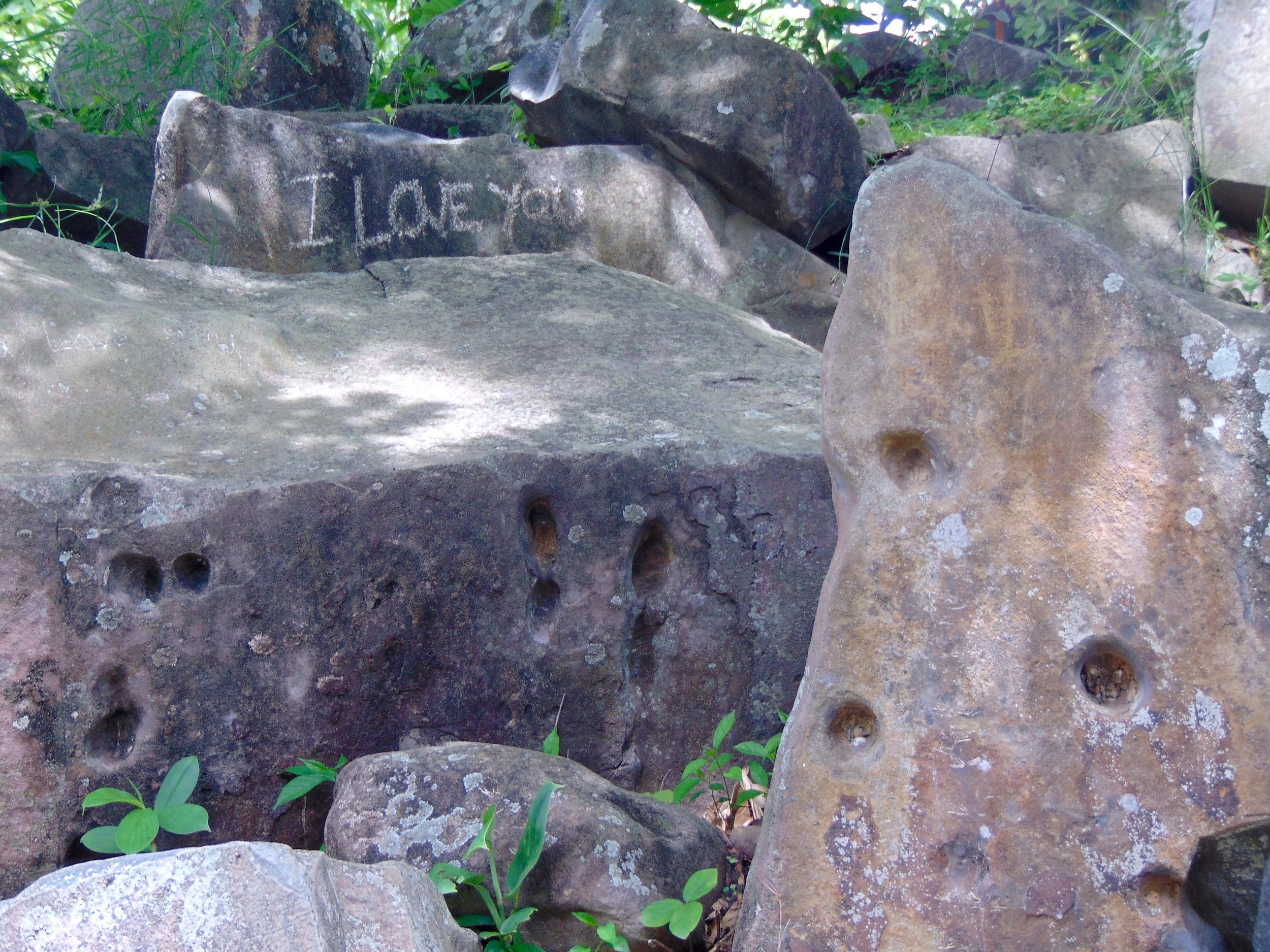
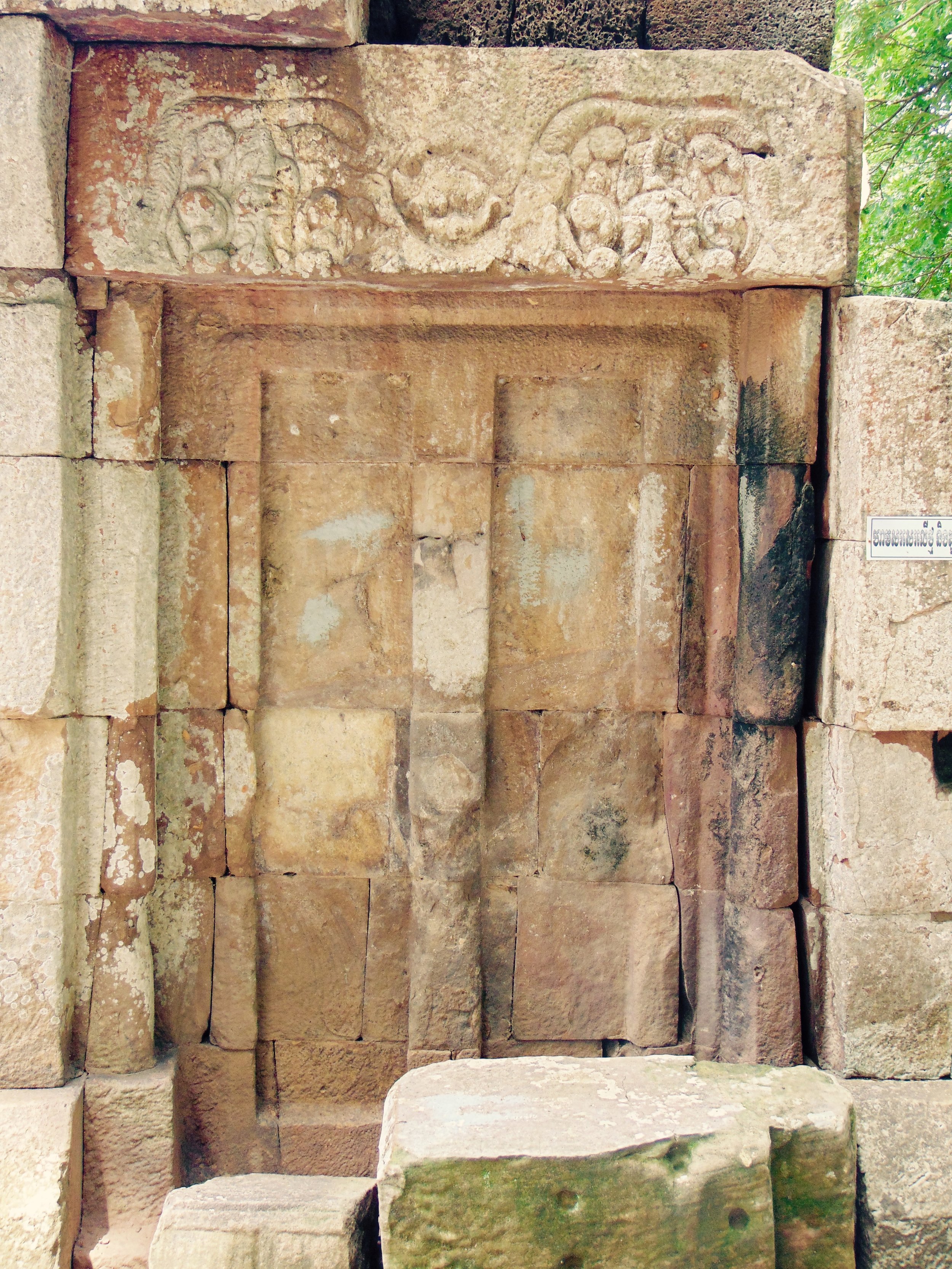
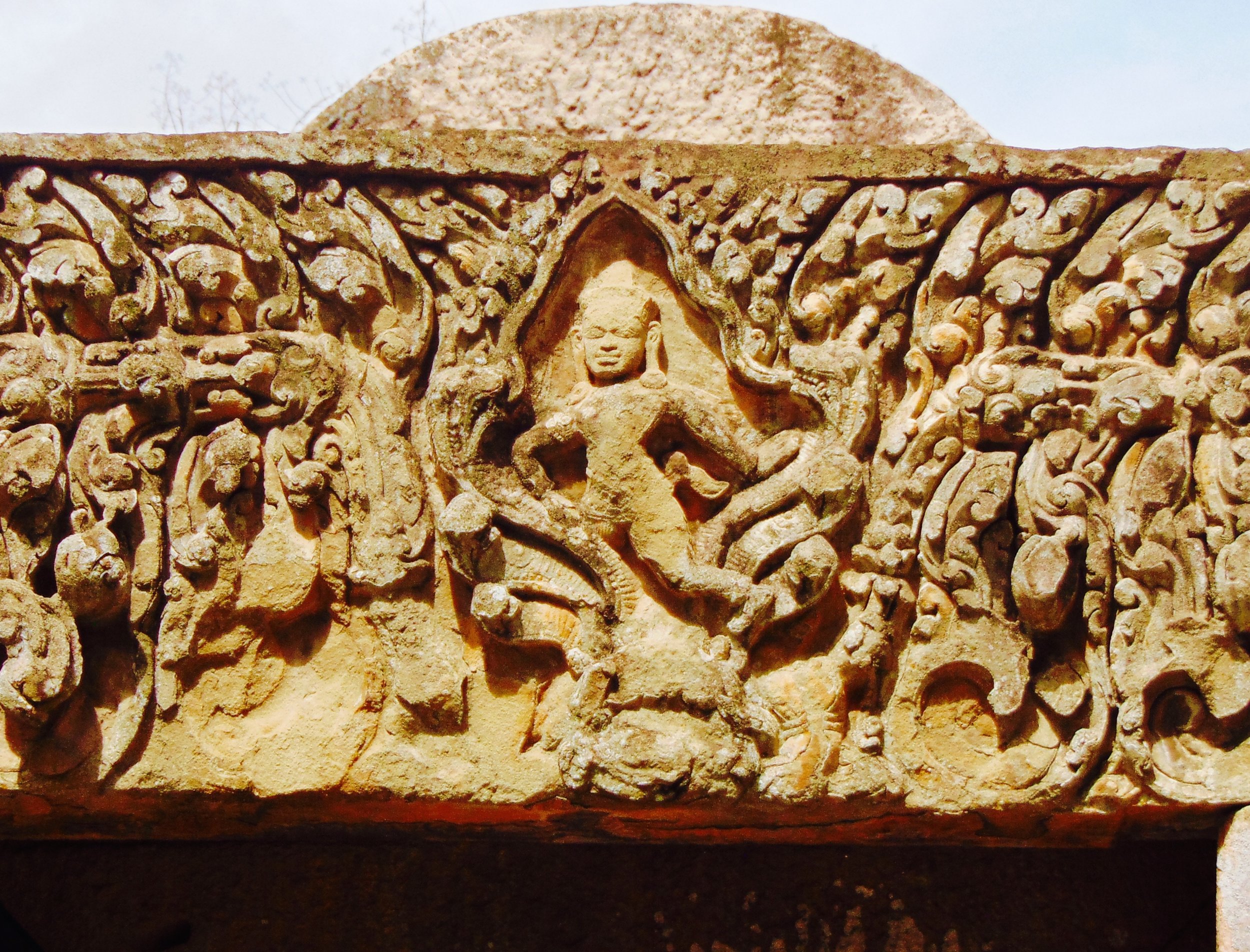
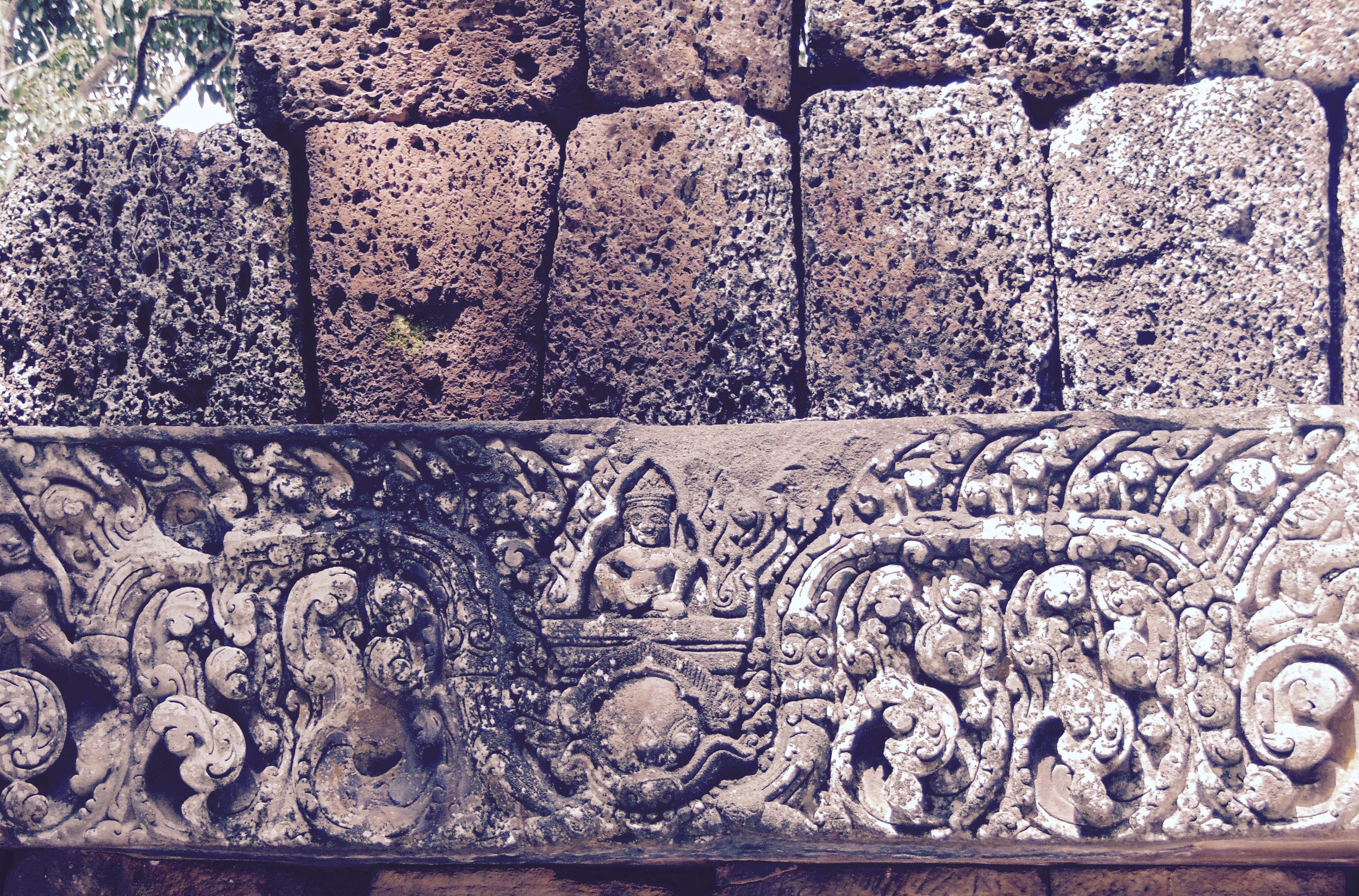
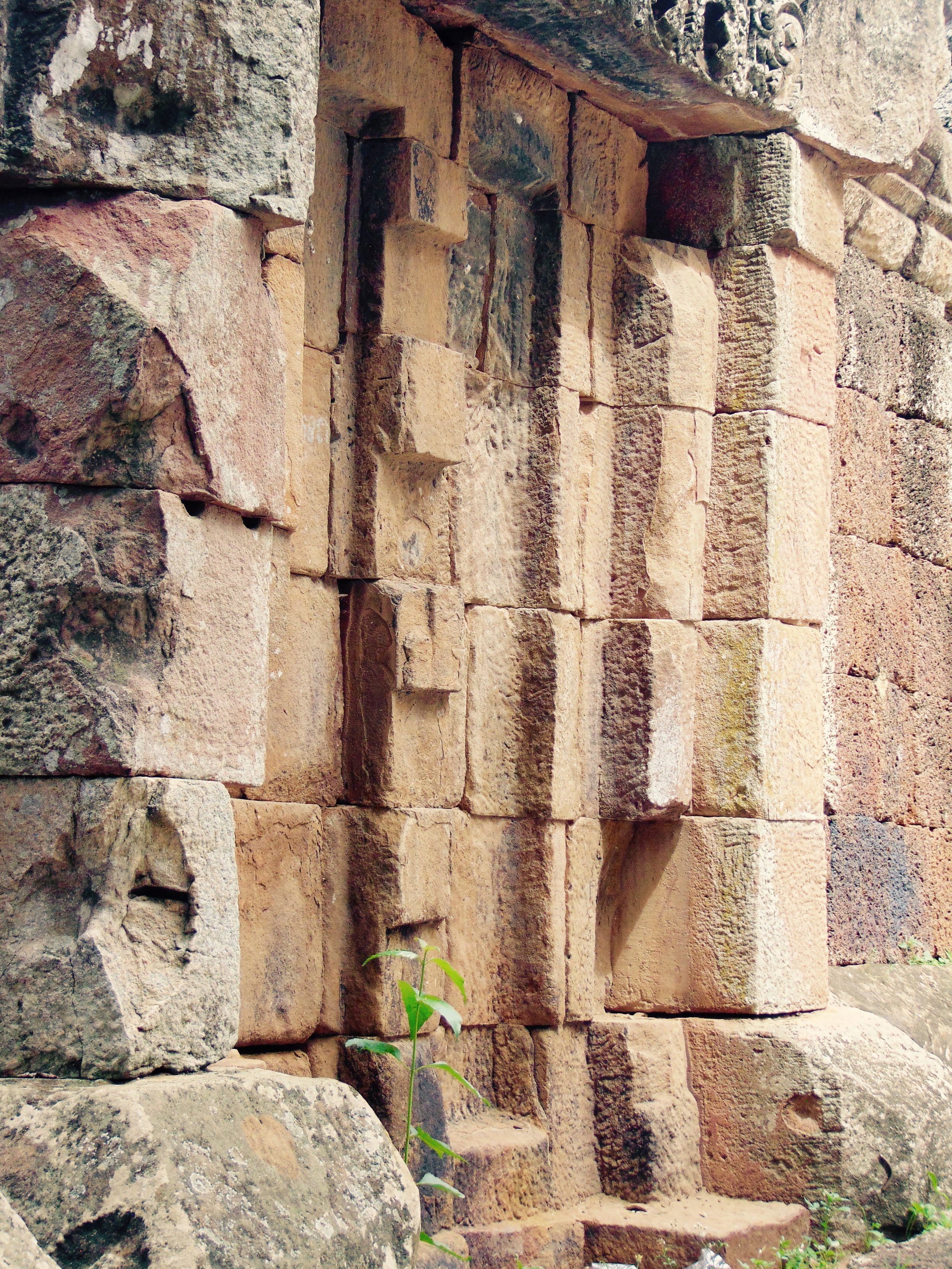
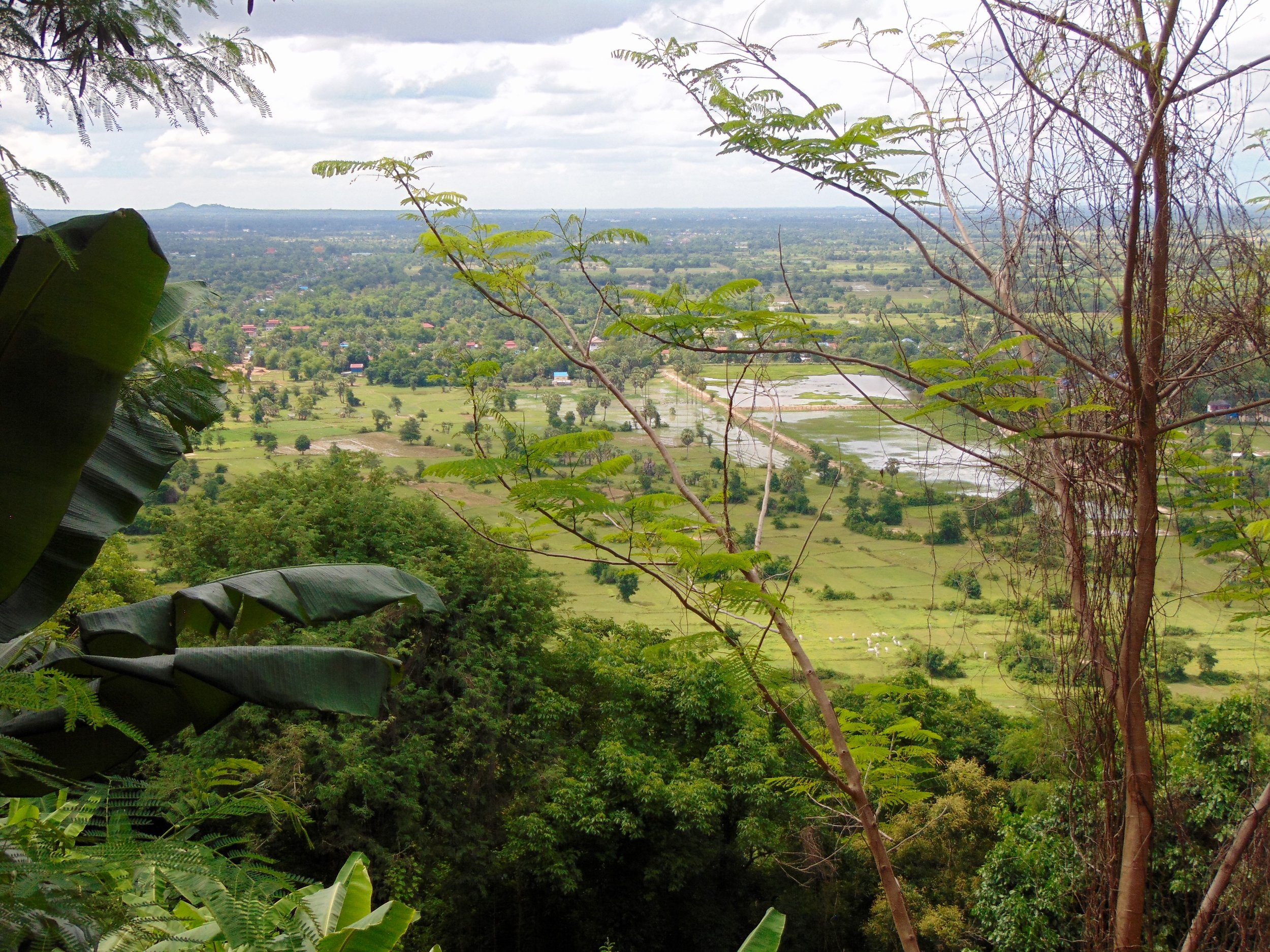
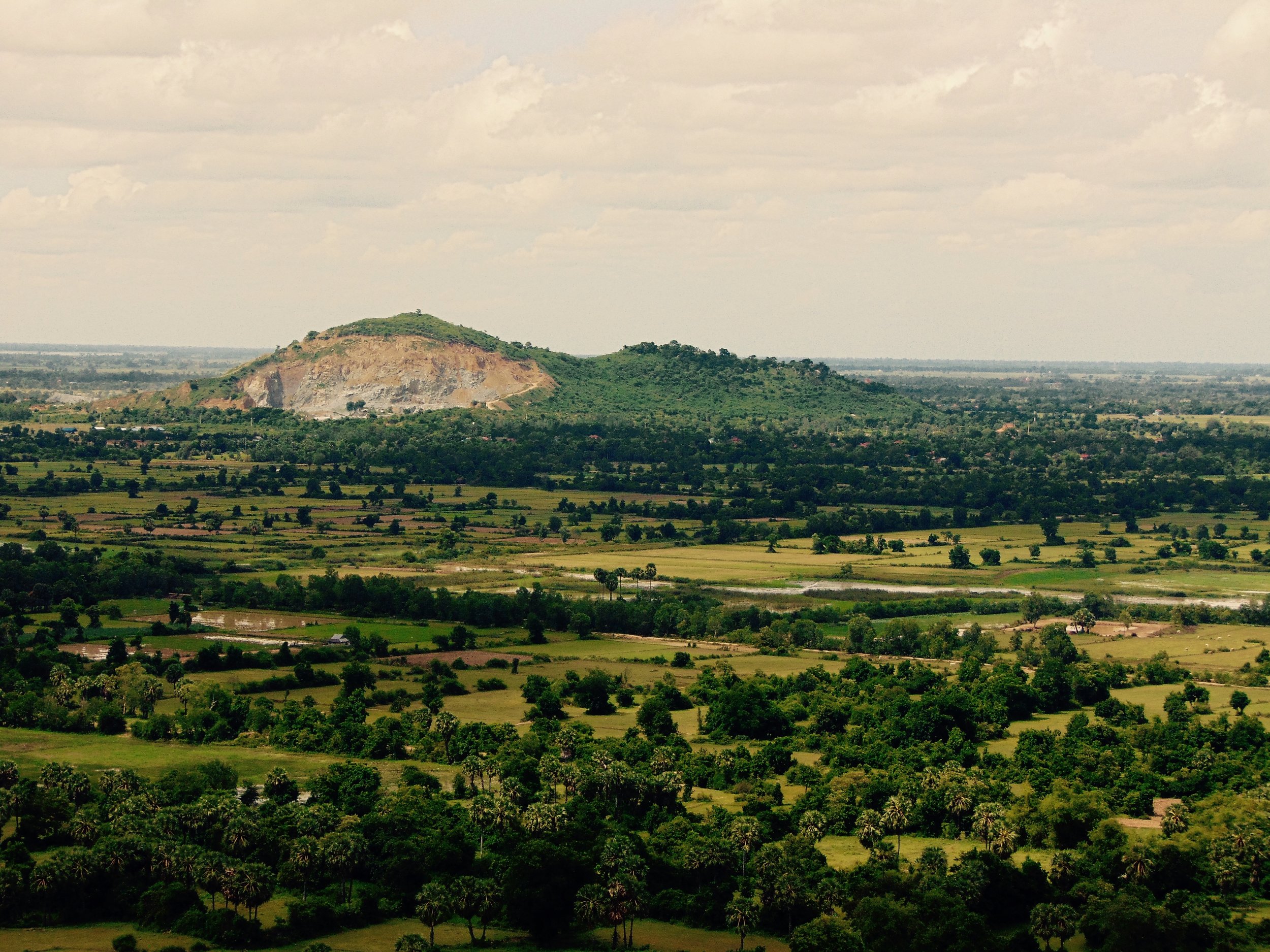
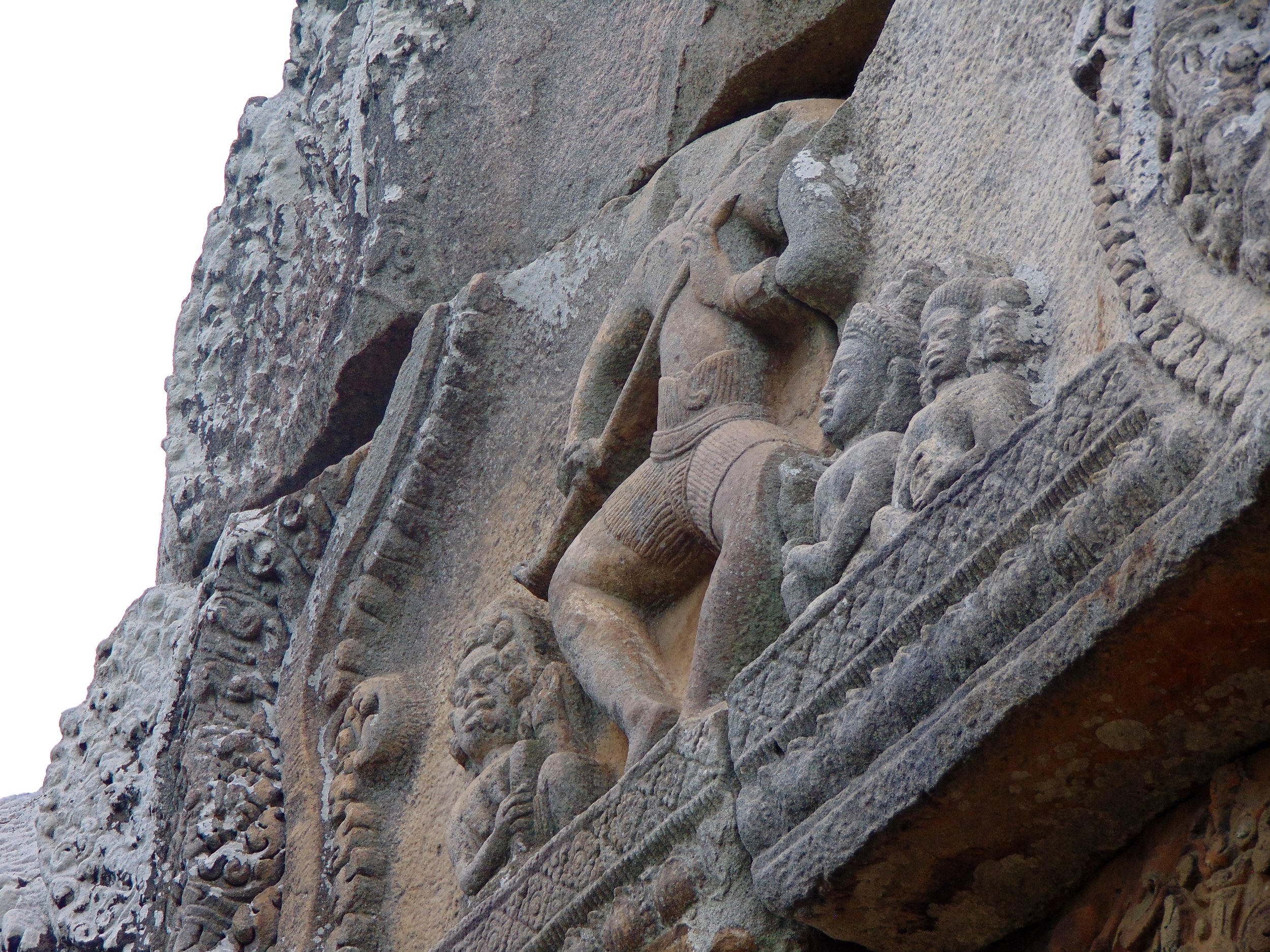
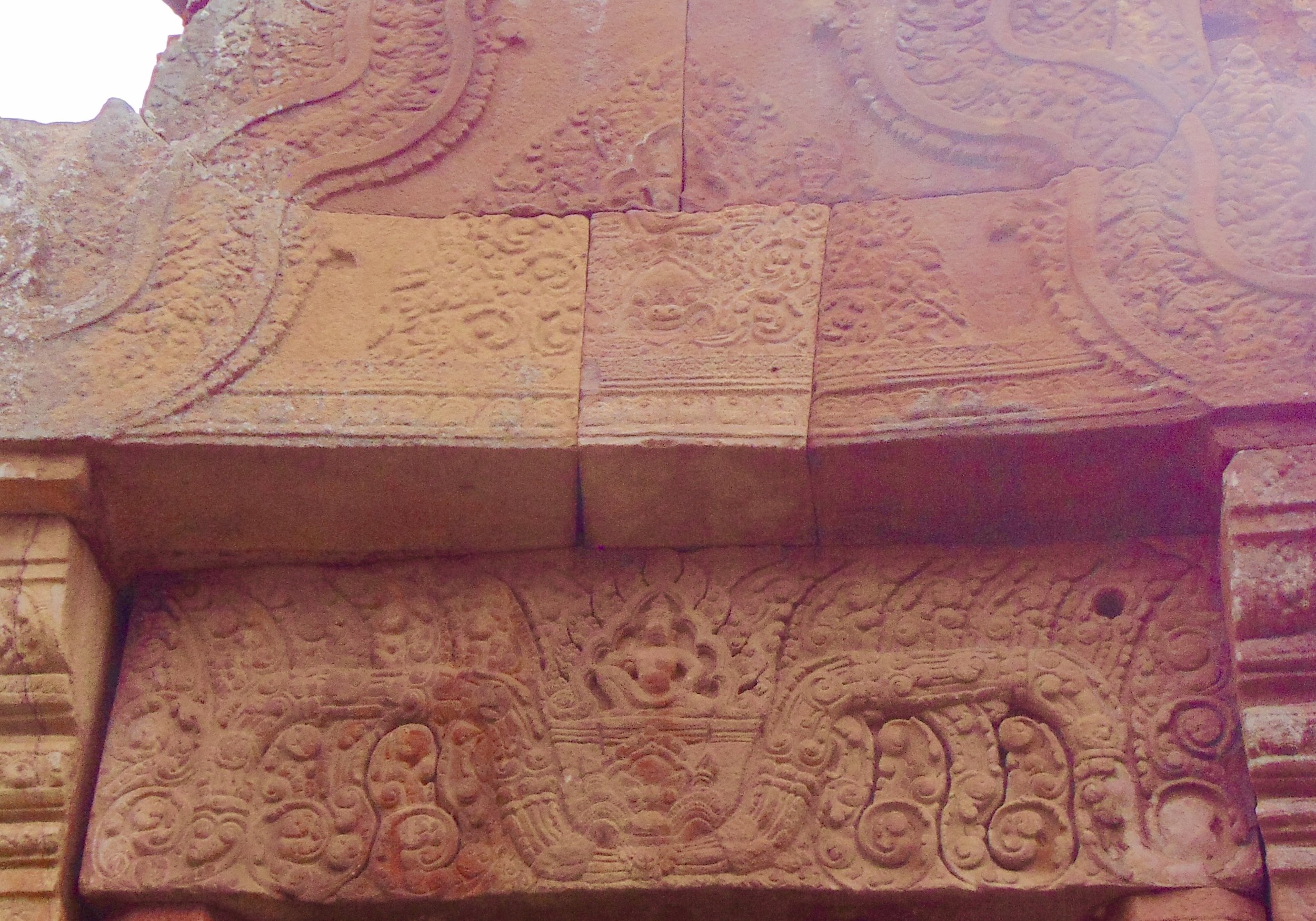
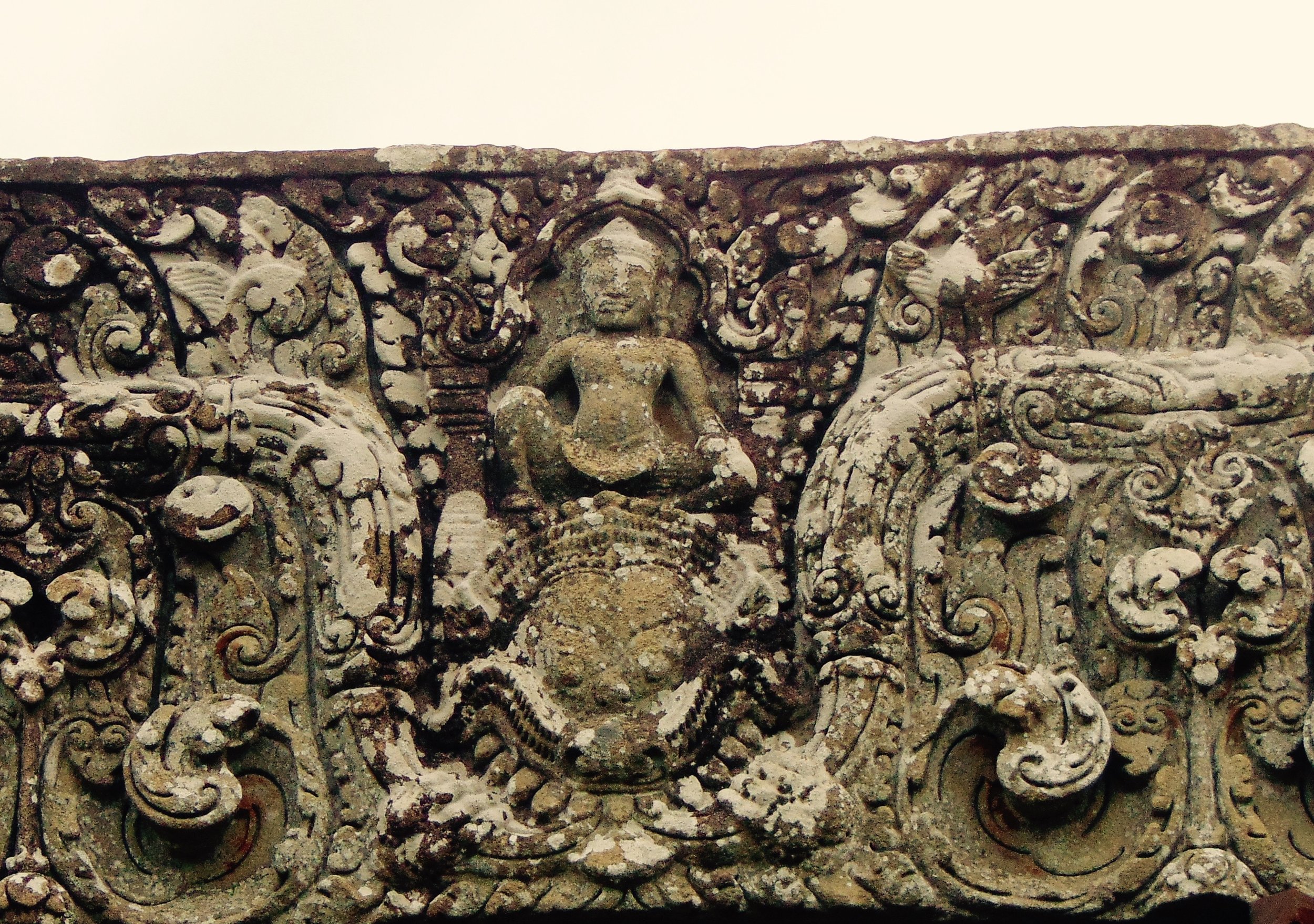
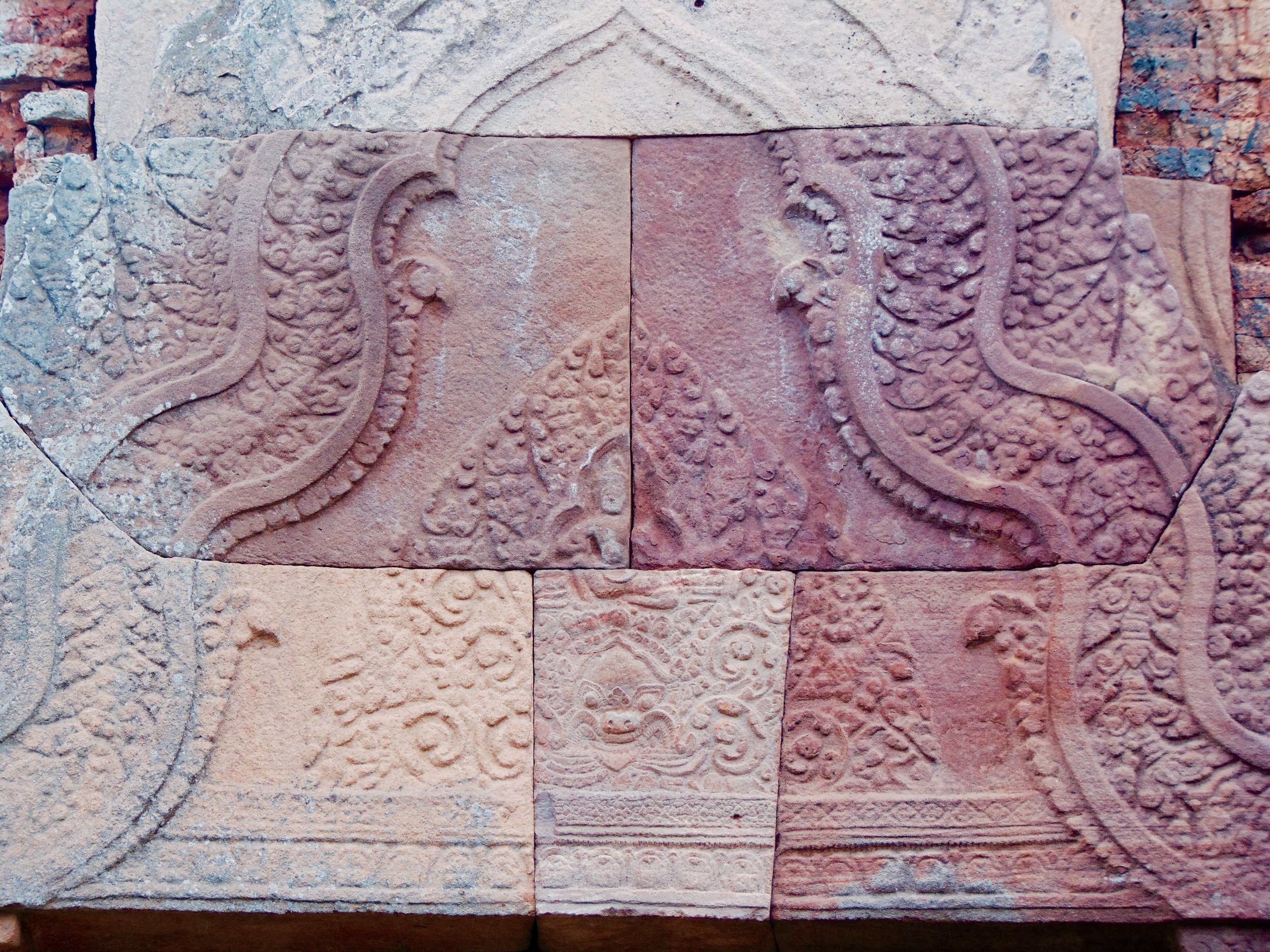
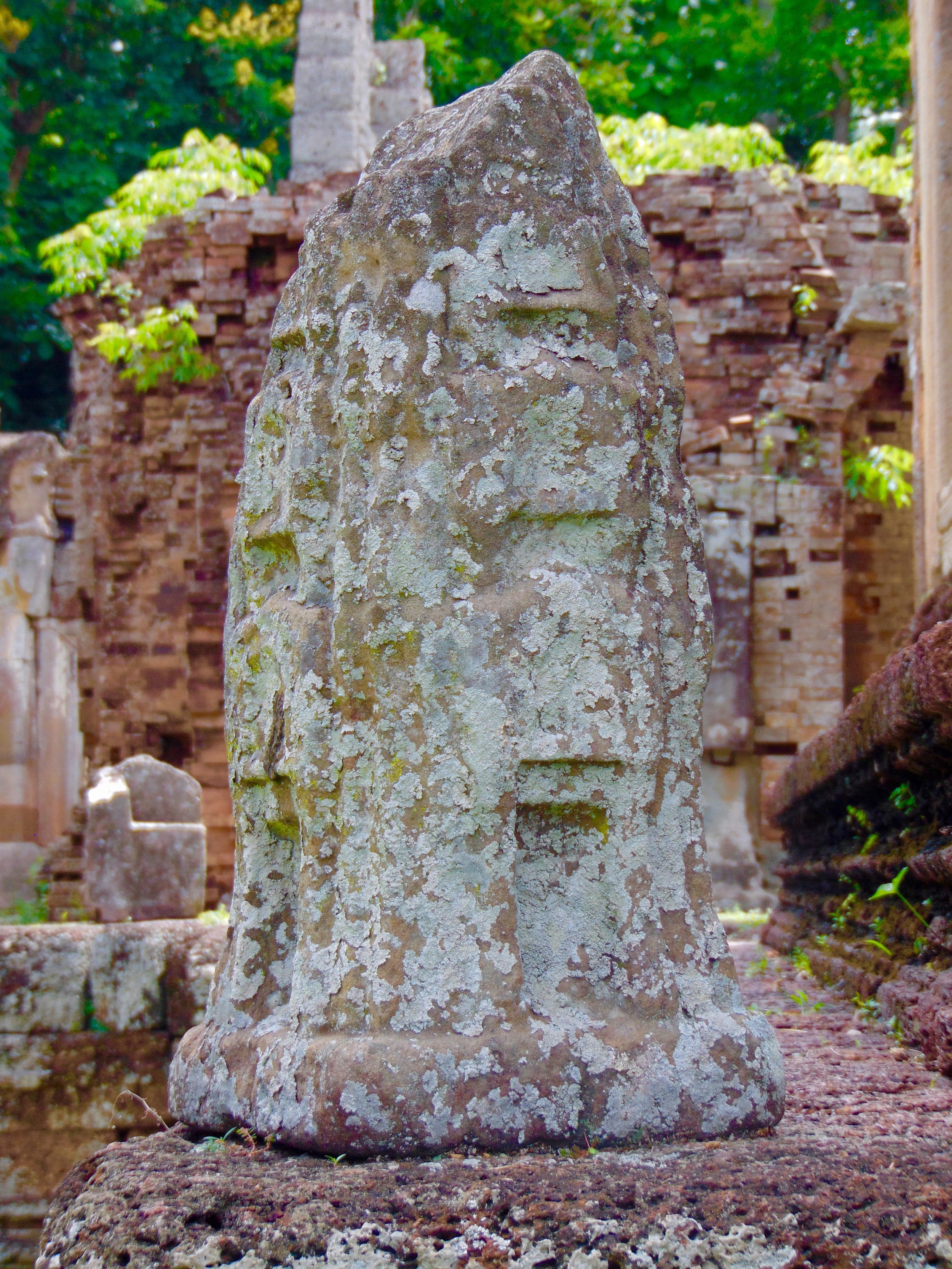
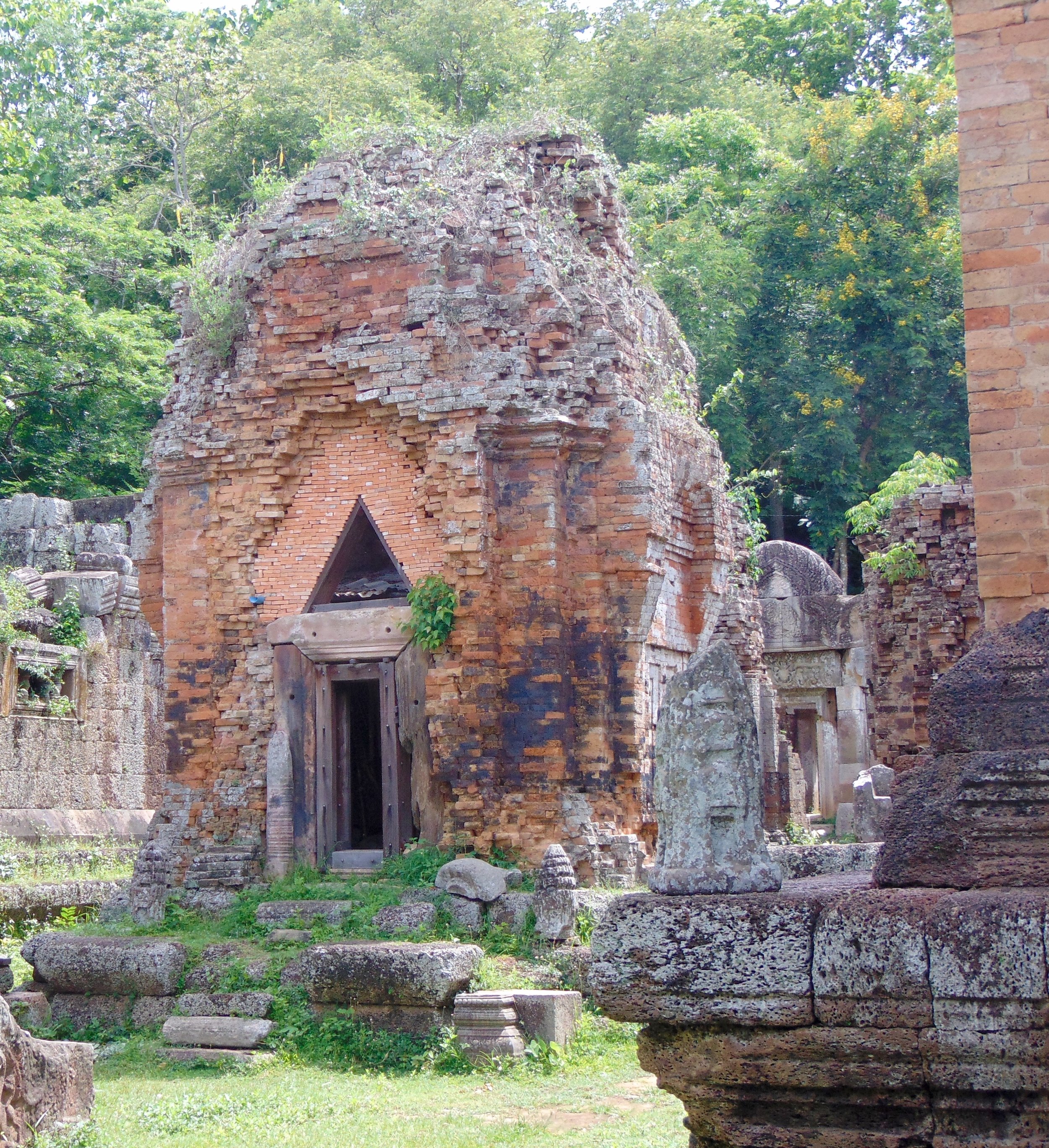
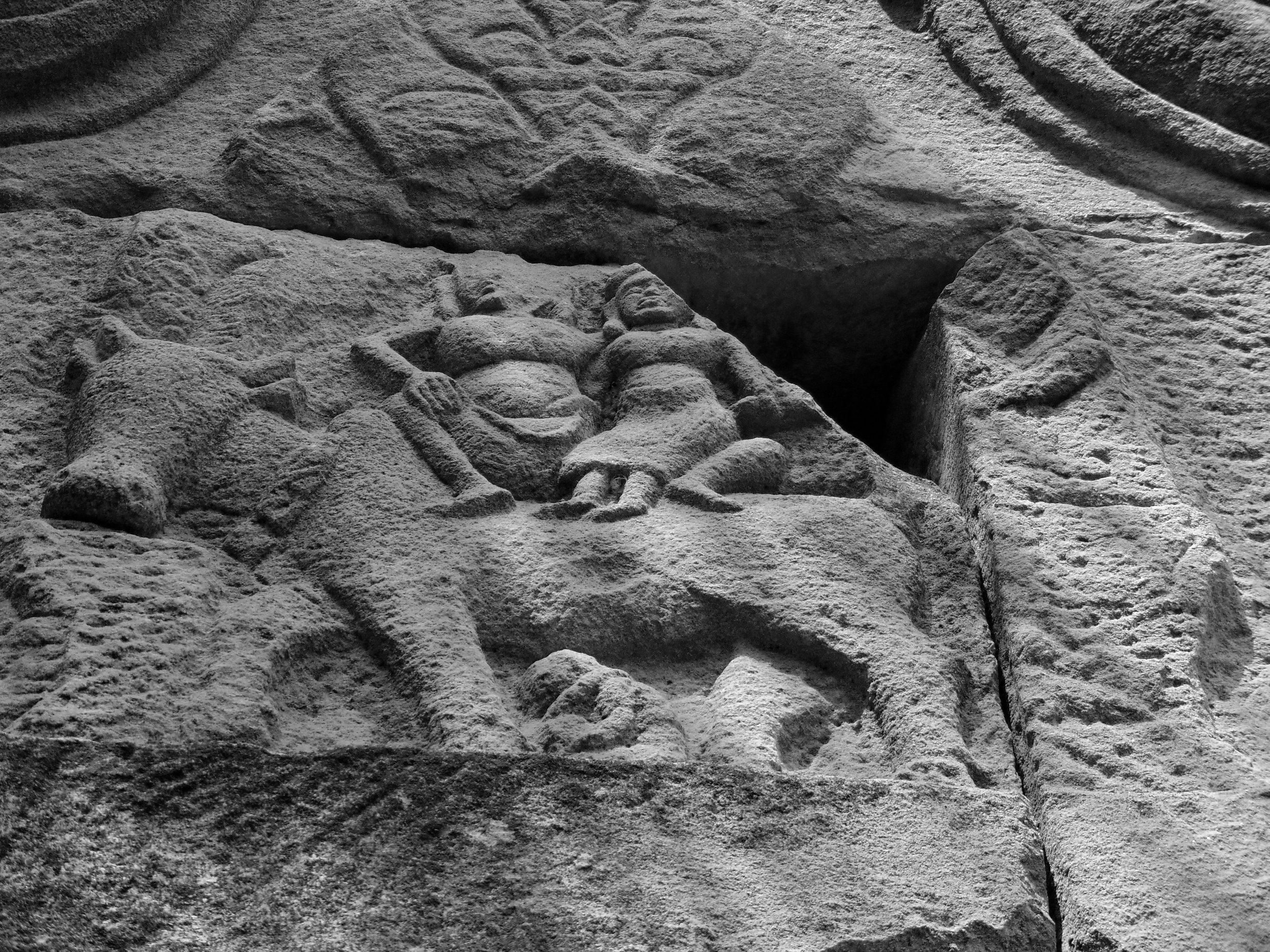
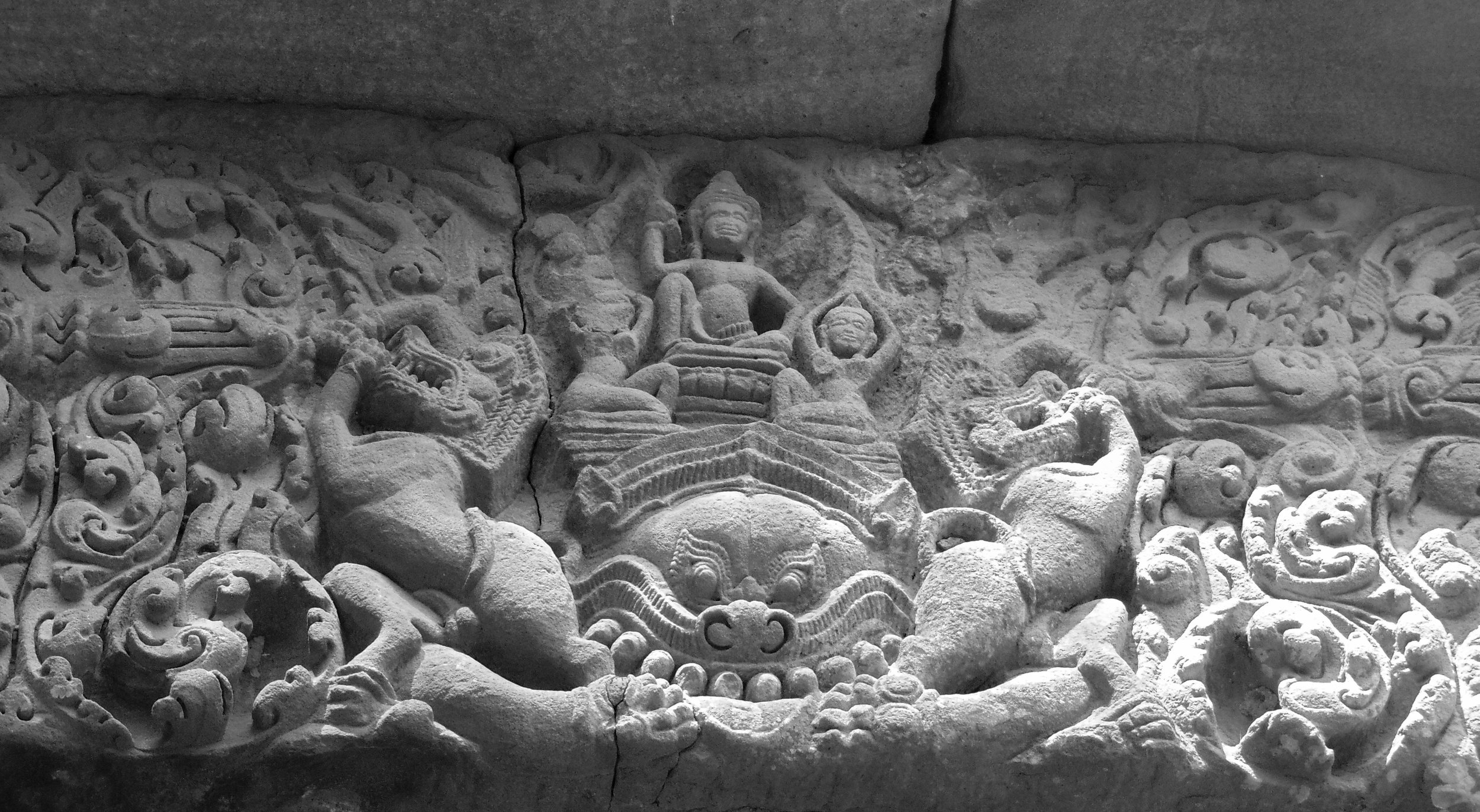
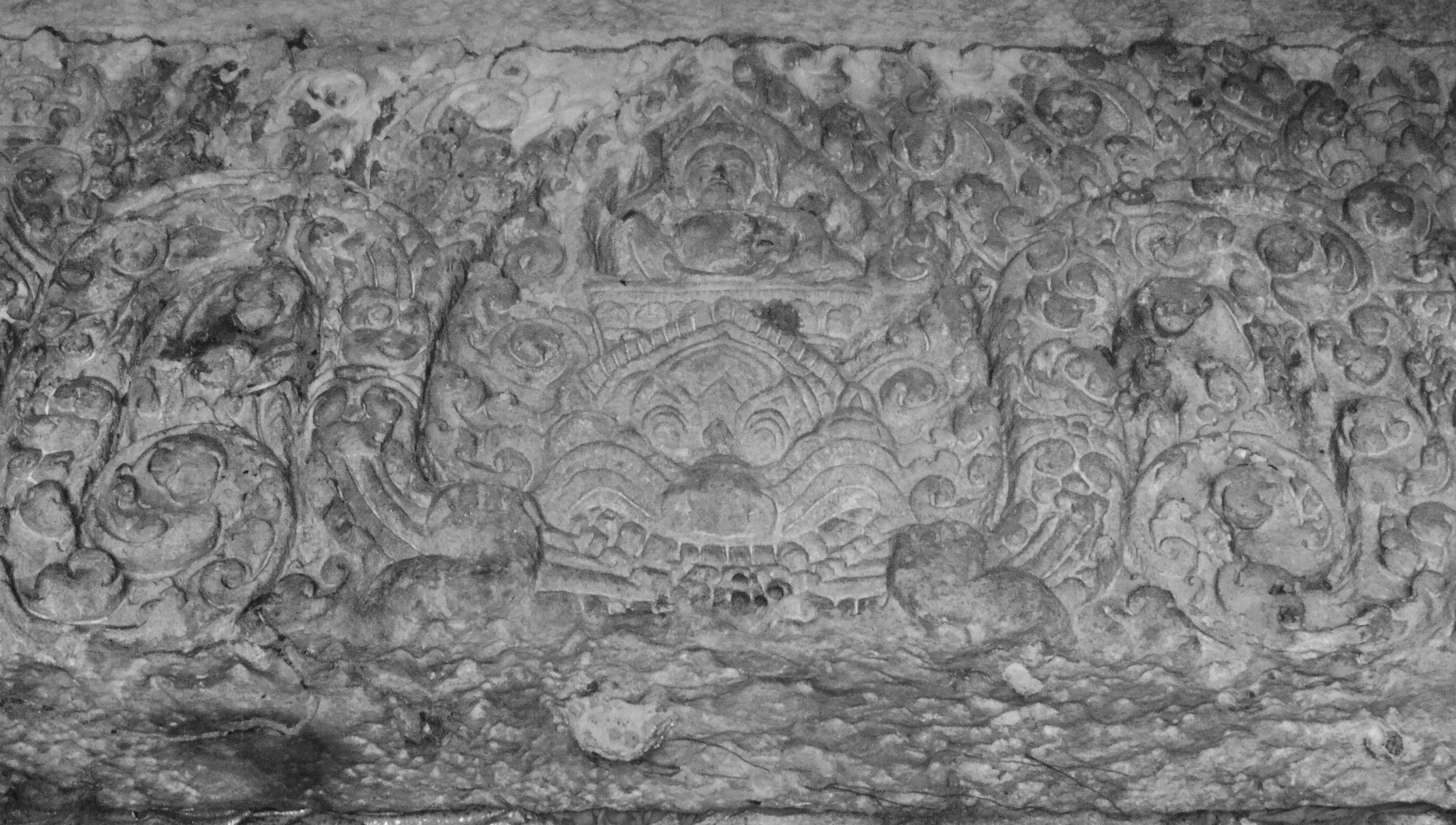
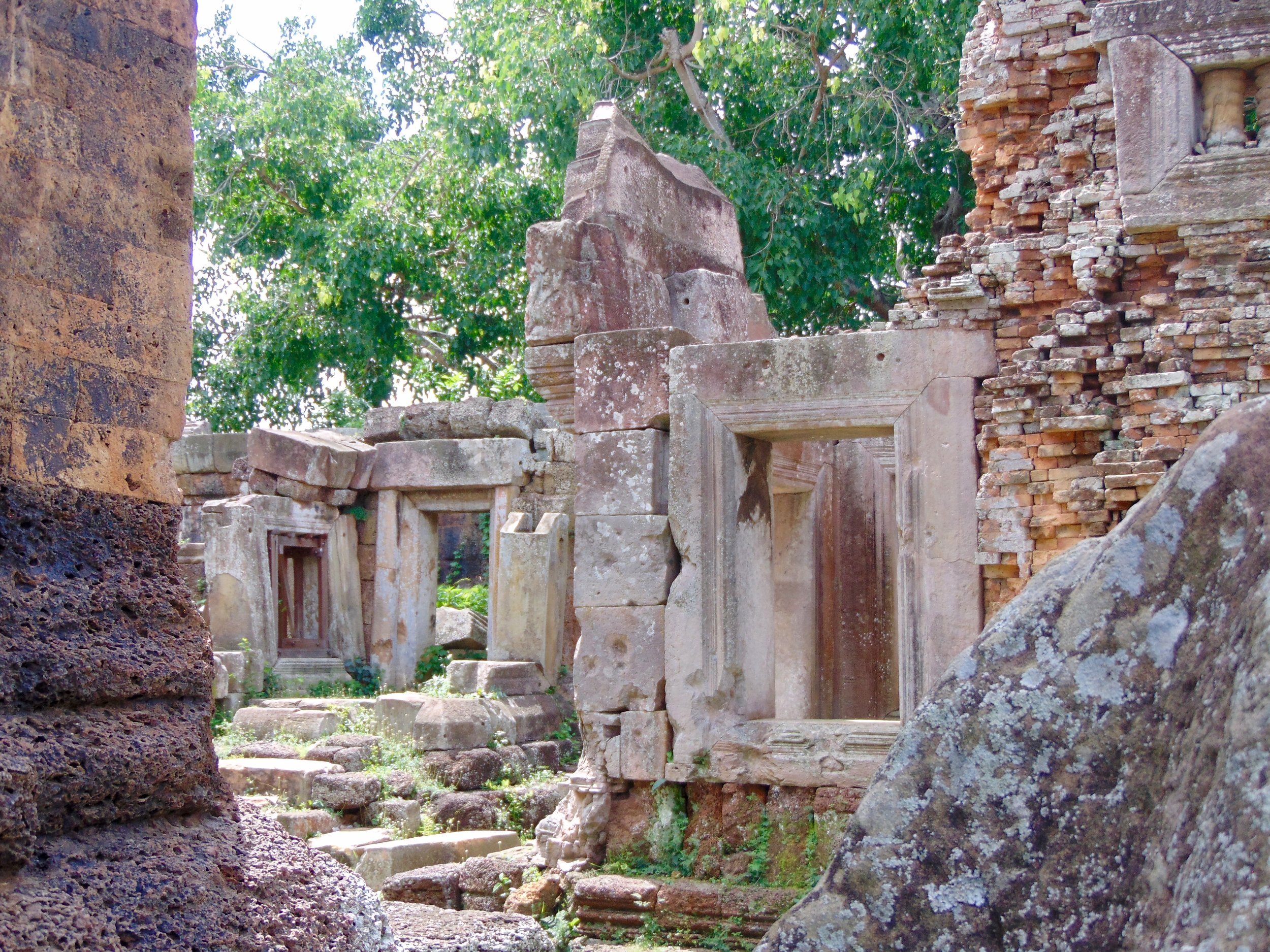
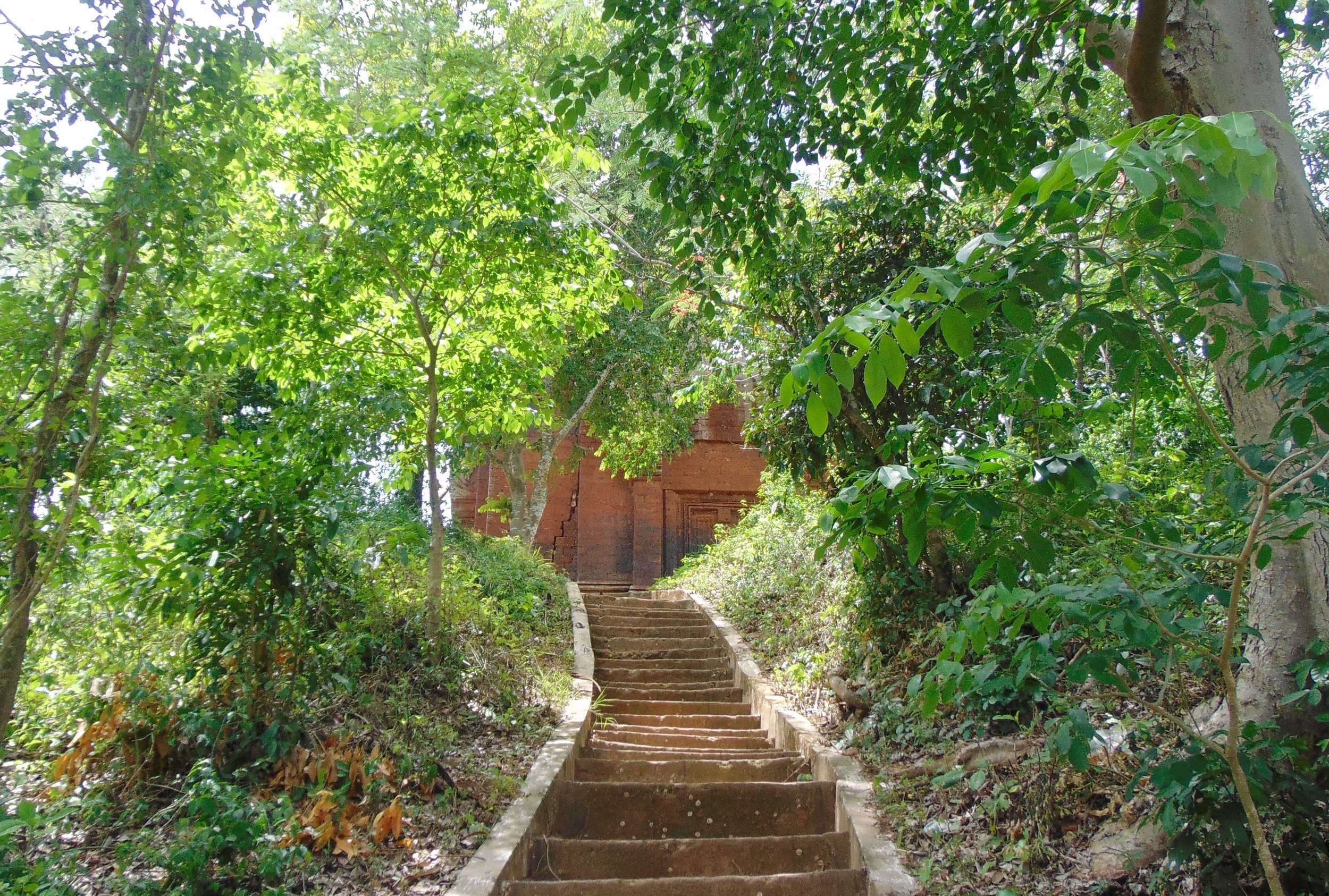
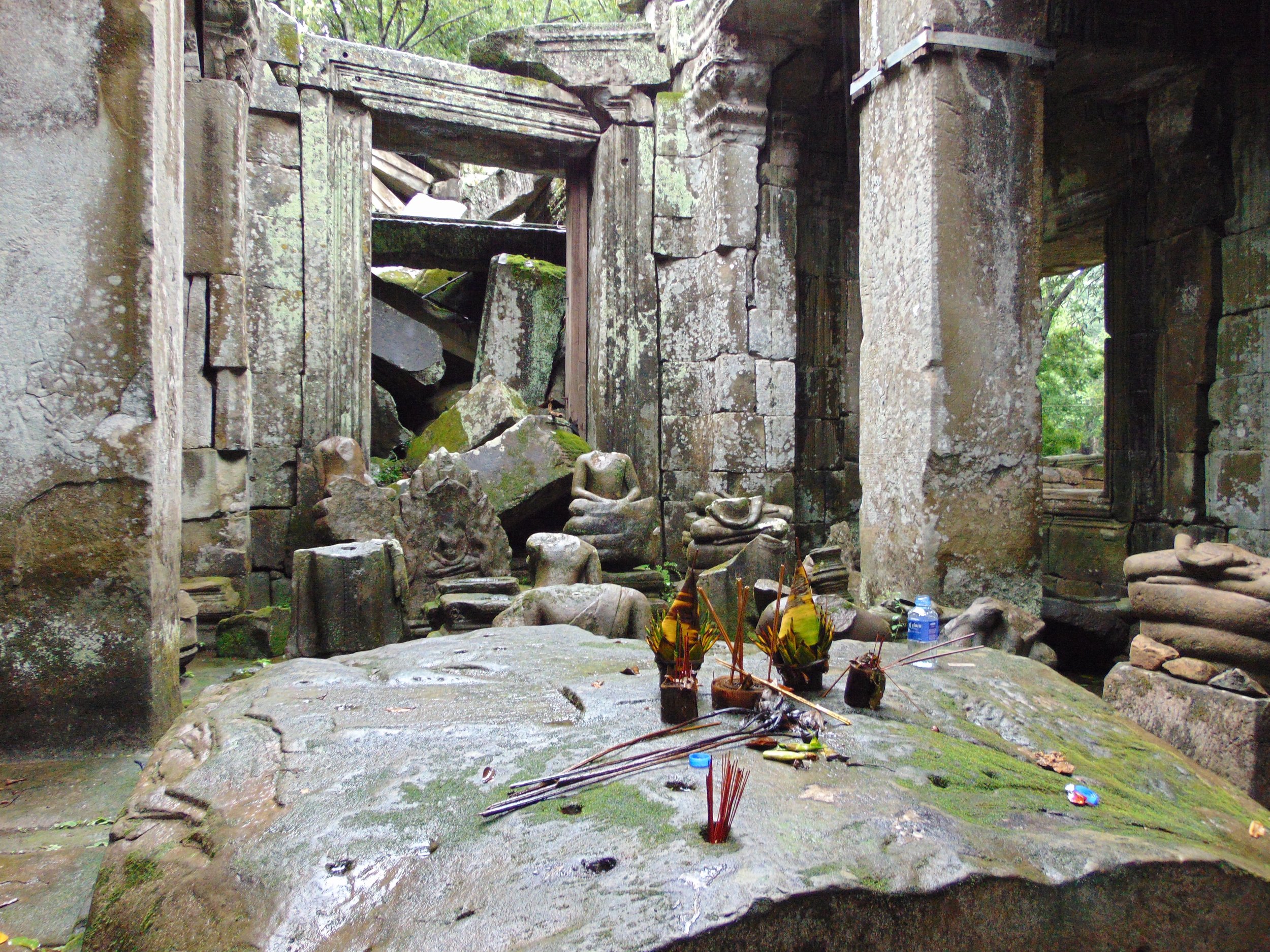
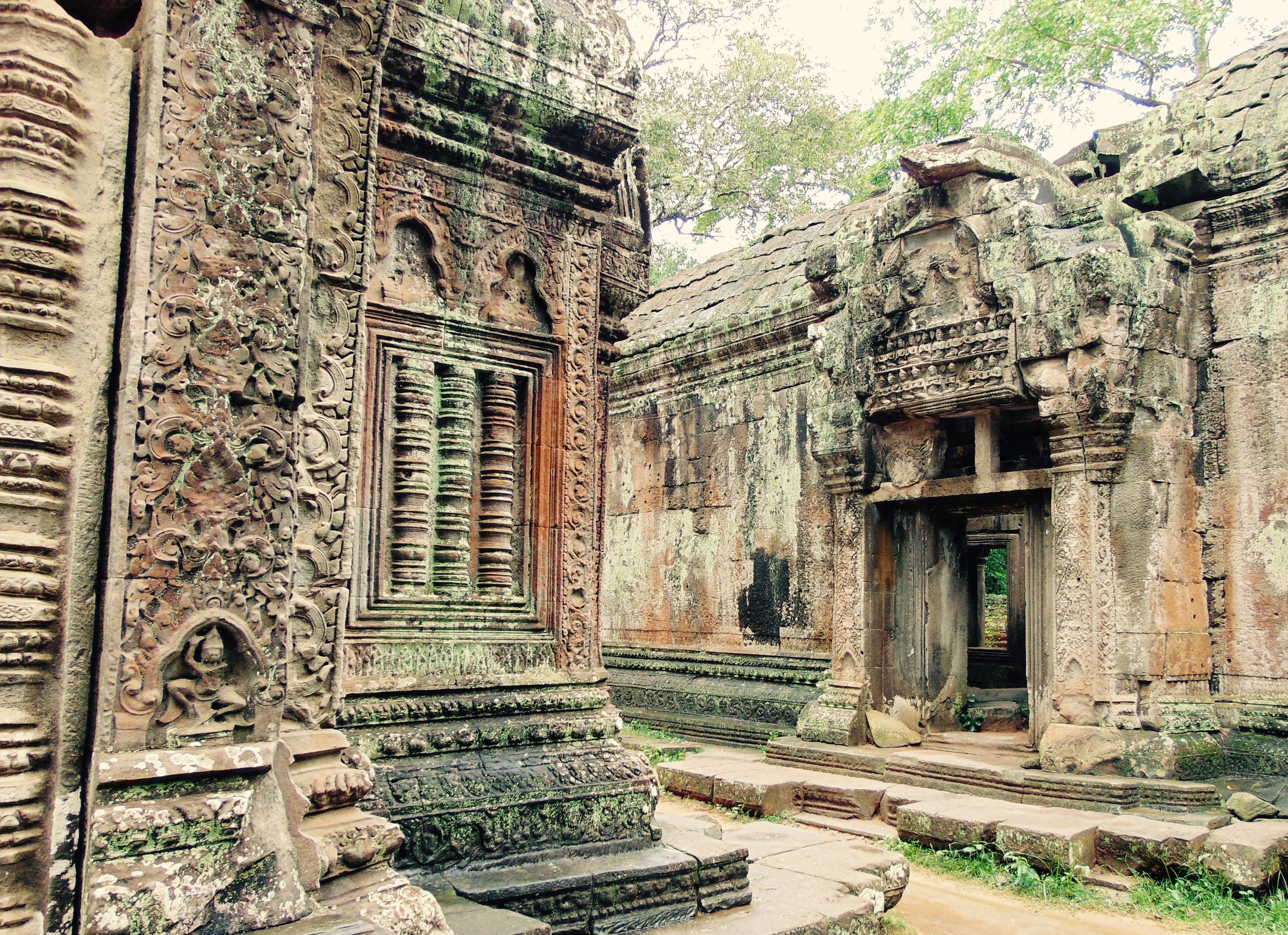
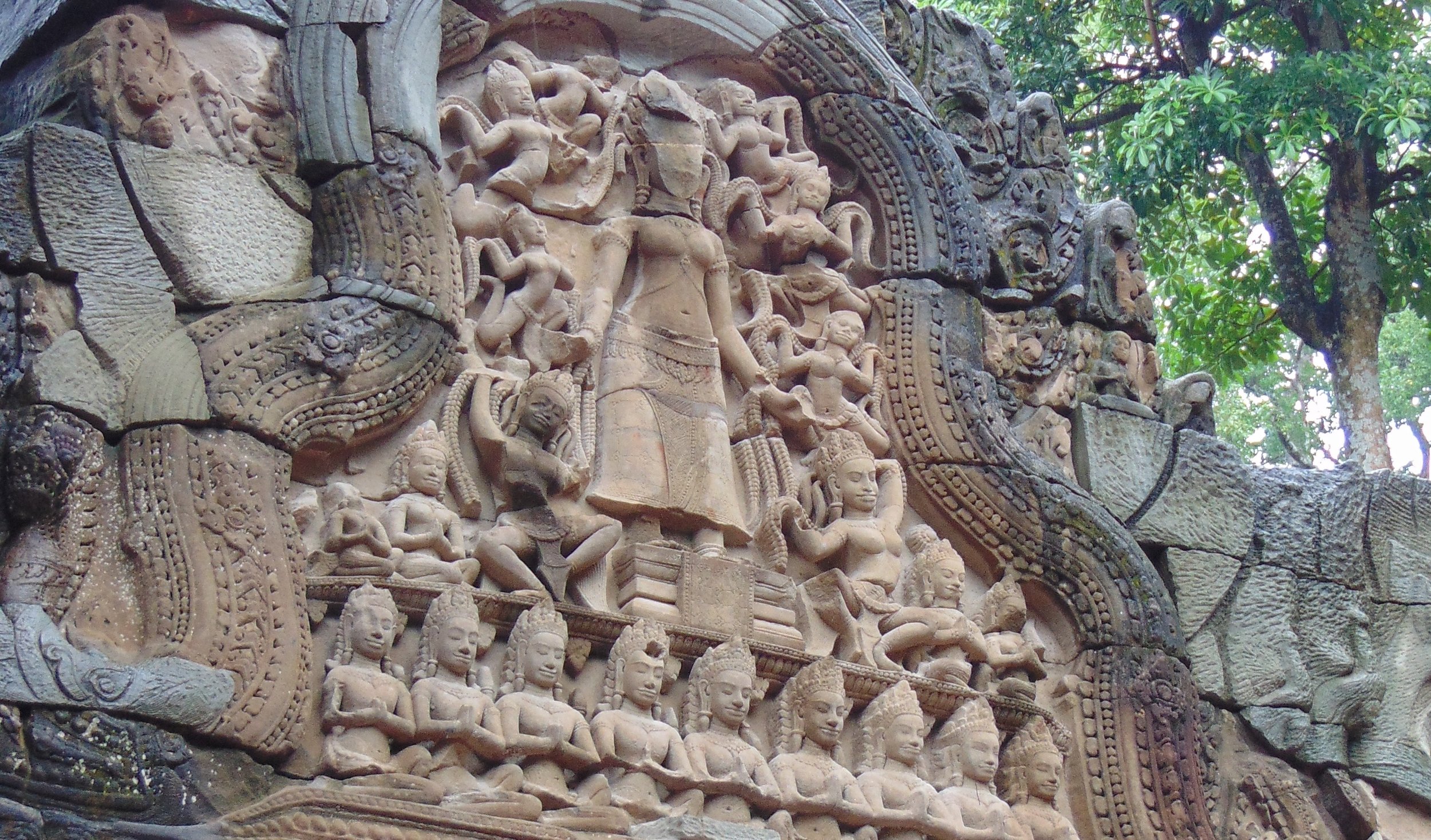
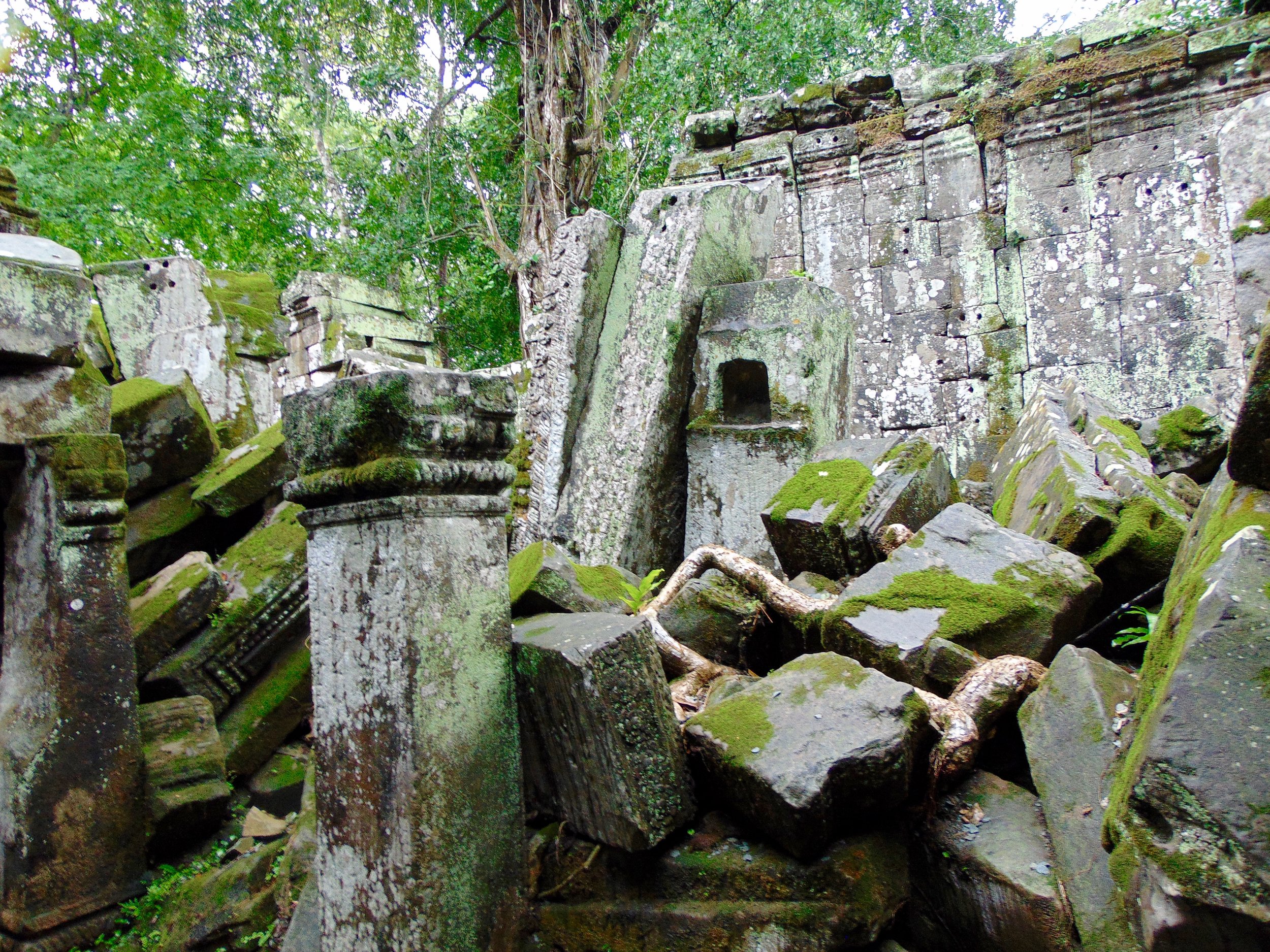
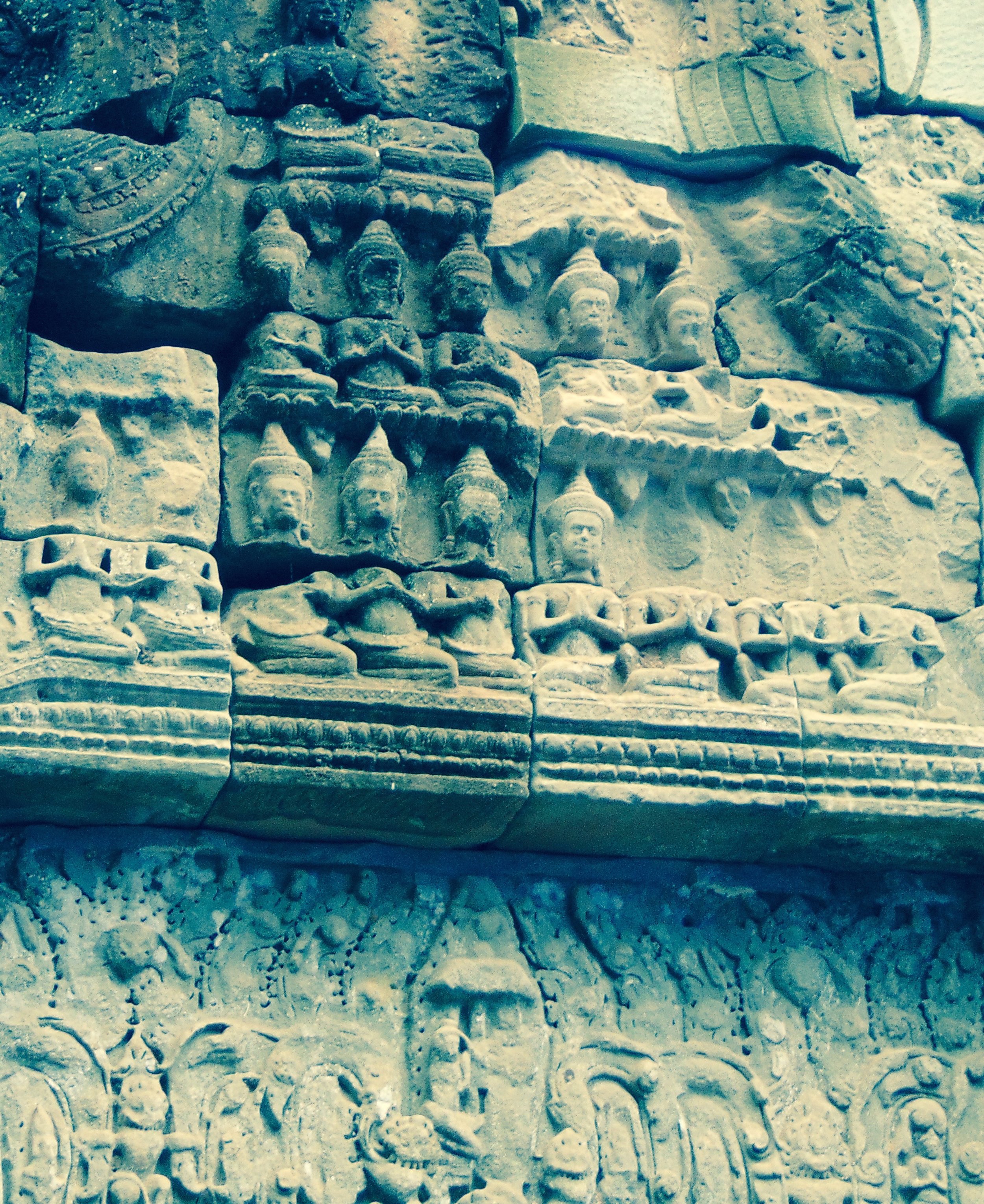
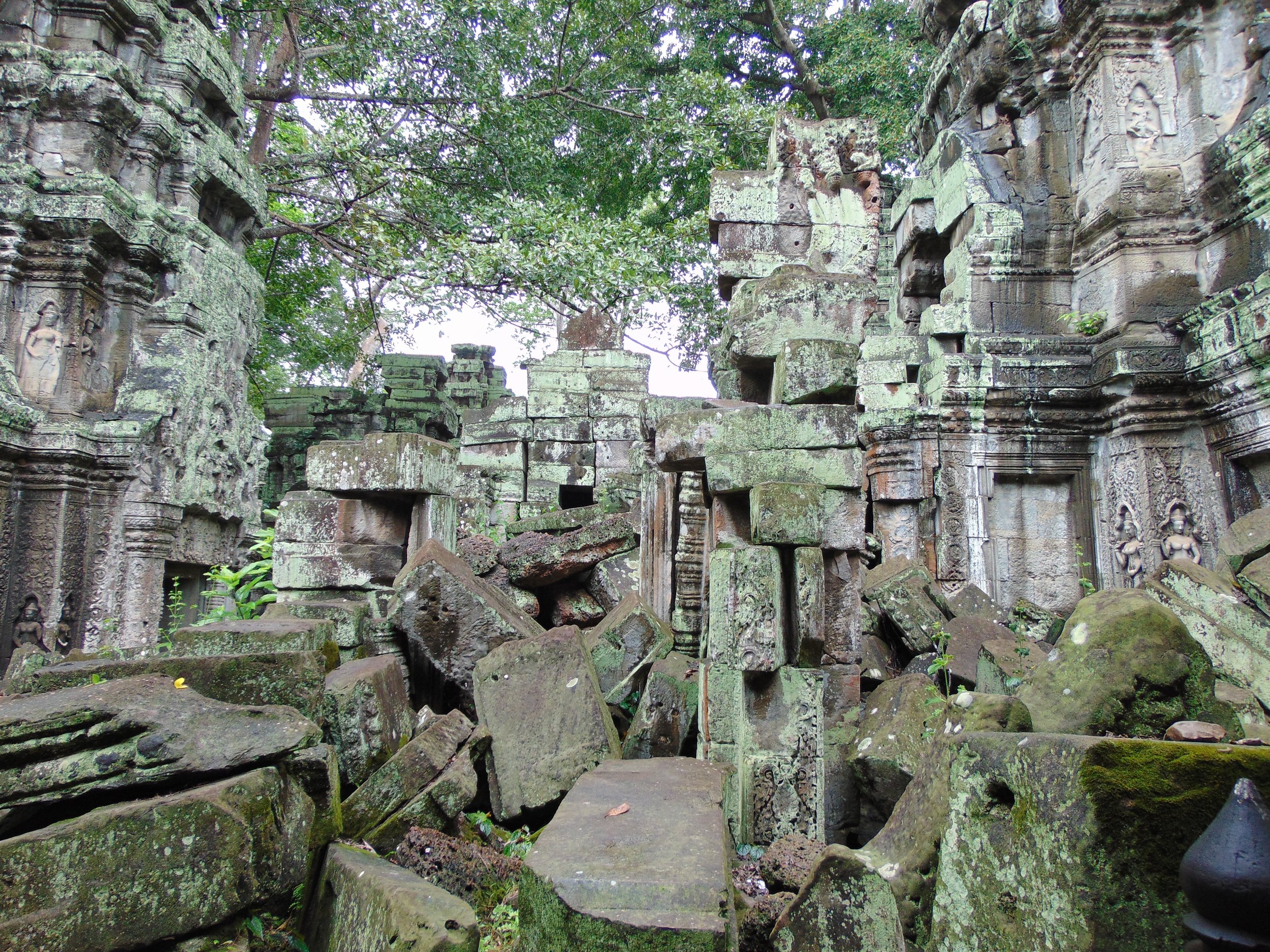
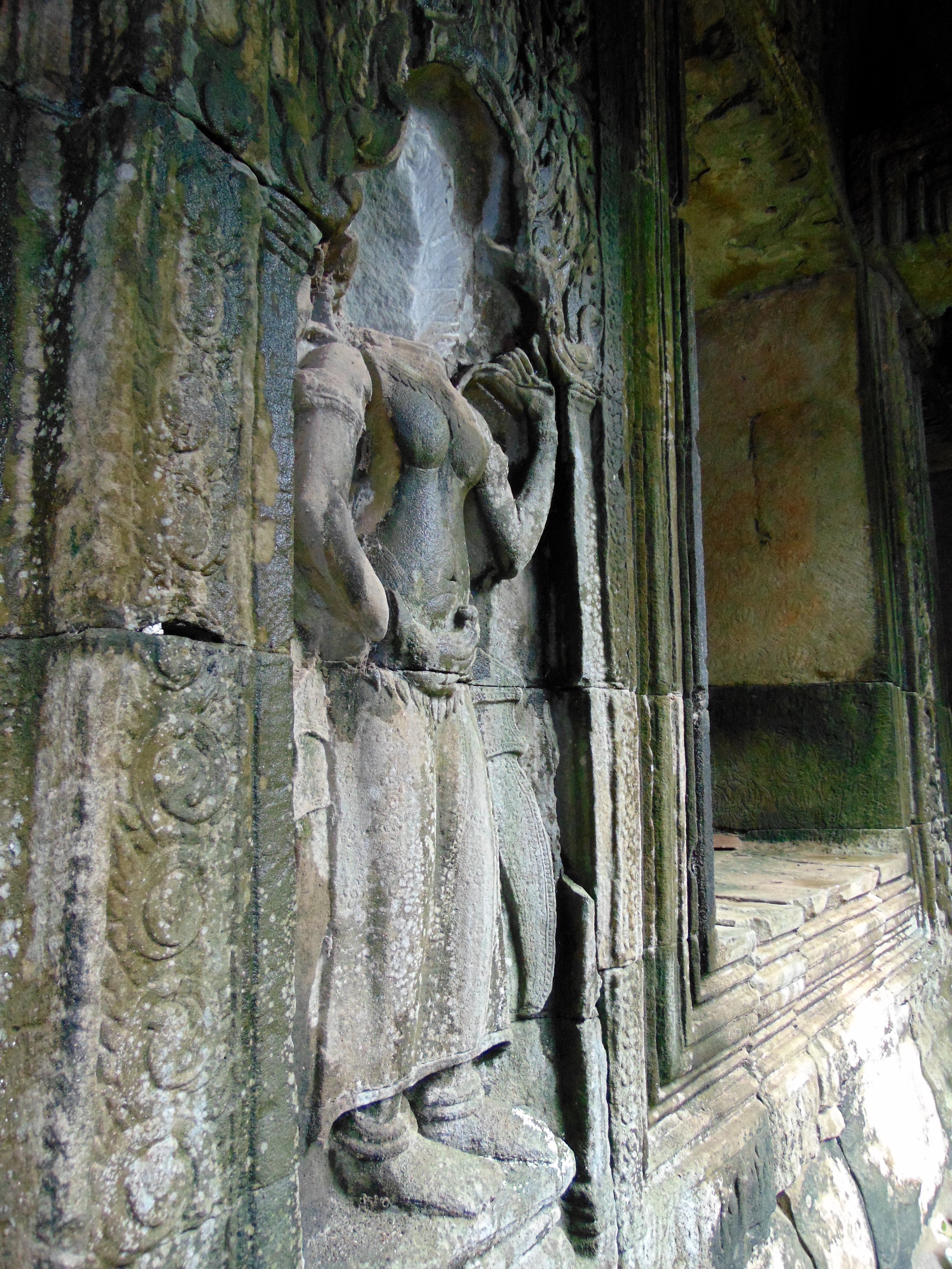
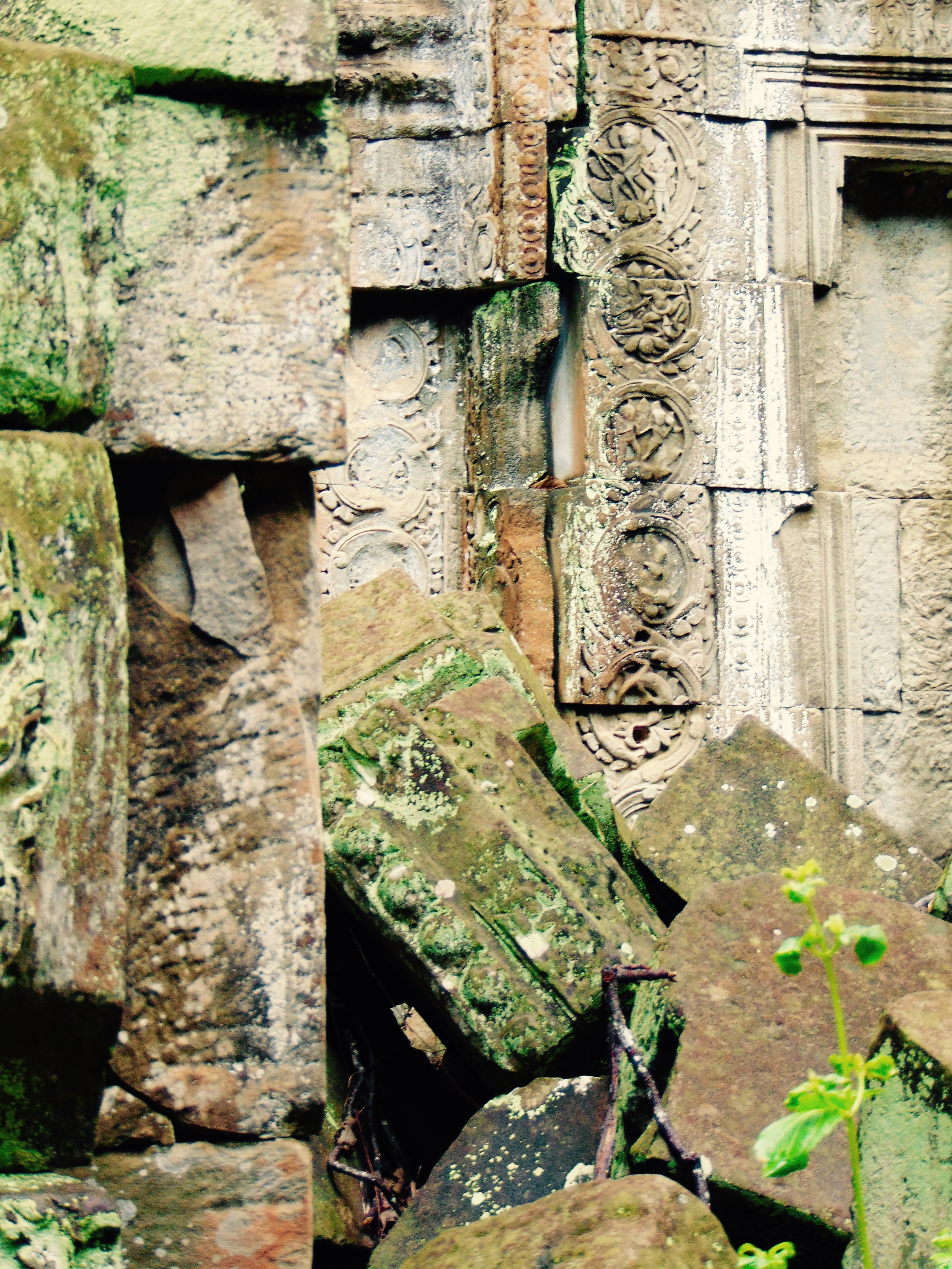
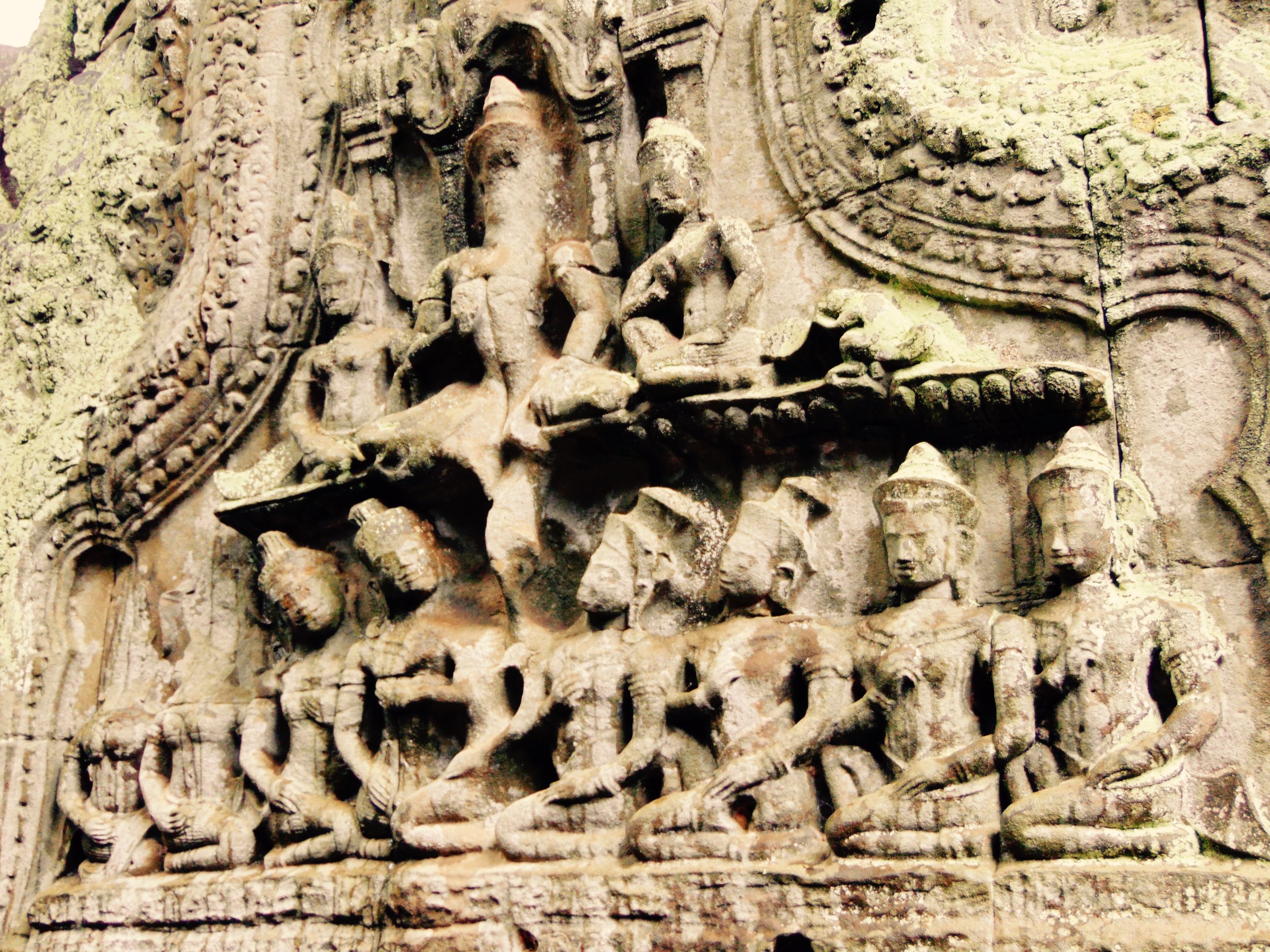
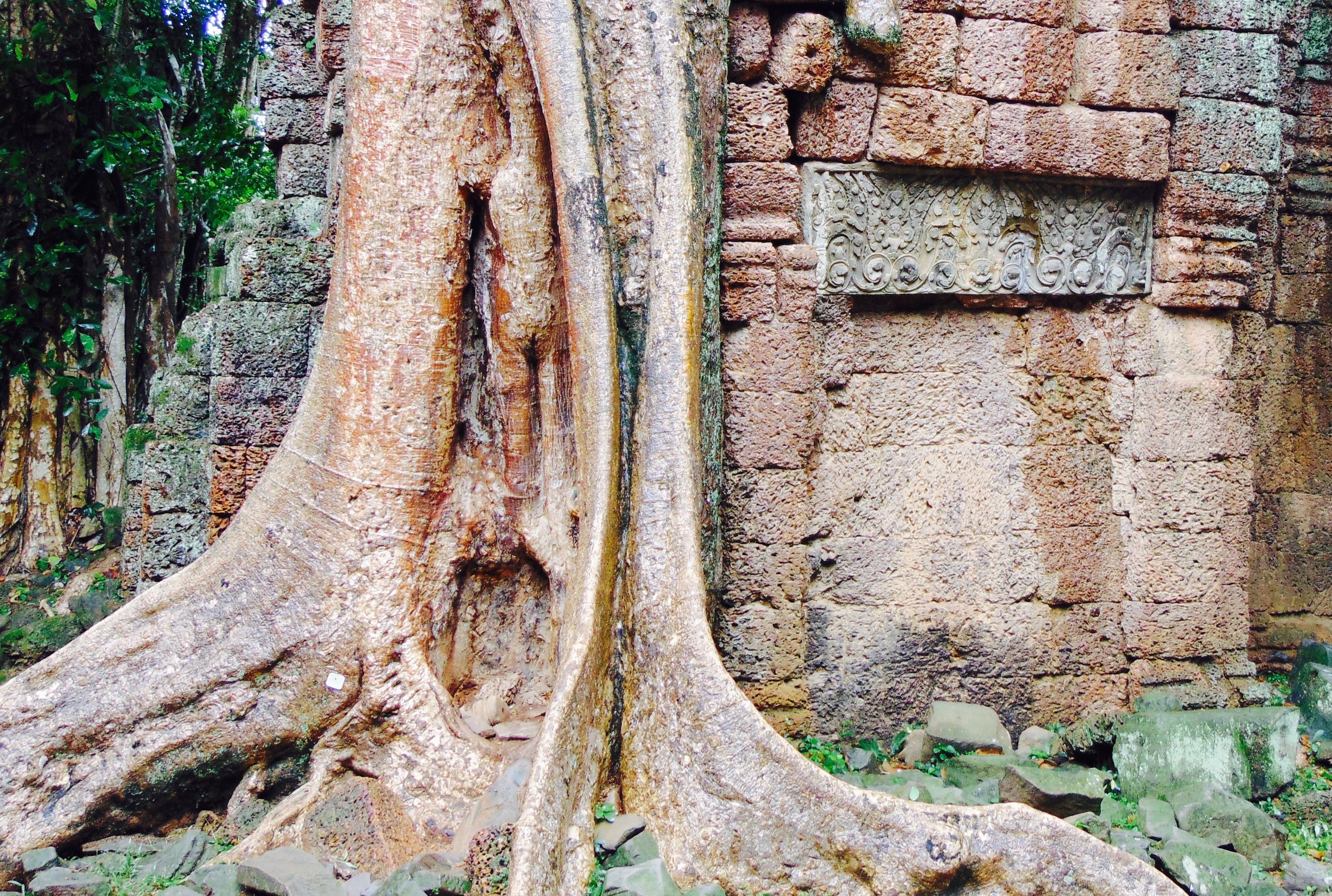
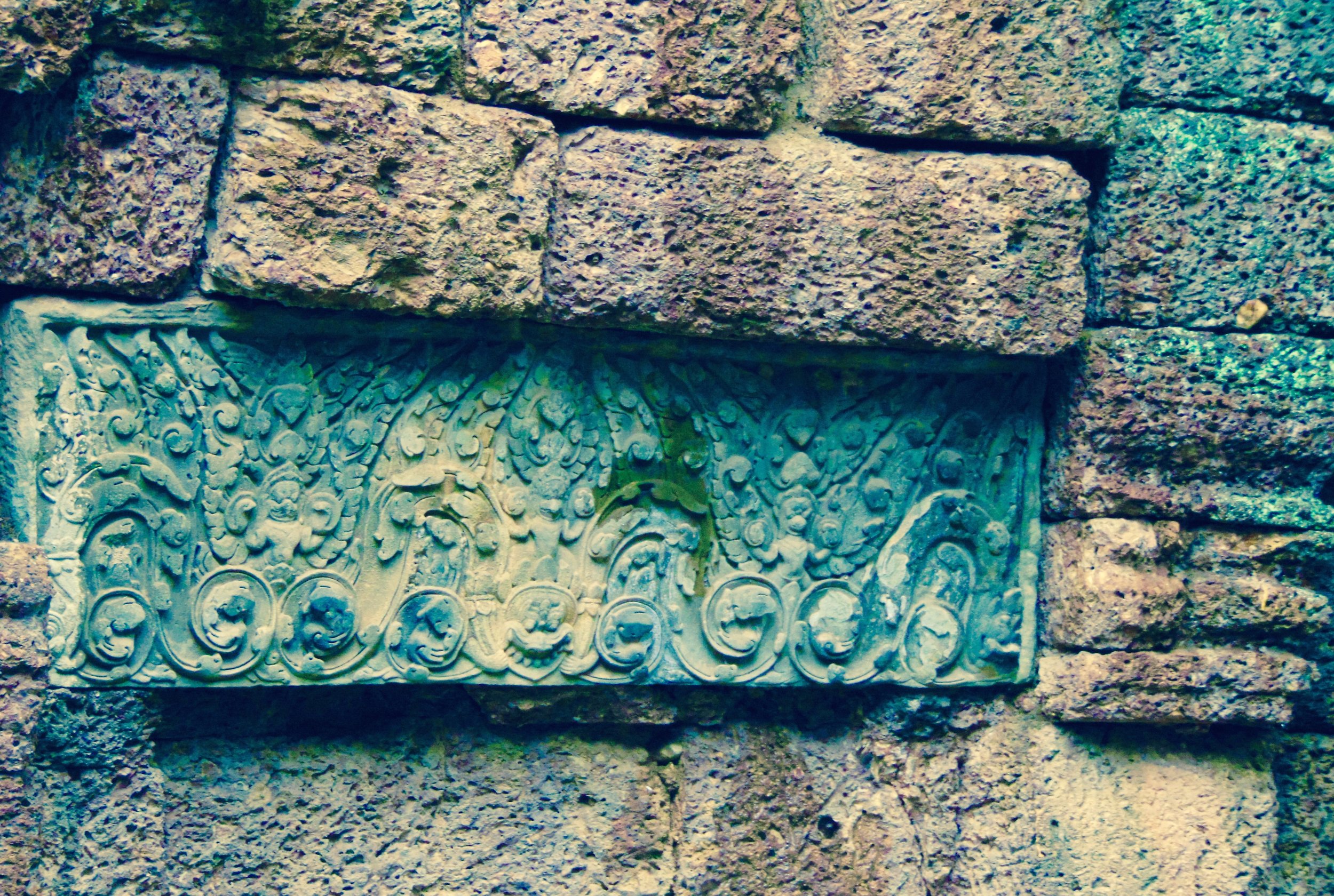
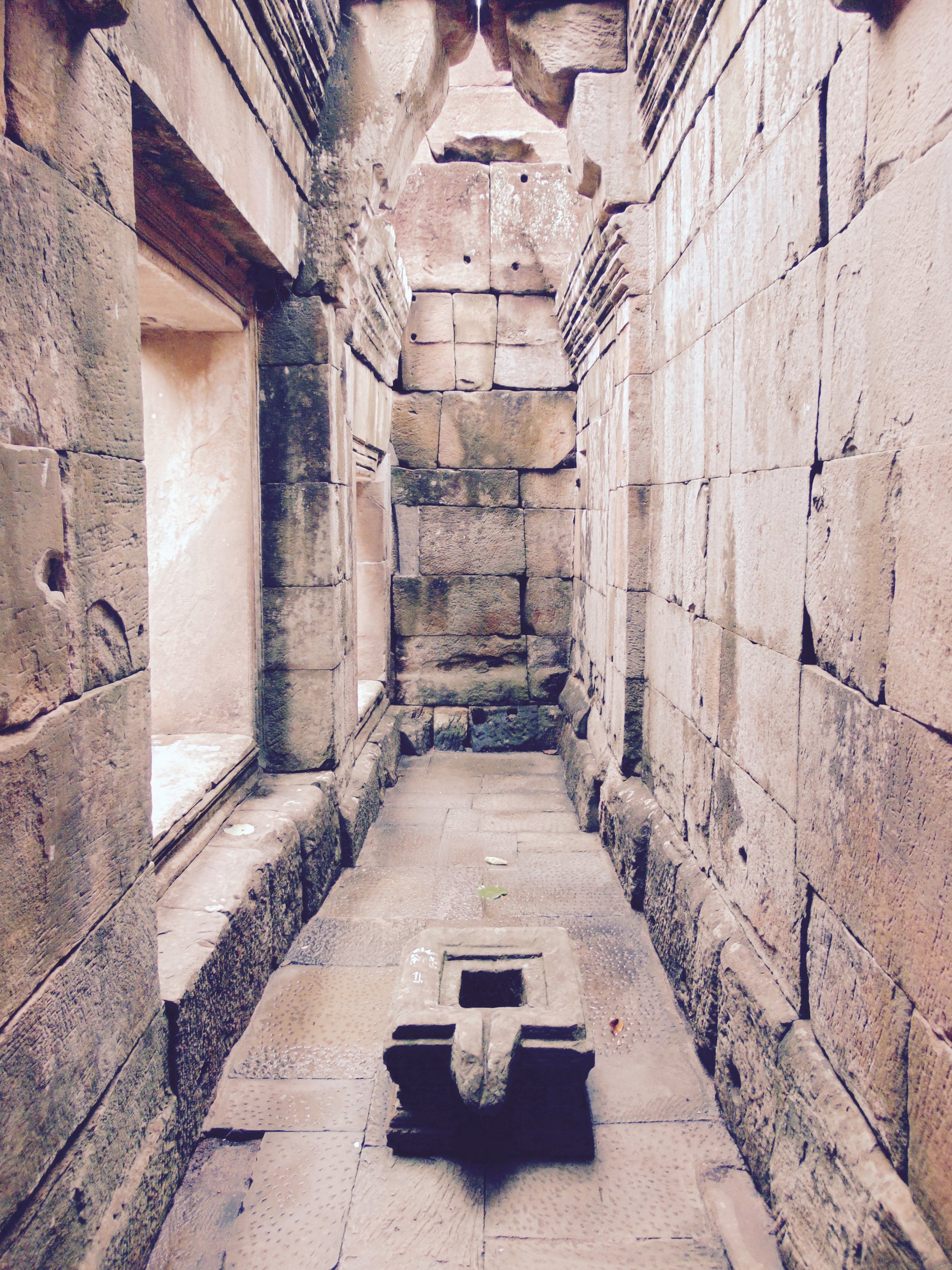
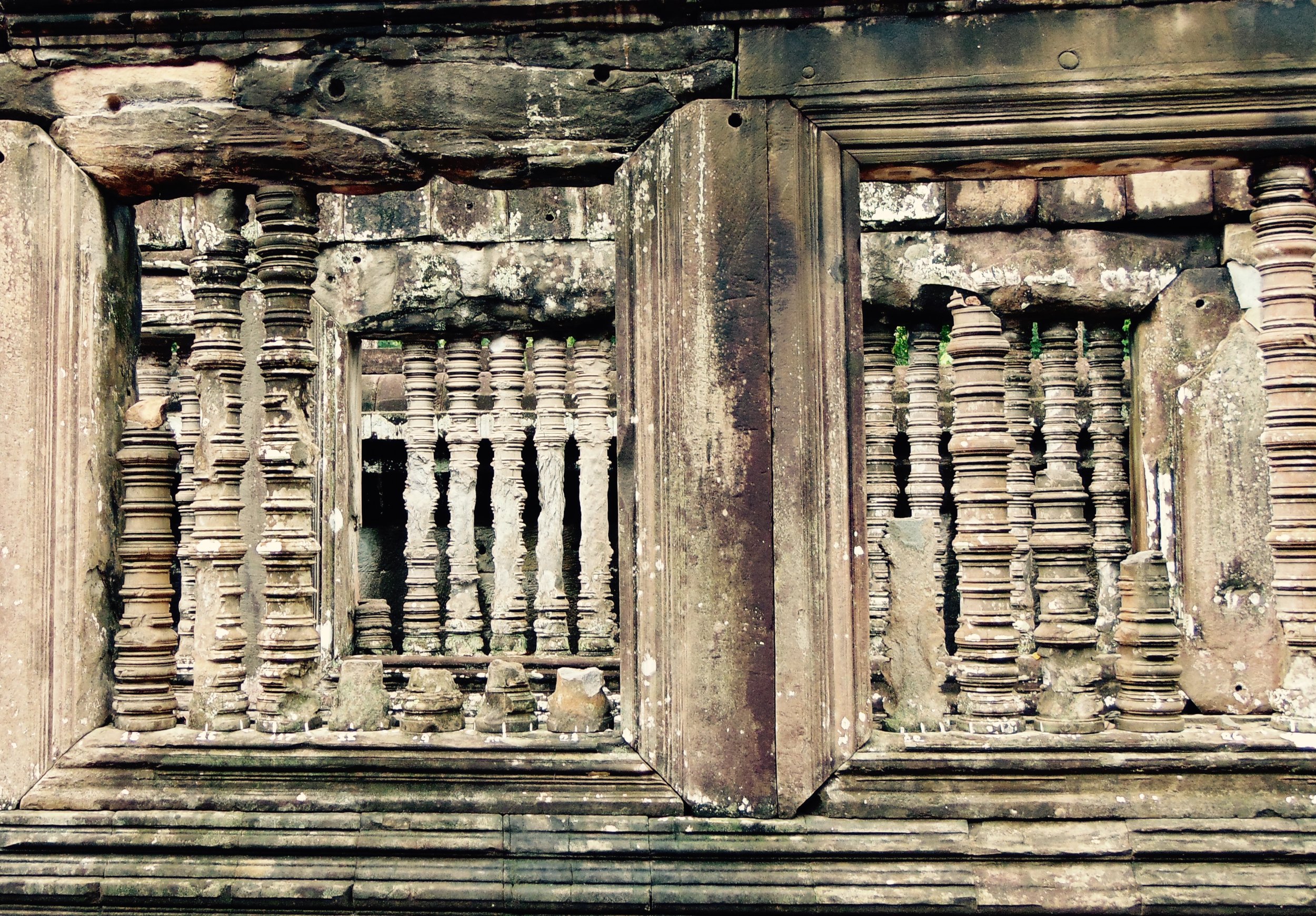
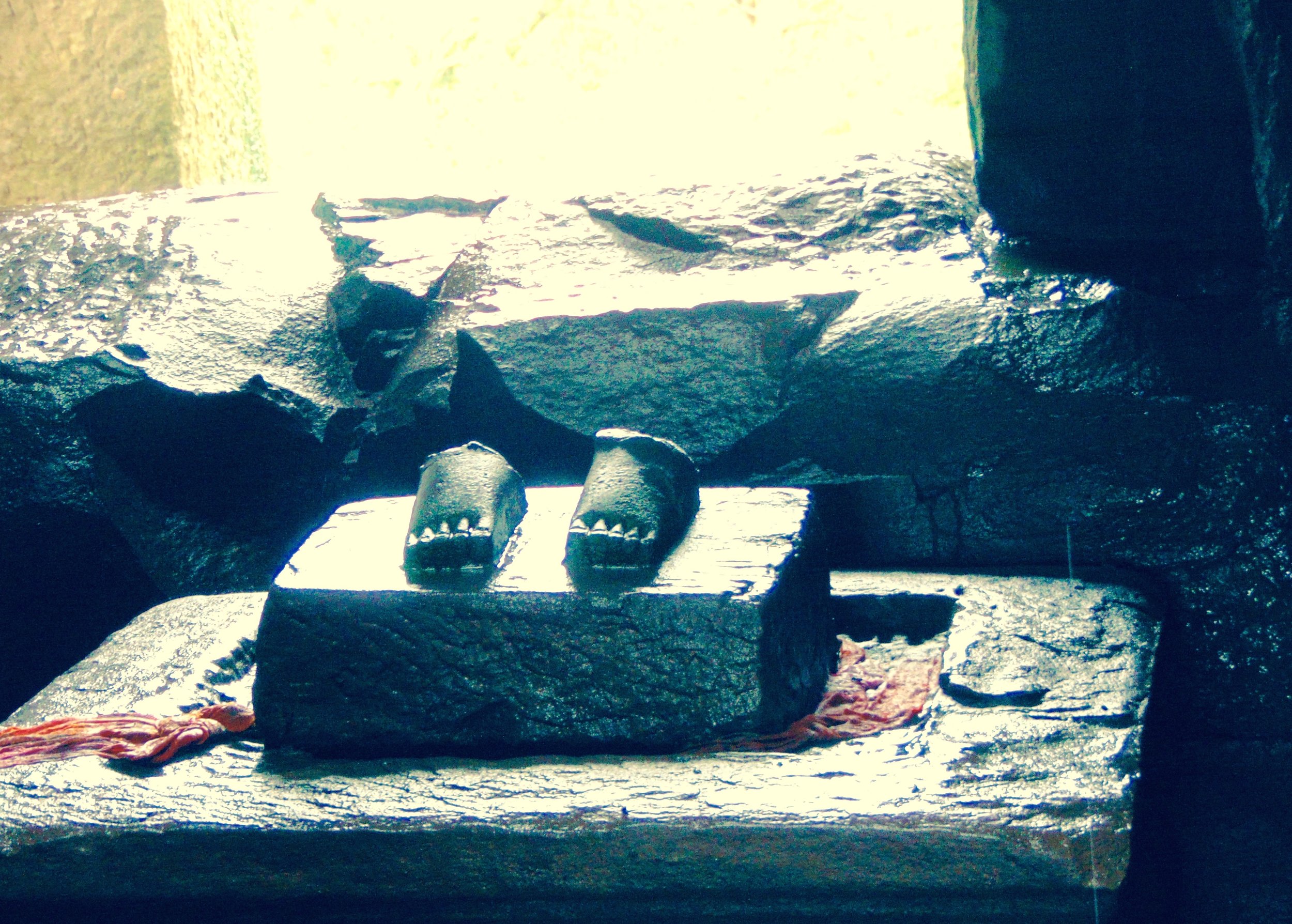
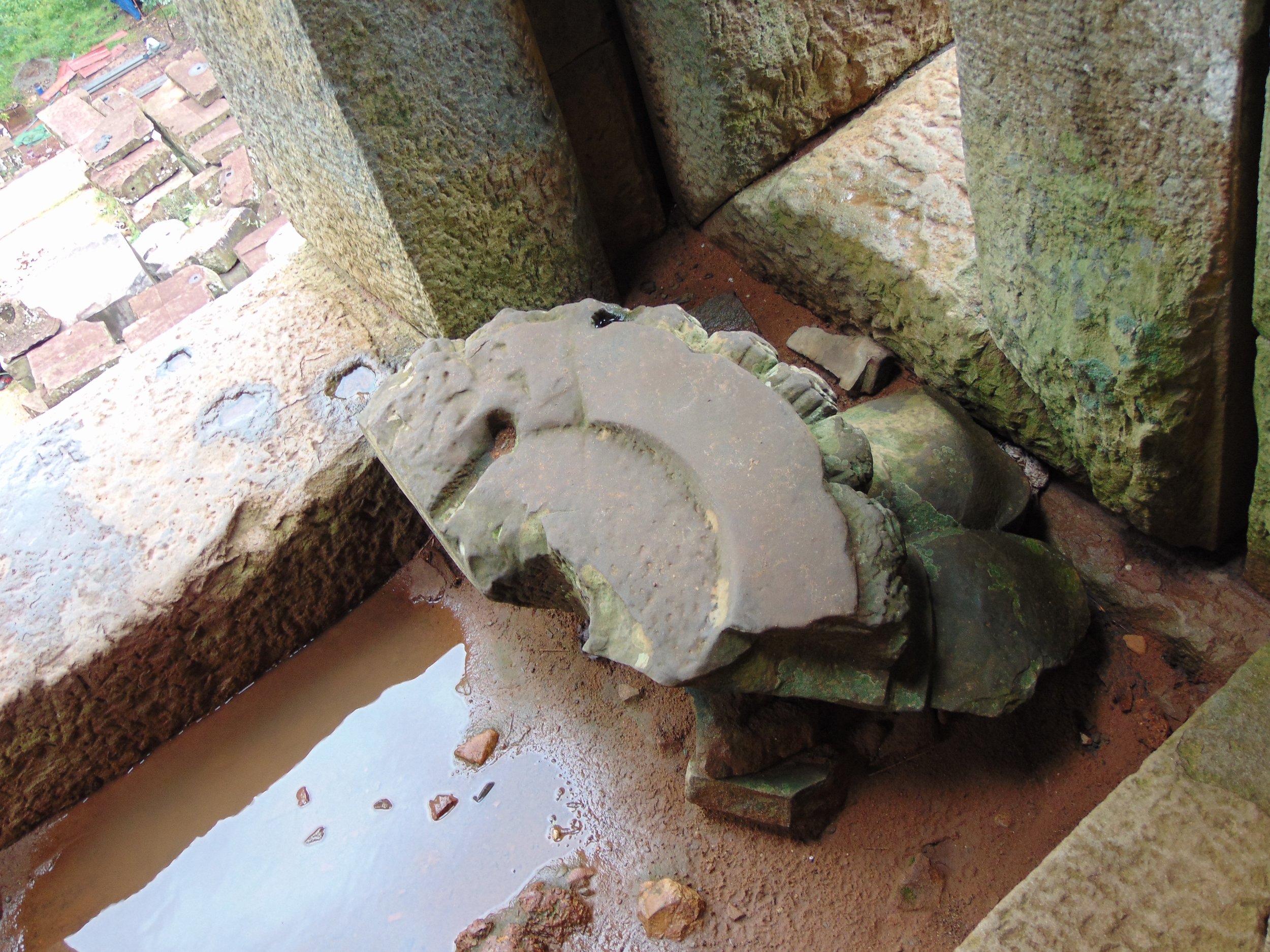
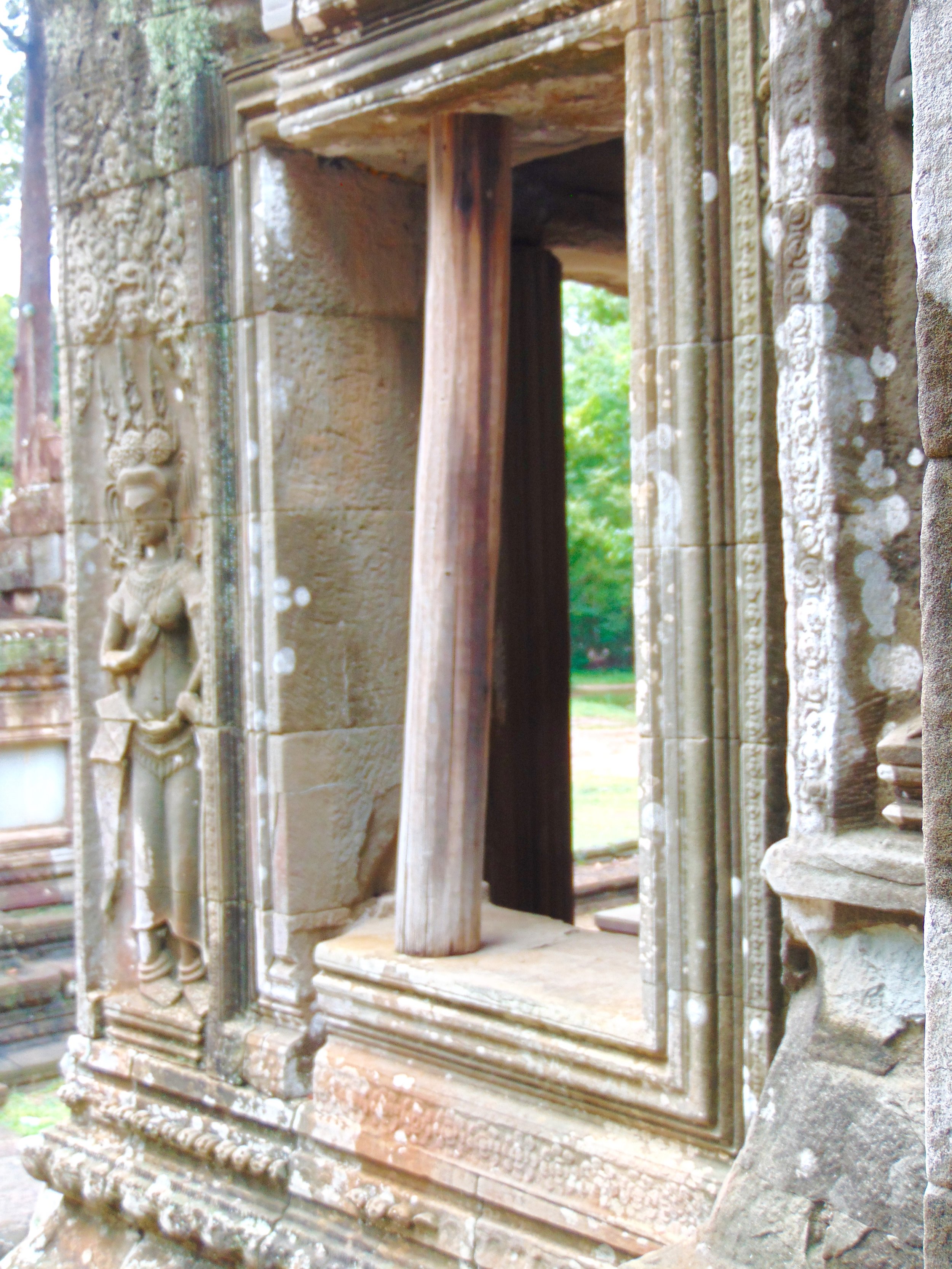
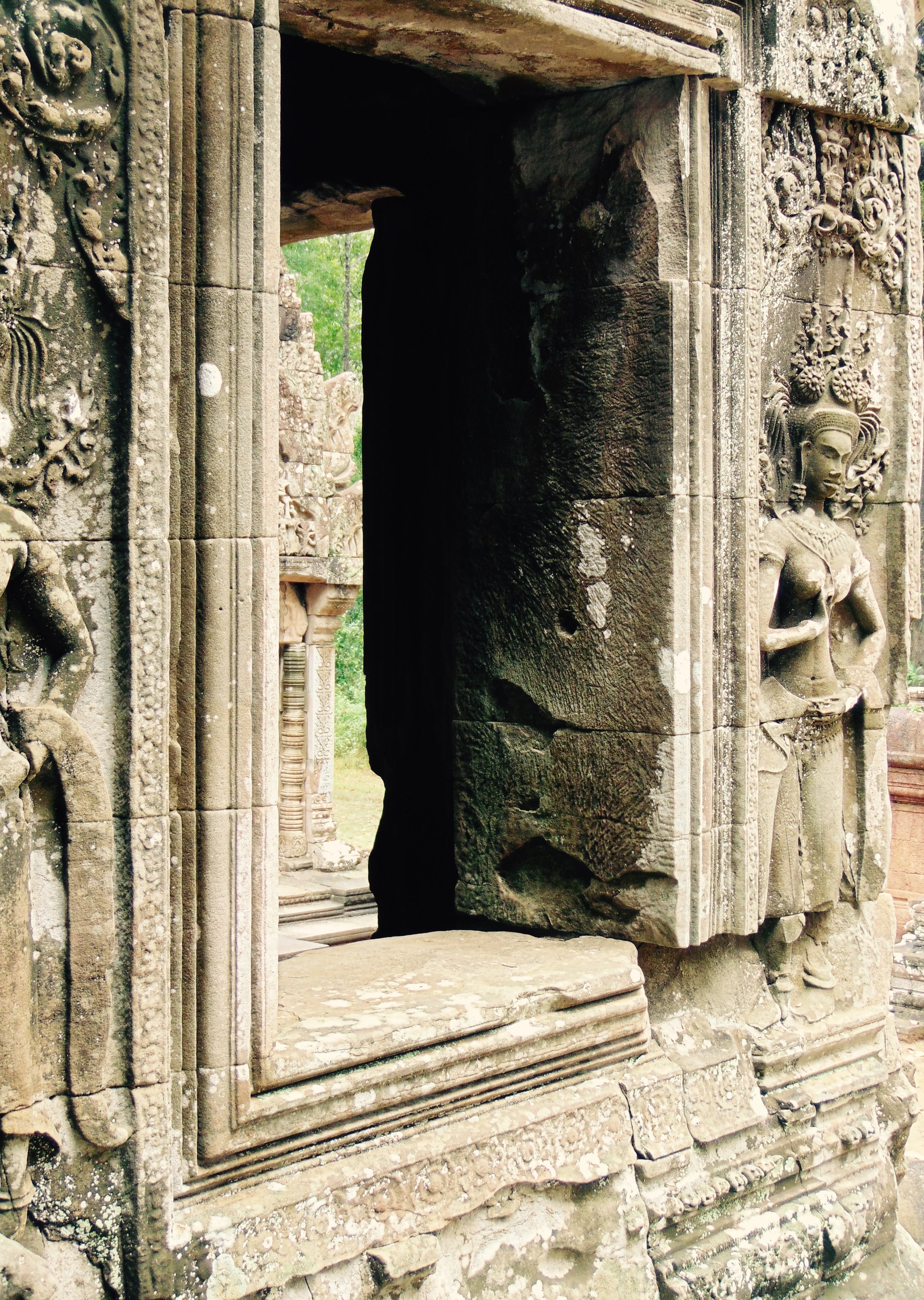
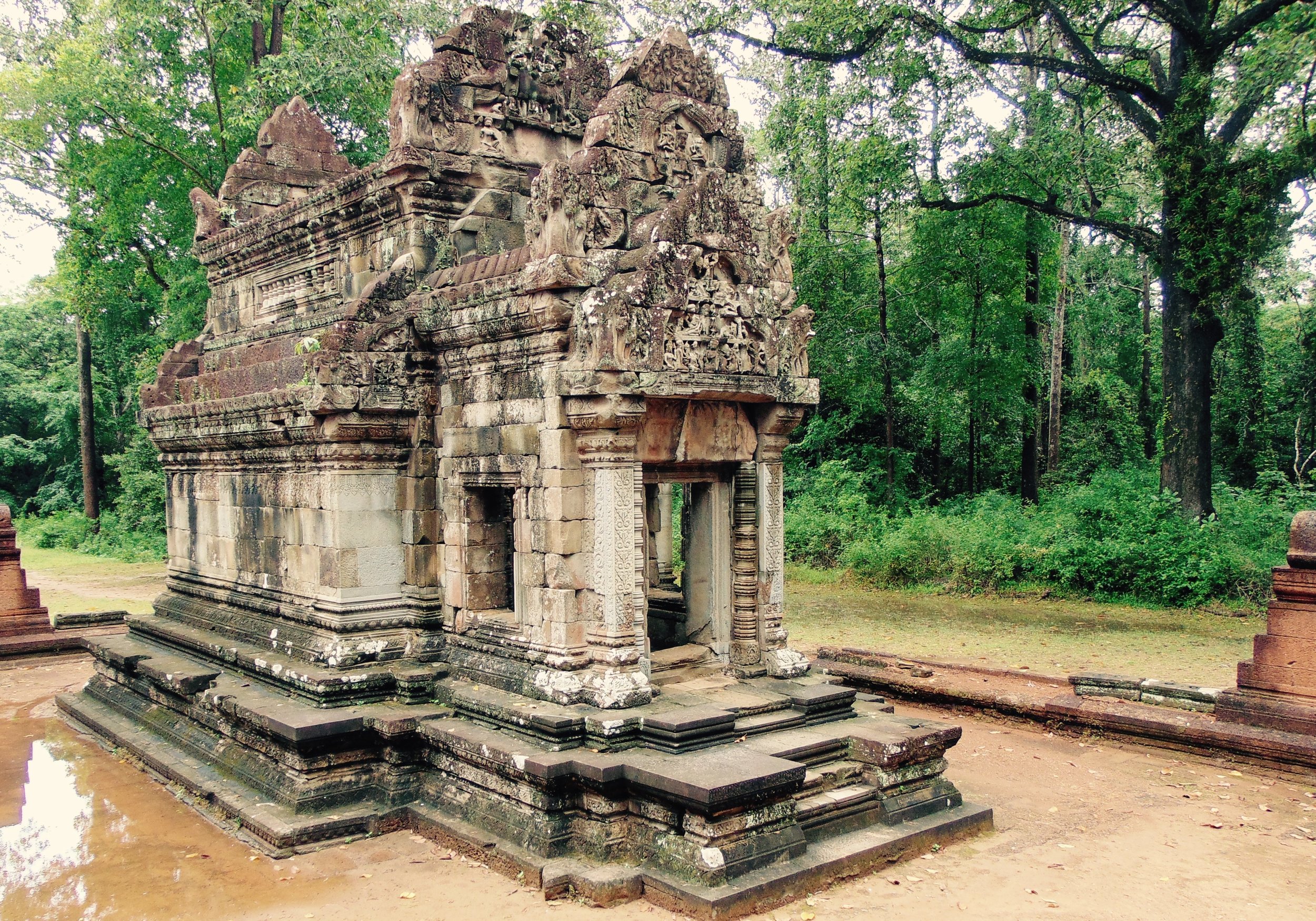
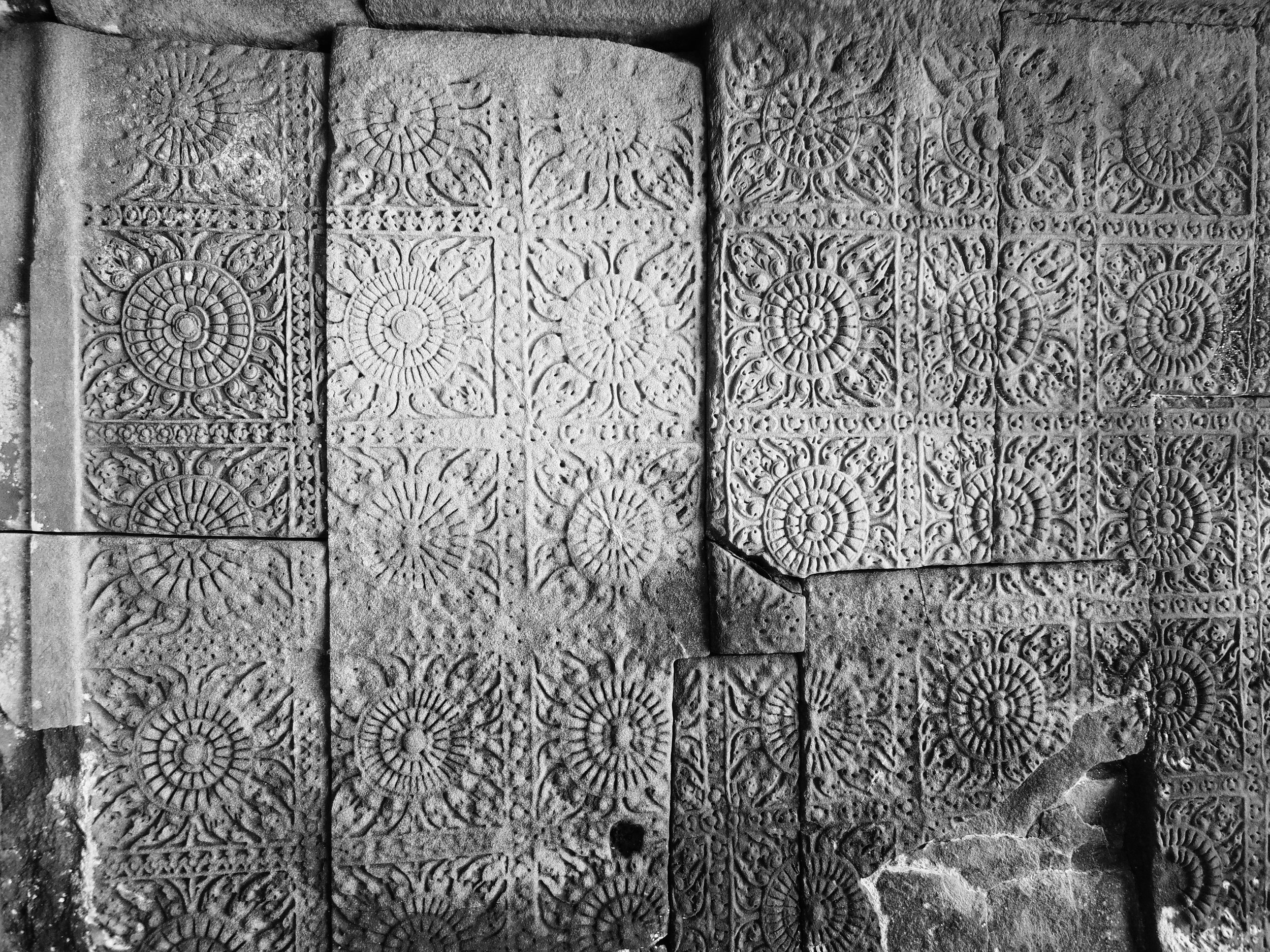
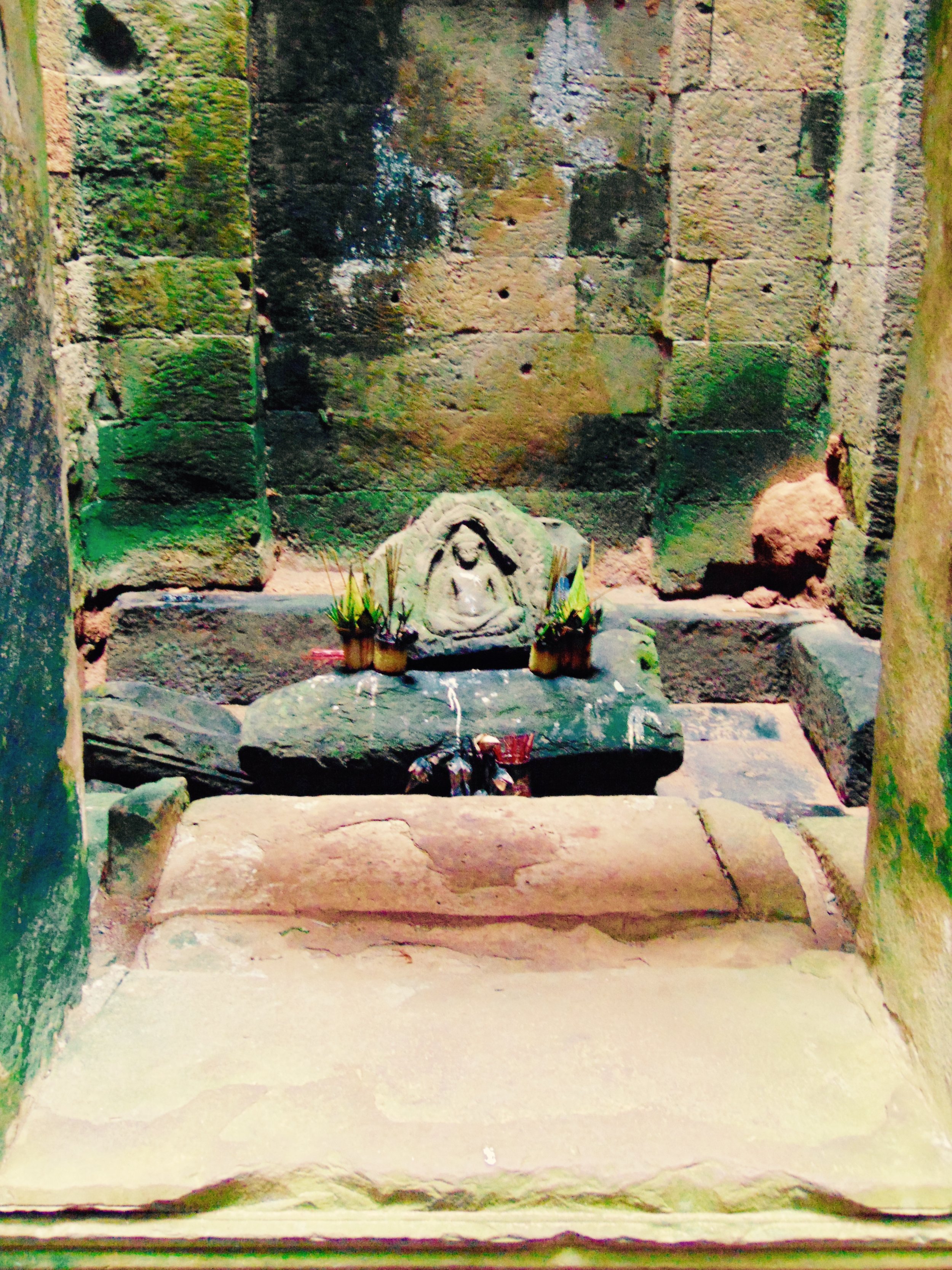
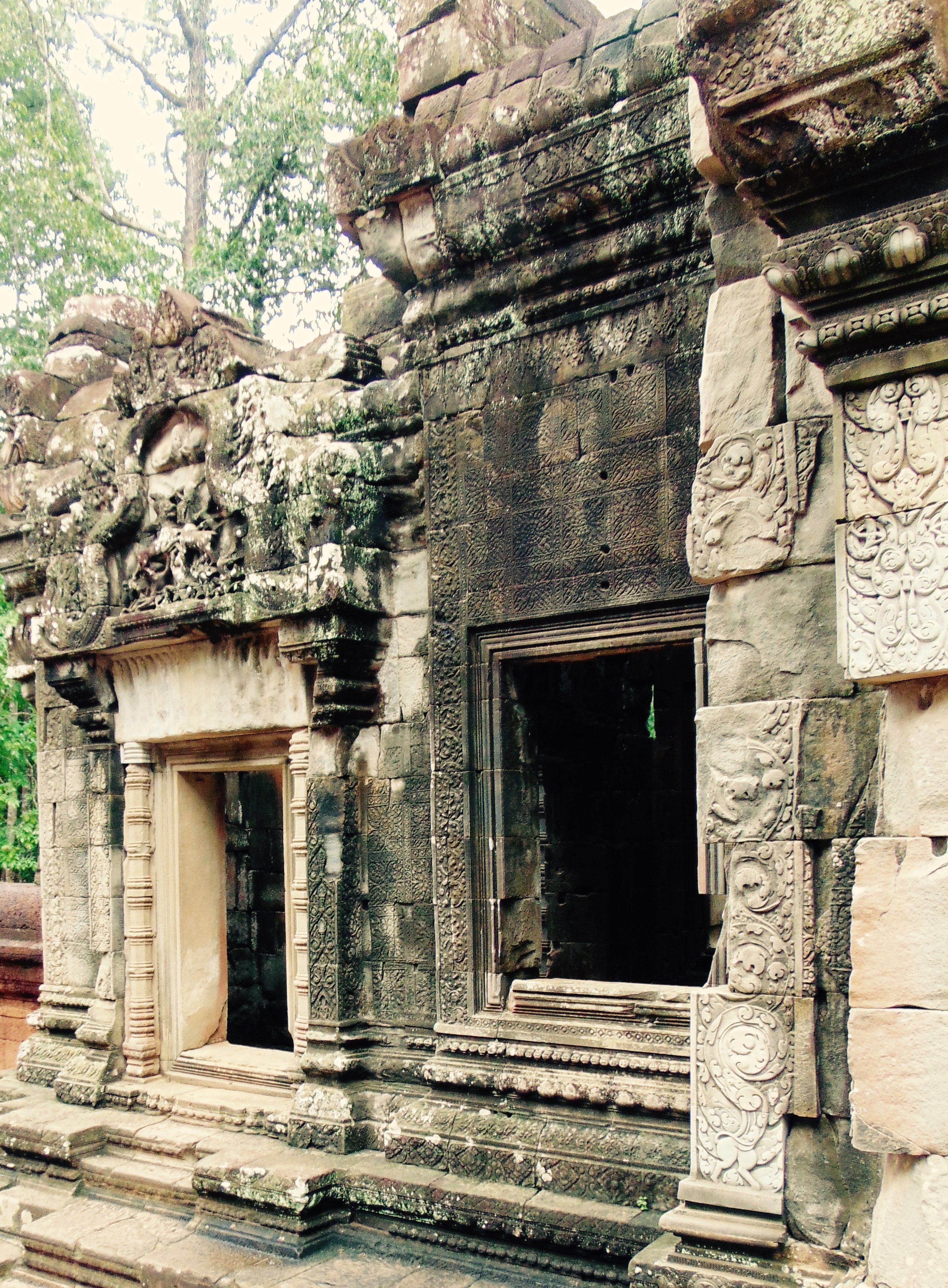
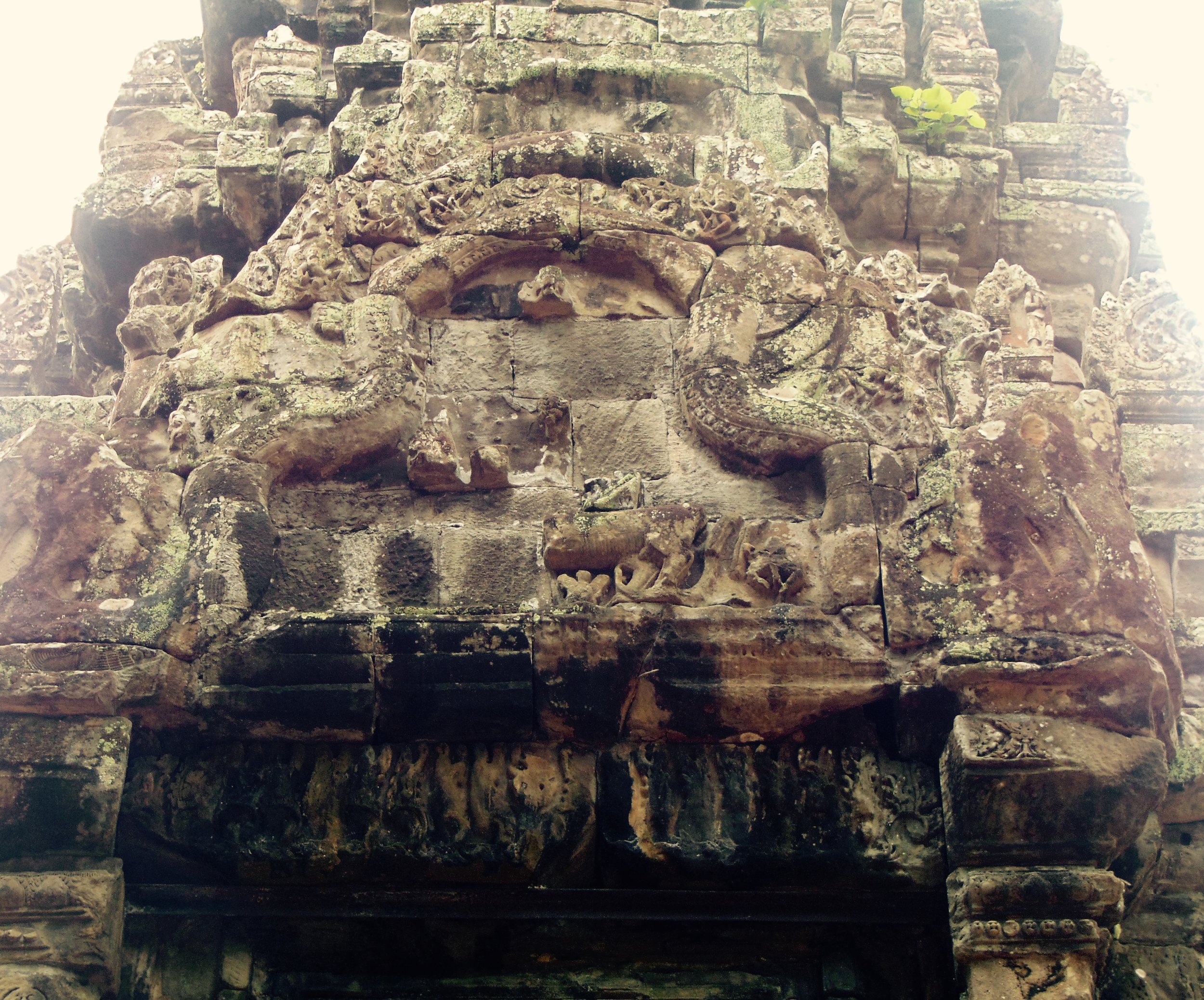
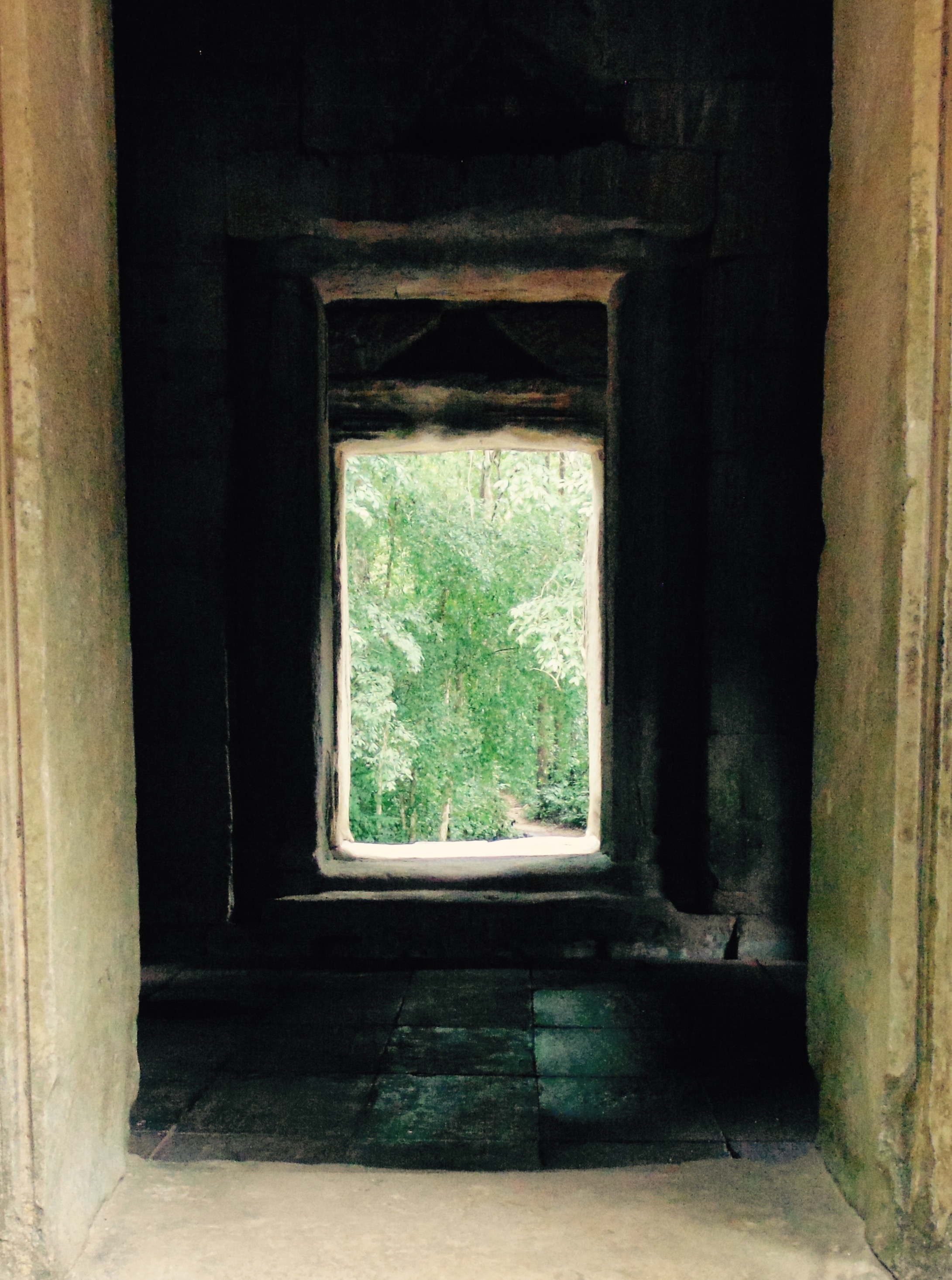
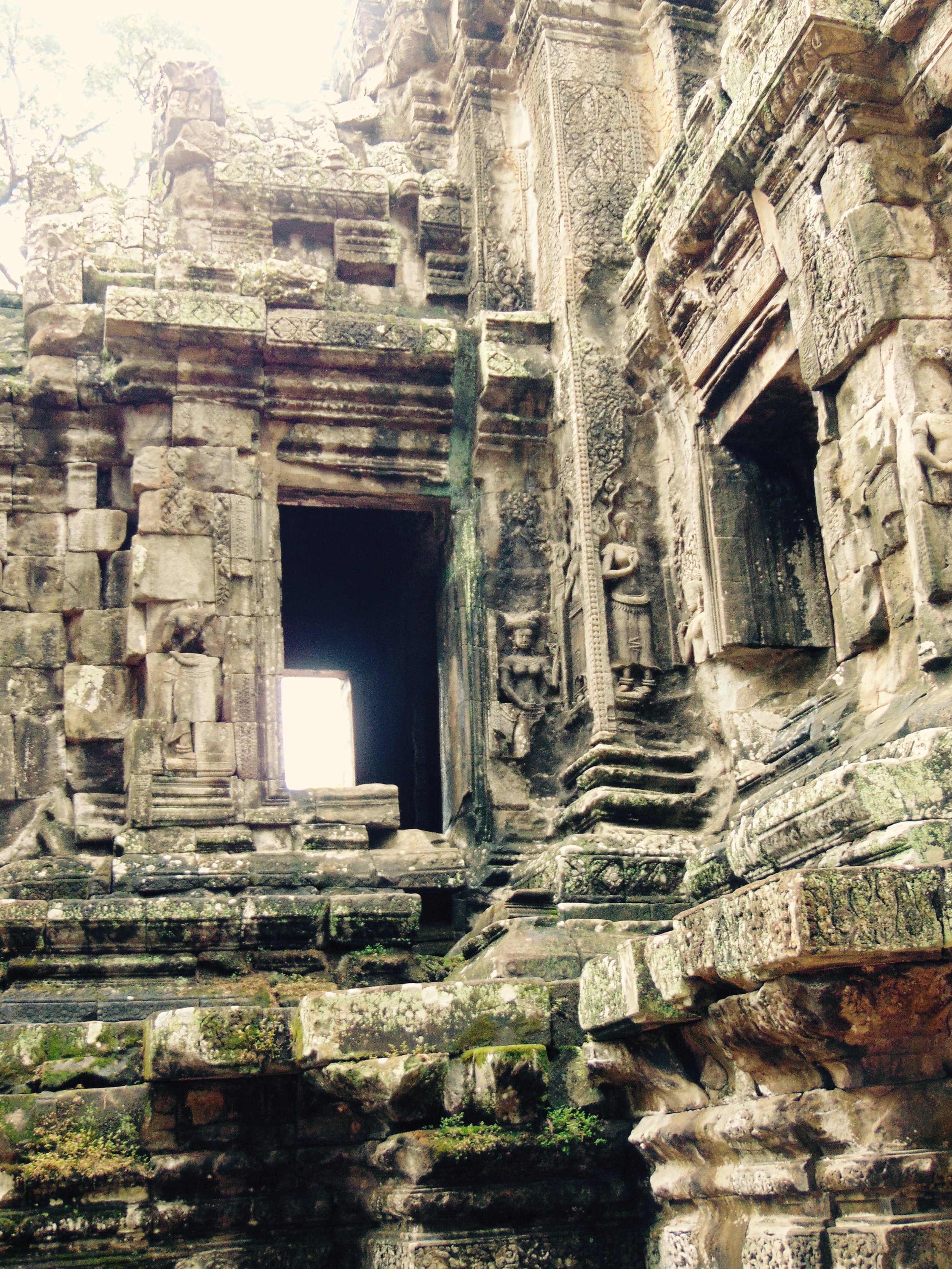
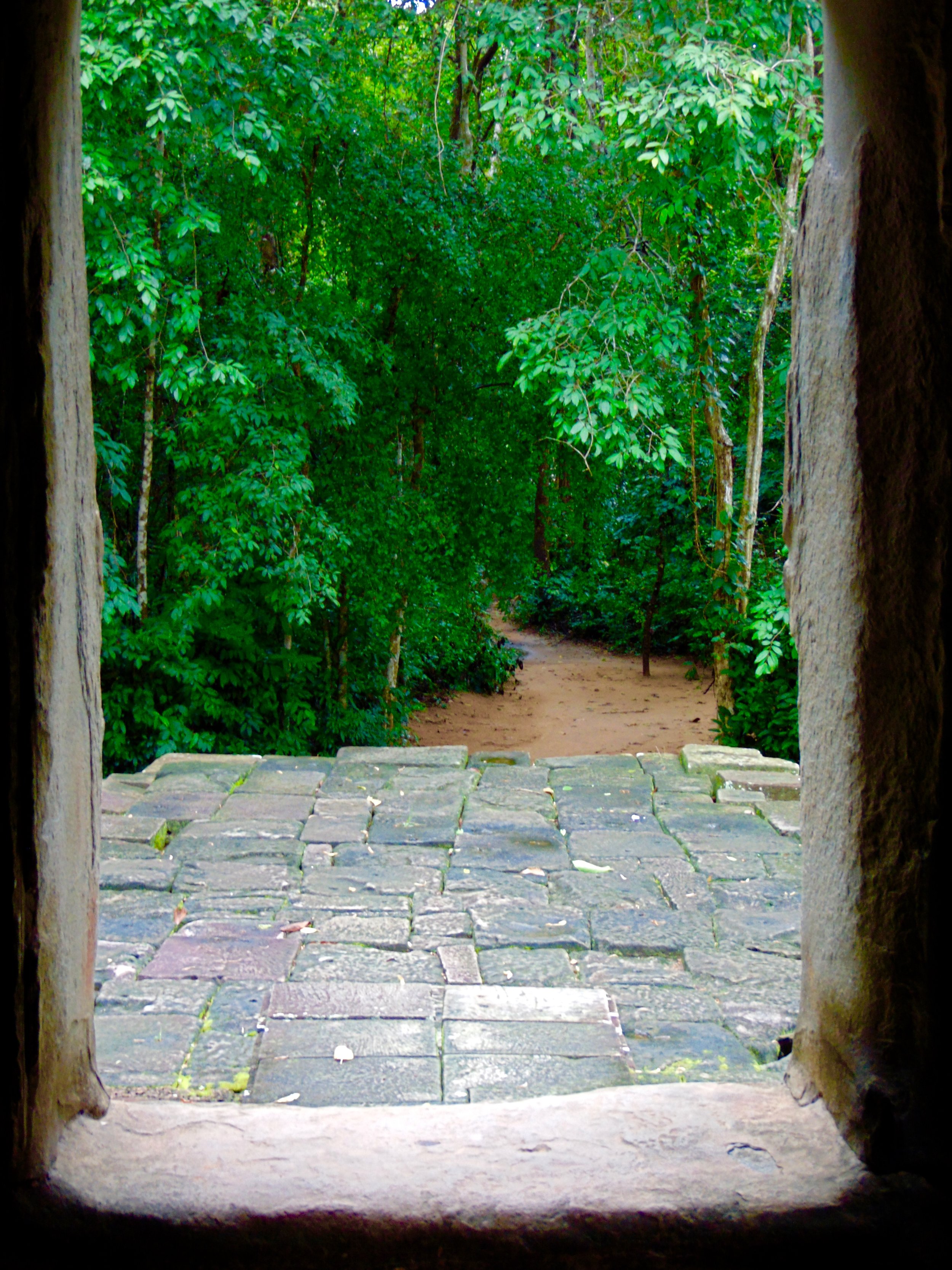
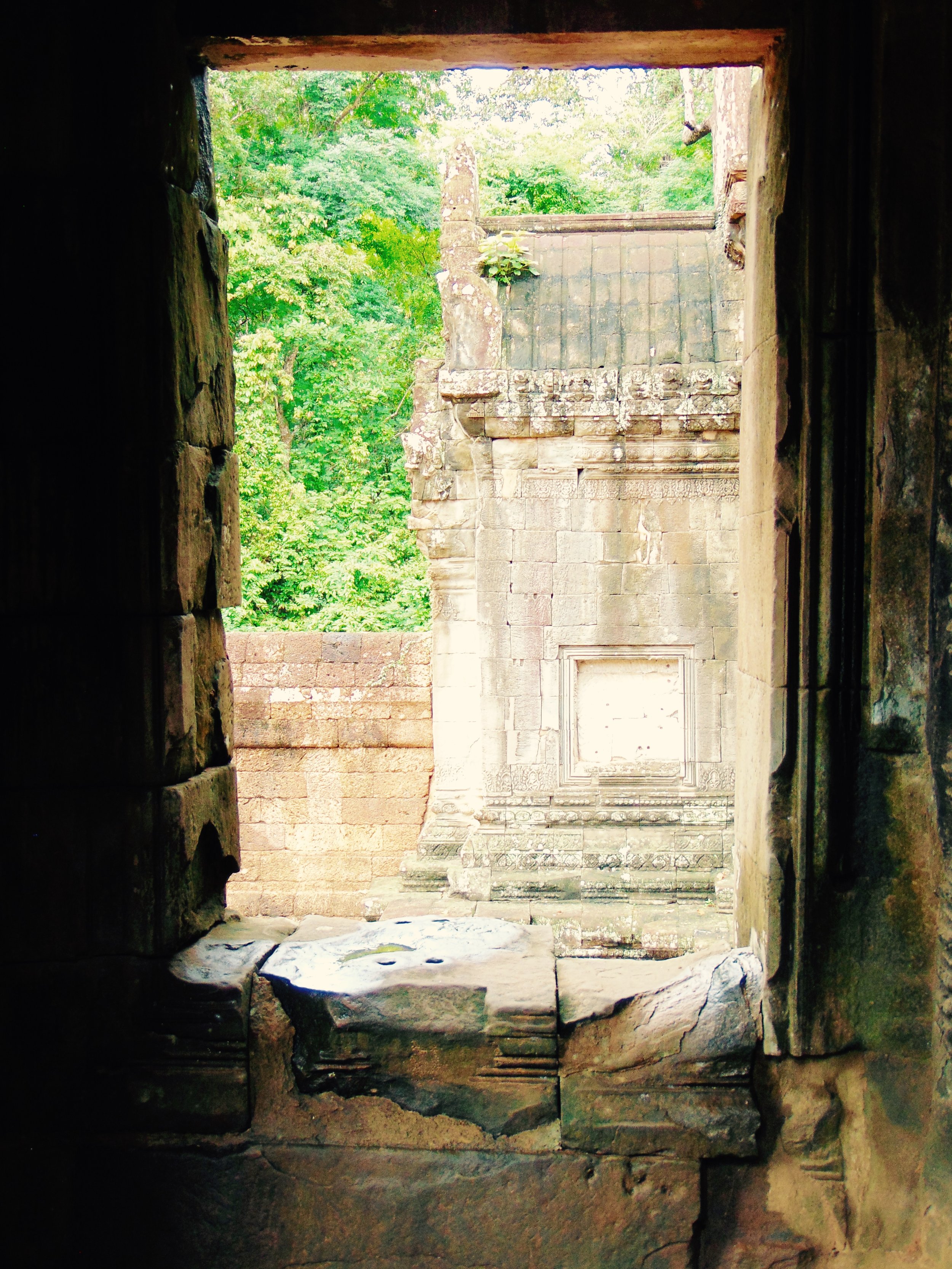
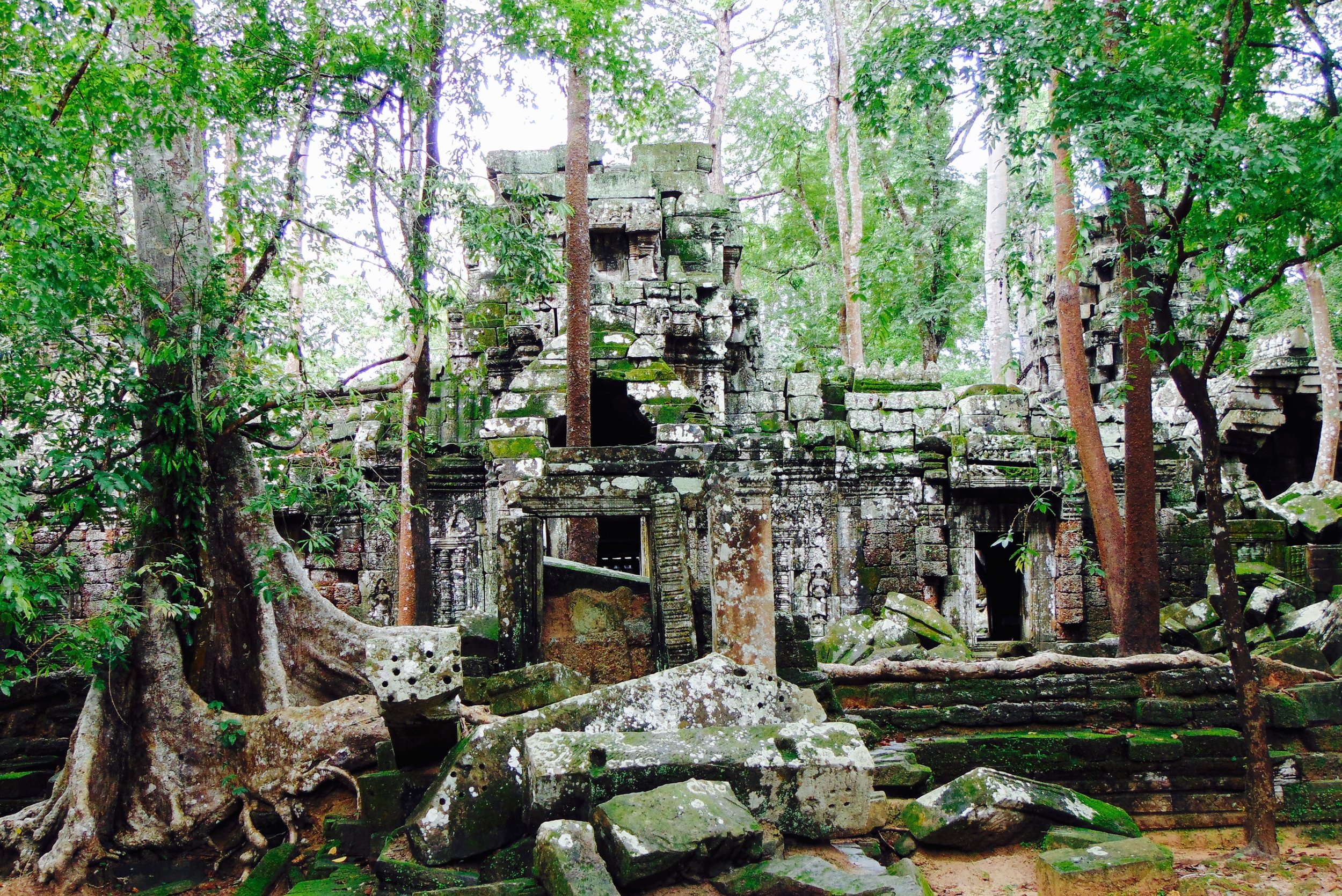
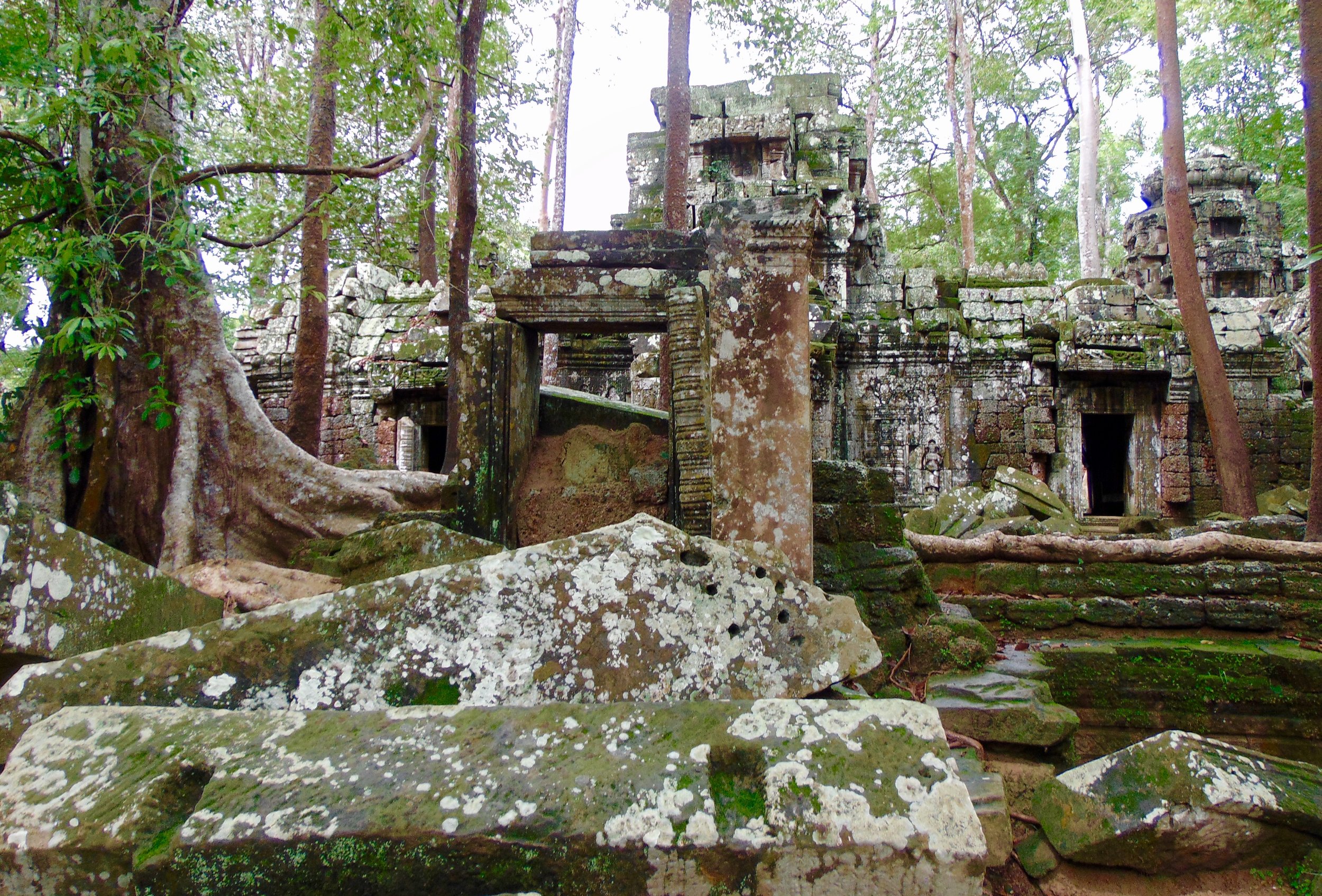
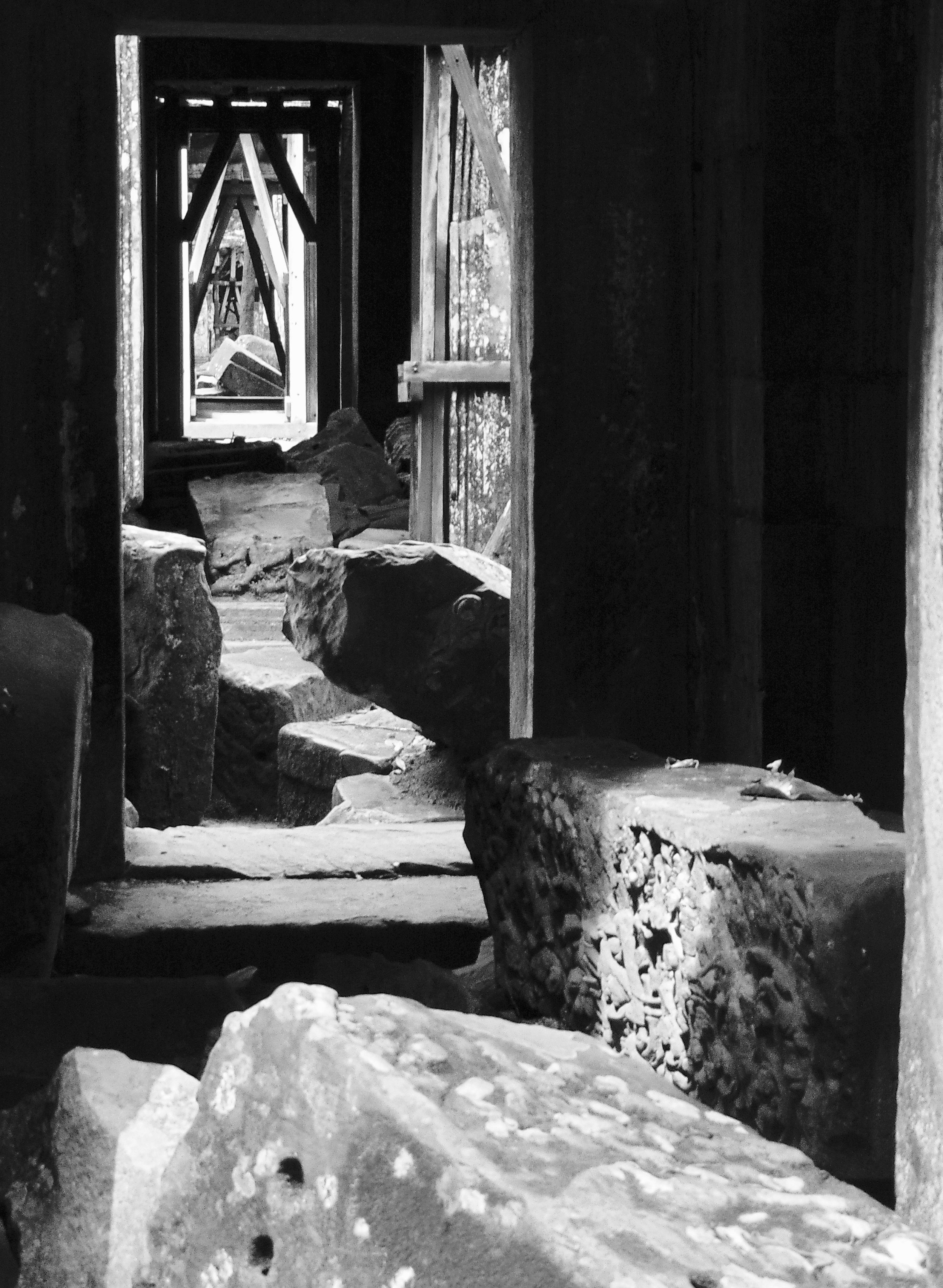
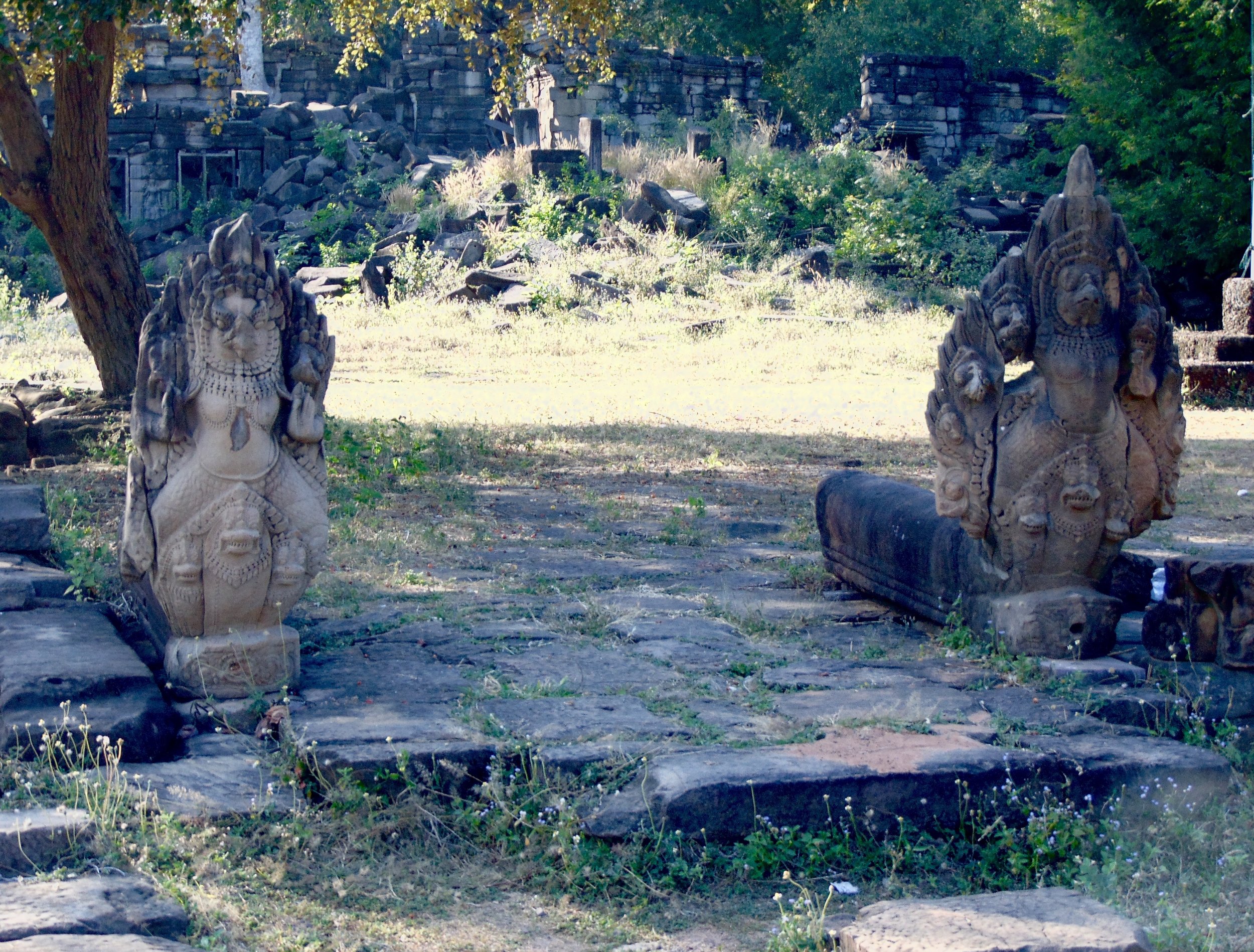
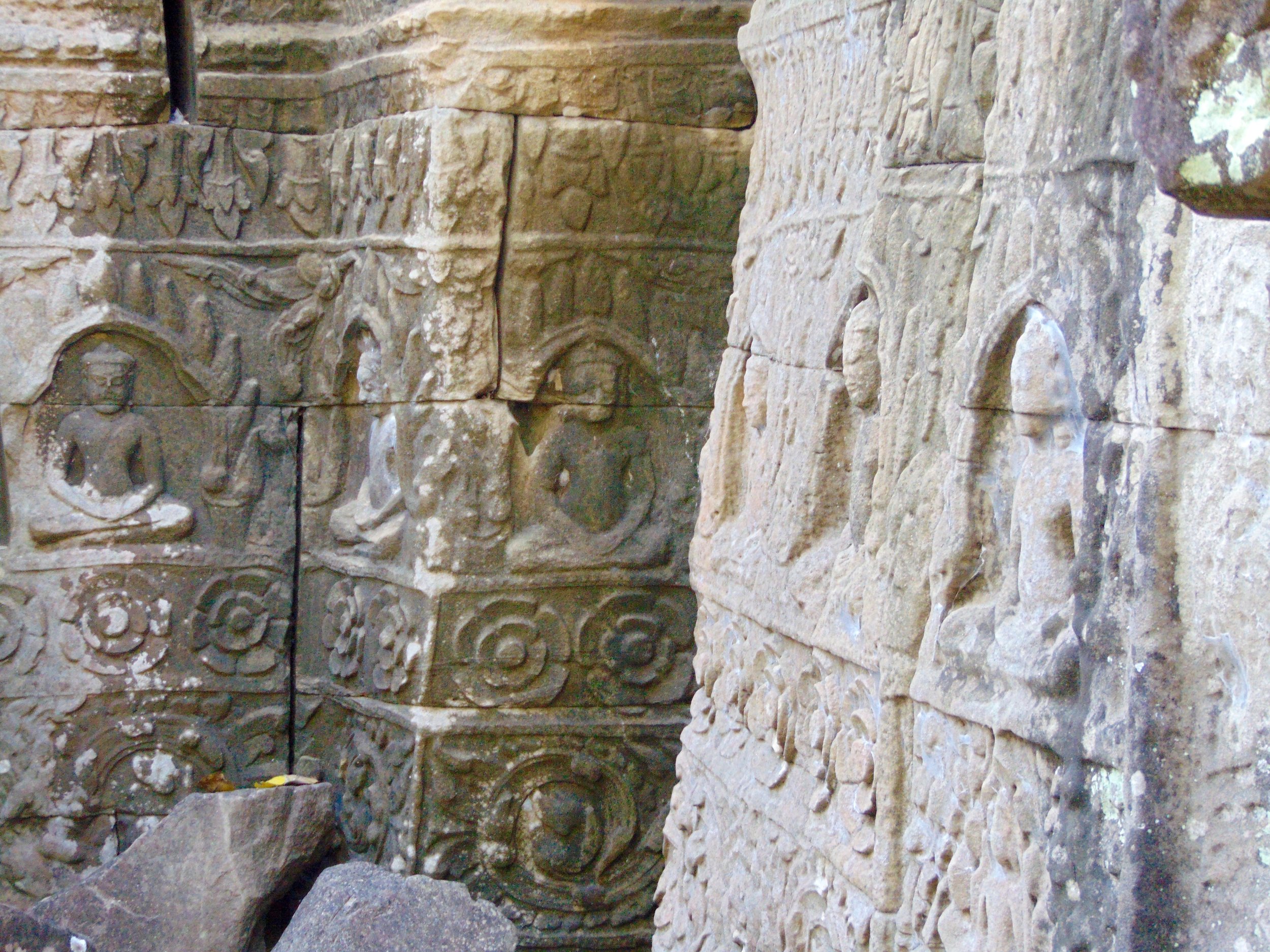
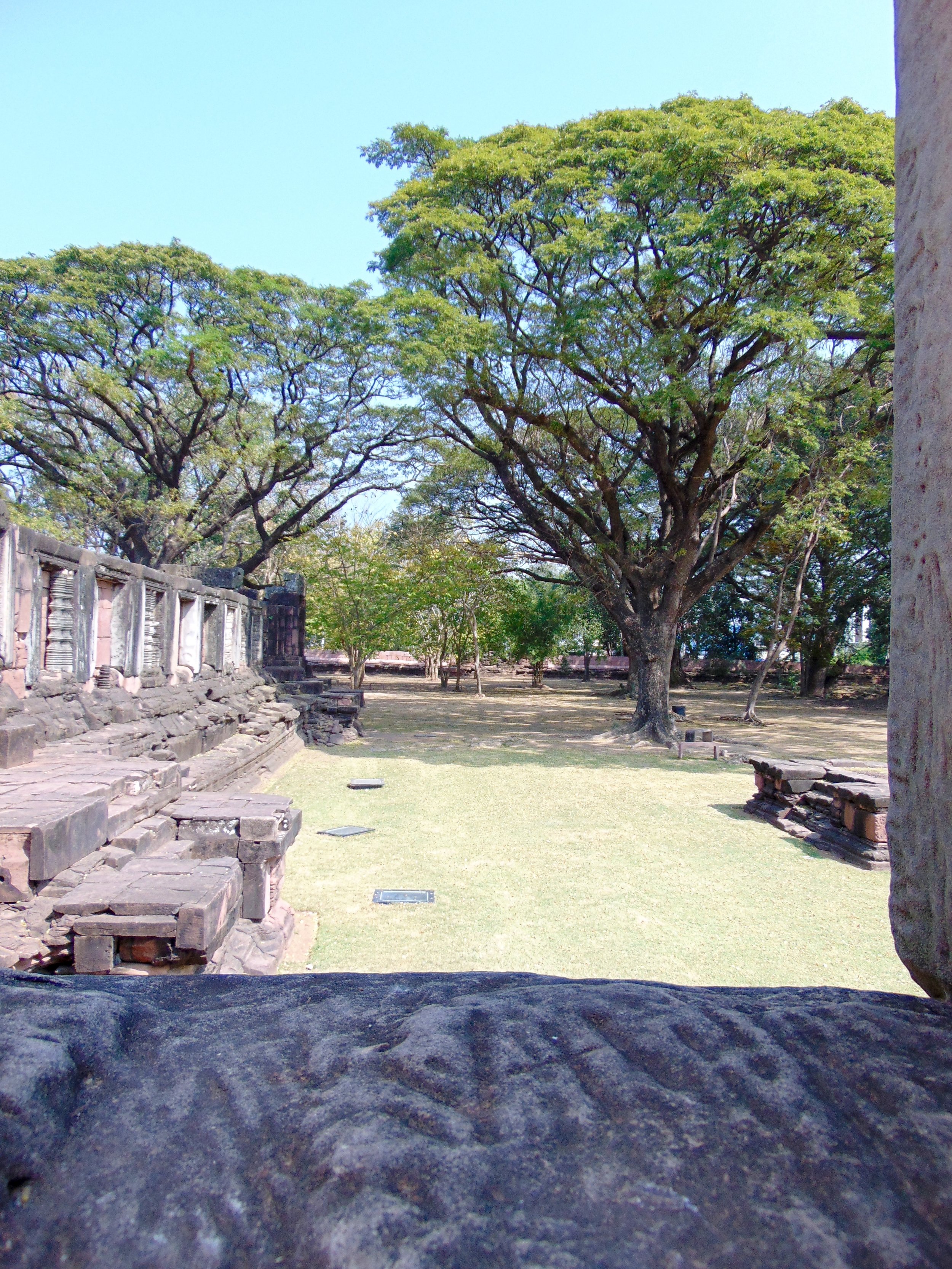
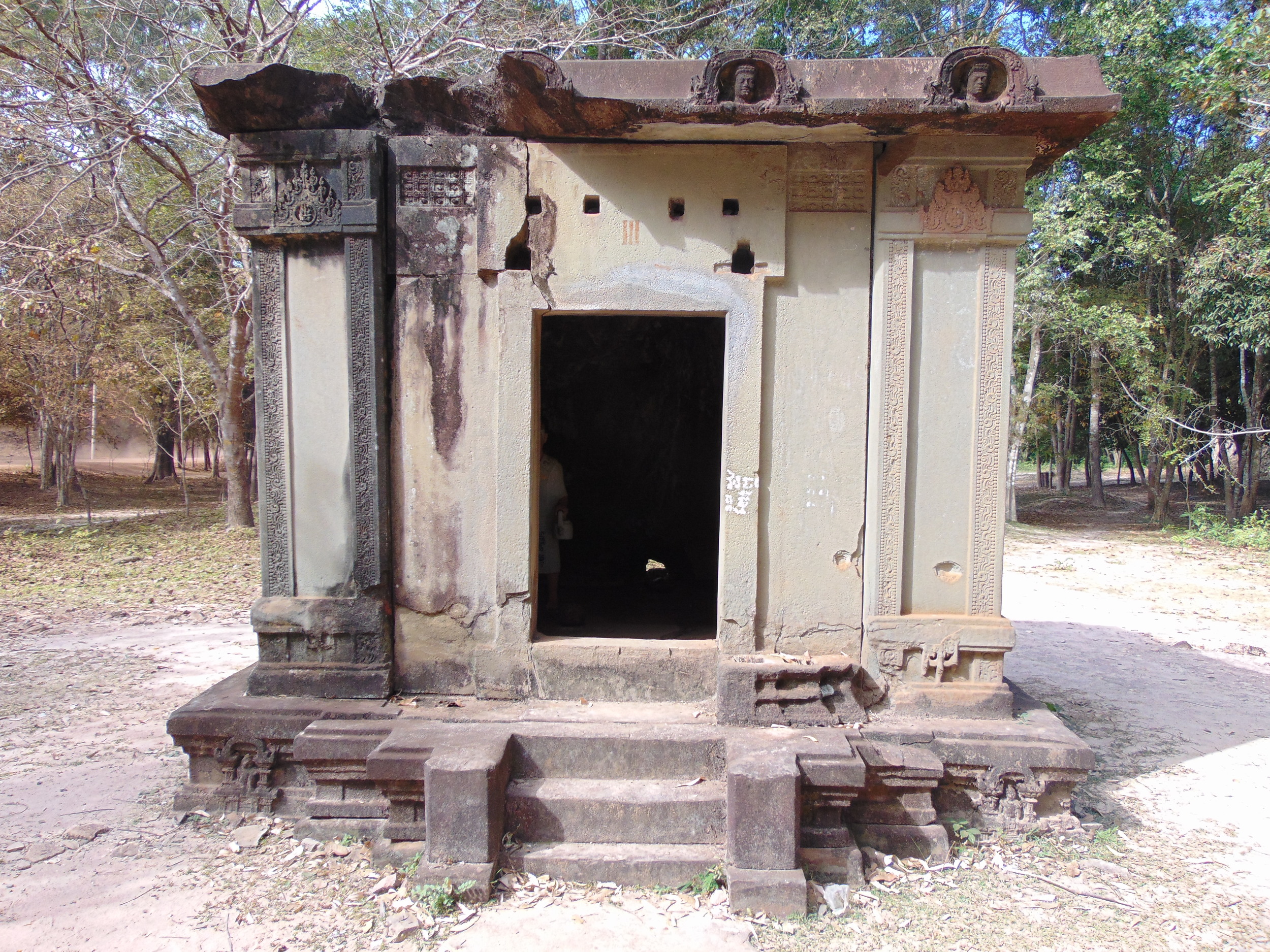
Sambor Prei Kuk, 2014 Image courtesy of SKH

Sambor Prei Kuk, 2014 Image courtesy of SKH

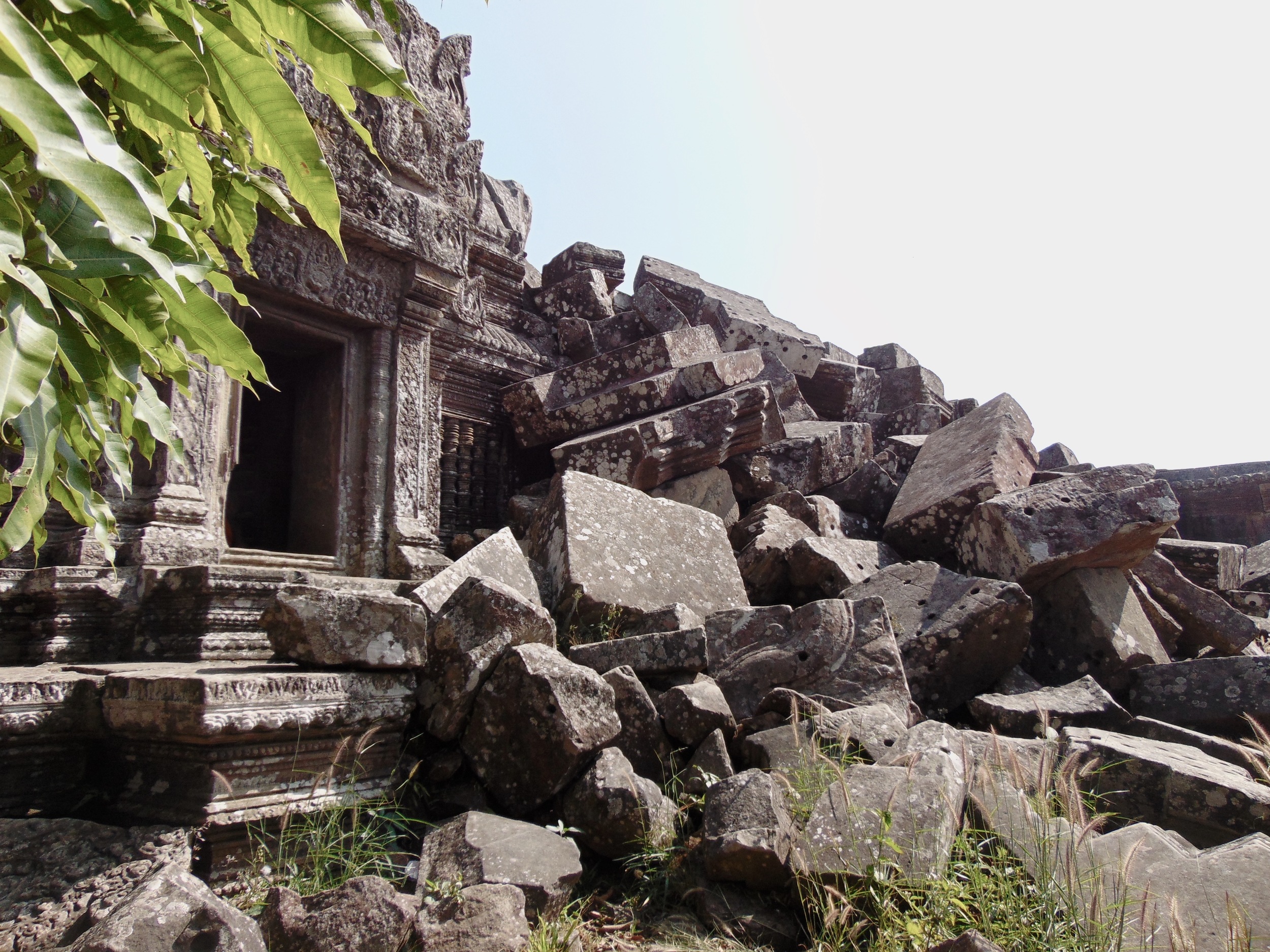
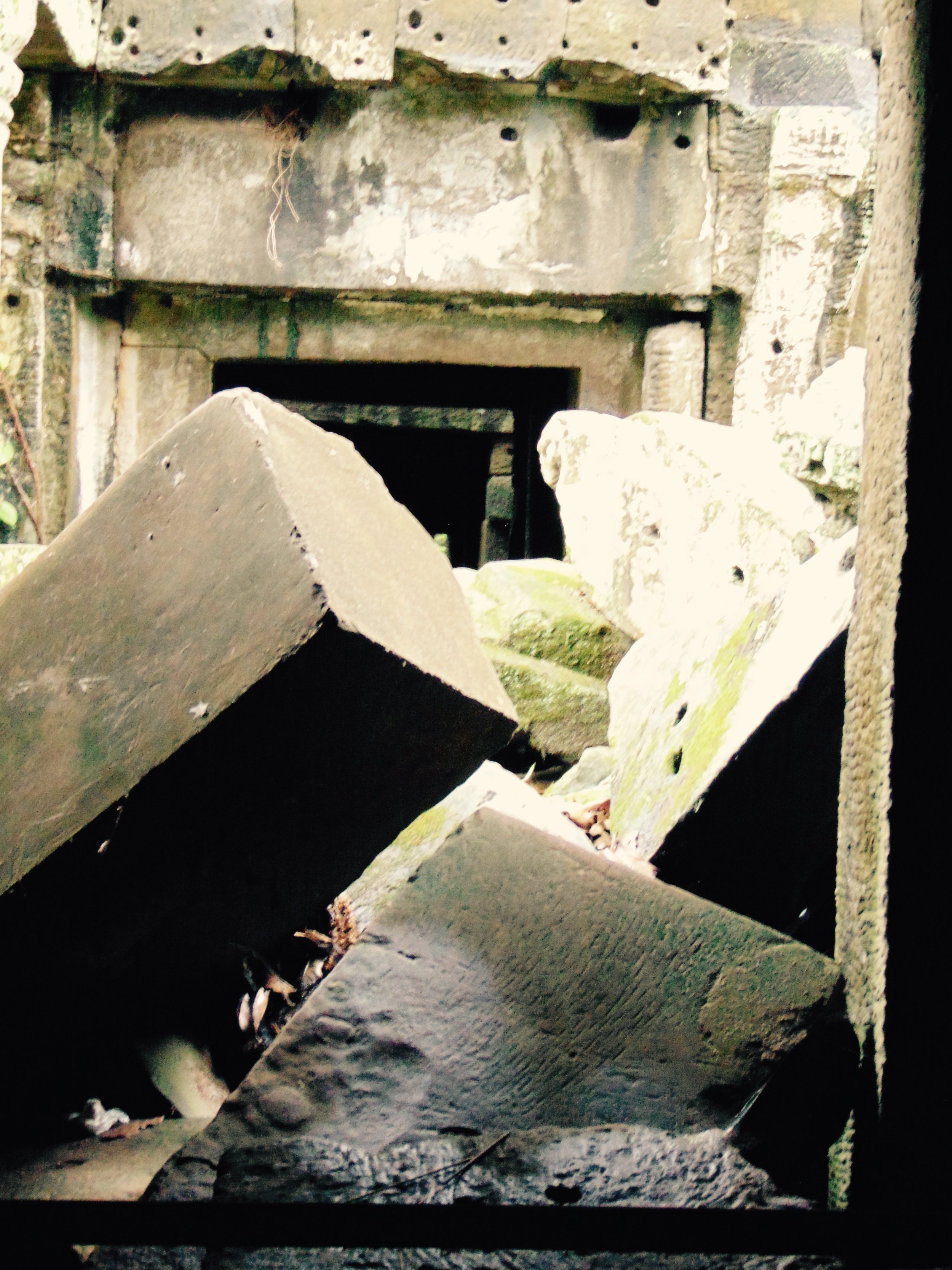
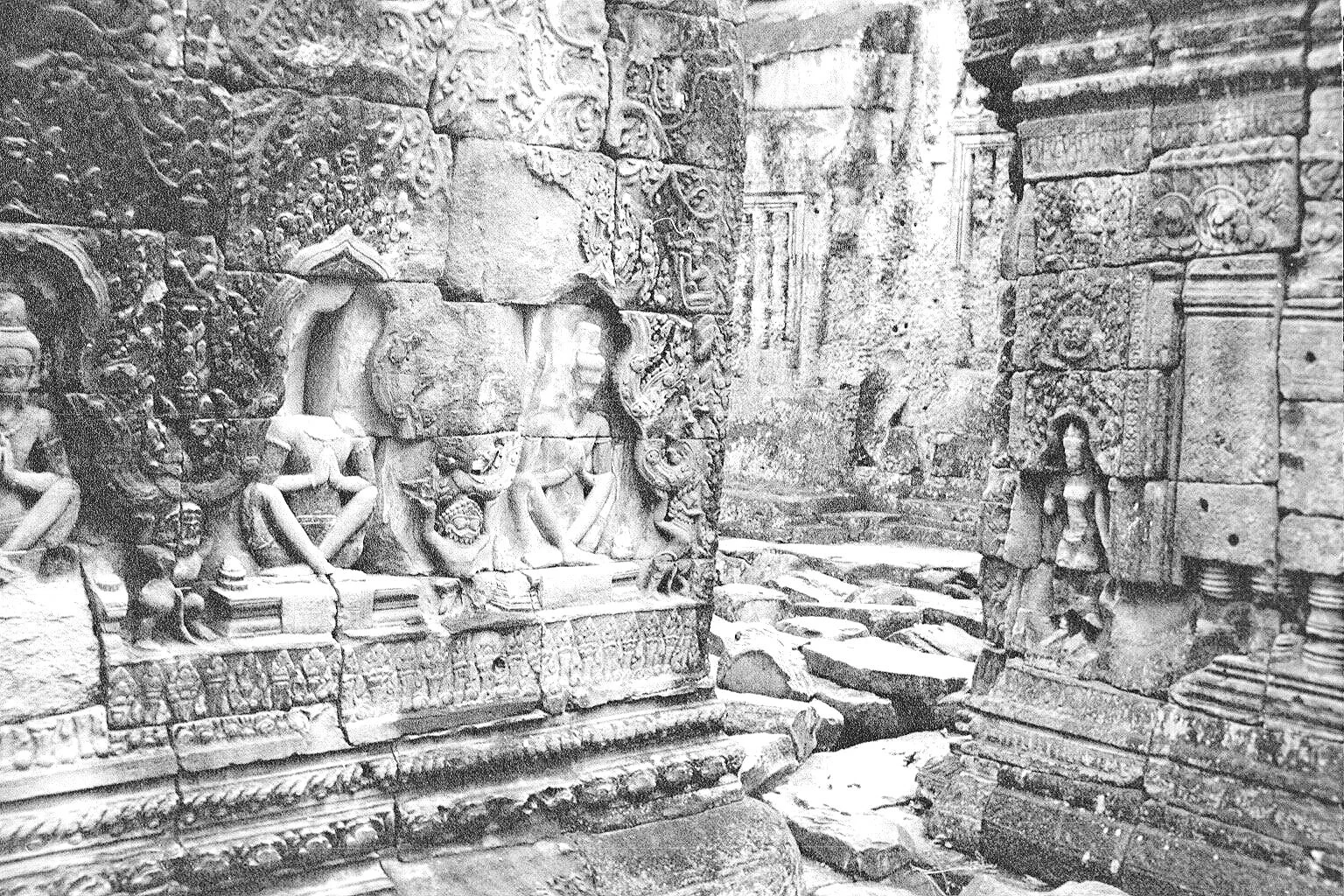
The scars of temple looting, Cambodia, 2001 Image courtesy of SKH

The scars of temple looting, Cambodia, 2001 Image courtesy of SKH

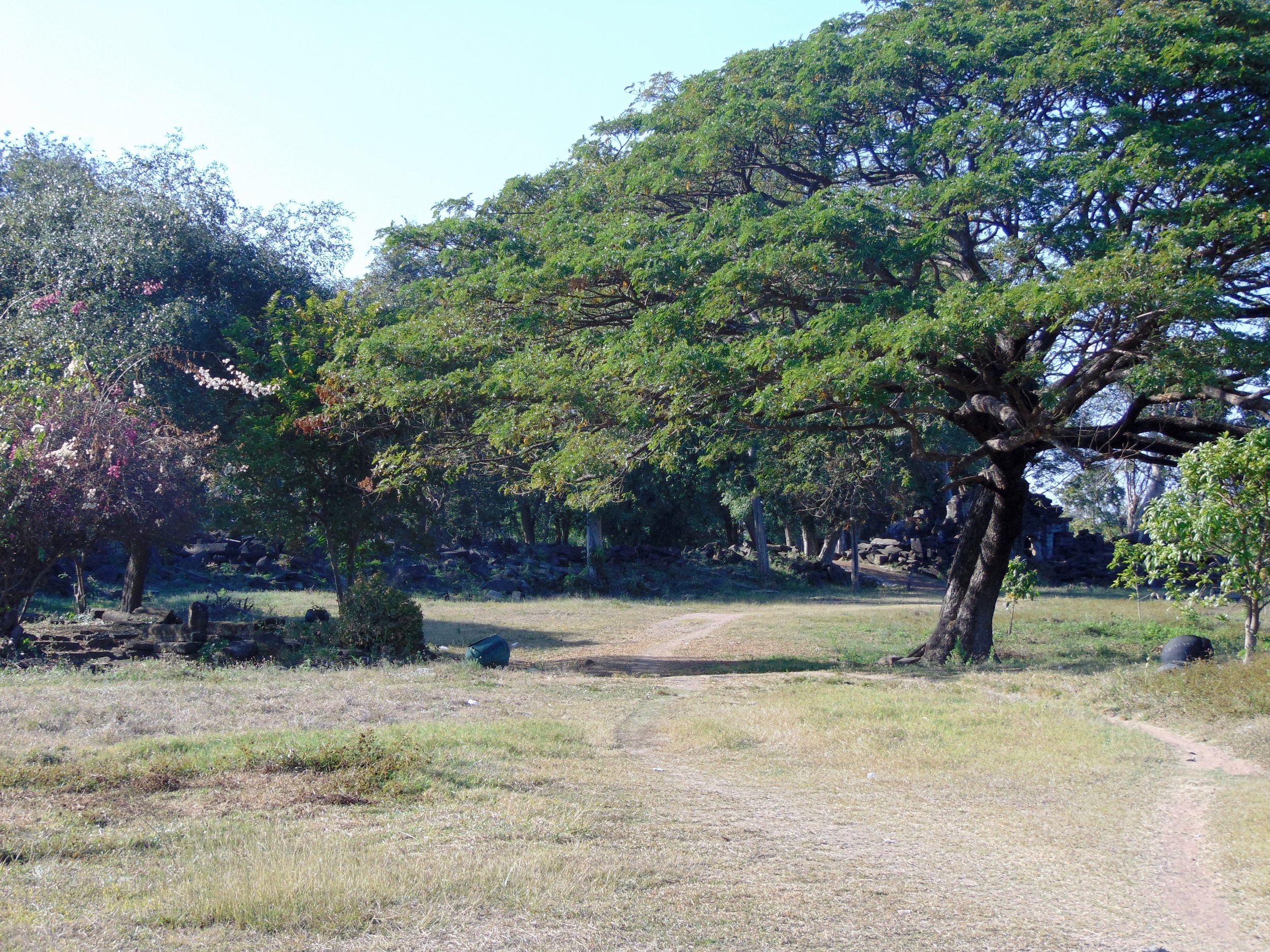
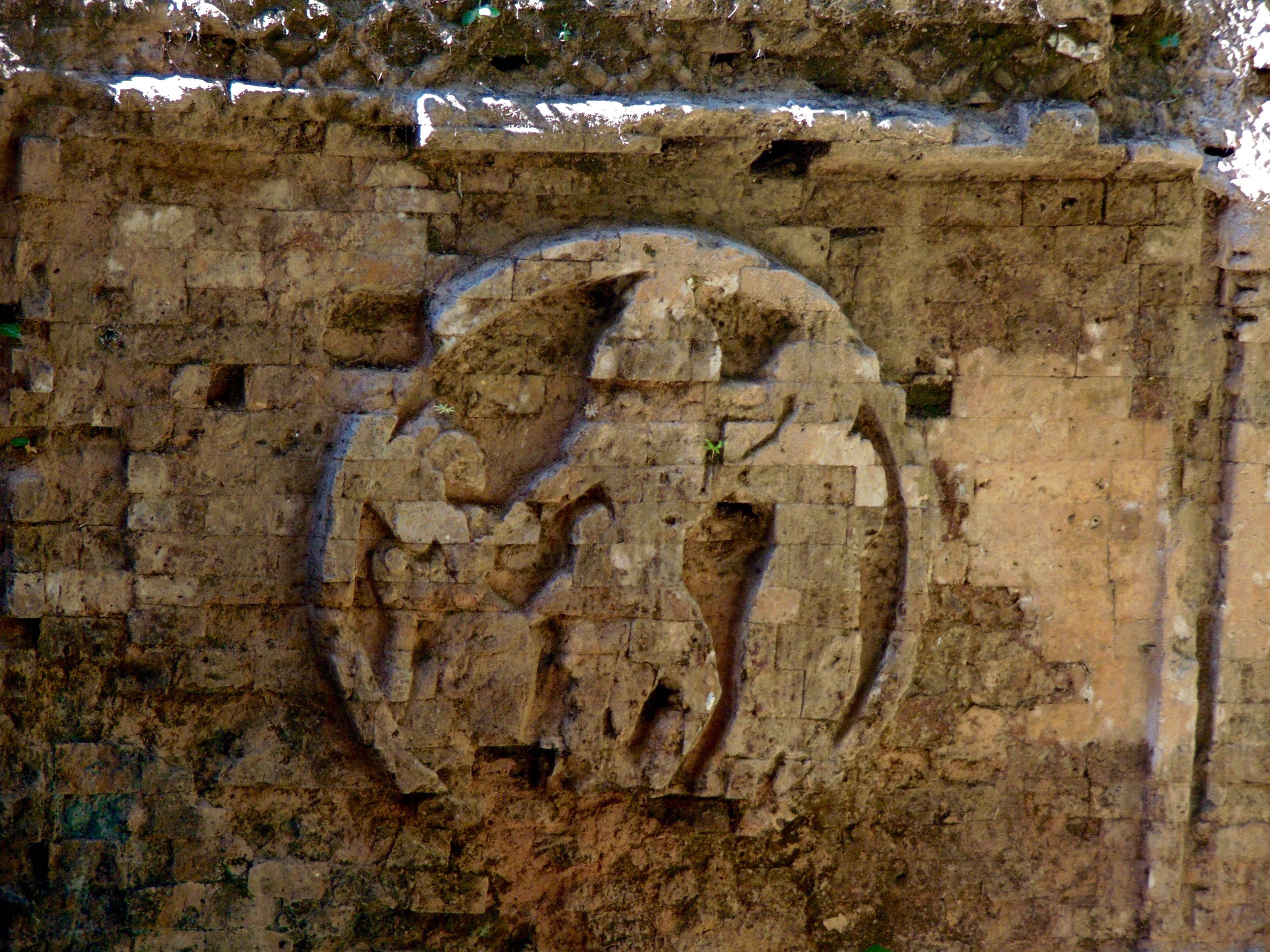
Sambor Prei Kuk, 2014 Image courtesy of SKH

Sambor Prei Kuk, 2014 Image courtesy of SKH

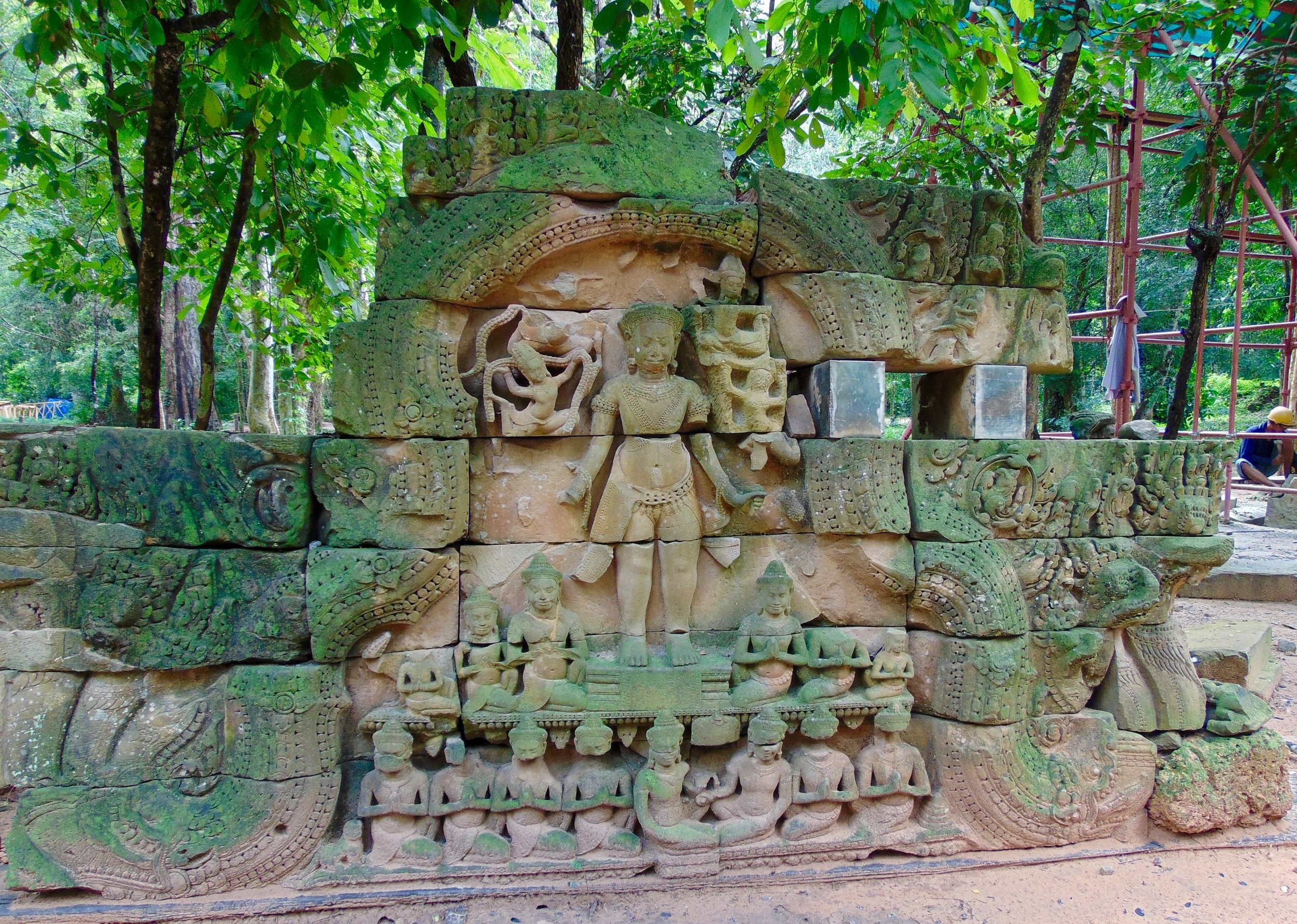
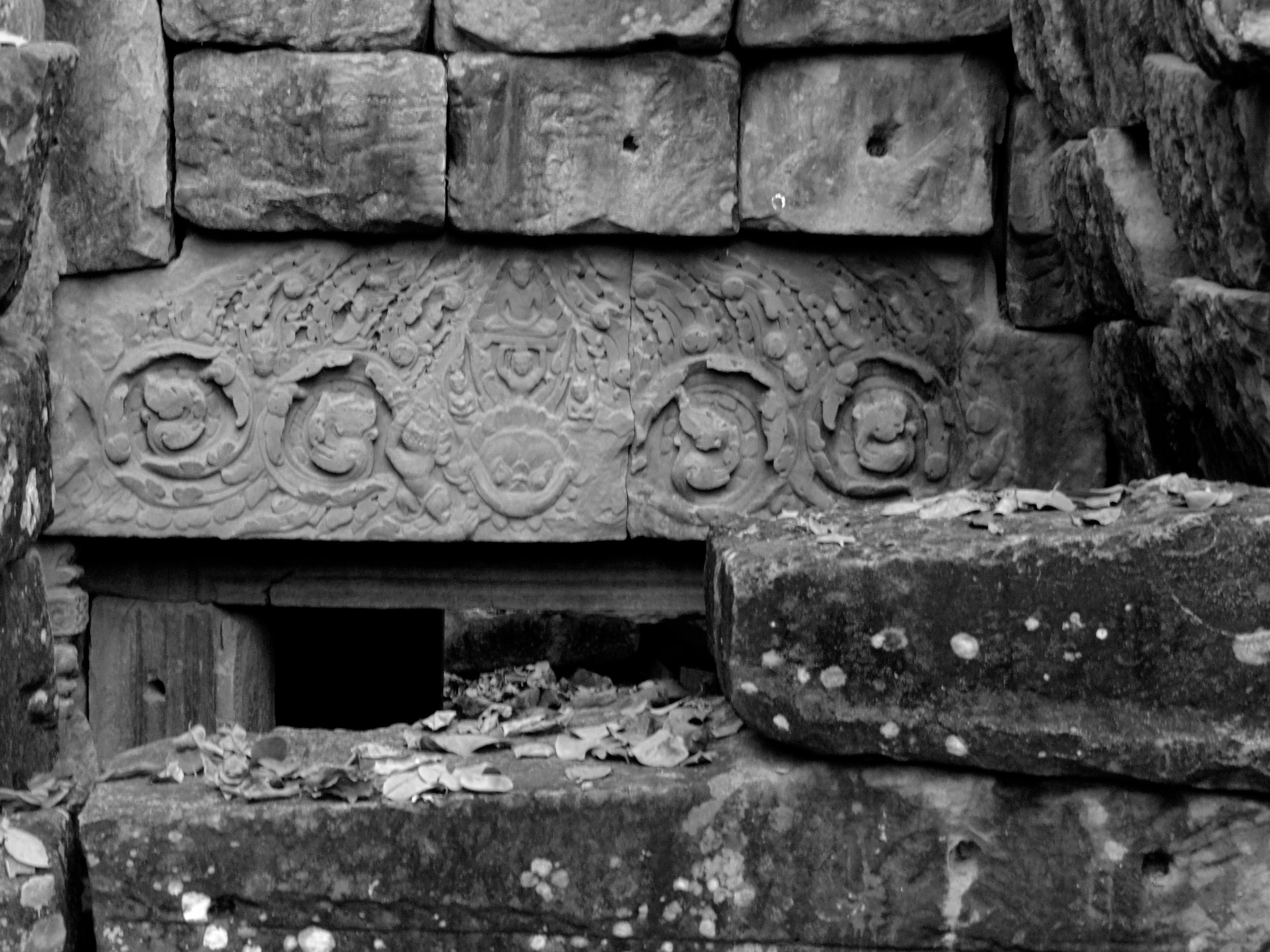
Sambor Prei Kuk, 2014 Image courtesy of SKH

Sambor Prei Kuk, 2014 Image courtesy of SKH

Education is the best friend. An educated person is respected everywhere. Education beats the beauty and the youth.
— Chanakya

CBFAC Projects and Collaborations

CBFAC brings together a series of collaborative projects, research initiatives, and institutional partnerships developed over time.

Graduates from the Royal University of Fine Arts: Where are they now?

Cambodian Scholars and Collaborators

          Kosal Mey

Liaison Officer for UNESCO Office in Siem Reap,Cambodia

          Vicheth Sen 

PhD Candidate, (Education) UBC Canada. He is from Kampong Speu Province, Cambodia.

Vicheth Sen CV

Tep SokhaExpert in Ceramic Conservation. Ministry of Culture and Fine Arts, Phnom Penh, Cambodia. TEP SOKHA CV

Tep Sokha

Expert in Ceramic Conservation. Ministry of Culture and Fine Arts, Phnom Penh, Cambodia. 

TEP SOKHA CV

Sovichea Vann, Educator from Takeo Province. MA in Comparative Education Sovichea Vann CV

Sovichea Vann, Educator from Takeo Province. MA in Comparative Education Sovichea Vann CV

List of equipment and materials for Installation of Metal and Ceramic Restoration Lab: RUFA

                                                                                                                                            DESCRIPTION  


Sandblaster machine 2 machines

Cupboard for sandblaster machines 2 cupboards

Vacuum Machine for sandblaster and Abrasive machine 6 machines

Abrasive machine NSK ultimate XL 2 machines

Demineralized water tube (cleaning of objects) 2 tubes

Conductivity meter for salt testing (water used for cleaning) 1 meter

Professional photo camera and accessories (report and documentation) 1 camera

Laptop for database and report (set) 1 laptop

Sand for sandblaster machine (Bags) 10 bags

Zetaplaste (protect organic and fragile remains on objects) 3 boxes

Micro glass balloon (thickening glue and mattify colour)(kg) 3

Talcum Powder ( thickening glue, mattify colour Isolate mold) (kg) 5

Glass fibre (strengthens breakage and mold) (kg) 1

Silicone rubber (making molds of the object) (Boxes) 5 boxes

Rotation wheel (restoration of metal objects and ceramics) 6 wheels

Silica gel (absorb humidity in storing boxes) (kg) 10

Adhesive Paraloid B72, B48(5kg+5kg) (Stabilize and fix breakage) (kg) 10

Araldite B20:20 (stabilize and fix breakage) (Box-set) 3 sets

Epoxy Adhesive(porcelain assembling) (Box) 3 boxes

Miliput(porcelain restoration) (tubes) 3 tubes

Cosmoloid wax H60 (coating, protecting restored objects) 1 box

Acrylic colour (colour on gap filling-plaster) 1 set

Oil colour (colour on gap-filling-resin) 1 set

Painting Brushes (small-big sizes) 5 sets

Cleaning brushes (Princeton brand with plastic handle) 20 brushes

Spatula (small-big sizes) 10

Hairdryer (warming and softening glue) 2

polishing tool for plaster 5

Scalpel handles 20

Scalpel Blades 5 boxes

Masks 10 boxes

Sterile gloves 10 boxes

Dried powder pigment 8

VXB Bearing Electronic LCD Digital Vernier (measurement of ceramic thickness) 5

Grid-book for ceramic drawing (size A3) 10 books

Pencils 5 boxes

Barska Binocular Zoom Stereo Microscope (Magnification: 7x-45x) 1

Mini Pocket Microscope 60x-100x 5

Long foot-bendable table 5 tables

Filling cupboard 4 cupboards

Desk Magnifier 5

Desk Lamps 5 lamps

Electricity outlet connector 5

Glass hanging cupboards 4

Exhaust box system (preferably locally made to protect from dust and chemical toxins) 1


Supply list for the Ministry of Culture and Fine Art’s Conservation Materials and Equipment for Artifact Storage (courtesy of Tep Sokha)

DESCRIPTION                                                                                      

Epoxy for Ceramics Reconstruction 10 sets

Adhesive Acryloid B72 2x 5kg

Cabinets for Ceramics Storage ($190 USD x 6= $1,140 USD for purchase in Cambodia) 6 cabinets

Plastic Boxes for Ceramics (60 mL) 100 boxes

Plastic Boxes for Ceramics (90 mL) 100 boxes

Acetone (10L bottle - 100% pure) 12 bottles

Ethanol (30L bottle) 4 bottles

Thick foam for shelving purposes (protects artifacts on the surface) 50 meters= $375 USD. 50 meters

Face Masks for Dust and Mold Protection 12 boxes

Hand Gloves for protection against chemicals 12 boxes

Hand Machine for element analysis (clay, metal, and stone) 1 machine