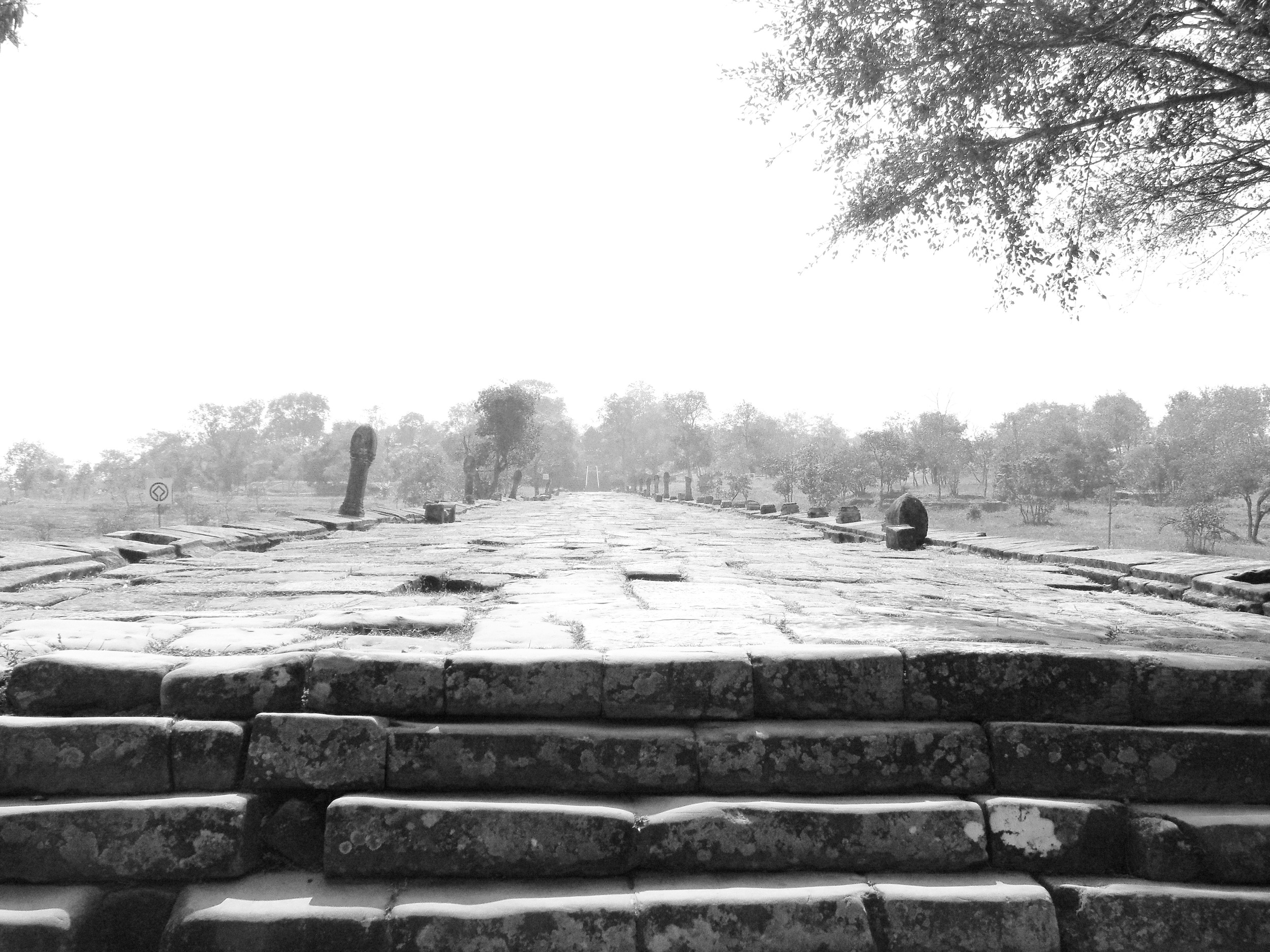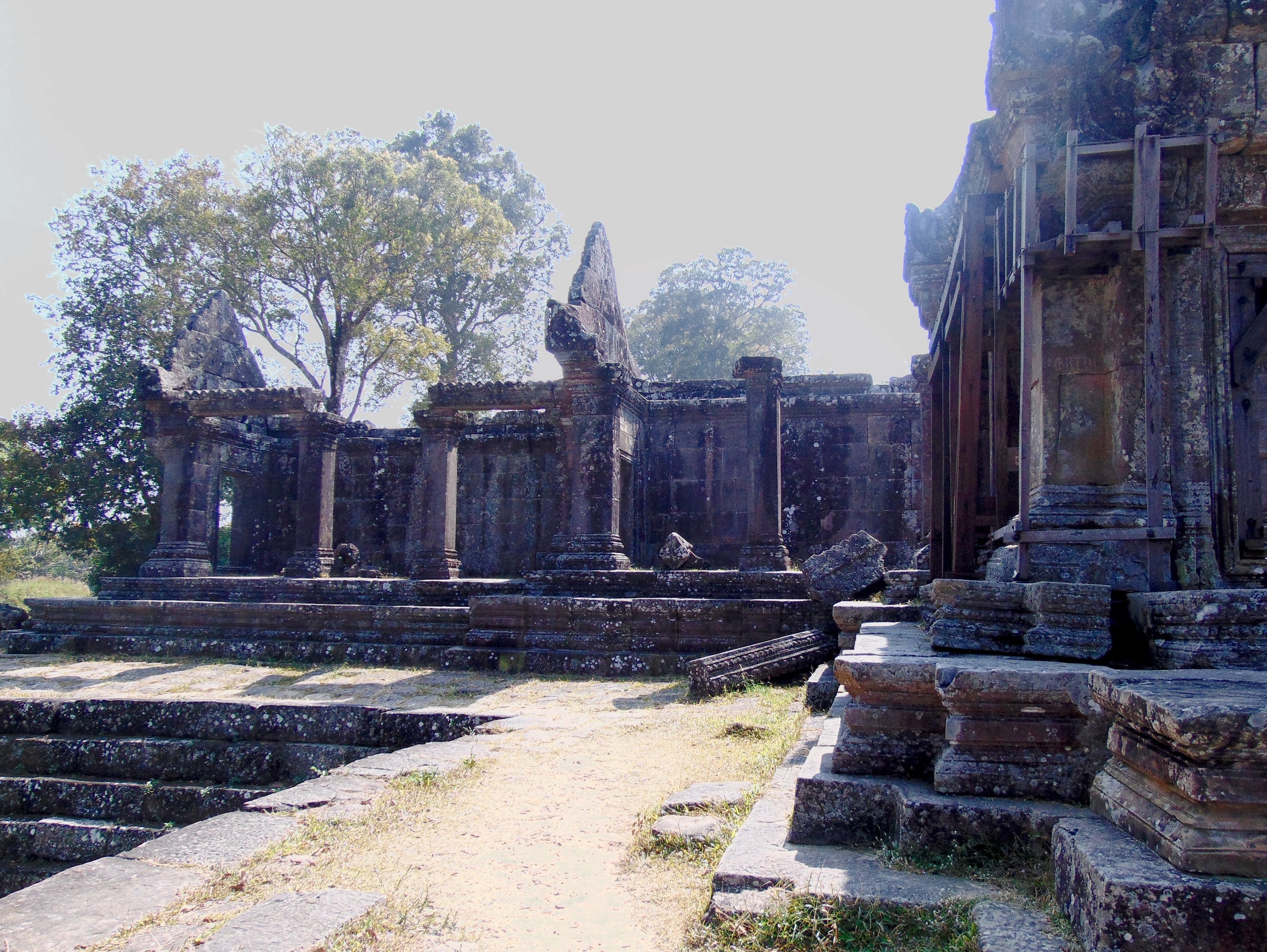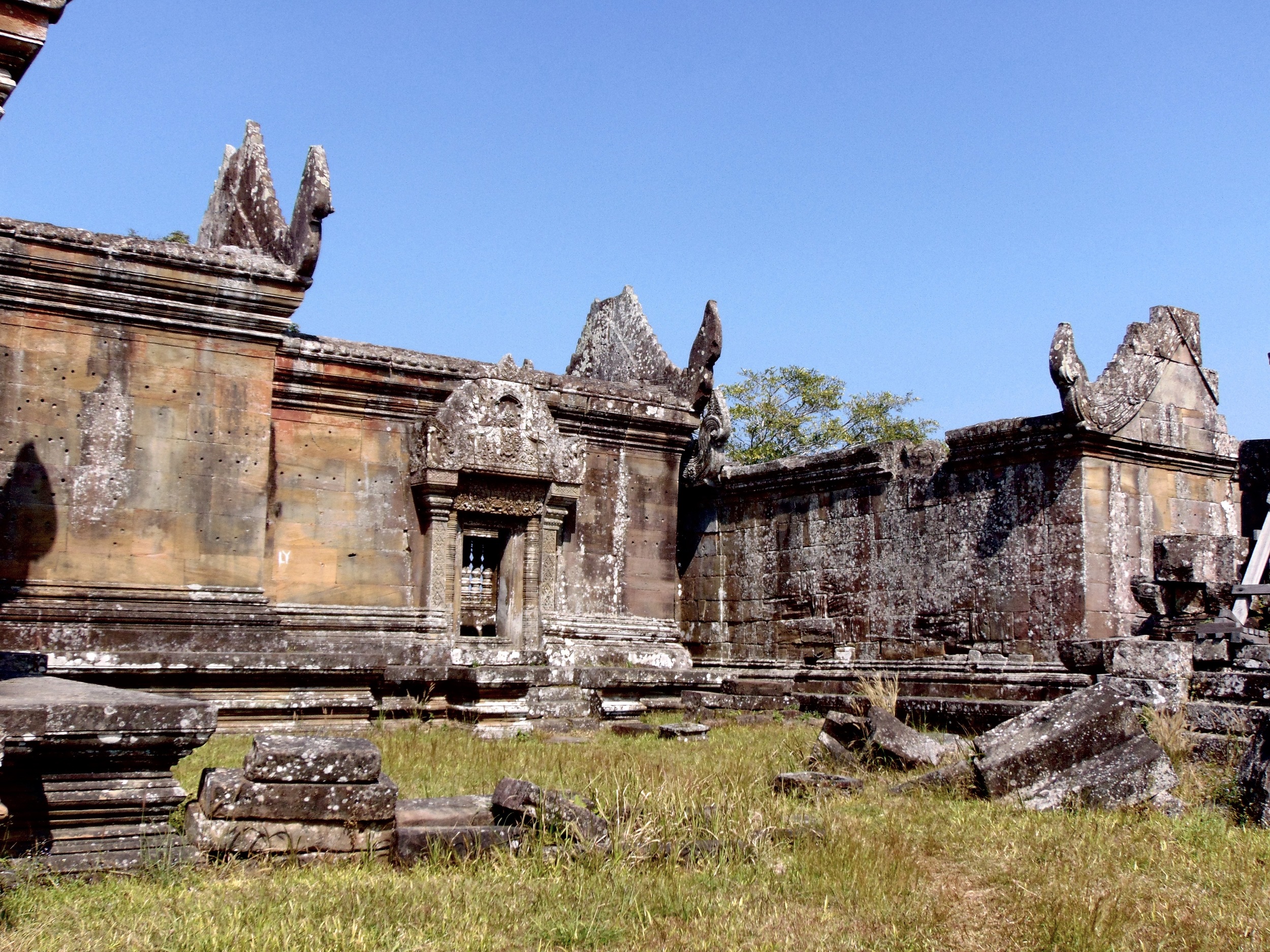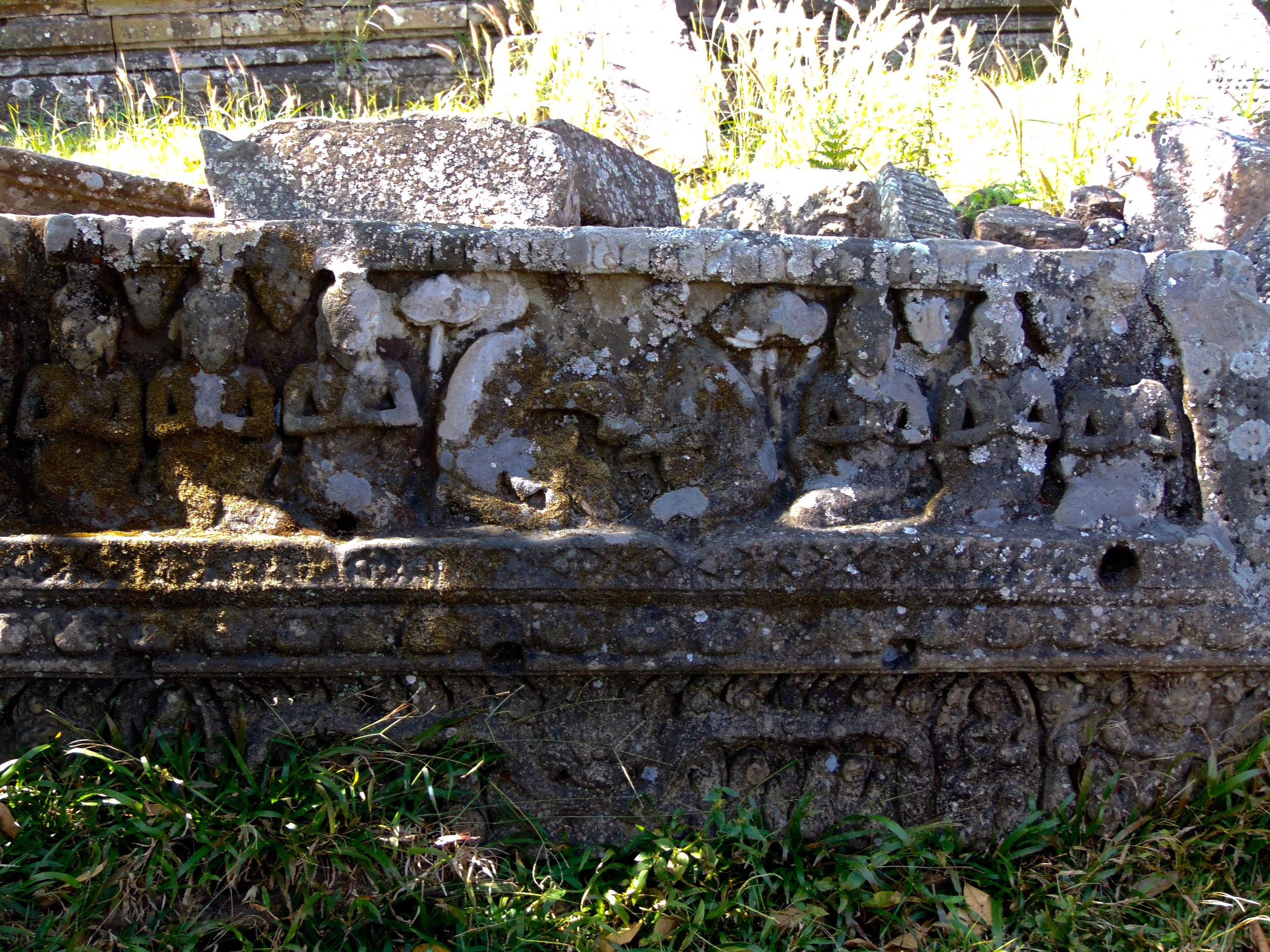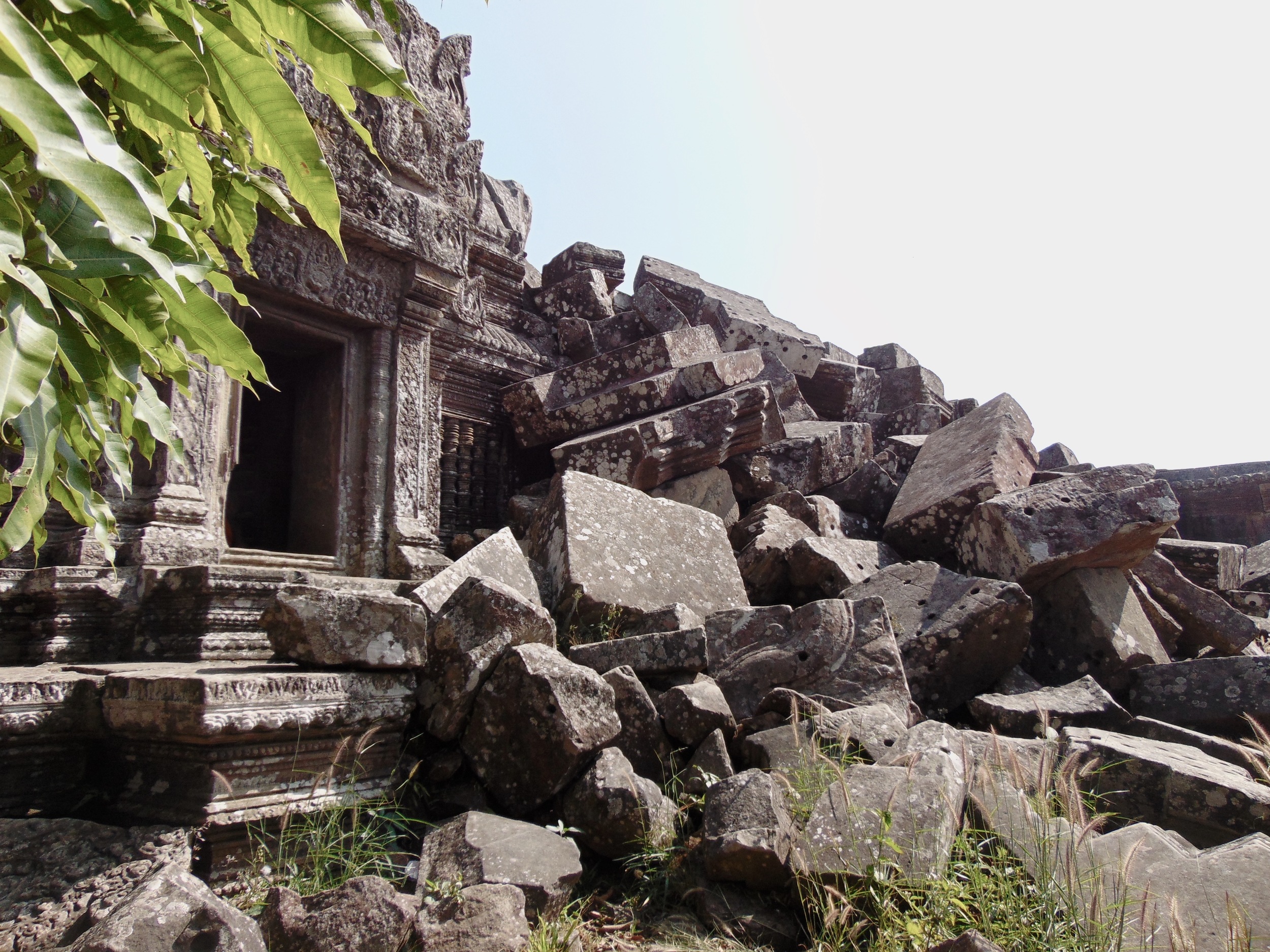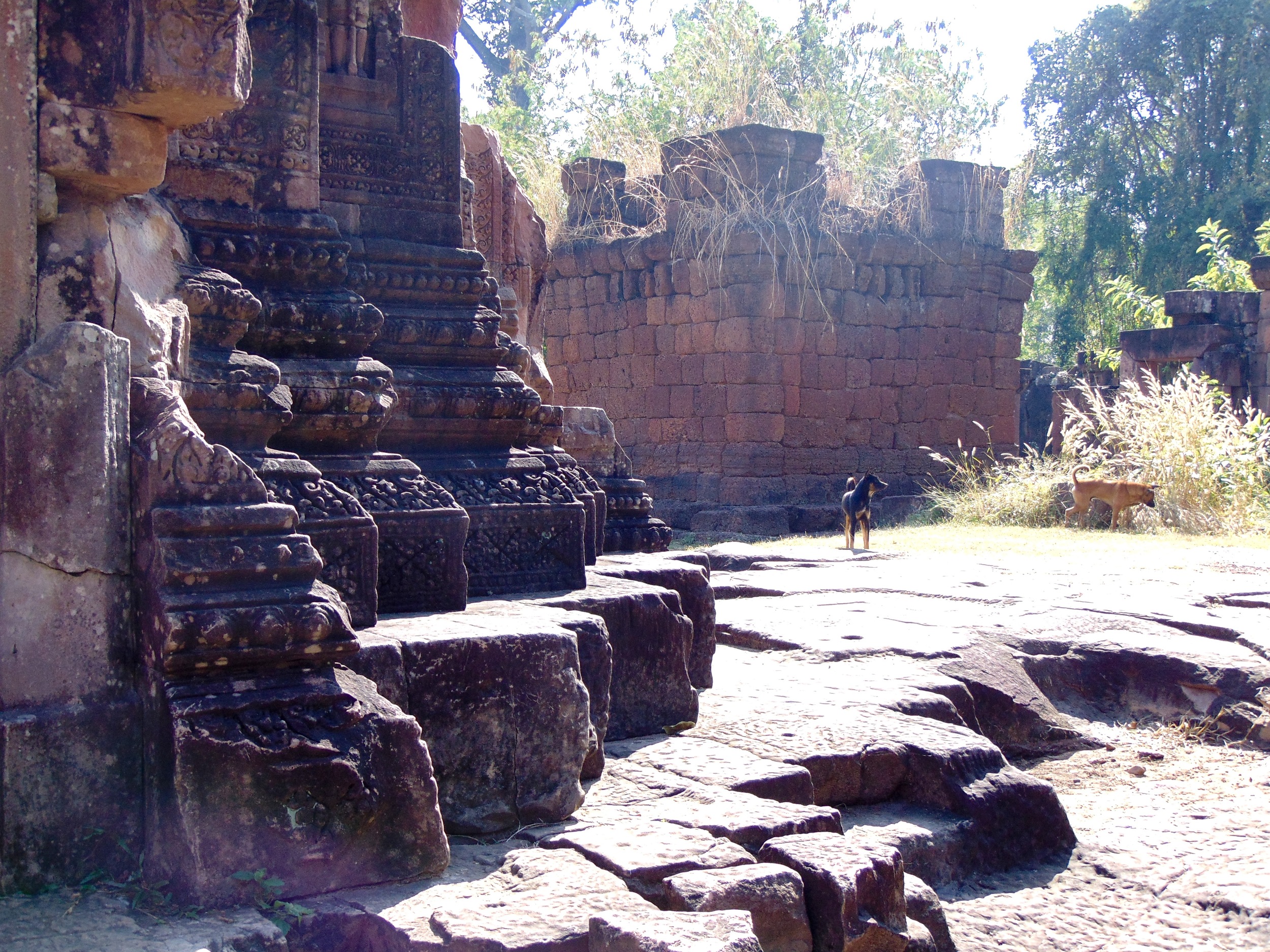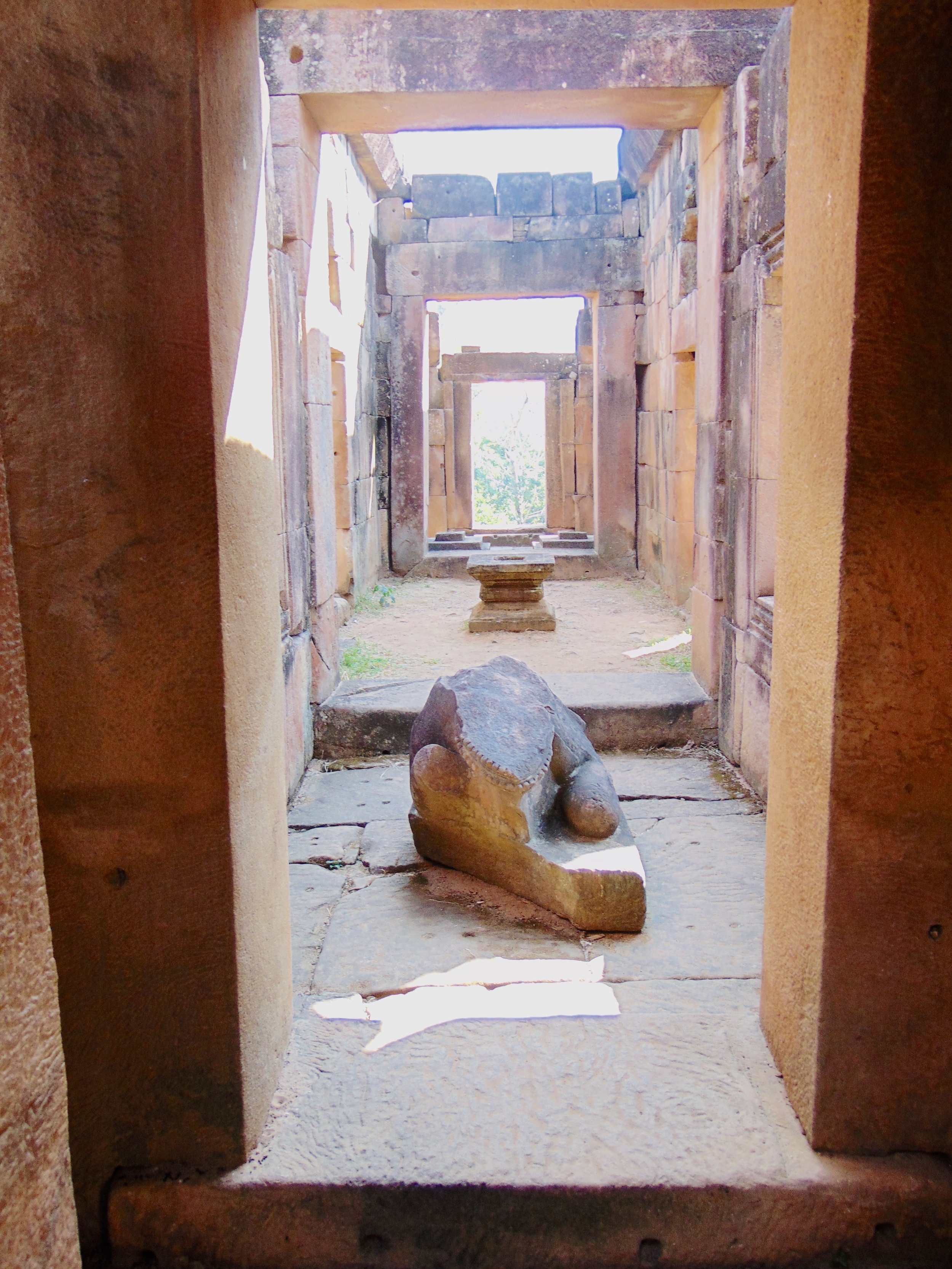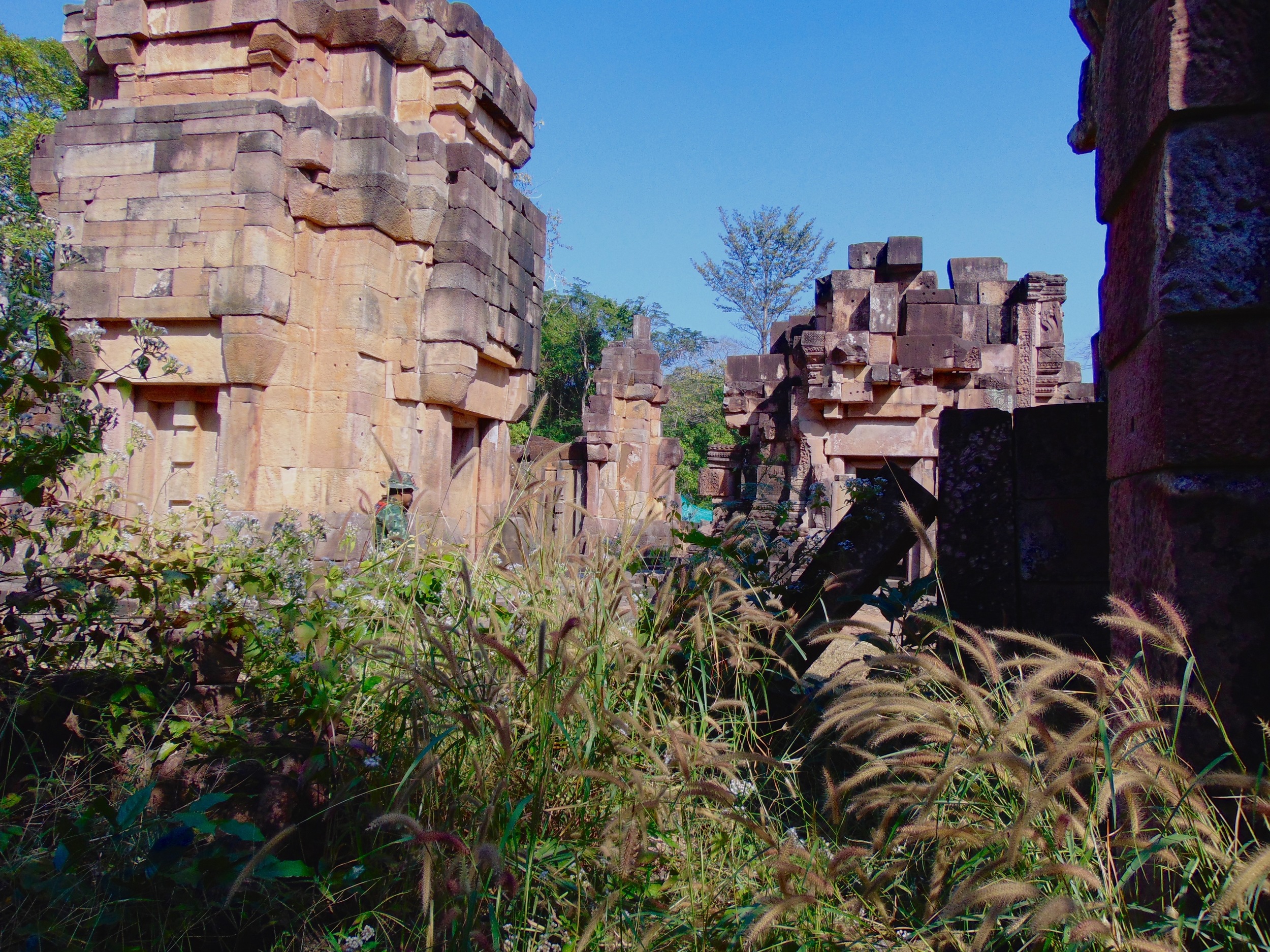
Following her Master’s degree in Asia Pacific Policy Studies at the Institute of Asian Research at University of British Columbia, Sarah undertook an internship with UNESCO Bangkok in 2011. In 2012, she began doctoral studies at Université de Montréal, where she first engaged closely with the complexities of UNESCO World Heritage inscription processes, including the case of Preah Vihear, and the challenges of access to heritage for local communities.
She later continued her doctoral training at Australian National University, shifting her approach toward archaeology, before moving to Leiden University in 2015 to complete her research in collaboration with regional specialists.
Over the past decade, this work has developed into a doctoral study examining the history and effectiveness of international agencies in the protection, conservation, and presentation of Cambodian heritage sites. She is currently preparing to defend this work in the spring of 2026.

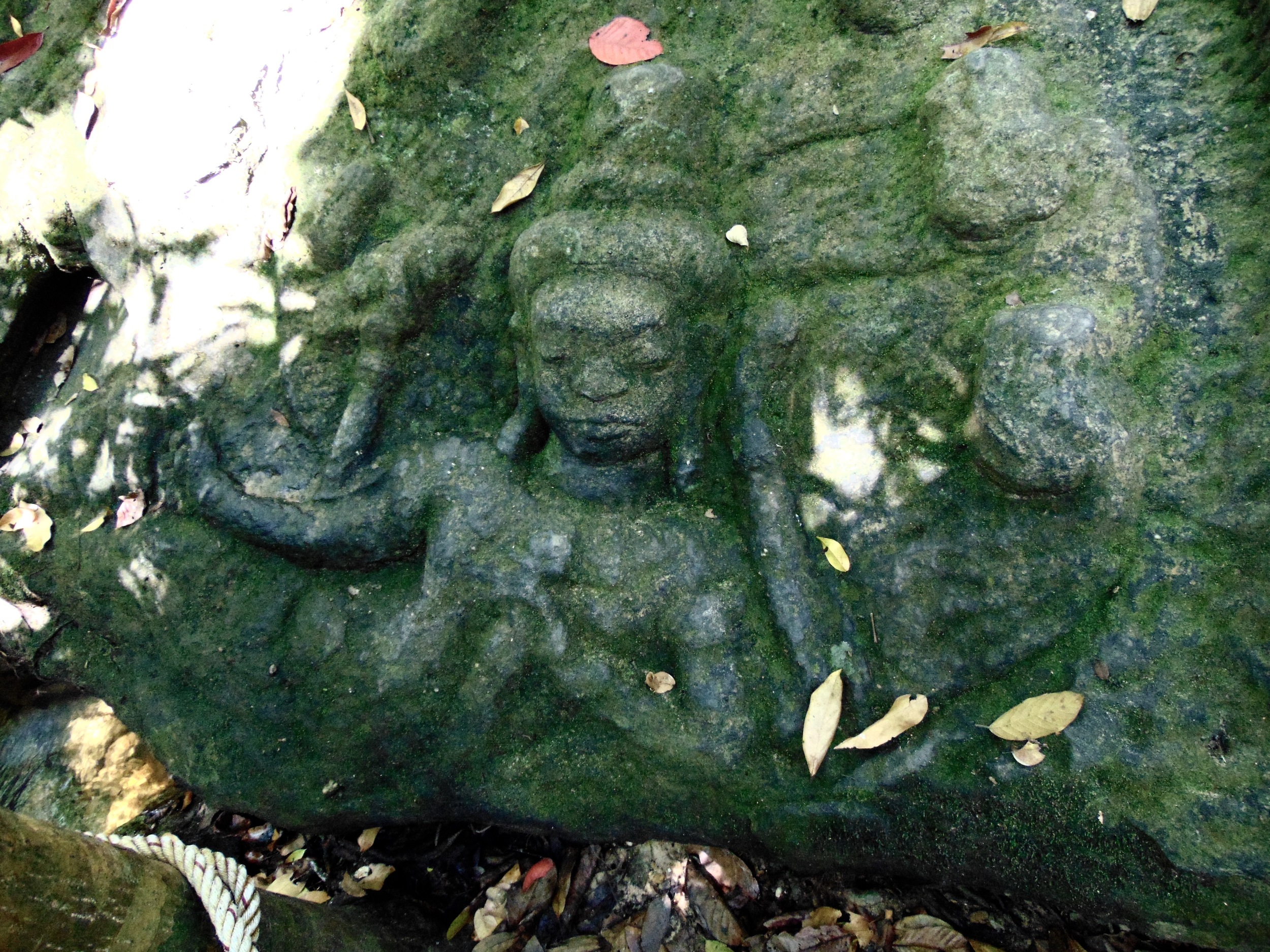
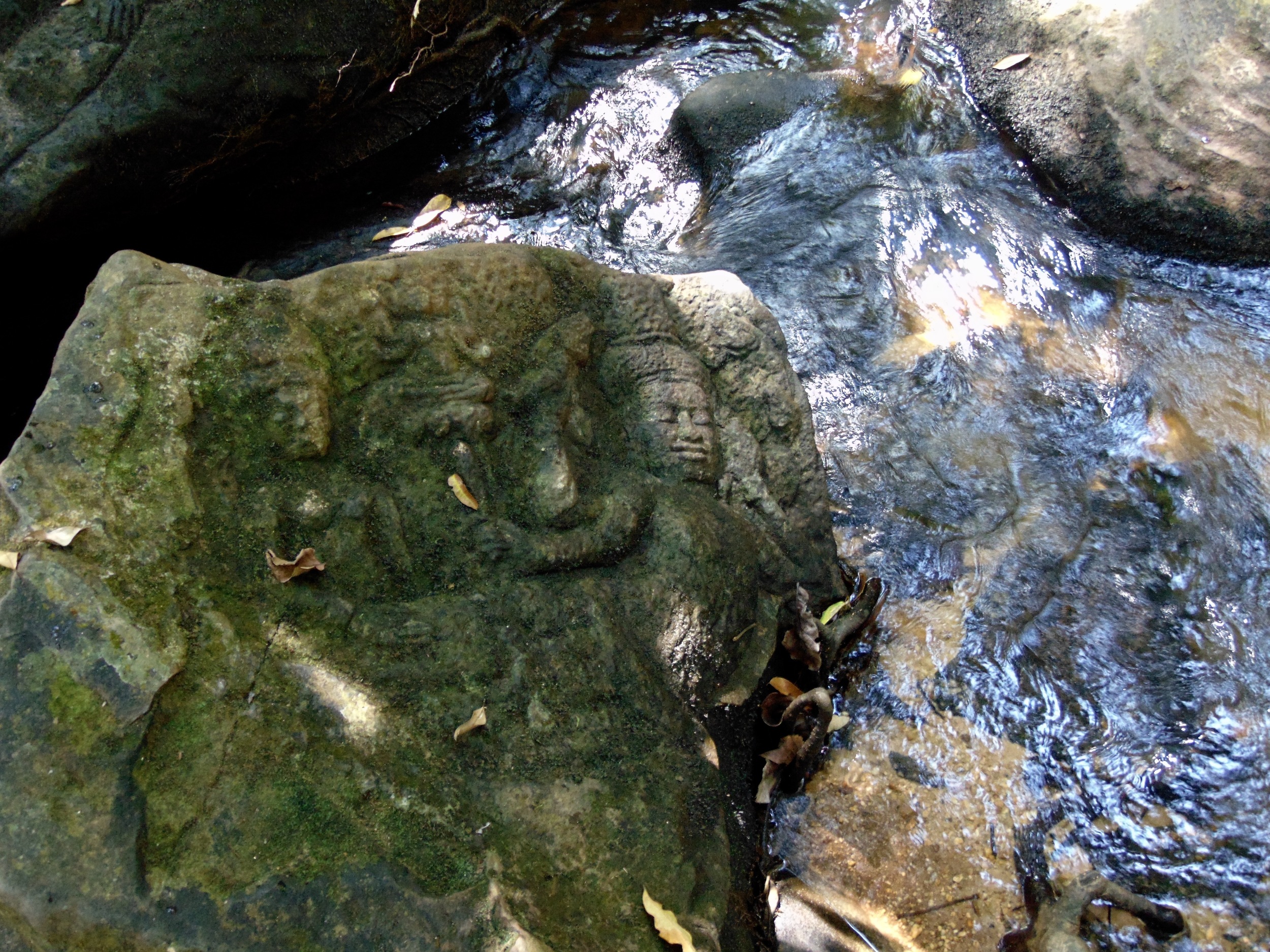
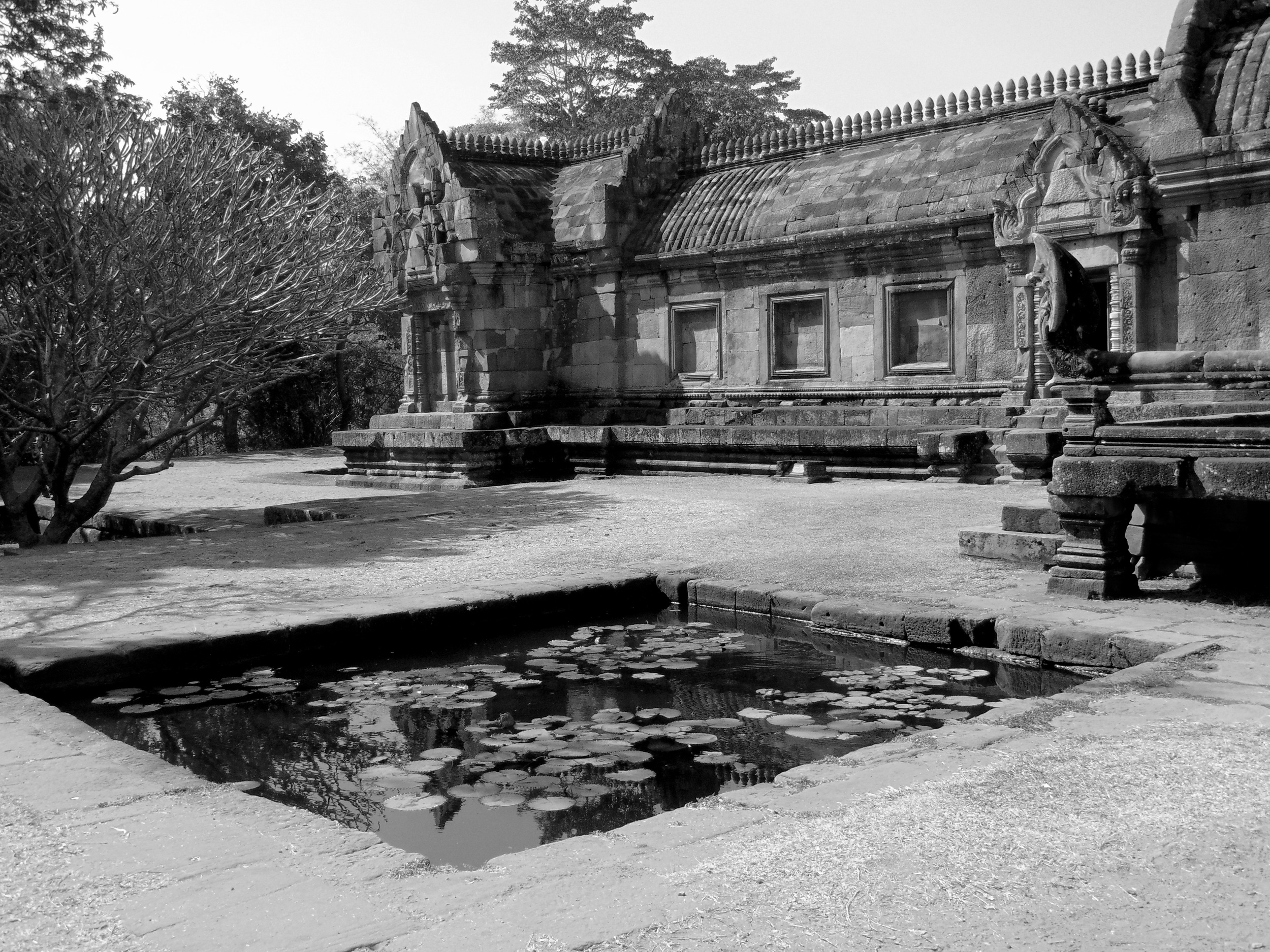
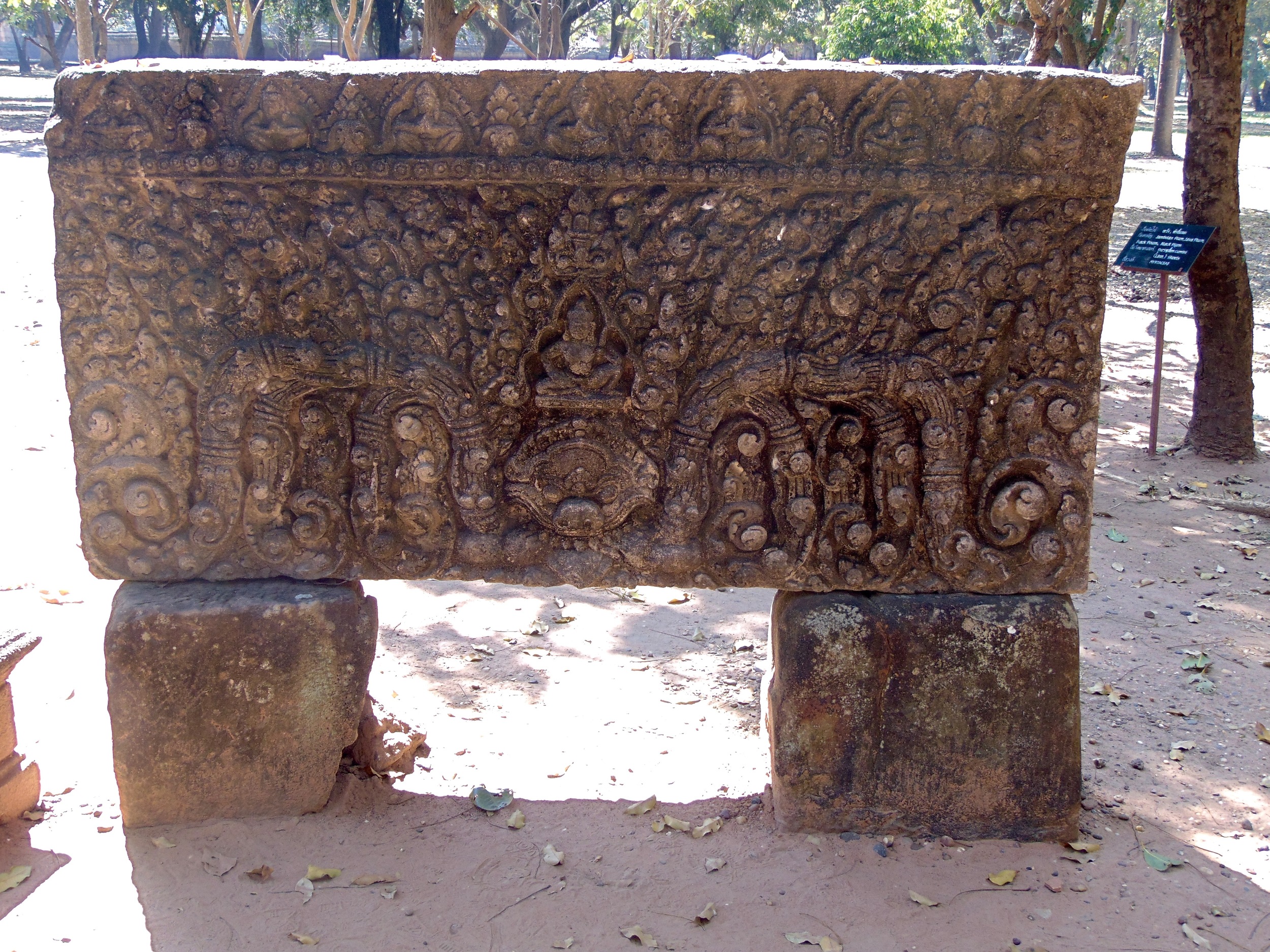
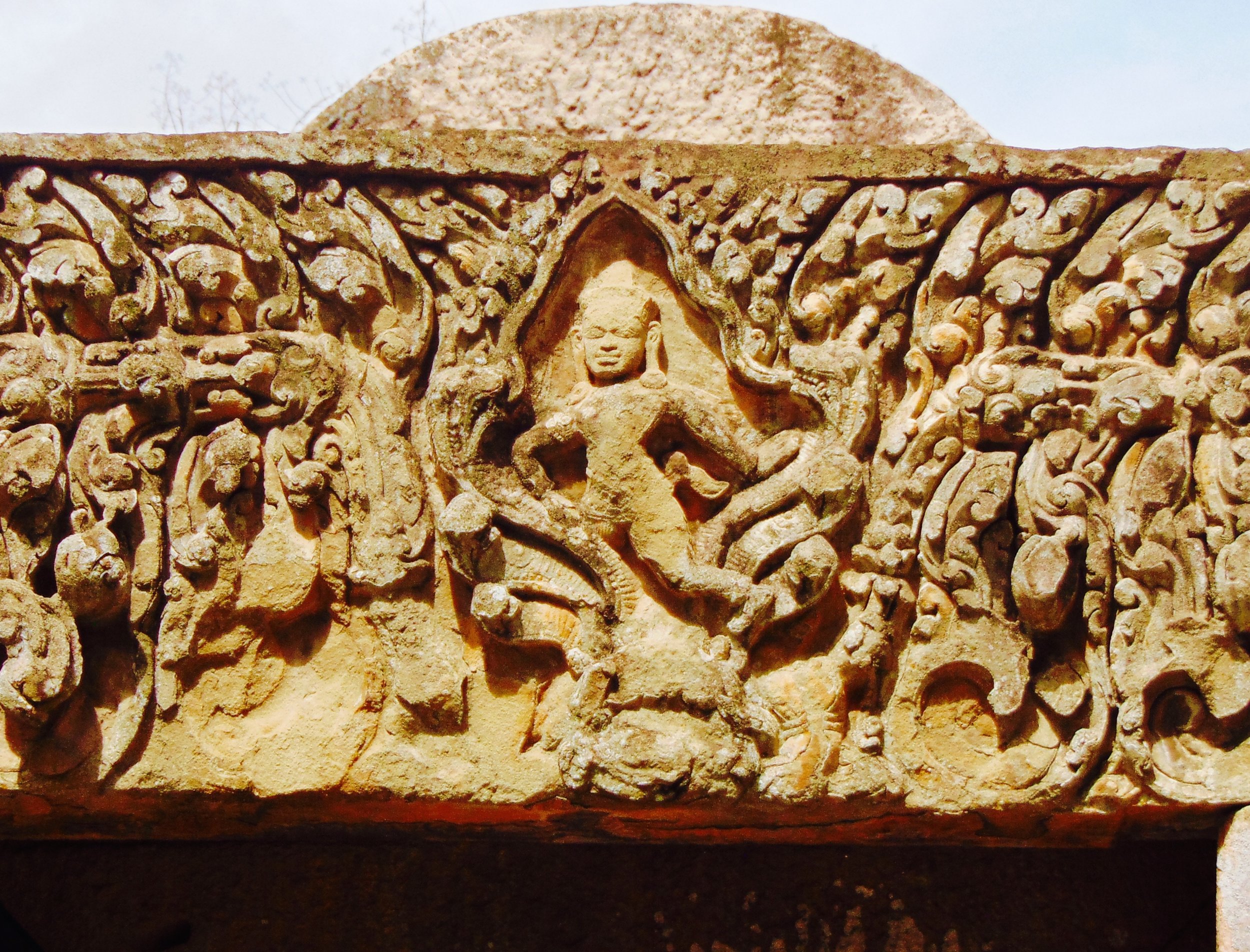
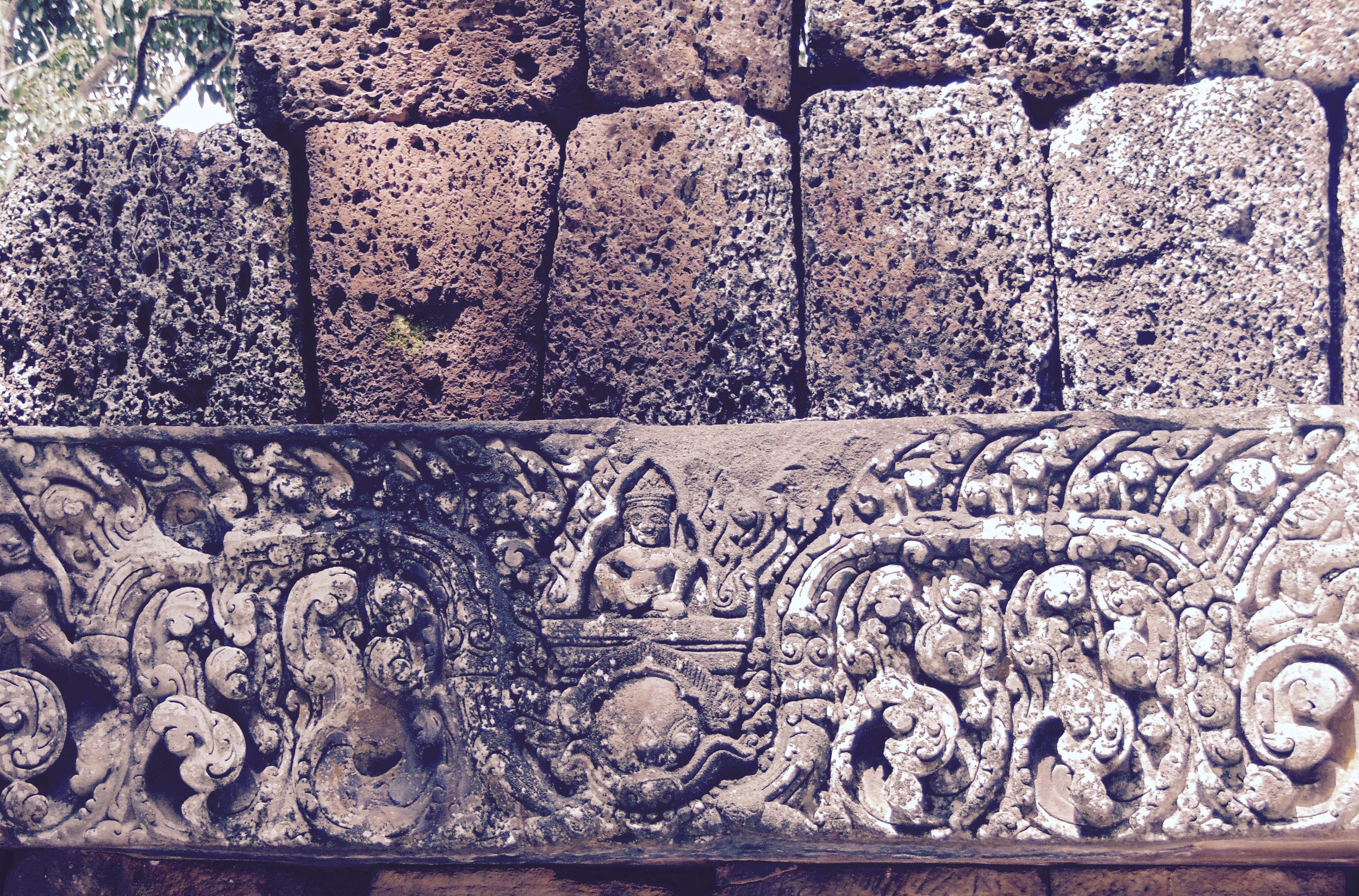
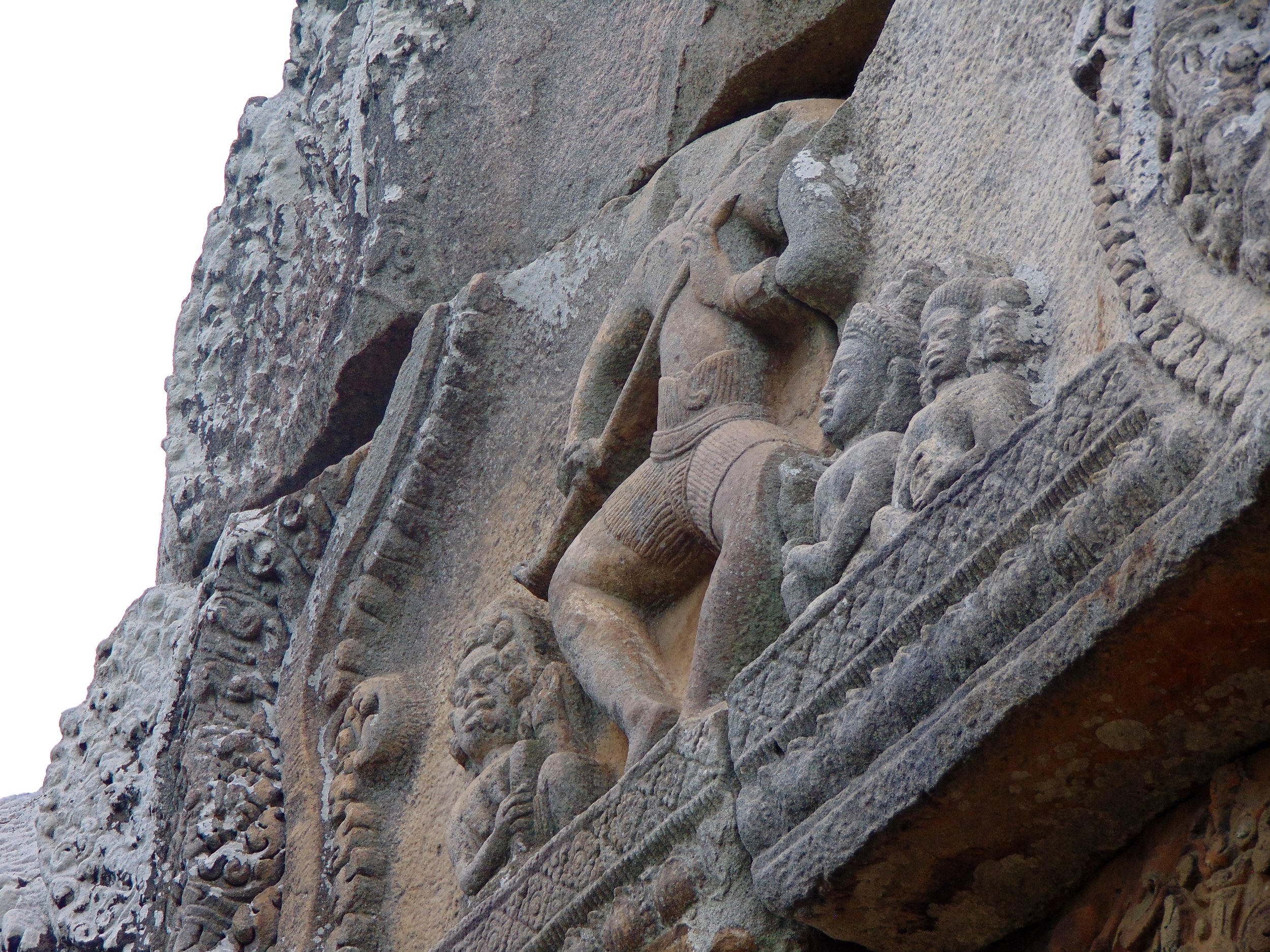
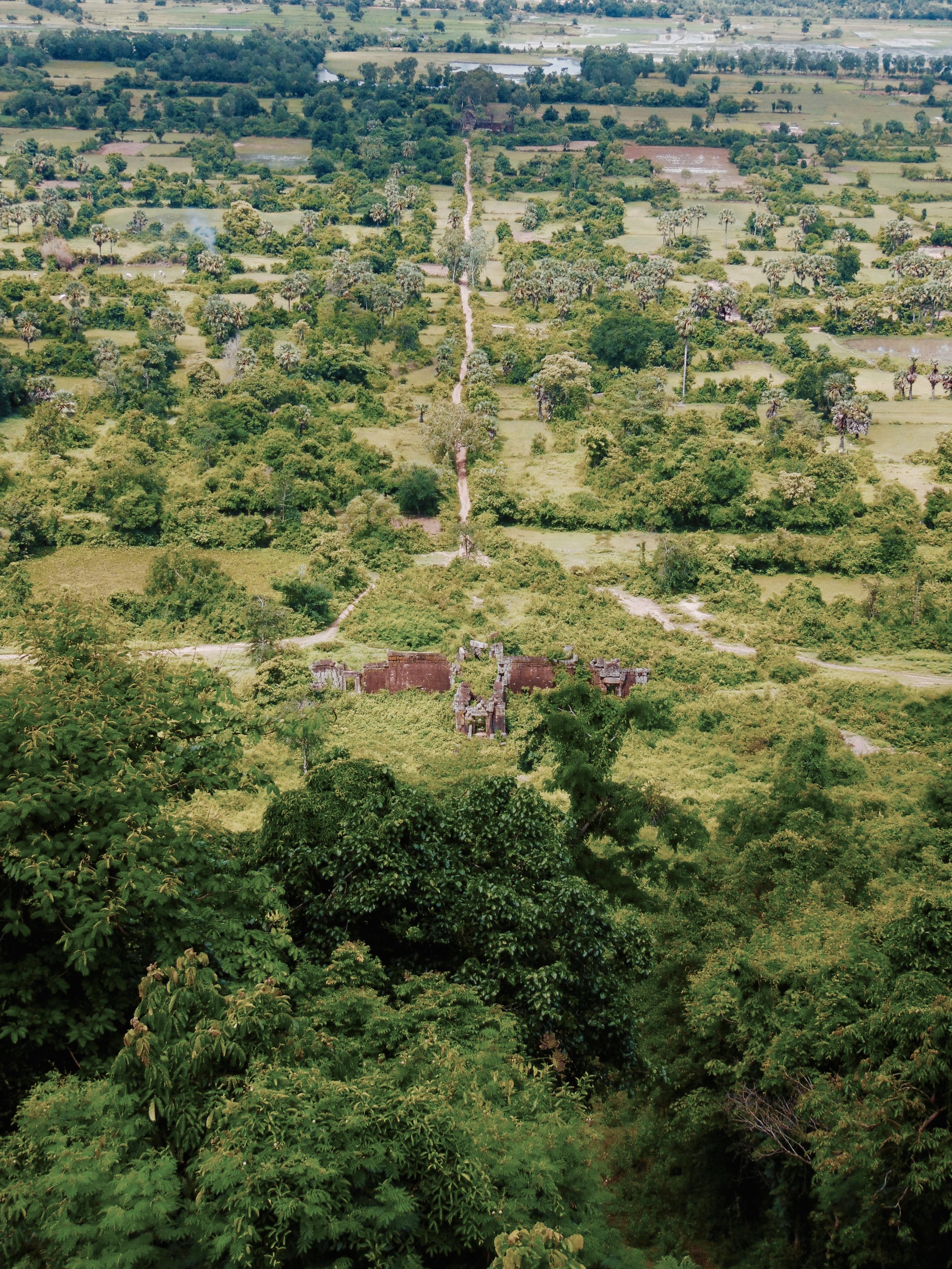
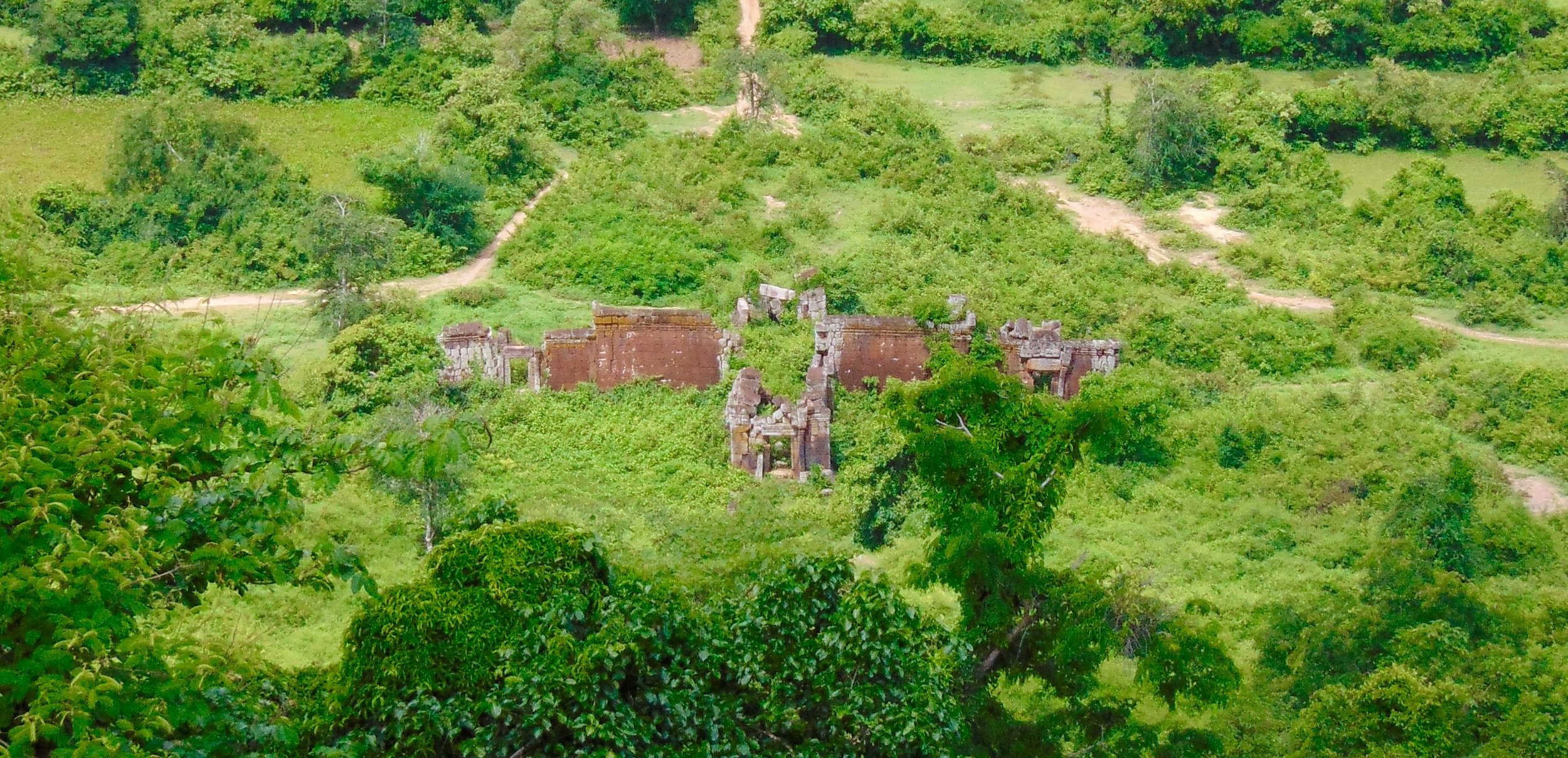
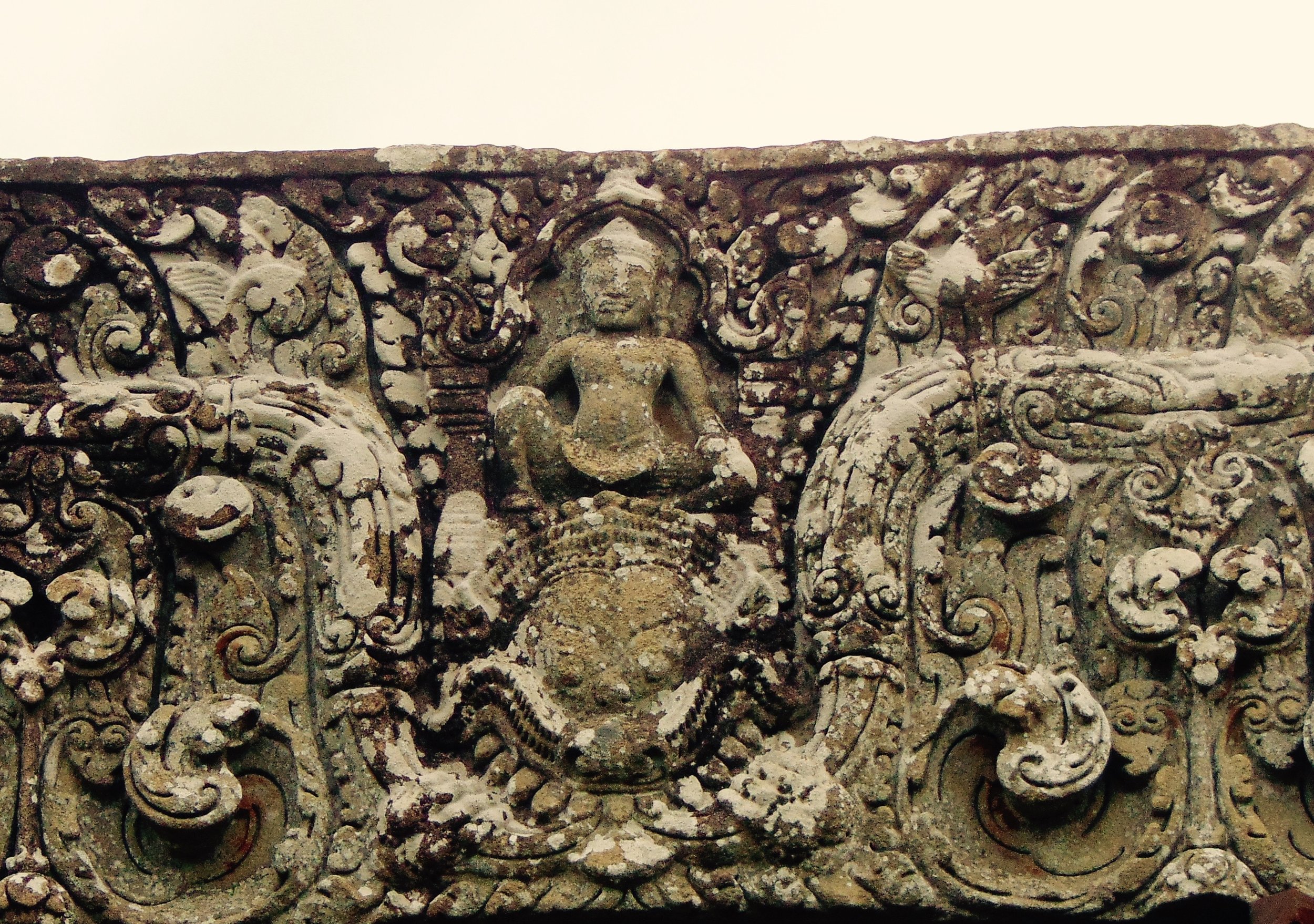
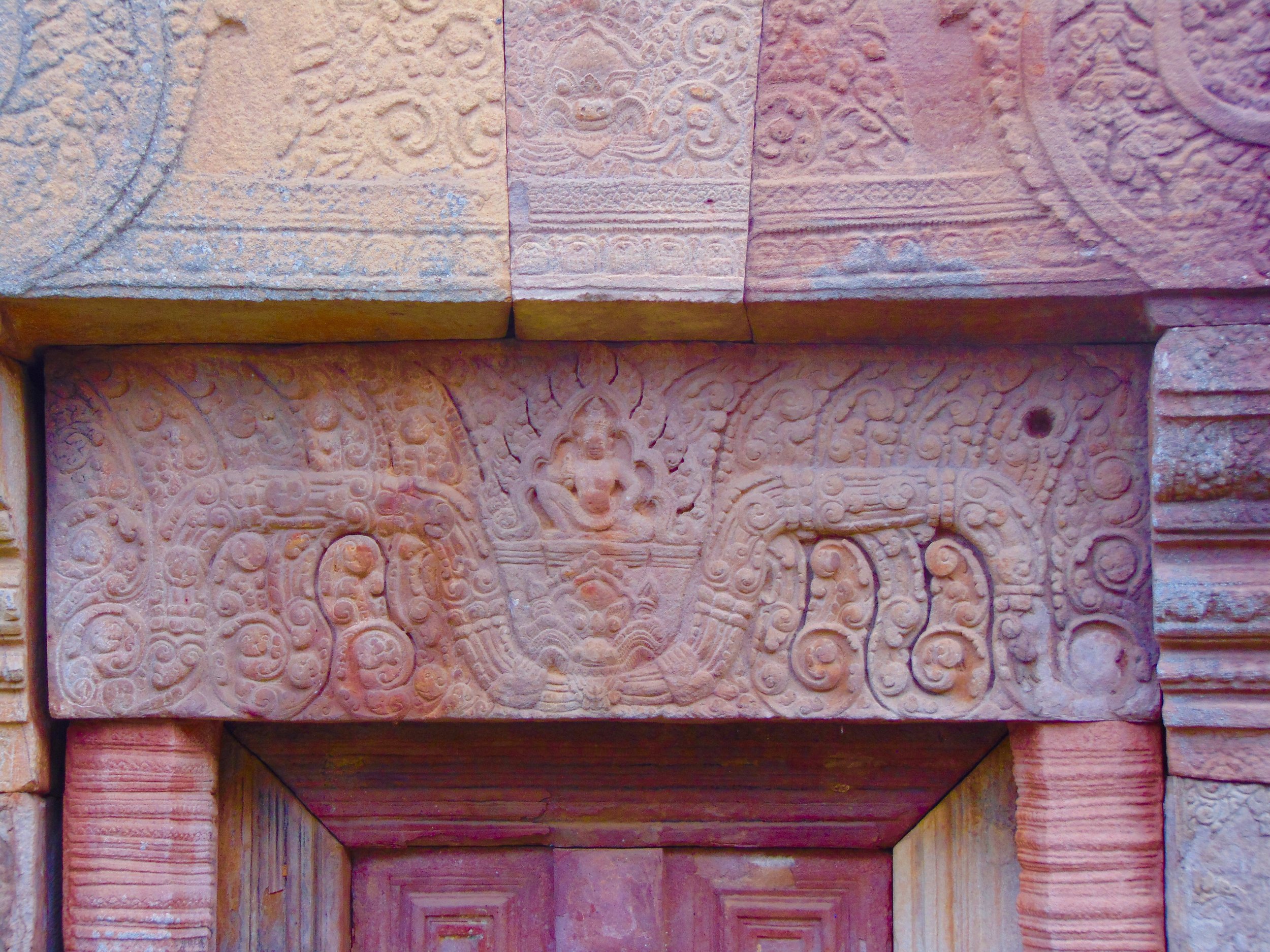
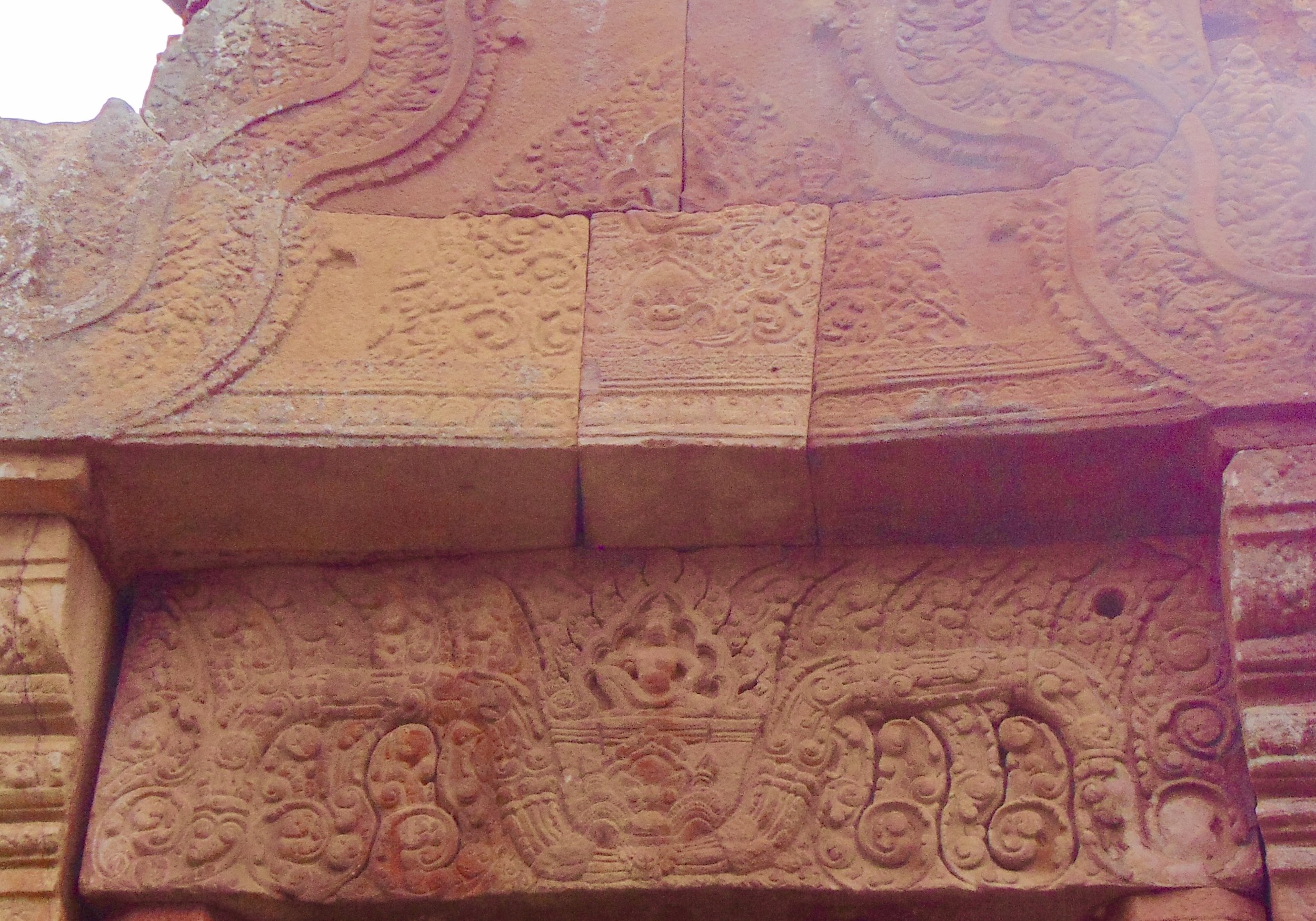
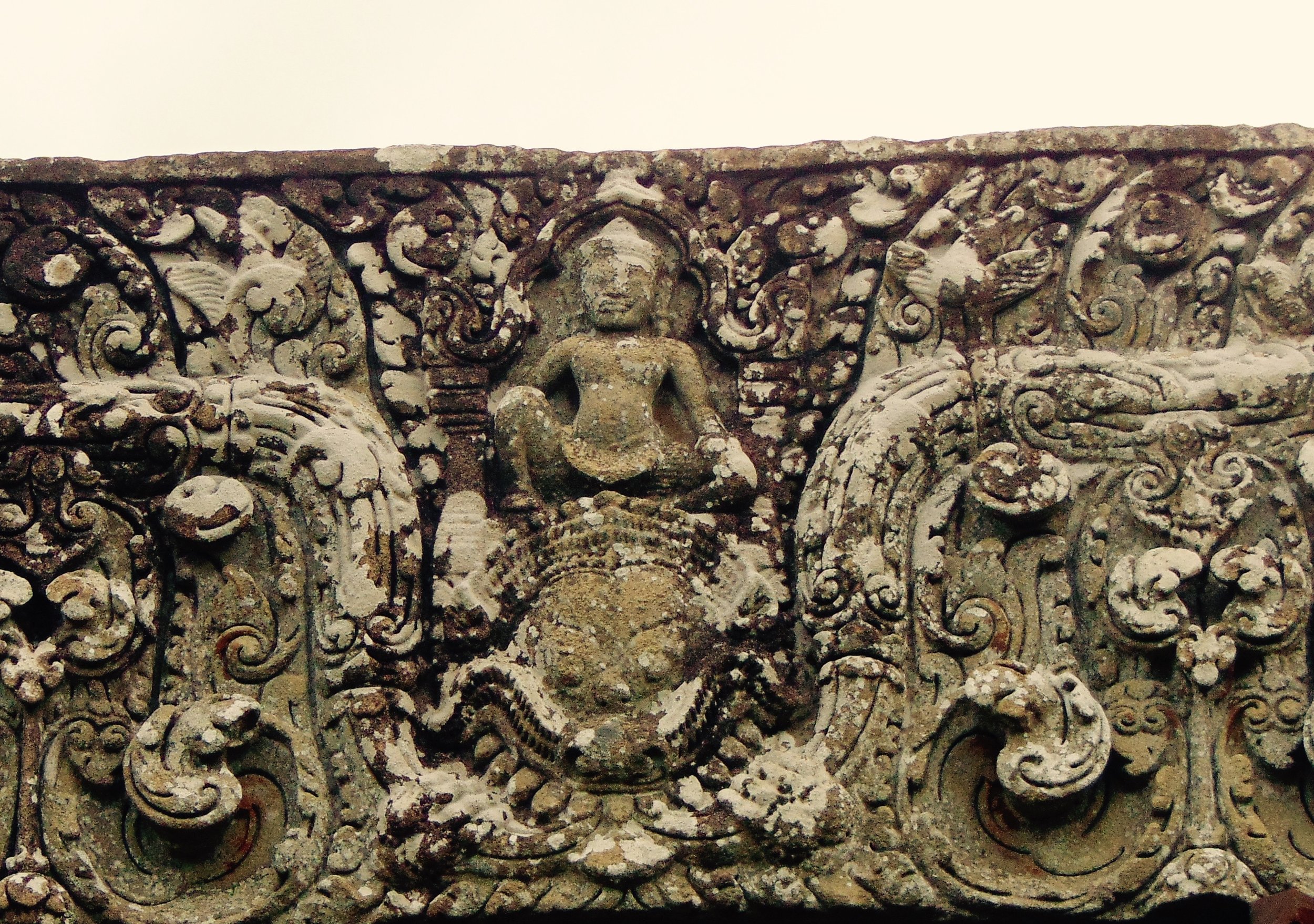
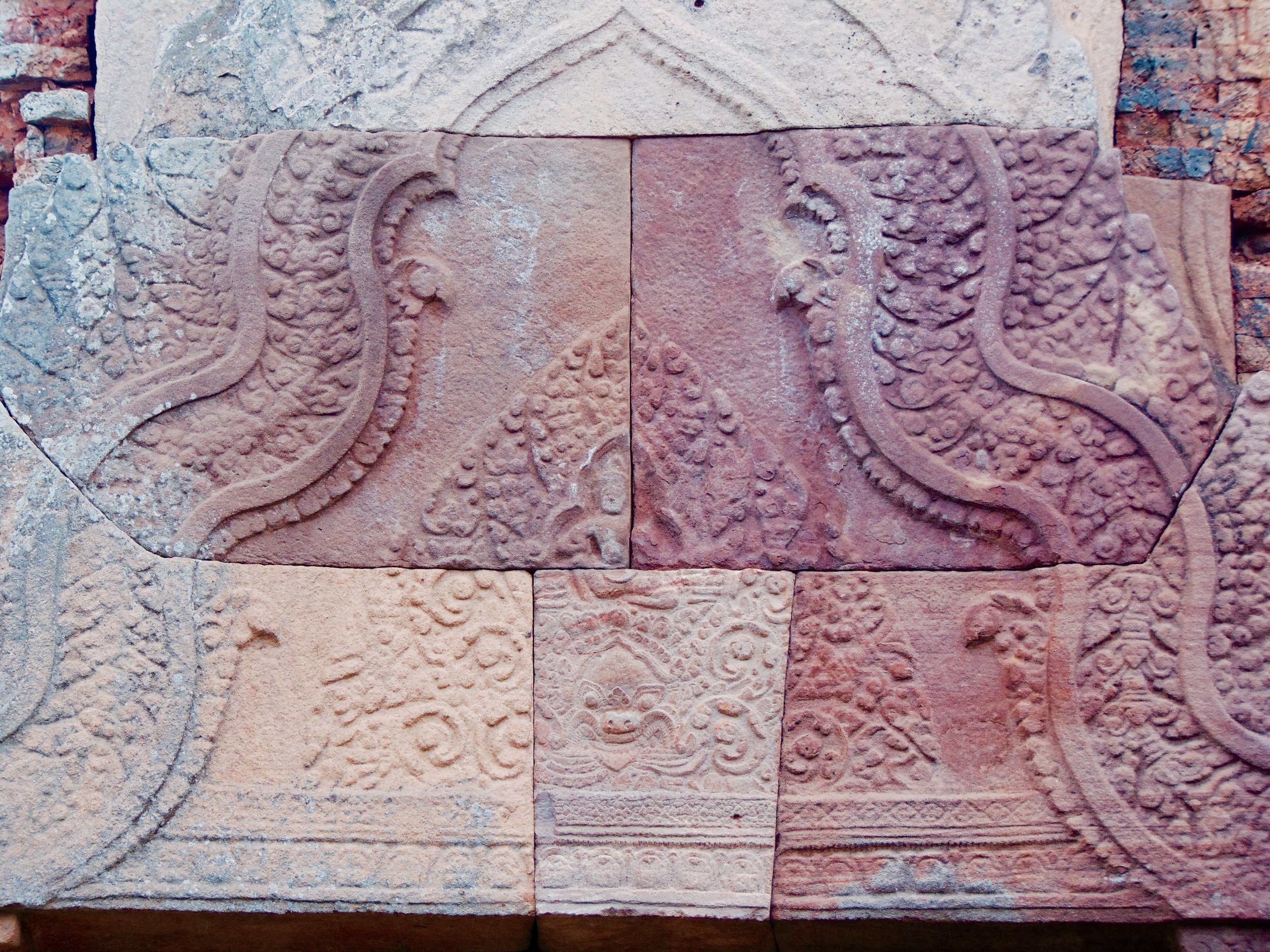
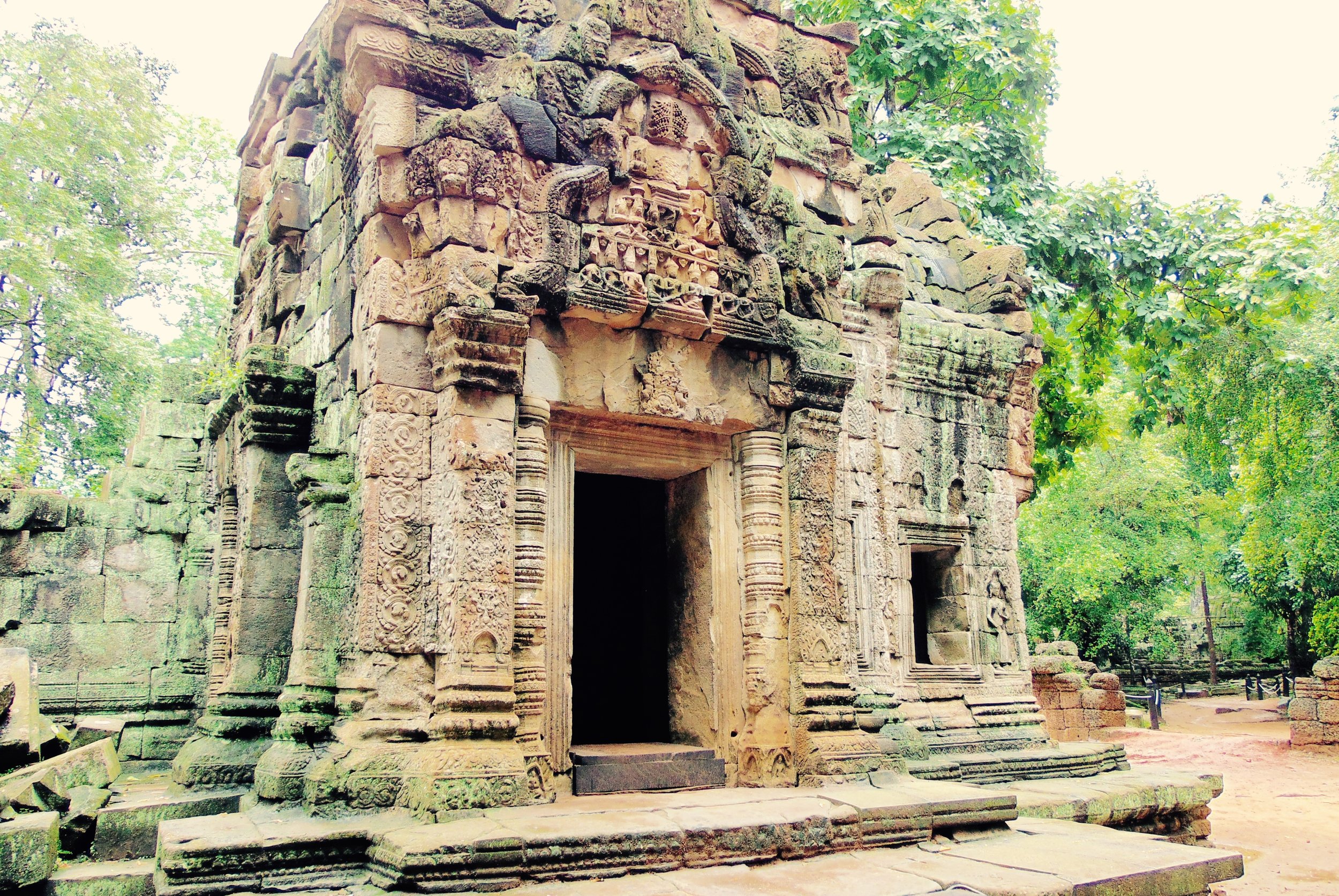
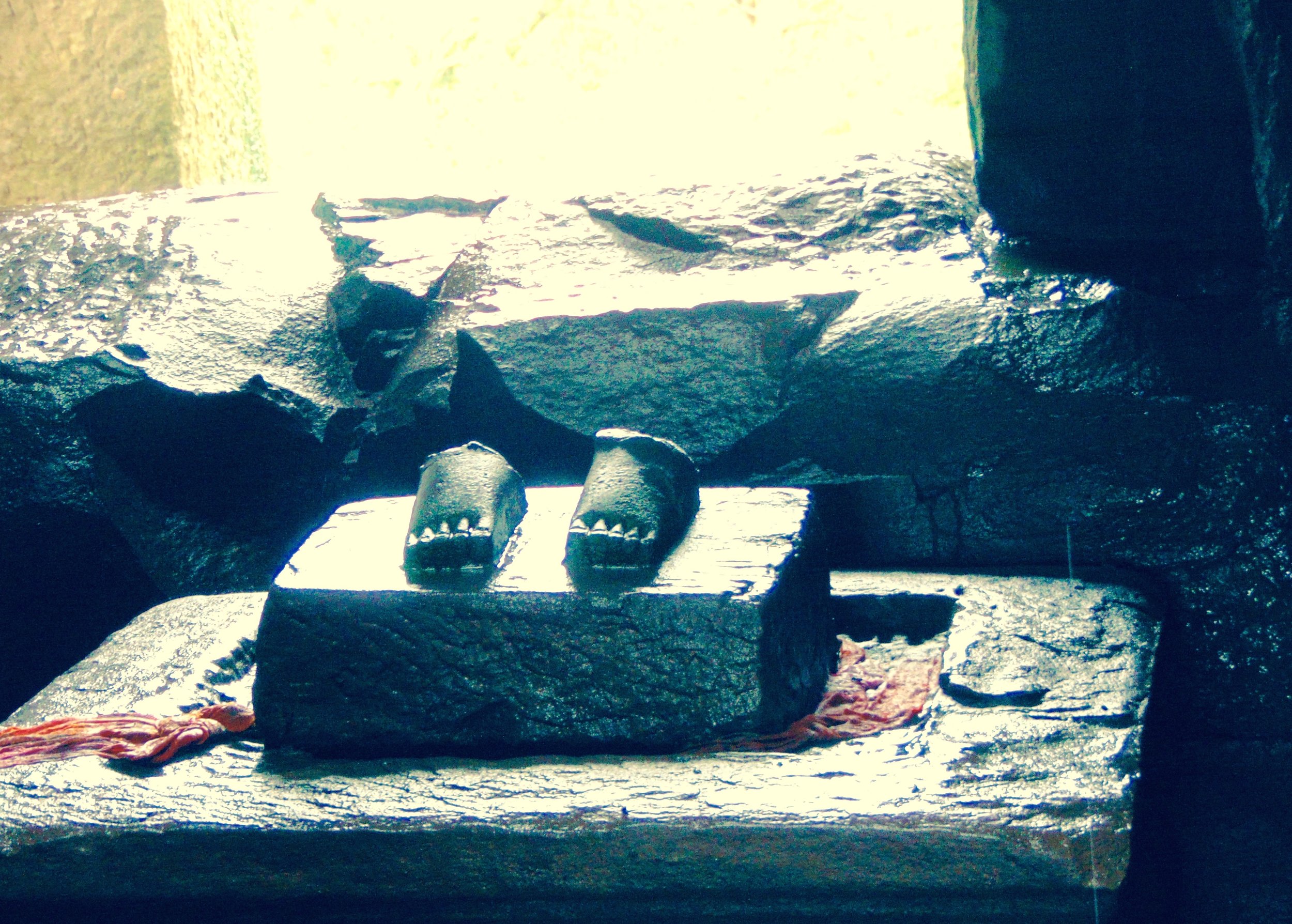
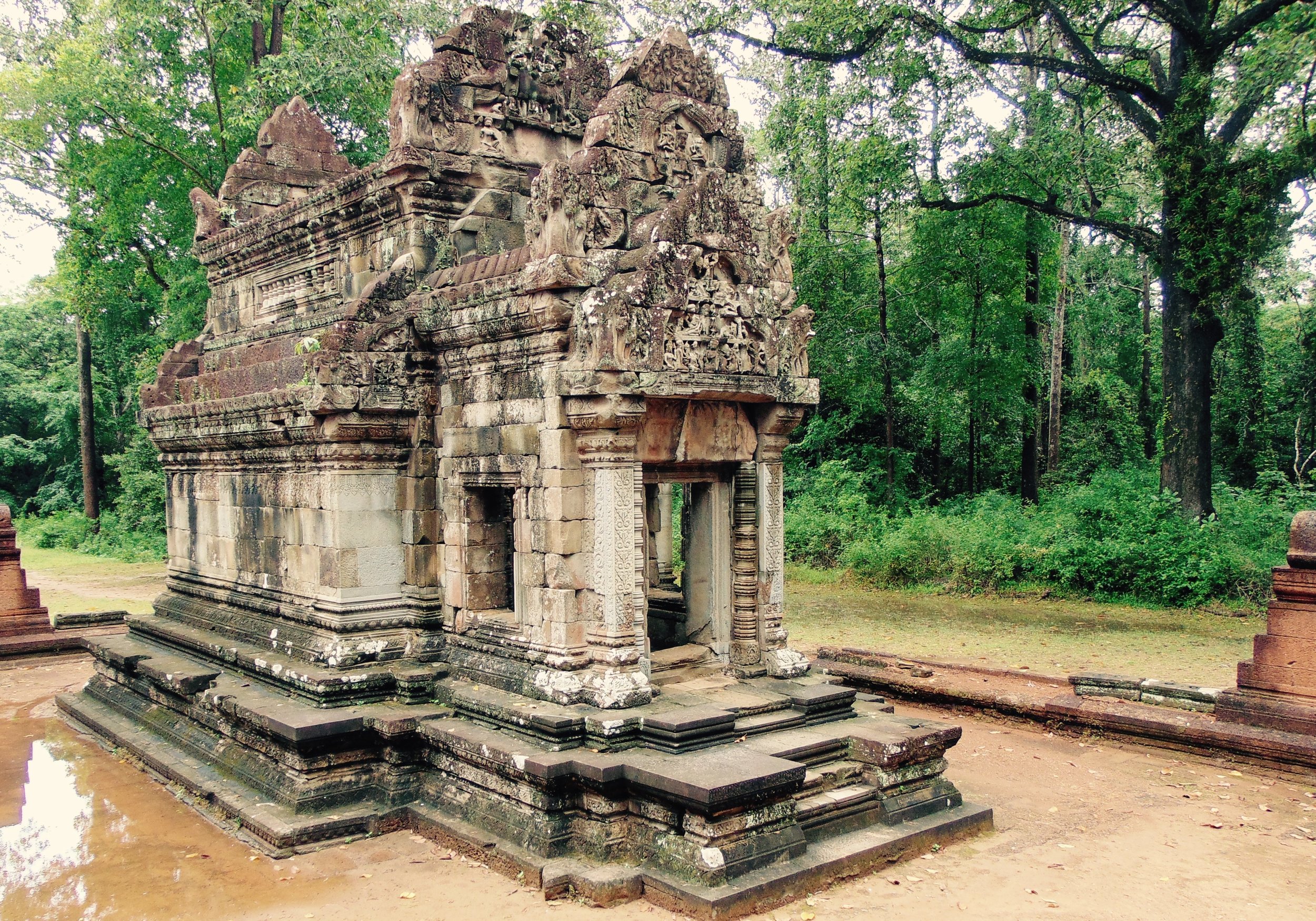
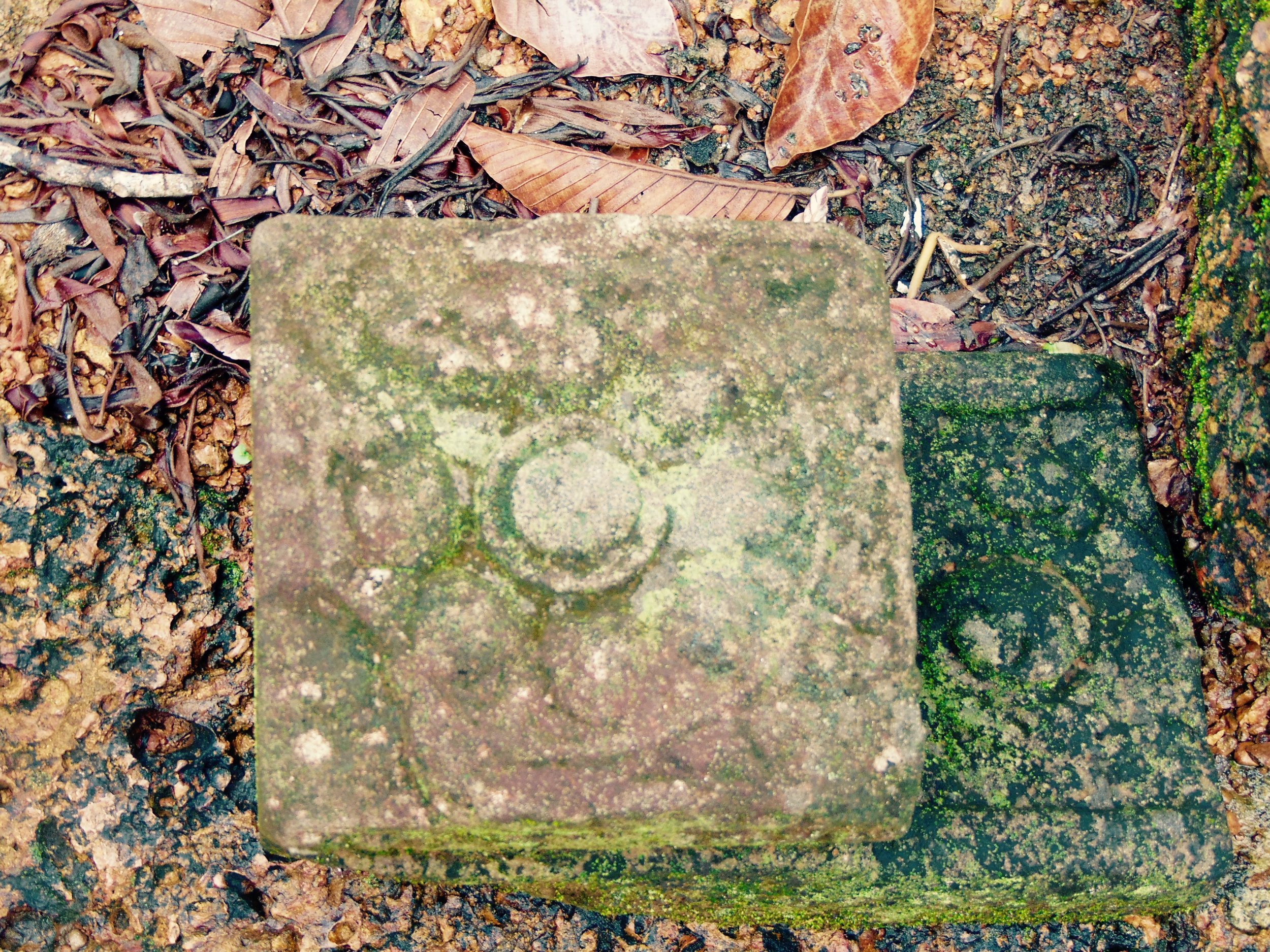
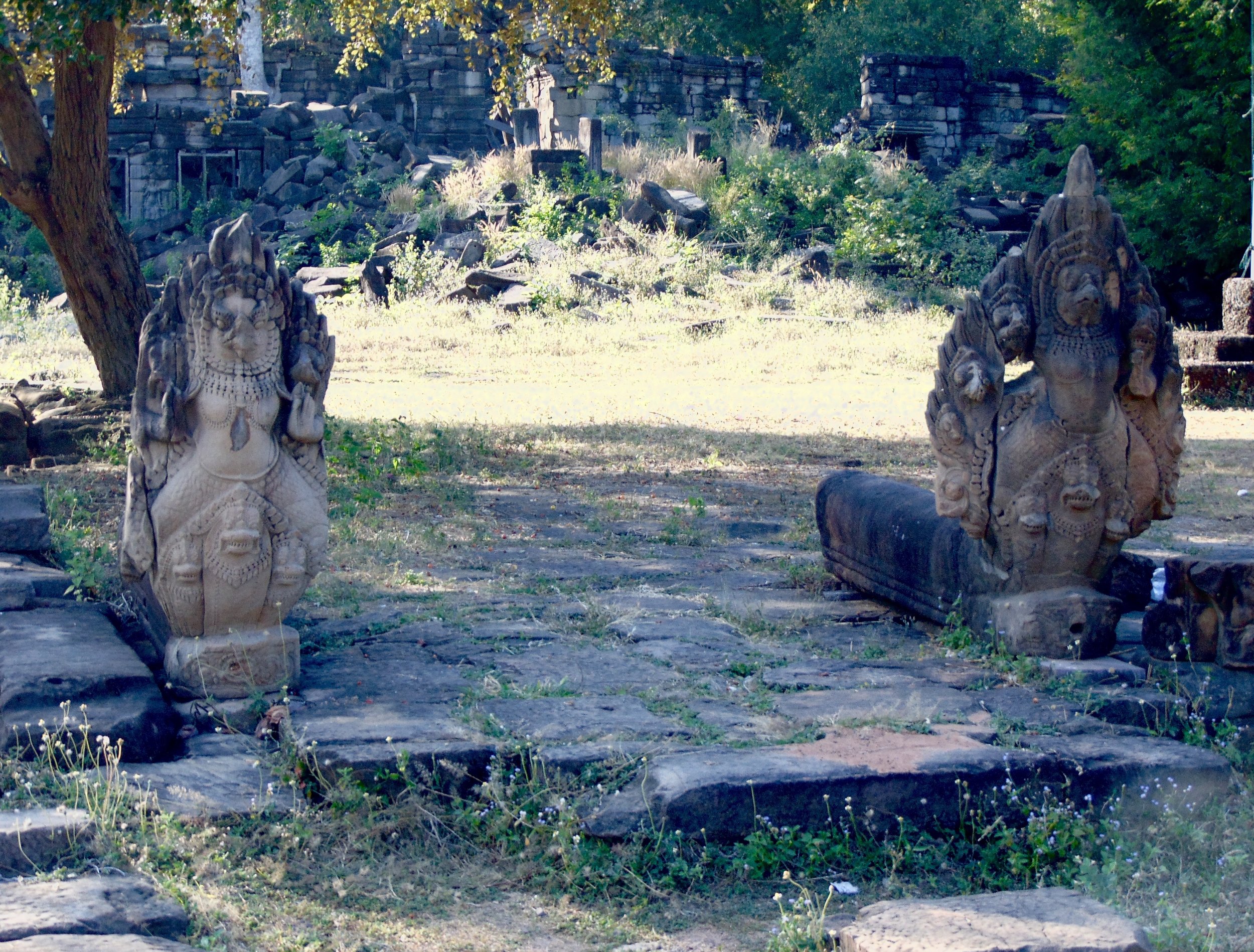
Dharmaksetre, 2007
Sarah Holma Ph.D. research:
A Diachronic Analysis of the Process of Heritage Management in Cambodia
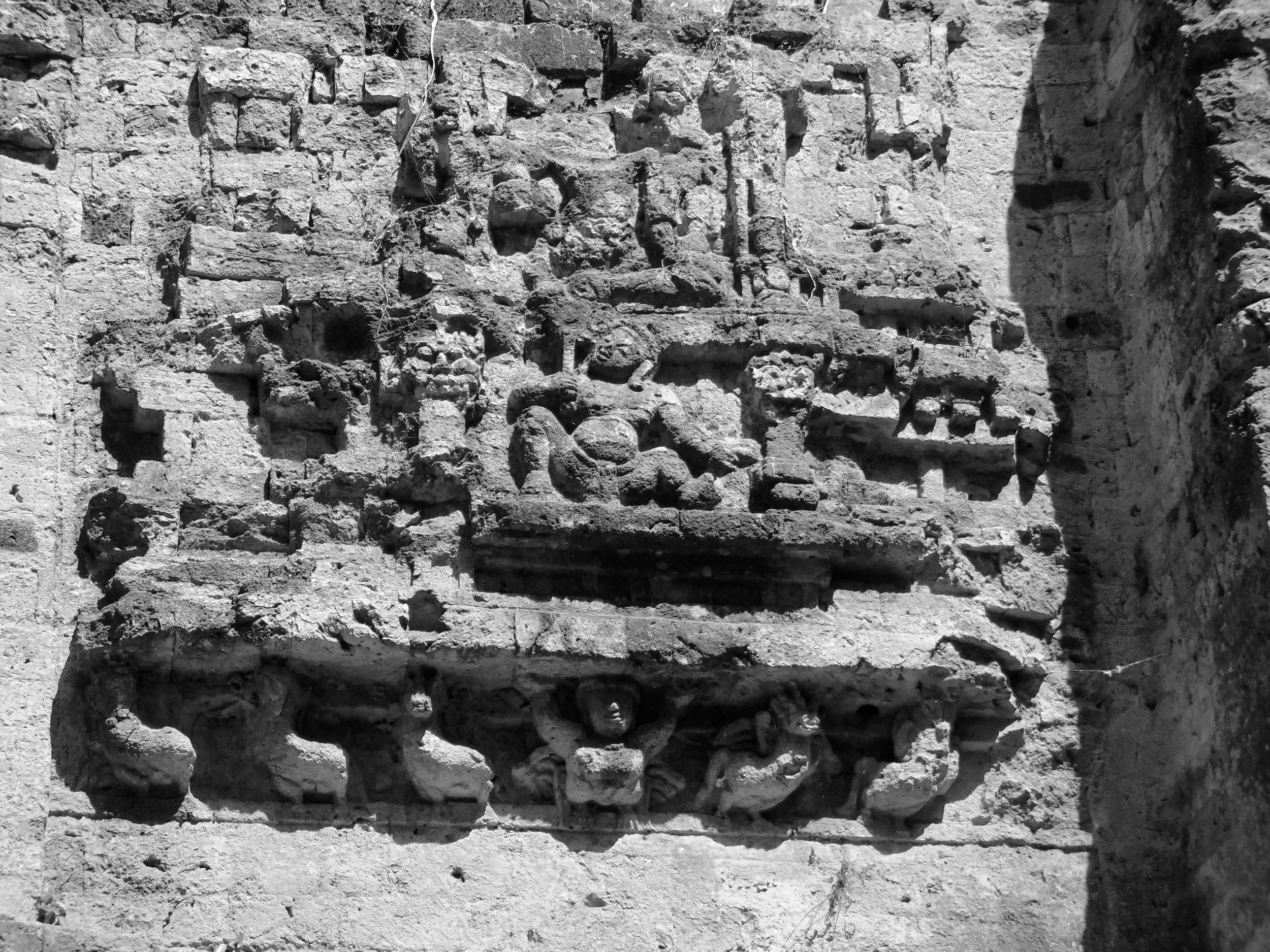
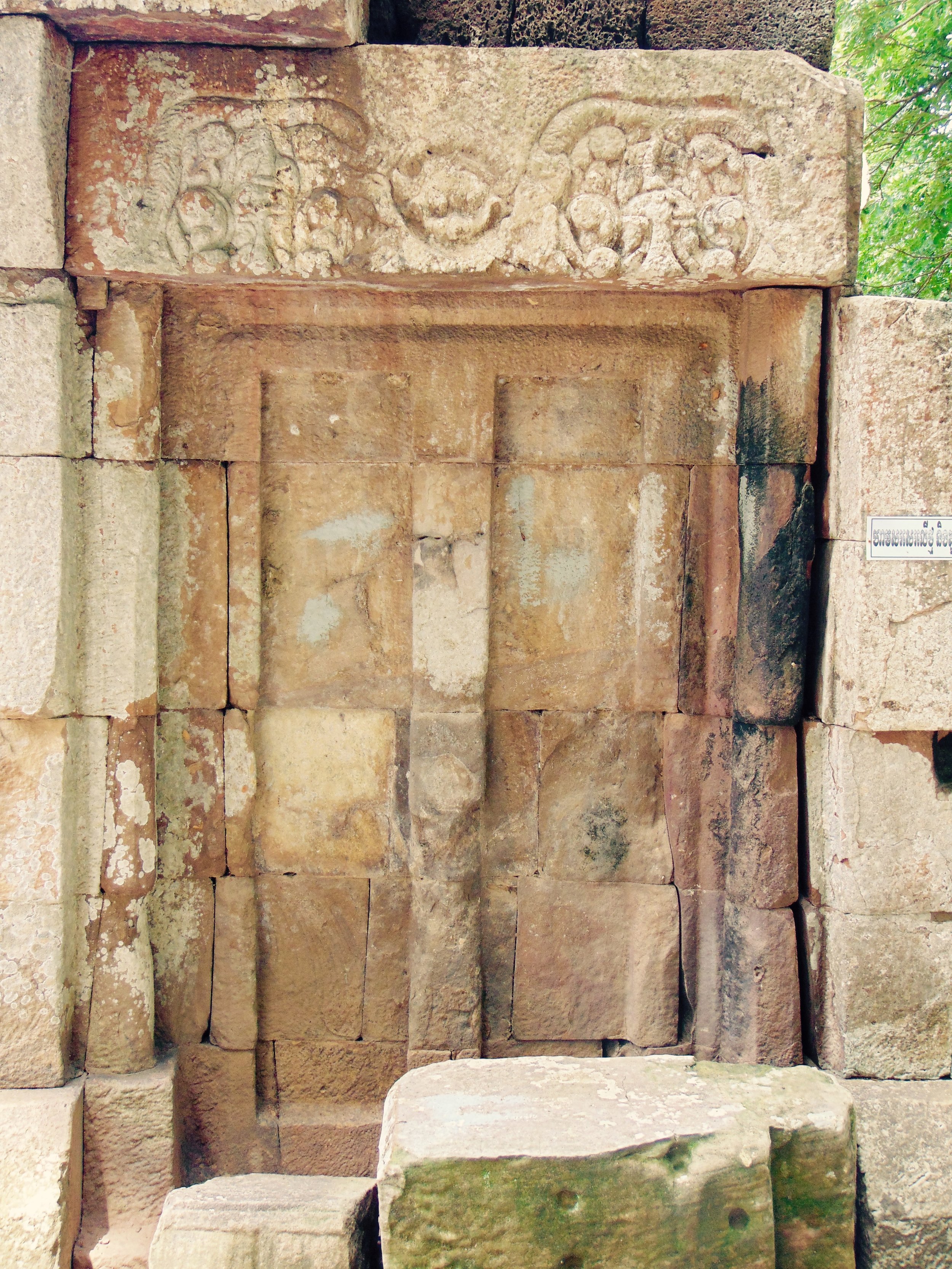
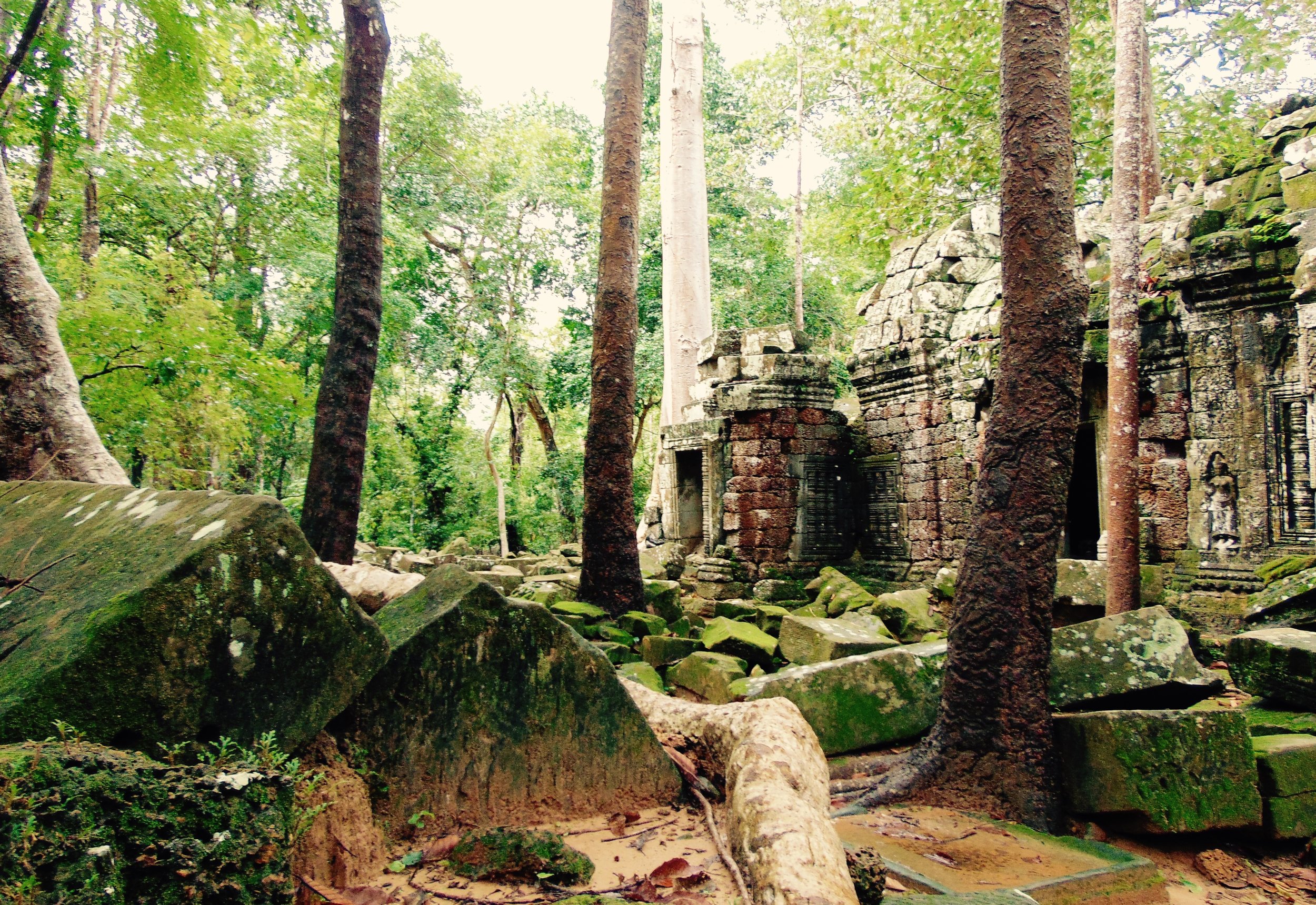
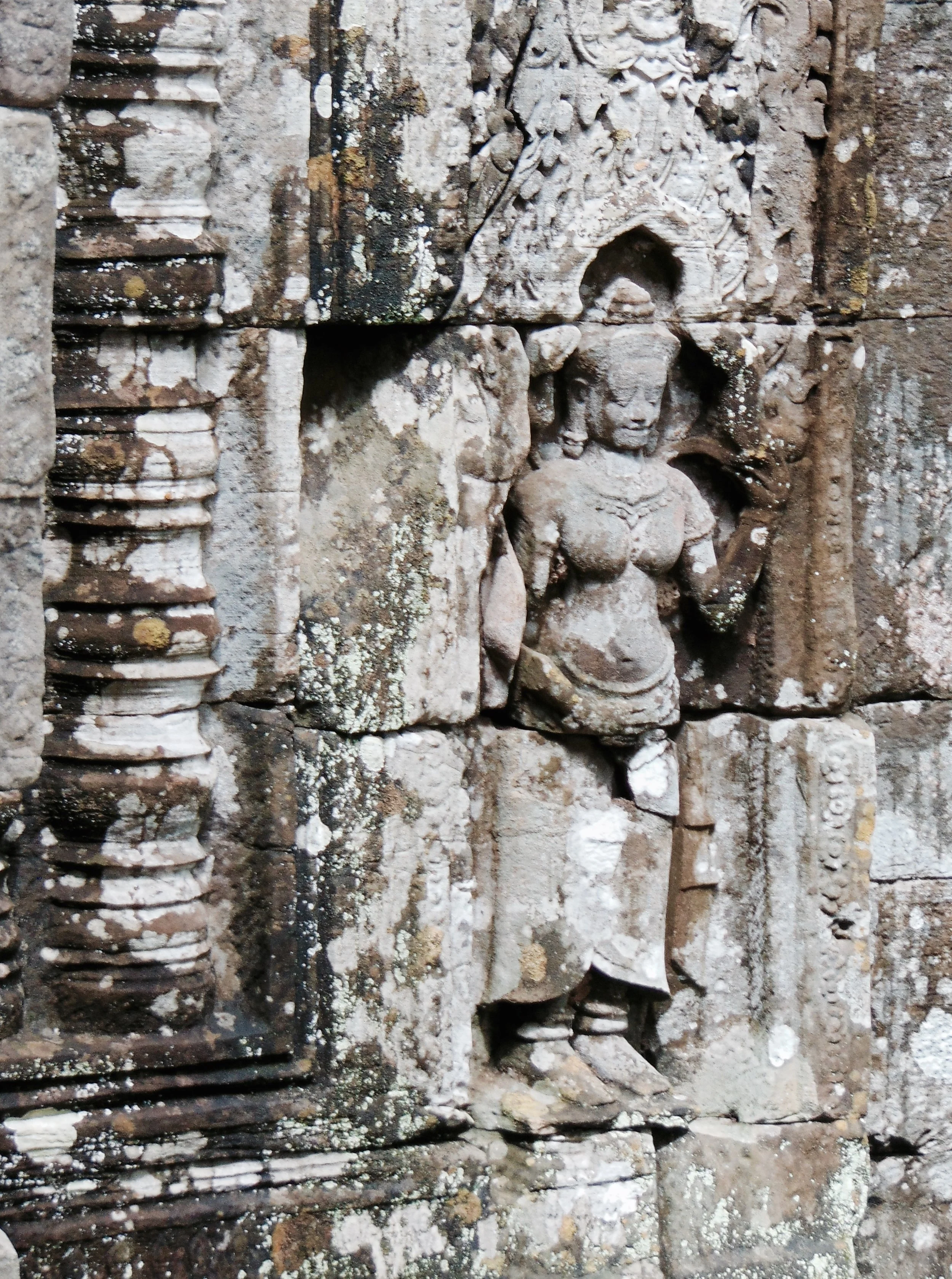
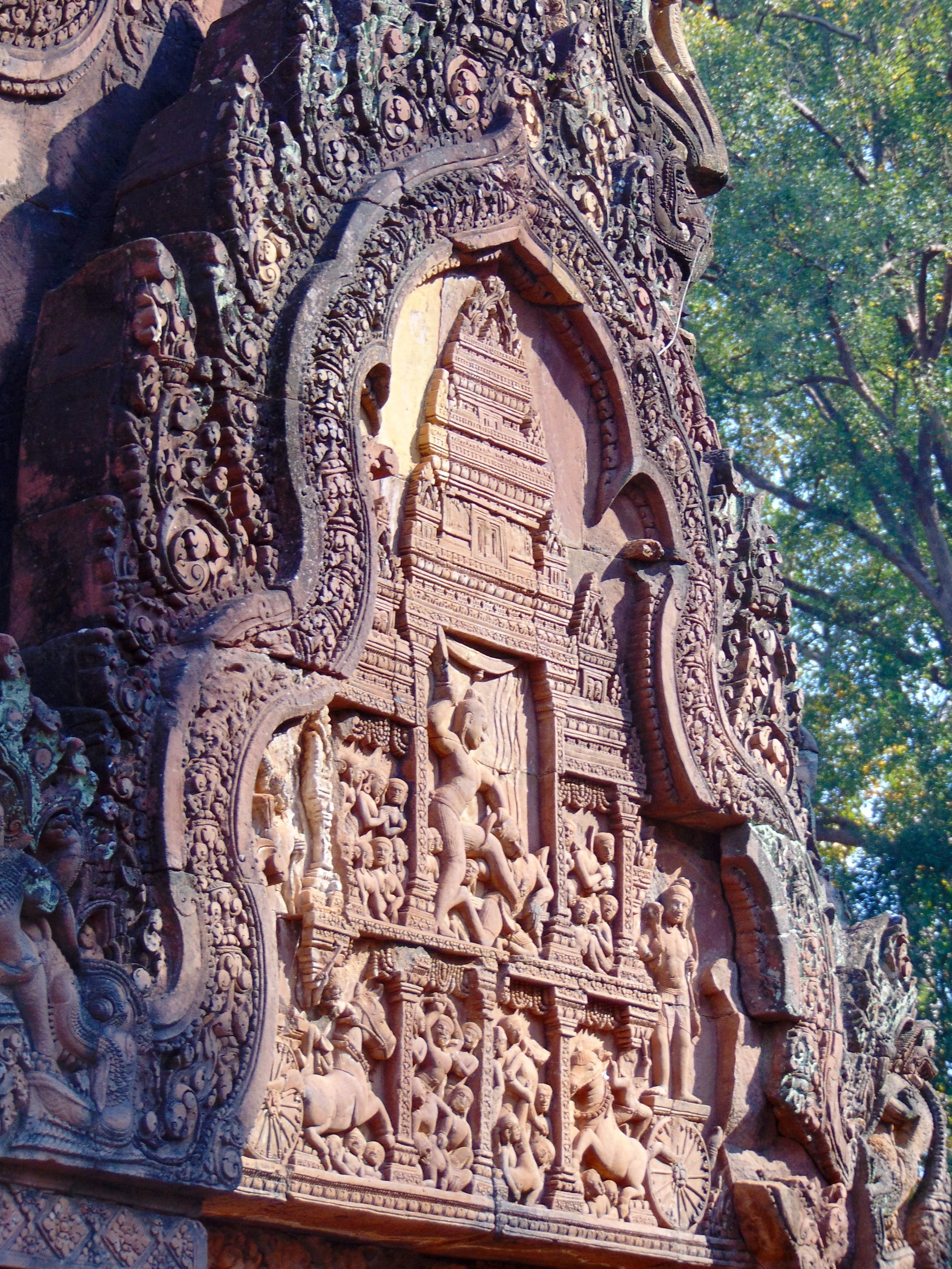
This dissertation presents a diachronic analysis of heritage management in Cambodia, focusing on the Angkor World Heritage Area (AWHA). Since its inscription in 1993, Angkor has been shaped by extensive international intervention, resulting in large-scale conservation efforts alongside a growing dependence on tourism and foreign aid. Within this context, the competing interests of international agencies, private investors, and the Cambodian state have produced significant imbalances in technical capacity, authority, and access to heritage.
Drawing on the work of Bruce Trigger, Michel Foucault, Pierre Bourdieu, and Michael Herzfeld, this study conceptualizes Cambodia’s cultural heritage apparatus as a historically embedded system shaped by colonial legacies and contemporary global governance. It traces the development of this apparatus from the French colonial period to the present, examining how UNESCO-led frameworks operate within existing political and social structures.
While international efforts have contributed to the preservation of Cambodia’s monuments, they also intersect with state power, patronage networks, and limited local participation. This has resulted in restricted access to heritage sites, barriers to professional development for Cambodian archaeologists, and the marginalization of local communities. In some cases, these dynamics have contributed to forced displacement and the suppression of traditional practices.
Using a rights-based framework grounded in international conventions, this research critically assesses the ethical implications of current heritage management practices. It concludes by proposing alternative approaches that prioritize locally led archaeology, equitable access, and more inclusive models of conservation. More broadly, the study offers insights into the functioning of transnational heritage systems and their impact in World Heritage contexts.
“Education is the most powerful instrument we can use to change the world”
Sarah-Kim Holma - nung nawn, 2005